
A single unprotected gunshot can deliver more than 150 dB of sound pressure in an instant, well above the threshold that damages hearing permanently. Hunters and shooters who skip ear protection are gambling on tinnitus they cannot undo. The picks below cover different ways to protect your ears at the range or in the field, from simple foam plugs to Bluetooth-equipped sets that stream audio between shots.
A Side-By-Side Look

TICONN Foam Ear Plugs 32 dB NRR

MIPEACE Wired Ear Protection Headphones for Work
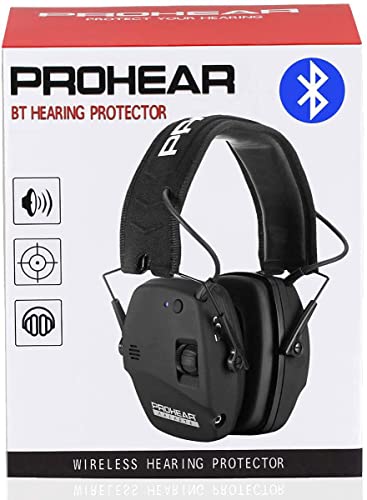
PROHEAR Ear Protection Safety Earmuffs for Shooting

MIPEACE Bluetooth Earplug Headphones Neckband (Orange)

TAGRY Hybrid Active Noise Cancelling Wireless Ear Buds
The Strengths Of Each Pick
Foam plugs remain the simplest, lightest form of hearing protection, and a 40-pair resealable jar makes them easy to stash in a range bag, glove box, or hunting pack. The 32 dB NRR (Noise Reduction Rating) is a measure of how much sound the plug attenuates in lab conditions, and at that level the TICONN pair handles pistol ranges, indoor ranges, and even heavy shop tools without fuss.
For shooters who shoot occasionally rather than weekly, or anyone wanting a backup set in case electronic earmuffs run out of battery, these are a sensible grab-and-go option.
The Value In It
- 40 individually wrapped pairs keep unused plugs clean in a dusty range bag
- 32 dB NRR cuts enough volume for most rifle and pistol sessions
- Soft foam compresses easily for users who dislike hard in-ear tips
- Lightweight enough to wear under over-ear muffs for layered protection
Things To Consider
- Disposable, so replacements are needed regularly on heavy use
- Foam can feel itchy after several hours of continuous wear
- No audio passthrough, so range conversations require removing plugs
Who It Suits Best
Casual range-goers, instructors stocking a class kit, and shooters wanting an inexpensive second layer under earmuffs.
Where Another Pick Suits Better
Hunters who want situational audio and Bluetooth should reach for the PROHEAR Ear Protection Safety Earmuffs for Shooting instead.
These wired earplugs double as audio headphones, making them a useful middle ground for landscapers, woodworkers, and anyone mowing a long property. Tri-flange silicone tips seal inside the ear canal and hold on through bending and lifting, while a 29 dB NRR keeps chainsaw and mower noise to safer levels.
Compared with the TICONN foam plugs reviewed first, these are a step up for users who want music or podcasts during long tasks without giving up hearing protection.
Standout Benefits
- Tri-flange tips stay put during yard work and construction chores
- Streams audio from any phone with a 3.5 mm jack
- 29 dB NRR is enough for most power tools and mowing
- Lower profile than over-ear muffs in warm weather
Worth Noting
- Wired connection can snag on brush or branches during outdoor work
- Tip fit varies, and a poor seal drops real-world noise reduction noticeably
Made For
DIYers, hobbyist woodworkers, and homeowners spending hours with loud power tools who still want background audio.
Skip It When
Hunters needing wireless freedom on long stalks should pick the MIPEACE Bluetooth Earplug Headphones Neckband (Orange) instead.
Over-ear muffs are the classic choice at the firing line, and the PROHEAR set keeps a slim profile that fits comfortably under a shotgun stock or rifle comb. The slim cups reduce cheek interference compared to bulkier earmuffs, which matters during long clay courses or full days on a public range.
Where foam plugs disappear into your ears, these wrap around them, so shooters who dislike in-ear pressure get a familiar, cushioned fit.
The Upside
- Slim cup design clears most shotgun and rifle stocks
- Quick on-and-off between shots and coaching moments
- Padded headband handles long range sessions without hot spots
Honest Caveats
- No electronic amplification, so range commands may be hard to hear
- Can feel warm during summer months or in humid climates
Feature Snapshot
Best Suited To
Sport shooters, clay shooters, and hunters running drills who prefer an over-ear feel and do not need Bluetooth.
Look Elsewhere When
Shooters wanting audio streaming and ambient sound should consider the TAGRY Hybrid Active Noise Cancelling Wireless Ear Buds instead.
Bluetooth neckband earplugs solve the wire-snag problem of the MIPEACE wired set covered earlier. A flexible band rests behind the neck, and the lightweight 25.8 g build stays out of the way whether you are trimming hedges or pushing a mower across uneven ground. With 19 hours or more of claimed battery life, the set covers a full weekend of yard work on a single charge.
The 29 dB NRR matches the wired sibling, so swapping between the two does not change your protection level, only your mobility.
Why It Works Well
- Neckband design eliminates cable snag during outdoor work
- Long battery life handles a full day without a top-up
- Includes replacement ear tips for a custom seal
- Lightweight at 25.8 g, which most users find unnoticeable after a few minutes
Points To Keep In Mind
- Neckband can catch on collars in cooler weather
- Bluetooth pairing requires a phone, unlike the simpler PROHEAR Ear Protection Safety Earmuffs for Shooting
Quick Facts
Who Will Love This
Property owners handling lawn equipment all weekend who want music or podcasts without cord tangles.
A Better Fit Elsewhere
Static-range shooters who do not want batteries or charging should grab the TICONN Foam Ear Plugs 32 dB NRR instead.
True wireless earbuds are not traditional shooting protection, but the TAGRY pair brings hybrid Active Noise Cancellation (ANC) plus a transparency mode to users who also commute, fly, or work in mixed-noise offices. ANC uses microphones and digital processing to cancel steady low-frequency rumble, while transparency mode lets outside sound in when you need to hear a barista or a range officer.
For hunters who want one pair of buds for travel and casual range time, this is a reasonable crossover choice, though it does not carry a published NRR.
Strong Points
- Hybrid ANC reduces steady background noise on planes and commutes
- Transparency mode keeps conversations natural without removing the buds
- Long advertised playback time per charge for travel days
- Wireless charging case for desk-friendly top-ups
Practical Considerations
- Not rated for impulse gunfire noise like the PROHEAR Ear Protection Safety Earmuffs for Shooting
- ANC can feel odd in very windy conditions
- Smaller battery cells mean eventual replacement after heavy use
Feature Card
Perfect Match For
Hybrid users who want everyday commuter buds that double as light shooting protection at casual plinking sessions.
Reach For A Different Pick When
Serious range shooters should rely on the MIPEACE Wired Ear Protection Headphones for Work or PROHEAR Ear Protection Safety Earmuffs for Shooting for stronger, purpose-built attenuation.
How To Pick The Right Hearing Protection For The Field
Match The Protection Level To Your Environment
NRR ratings explain how much sound the product reduces under controlled lab conditions, and the higher the number, the more aggressive the attenuation. A 29 dB NRR is enough for mowing, light construction, and most range use, while a 32 dB NRR gives extra headroom for indoor ranges. Hunters who shoot only a few rounds per trip can usually manage with lower protection, but heavy range users benefit from layering foam plugs under muffs.
Decide Between Passive, Electronic, And ANC
Passive plugs and muffs block sound without any electronics, which keeps them simple, cheap, and battery-free. Electronic earmuffs add microphones that amplify quiet sounds while still clamping down on gunfire, useful for hunting where you want to hear deer or range commands. ANC earbuds cancel steady drone noise, but most do not meet a tested NRR, so treat them as light-duty protection rather than a substitute at the firing line.
Fit And Comfort Drive Daily Use
The best-rated hearing protection does no good if it sits in a drawer because it hurts. Foam plugs work for short sessions but can itch after hours, tri-flange silicone tips suit longer workdays, and slim over-ear muffs fit comfortably under rifle stocks. For full-day yard work, a flexible Bluetooth neckband or low-profile ear hook stays out of the way and avoids the snag points that frustrate users wearing wired options.
Key Considerations Across These Picks
Where Shoppers Go Wrong
Many shoppers grab a pair of foam plugs and assume any loud environment is covered, but a poor seal in the ear canal drops real-world attenuation far below the printed NRR. Always roll foam plugs into the thinnest possible cylinder before insertion and hold them in place long enough for the foam to expand fully.
Another common mistake is treating commuter ANC earbuds as a substitute for range muffs. ANC handles steady drone well, but it is not designed for sharp impulse sounds like gunfire, and using the wrong product at the range risks permanent hearing damage.
What Separates Premium From Basic
Higher-tier models usually add electronic features, such as Bluetooth streaming, ambient microphones, and active sound compression that clamps down on loud noises while letting quiet ones through. The trade-off is batteries, more electronics to fail, and a higher replacement cost, so the upgrade pays off when you actually use those features. Casual shooters who only need quiet are perfectly served by basic foam or passive muffs.
Frequently Asked Questions
What NRR rating do I need for hunting?
Most hunters do well with a 25 to 32 dB NRR, which covers the report from centerfire rifles and most shotguns. Layering foam plugs under over-ear muffs adds extra protection for indoor ranges.
Can I use regular earbuds as hunting ear protection?
Standard earbuds without a tested NRR or proper seal do not provide reliable protection from impulse sounds. Dedicated plugs, electronic muffs, or purpose-built earplugs with NRR are the safer choice.
How long do foam earplugs last?
Disposable foam plugs are meant for one or a few uses, after which the foam loses its seal. Replace them once they no longer spring back after rolling, or switch to reusable silicone tips for longer life.
Are Bluetooth earplugs safe at the range?
Bluetooth earplugs with a published NRR are safe for outdoor and casual range use, though active electronics should be checked for impulse handling. Loud indoor ranges still benefit from dedicated over-ear muffs.
Do I need electronic earmuffs for hunting?
Electronic muffs help when you need to hear game, footsteps, or a hunting partner while still blocking gunshot noise. For static target shooting, passive muffs or foam plugs are usually enough.