
A good hunting GPS turns a half-mile ridge walk into a confident hike back to the truck. The right tool marks your truck, plots your stand, tracks your route, and, when cell towers vanish, still lets you check in with home. Hunters packing into remote public land, ranchers tracking big acreage, and weekend deer hunters chasing lease access all share the same core problem: stay found, stay oriented, stay safe.
This roundup covers nine solid options for keeping your bearings in the field. Some are satellite communicators that double as emergency lifelines. Others are rugged handhelds built for dense timber and steep drainages. A couple stretch into specialty territory like off-road vehicle speedometers. Every pick below earns its place for a specific hunter profile.
The Lineup, Simplified

Garmin inReach Mini 2 Satellite Communicator (Flame Red) Bundle

Garmin GPSMAP 64s Worldwide Handheld GPS
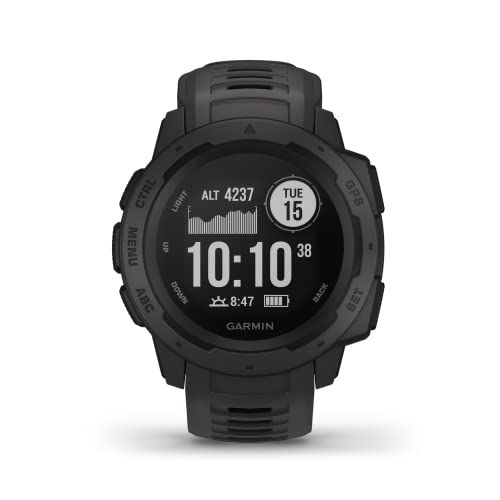
Garmin Instinct Rugged Outdoor GPS Watch (Graphite, Renewed)

Garmin GPSMAP 64st TOPO U.S. 100K Handheld GPS
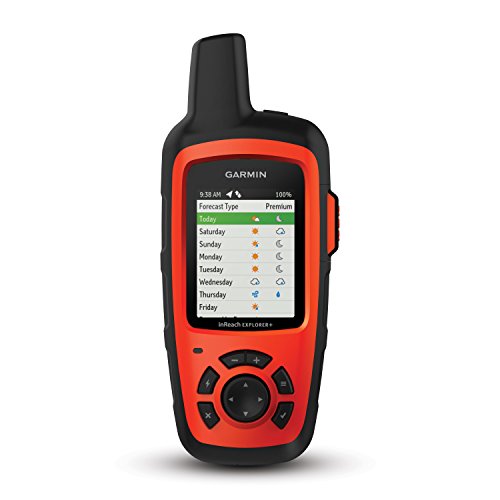
Garmin inReach Explorer+ Satellite Communicator with Topo Maps

Garmin inReach Mini 2 Satellite Communicator (Orange)

Garmin Foretrex 401 Waterproof Hiking GPS
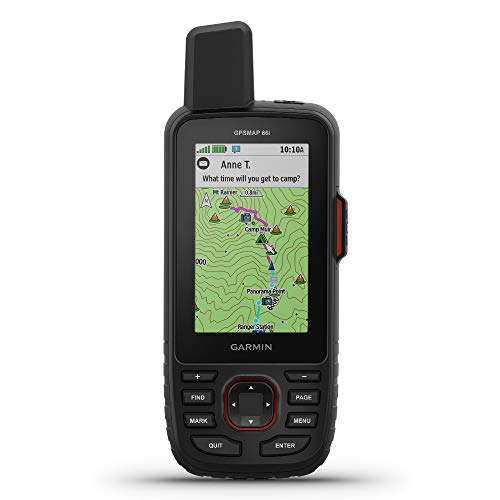
Garmin GPSMAP 66i GPS Handheld and Satellite Communicator

Auto Meter 5289 GPS Speedometer Interface Module
Meet The Standout Selections
This Flame Red bundle ships the Mini 2 paired with a charging cable, USB car adapter, microfiber cloth, and a portable power bank, which is the kind of kit you actually want on opening day. The unit itself is tiny, fits on a pack strap, and triggers an interactive SOS to a 24/7 staffed coordination center when something goes sideways.
Compared to a traditional handheld, the Mini 2 leans on satellite networks for two-way text and SOS rather than dense topo cartography. For solo hunters working remote ridges or chasing elk in drainage basins out of cell range, that tradeoff usually pays off. The included power bank adds a buffer for multi-day trips when recharging from a truck or wall outlet is not on the schedule.
Real Benefits
- Two-way satellite texting keeps family and hunting partners updated when cell coverage drops off the map.
- Interactive SOS reaches a staffed response team around the clock, which can dispatch local search resources.
- Bundled accessories including a portable power bank reduce the gear you need to pack separately.
- TracBack routing retraces your path back to camp or the trailhead when fog rolls in.
Trade-Offs To Consider
- An active satellite subscription is required, so factor ongoing service costs into the purchase.
- Some jurisdictions restrict satellite communication devices, so check local regulations before season.
Feature Snapshot
Who It Suits Best
Solo backcountry hunters and out-of-state elk hunters who venture beyond cell coverage and want a compact lifeline plus navigation in one pocket-sized unit.
Swap It Out When
Hunters who need rich topo detail on a larger screen should consider the Garmin GPSMAP 66i instead.
The GPSMAP 64s leans on a quad-helix antenna (a four-arm receiver element that pulls in satellite signals from more directions) and dual GPS plus GLONASS constellation tracking, which is the spec that really matters when you push into thick pine and north-facing draws. The 2.6-inch color screen stays readable in midday glare, and the device adds a 3-axis compass with barometric altimeter for hunters who read terrain rather than follow trails.
Where the Mini 2 is a satellite messenger first, the 64s is a navigation tool first. Hunters running long routes, returning to multiple stand sites in one season, or mapping property lines for private-land leases will appreciate the depth of data this handheld manages. You can sideload TOPO maps and pair ANT+ sensors (a wireless protocol for heart rate and cadence devices) and Bluetooth smart notifications, layering in heart rate or weather data while hunting.
Standout Benefits
- High-sensitivity receiver plus GLONASS tracking locks position faster under heavy tree canopy.
- 2.6-inch sunlight-readable color display lets you check maps at midday without shading the screen.
- 3-axis compass and barometric altimeter add a layer of situational awareness on rolling terrain.
- Bluetooth smart notifications connect the handheld to your phone for incoming call and message alerts.
Honest Caveats
- No built-in satellite SOS, so this unit complements rather than replaces an inReach-style communicator.
- Battery life in cold weather tends to shorten, so carry spare AAs on multi-day trips.
Key Specs
Built With In Mind
Hunters covering large parcels or working dense timber who want reliable position lock and a serious compass in a glove-friendly handheld.
Look Elsewhere When
Hunters who also want emergency satellite communication should reach for the Garmin GPSMAP 66i, which folds in inReach capability.
The Instinct is built to US Military Standard 810G for thermal, shock, and water resistance, which translates to a watch that shrugs off pack strap rubs, creek crossings, and cold-weather hunts. Its 1.27-inch display sits on the wrist, freeing up your hands for binoculars or a bow. GPS plus GLONASS plus Galileo (the European satellite network, which improves accuracy in the northern sky) tracking and a 3-axis compass keep your orientation visible without pulling a handheld from your pack.
Where the 64s lives on a lanyard, the Instinct lives on the wrist. Spot-and-stalk hunters moving through varied terrain appreciate having navigation, heart rate data, and smart notifications on a glance-down screen. The Renewed listing lowers the entry cost for hunters willing to accept a refurbished unit in exchange for a tighter budget.
Everyday Perks
- Wrist-based navigation means your GPS stays visible while both hands stay on a rifle, bow, or trekking poles.
- Military-grade construction handles drops, cold soak, and 100-meter submersion without flinching.
- Multi-network satellite support (GPS, GLONASS, Galileo) tightens position accuracy in tricky terrain.
- Heart rate monitoring adds a training data layer for hunters who hike hard between glassing points.
Small Caveats
- Renewed condition may include minor cosmetic wear that does not affect function.
- Small display limits map detail compared to a handheld GPSMAP.
Made For
Run-and-gun spot-and-stalk hunters and backpack hunters who want navigation and biometrics on the wrist without hauling a dedicated handheld.
A Better Fit Elsewhere
Hunters planning to mark many waypoints and view detailed topo maps should consider the Garmin GPSMAP 64st, which offers a bigger screen and preloaded cartography.
The 64st steps up from the 64s by preloading TOPO U.S. 100K maps (medium-detail contour terrain covering the continental United States), which means contour lines, trail networks, and elevation data are already on the device out of the box. Hunters planning multi-day backcountry routes across unfamiliar national forest or BLM land save the time and cost of buying maps separately. The 2.6-inch color display stays readable under bright midday sun.
Compared to the Instinct, the 64st trades wrist convenience for a larger map canvas and richer cartography. The IPX7 water rating (submersible to 1 meter for 30 minutes) and dual-battery system (AA or optional NiMH) give you flexibility on long trips. ANT+ sensor support and Bluetooth smart notifications round out a unit that feels more like a handheld computer than a waypoint collector.
A Few Highlights
- Preloaded TOPO U.S. 100K maps cover most continental hunting grounds without extra purchases.
- 8 GB of internal memory holds extra regional maps and custom waypoint libraries.
- Dual-battery system runs on AA cells or an optional rechargeable NiMH pack.
- 16-hour battery life handles full-day hunts with margin for extended glassing sessions.
Possible Compromises
- Preloaded maps cover the U.S. only, so hunters heading into Canada or Alaska need to load additional cartography.
- No satellite SOS, so pairing with a communicator is the safer play in true wilderness settings.
Quick Facts
The Right Fit
Western hunters and DIY public-land wanderers who want detailed topo data and full-day battery life without buying maps separately.
Not Your Match When
Hunters needing a single device for both navigation and emergency satellite SOS should consider the Garmin inReach Explorer+ instead.
The Explorer+ combines full Iridium satellite coverage (the global constellation used by most handheld satellite messengers) for two-way texting and SOS with onboard topo mapping and GPS navigation. You get both a handheld map screen and a satellite lifeline in one device, which simplifies packing for remote trips. The preloaded TOPO maps add a layer of context that pure messengers like the Mini 2 lack.
Where the Mini 2 is a pocket-sized beacon first, the Explorer+ is closer to a do-it-all unit. Outfitters, guides, and multi-day backpack hunters who want navigation plus emergency response in one body will appreciate the integration. Active satellite subscription applies, and some jurisdictions restrict these devices, so check local rules.
Real-World Strengths
- Global Iridium satellite coverage delivers two-way text messaging from anywhere with sky view.
- Preloaded topo maps provide terrain context alongside satellite communication.
- Integrated interactive SOS routes through a staffed response center for true emergencies.
- One-device solution simplifies pack weight and charging routines for multi-day hunts.
Worth Bearing In Mind
- Bigger and heavier than the Mini 2, so plan your pack layout accordingly.
- Subscription fees apply, and the device cost plus service adds up over time.
Best Suited To
Multi-day wilderness hunters, guides, and outfitters who want a hybrid navigator and satellite communicator in one rugged handheld.
Reach For A Different Pick When
Minimalists who just need an emergency lifeline should consider the Garmin inReach Mini 2 Satellite Communicator (Orange) for its smaller pack footprint.
The Orange Mini 2 strips the package down to the bare essentials: a compact satellite communicator that delivers two-way text, interactive SOS, and TracBack routing without bundled extras. Its lighter profile suits hunters who already own quality USB-C cables and portable batteries and just want the messenger itself.
Compared to the Flame Red bundle covered earlier, this listing costs less up front but skips the included power bank and car adapter. For day-hunters, tree-stand hunters on short walks, and minimalist backpackers, that tradeoff is worth it. The Mini 2 retains Bluetooth connectivity for smartphone pairing and route planning through the Garmin Explore app.
Useful Highlights
- Compact and lightweight build slips onto a pack strap or chest harness without bulk.
- Two-way satellite messaging and interactive SOS cover the core safety needs.
- TracBack routing guides you back to your starting point through unfamiliar terrain.
- Bluetooth pairing with the Garmin Explore app makes route planning easier from home.
Trade-Offs To Consider
- No bundled charging accessories means picking up a compatible cable and battery separately.
- Subscription fees apply, and you will want to compare service tiers before opening day.
Feature Card
Who Should Grab It
Mobile hunters and ultralight backpackers who want core satellite communication without extras and already own charging gear.
Consider Something Else When
Hunters who prefer a wrist-based format should look at the Garmin Instinct Rugged Outdoor GPS Watch instead.
The Foretrex 401 is a wrist-mounted navigator that has been on the market long enough to earn its keep. It uses a high-sensitivity GPS receiver with HotFix technology (a satellite prediction algorithm that shortens position lock times after long storage) and stores routes, tracks, and waypoints on a simple LCD. Two AAA batteries keep it running, so swapping cells in the field is straightforward.
Where the Instinct runs a color screen and modern sensor stack, the Foretrex leans into simplicity. Entry-level hunters, kids learning land navigation, and budget-minded sportsmen who want basic waypoint tracking without subscriptions get everything they need here. The waterproof build handles rain and stream crossings without drama.
Practical Pluses
- Wrist-mounted format keeps navigation visible while keeping your hands free.
- High-sensitivity receiver with HotFix shortens position lock in heavy tree cover and deep canyons.
- TracBack feature retraces your path on the easy-to-read LCD.
- Standard AAA batteries are easy to find at any convenience store on a road trip hunt.
Honest Caveats
- Lower-resolution monochrome display limits map detail compared to modern color handhelds.
- Optional heart rate monitor sold separately, so factor that into budget if relevant.
Spec Overview
Perfect Match For
Entry-level hunters, training new navigators, and budget-conscious sportsmen who want a proven waterproof wrist unit without subscription costs.
Where Another Pick Suits Better
Hunters wanting color maps and modern smartwatch features should look at the Garmin Instinct instead.
The 66i pairs a large 3-inch sunlight-readable color display with inReach satellite technology for two-way texting and SOS. Preloaded TopoActive mapping covers routing, trails, and elevation, while the button-operated body handles cold-weather use with gloves better than touchscreen units. It is the closest thing on this list to a full-size field computer.
Compared to the Explorer+ covered earlier, the 66i bumps screen size and adds modern wireless features. Guides, outfitters, and serious backcountry hunters running larger route networks benefit from the extra screen real estate. The trade-off is weight and pack space, but for users who spend days in the field, that bulk pays back in usable map detail.
Points In Its Favor
- 3-inch sunlight-readable color display makes route review and waypoint management easier on the eyes.
- inReach technology enables two-way messaging and interactive SOS through a satellite subscription.
- Preloaded TopoActive mapping covers trails, roads, and elevation out of the box.
- Button-operated design handles cold-weather and gloved use more reliably than touchscreens.
Practical Considerations
- Larger body adds weight compared to Mini-style communicators, so plan pack space.
- Satellite subscription required for messaging and SOS features.
Product Snapshot
Whose Shelf It Belongs On
Backcountry guides, outfitters, and serious hunters running multi-day routes who want the biggest screen paired with satellite communication.
Skip It When
Hunters who prioritize a featherweight carry should consider the Garmin inReach Mini 2 Satellite Communicator (Orange) instead.
The Auto Meter 5289 is a plug-and-play GPS speedometer interface, the kind of gear that solves a vehicle-specific problem rather than a backcountry one. It pairs with Auto Meter electric speedometers and offers a one-touch calibration process that takes seconds. Hunters running ATVs, side-by-sides, or modified trucks for lease access roads get accurate speed readings without swapping rear-end gear ratios.
Compared to the GPSMAP handhelds and inReach communicators above, this module fills a narrow niche. The 10 Hz signal update rate (ten refreshes per second, which is faster than typical GPS pings) keeps the speed needle steady on rough terrain, and the included magnetic micro antenna is sealed against moisture and paintable to match your rig.
Reasons It Performs
- Plug-and-play setup with compatible Auto Meter electric speedometers simplifies installation.
- 10 Hz update rate delivers a steady, responsive needle on rough roads and trails.
- Sealed and paintable magnetic micro antenna tucks under the dash or bodywork without weather worries.
- One-touch calibration saves time when swapping tire sizes or gear ratios.
Potential Sticking Points
- Designed specifically for Auto Meter electric speedometers, so compatibility with other brands is limited.
- This is a vehicle accessory, not a handheld navigation tool for the field.
Right Fit For
ATV, side-by-side, and truck owners using Auto Meter speedometers who need accurate GPS-based speed for trailering, lease roads, or off-road work.
A Better Fit Elsewhere
Hunters needing handheld navigation should look at the Garmin GPSMAP 64s or the Garmin GPSMAP 64st for field use instead.
Key Features That Matter When Picking a Hunting GPS
Mapping Detail vs. Weight Trade-Off
Handhelds like the GPSMAP 64st preloaded with TOPO U.S. 100K data deliver richer contour lines and trail networks, but they also weigh more and take up pack space. Smaller units like the Mini 2 keep weight low but show only basic breadcrumb routes. Hunters covering familiar ground may prefer lighter gear; hunters pushing into new terrain usually want every contour line they can get.
Satellite Networks and Reception Quality
GPS is the standard, but GLONASS and Galileo support tighten accuracy in heavy canopy and steep terrain. A quad-helix antenna design, like the one in the GPSMAP 64s, pulls in signals from more angles and shortens lock times after a cold start. For hunters in dense pine or north-facing draws, those extra networks and the right antenna make a real difference.
Power Source and Field Serviceability
AA-powered units like the Foretrex 401 and the GPSMAP 64st let you swap batteries at any gas station. Rechargeable units like the Instinct and the Mini 2 keep weight low but require charging infrastructure. Multi-day hunters often carry a portable power bank plus a cable to cover both worlds.
Emergency Communication Layer
Pure navigation units get you home, but satellite communicators get you rescued. The inReach line covers both bases with two-way texting and interactive SOS. Hunters working alone in grizzly country or rough coastal terrain usually pair a navigator with a satellite messenger rather than relying on one device to do everything.
Pitfalls Worth Dodging and Where the Extra Money Goes
Mistakes Worth Dodging
Buying a handheld without checking subscription requirements catches many first-time shoppers. Satellite communicators like the Mini 2 and the Explorer+ need an active plan to function, while navigation-only units do not. Hunters also tend to underweight battery strategy, choosing a sleek rechargeable unit and finding out mid-trip that no outlet is anywhere nearby.
When Paying More Pays Off
Higher-tier handhelds like the GPSMAP 66i combine preloaded mapping, larger displays, and inReach safety features in one rugged body. The upgrade pays off for hunters who log many field days or work as guides, because a single integrated device simplifies charging, training, and pack layout. For weekend hunters on familiar ground, a mid-tier handheld often delivers everything that matters without the premium.
Frequently Asked Questions
Do hunting GPS units require a subscription? Navigation-only handhelds like the GPSMAP 64s and the Foretrex 401 do not require a subscription. Satellite communicators like the inReach Mini 2 and the GPSMAP 66i do require an active satellite plan for two-way messaging and SOS features to function.
How accurate are handheld GPS units in dense timber? Units with high-sensitivity receivers plus GLONASS or Galileo support, like the GPSMAP 64s and the Instinct, typically hold accuracy within a few meters under heavy canopy. Basic units without those networks may drift more in similar conditions.
Can a hunting GPS replace a smartphone for navigation? A rugged handheld typically holds signal and battery life longer than a phone in cold weather and remote terrain. Smartphones paired with offline maps work for casual outings, but dedicated handhelds and communicators offer better durability and emergency capability.
What is the difference between GPS, GLONASS, and Galileo? GPS is the U.S. satellite network, GLONASS is the Russian counterpart, and Galileo is the European system. Devices that track multiple networks combine signals from all three for faster position lock and better accuracy under canopy or in steep terrain.
Are GPS watches reliable enough for backcountry hunting? Wrist-based units like the Instinct deliver solid navigation for spot-and-stalk and route confirmation, though small screens limit detailed map reading. Hunters who need rich topo detail usually pair a watch with a handheld or rely on a full-size GPSMAP.