
Whether you’re pushing through frozen creek bottoms before sunrise or logging miles on a backcountry ridge, the right pair of boots changes everything. Cold feet, blisters, and ankle rolls end hunts early, while a good pair keeps you moving when conditions turn ugly. This roundup looks at eight hunting hiking boots built for serious outdoor use, from rubber-insulated classics to trail-ready hikers with crossover appeal.
How The Shortlist Stacks Up

MUCK Woody Max Insulated Boot

LaCrosse Cold Snap 9″ Hunting Boot

Kalkal 16″ Snake Boots for Men

Aigle Course 2 Vario Hunting Boot
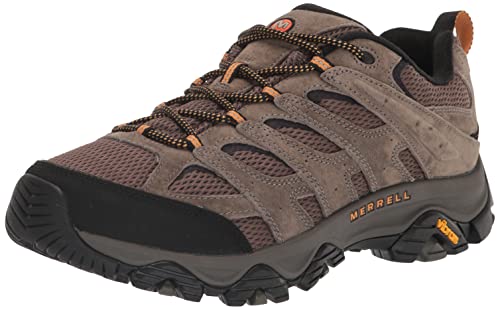
Merrell Moab 3 Hiking Shoe

Merrell Moab 3 Mid Hiking Boot

Merrell Moab 3 Mid Waterproof

Kalkal Insulated Rubber Snake Boot
A Deeper Look At The Lineup
Subzero stand sits and predawn walks to the blind demand a boot that traps heat without feeling like a block of ice. The MUCK Woody Max leans into that job with a high rubber shell and a fleece-lined interior built around 5 mm of internal neoprene, a synthetic rubber that holds insulating air pockets against the foot. The Mossy Oak Break Up Country camouflage pattern helps it disappear against late-season hardwood cover.
It shines in flooded timber, mud, and snowy food plots where waterproofing matters more than breathability. Hunters who park a truck and walk a short distance to a fixed stand will appreciate the warmth; those covering long miles on foot may find the weight noticeable by midday.
Features That Help
- Fleece lining layered over 5 mm neoprene holds heat in genuinely cold conditions
- Stretch-fit topline helps seal cold air out around the calf
- High-grade rubber exterior shrugs off standing water and wet brush
- 2 mm thermal foam barrier under the footbed adds a layer against frozen ground
- Tall shaft protects against waterline crossings and snow depth
Things To Consider
- Heavier than a traditional leather hunting boot, which may tire out active stalkers
- Limited breathability makes warm-weather use uncomfortable
Key Specs
Made For
Late-season hunters who sit still for hours in flooded timber or snow and need warmth above all else.
Look Elsewhere When
You cover long miles on dry terrain, where the LaCrosse Cold Snap offers a lighter insulated alternative.
Northern hunters chasing whitetails through frost-covered corn rows want insulation without the bulk of a full knee-high rubber. The LaCrosse Cold Snap sits at a 9-inch shaft height, which lands it in a useful middle zone: tall enough to keep snowmelt out, low enough to walk without leg fatigue. The 2000G Thinsulate Ultra rating signals serious cold-weather performance; Thinsulate is a synthetic fiber insulation rated by gram weight, and 2000 grams is at the heavy end of the scale.
It carries an EVA footbed, a lightweight foam midlayer used in many hiking boots for shock dampening, paired with the brand’s Permafrost outsole for traction on frozen ground. The trade-off shows up in spring and early fall, where that much insulation runs hot.
Advantages To Know
- 2000G Thinsulate Ultra handles deep cold without excessive bulk
- Permafrost outsole grips icy patches and frozen mud
- EVA footbed reduces foot fatigue on longer approaches
- 9-inch shaft balances warmth with walking comfort
- Built for stationary hunts in serious cold
Points To Note
- Insulation level is overkill for anything but genuine subzero conditions
- Not designed for deep water crossings
Quick Facts
Best Suited To
Northern still-hunters and rifle hunters who brave single-digit temperatures and need serious insulation that won’t slow their walk.
Skip It When
You’re hunting warm-season turkey or early archery, where the Merrell Moab 3 Mid Waterproof will run cooler.
Southern hunters pushing through palmetto flats and CRP grass know that snakes are part of the deal. The Kalkal Snake Boots climb to 16 inches and use a layered construction aimed at blocking fangs from reaching skin, without the rigid feel of older snake-proof designs. Their lightweight build makes them friendlier on long walks than many full rubber options on this list.
Compared to the MUCK Woody Max, these run with a noticeably lighter step but sacrifice some cold-weather insulation. The field sole absorbs shock on uneven terrain, which matters when you’re crossing ditch banks and timber piles.
Reasons It Performs
- 16-inch shaft guards against snake bite in tall grass and brush
- Lightweight build reduces leg fatigue over long stalks
- Shock-absorbing field sole cushions rough, rooty ground
- Anti-slip outsole pattern grips damp leaves and creek edges
- Versatile enough for fishing and farm work beyond hunting
Honest Caveats
- Limited insulation, so cold-weather hunters will need thick socks
- Breathability can suffer in summer heat during long, slow stalks
Whose Shelf It Belongs On
Warm-season hunters in snake country who want protection without the weight of a full rubber boot.
A Better Fit Elsewhere
Late-season hunters in snow should look at the Kalkal Insulated Rubber Snake Boot, which adds neoprene warmth.
The Aigle Course 2 Vario comes from a French heritage maker with a long reputation for handcrafted rubber boots, which sets it apart from most options on this list. Its construction leans on natural rubber with attention to fit and finish you don’t always find in mass-market hunting boots. For hunters who spend serious hours in marshes, beaver flowages, and tidal flats, the waterproof build and time-tested outsole earn attention.
Unlike the MUCK Woody Max’s neoprene-heavy design, the Course 2 Vario keeps things straightforward with a unisex fit that some find roomier through the forefoot. The catch is cost and weight: this is a heavier boot, and the price reflects the craftsmanship.
Strengths Worth Knowing
- Handcrafted natural rubber construction holds up season after season
- Fully waterproof for marsh and shallow-water approaches
- Unisex sizing offers flexibility for shared use
- Time-tested outsole grips slick mud and rocks
Things To Weigh
- Heavier than most synthetic alternatives
- Premium pricing puts it out of reach for casual hunters
- Limited cold-weather insulation
Perfect Match For
Waterfowl hunters and wetland stalkers who log in hours of muddy, wet walking and want a boot built to last.
Where A Sibling Pick Shines
Late-season deer hunters needing warmth should reach for the LaCrosse Cold Snap, which adds serious insulation.
Not every hunt calls for a tall insulated boot. Early-season spot-and-stalk work in dry terrain or desert hunting often rewards a low-profile hiking shoe that disappears on your foot. The Merrell Moab 3 Hiking Shoe slots into that role, building on a long-running Moab heritage that became a fixture on trailheads worldwide. The shoe format keeps it breathable, and the out-of-box feel needs almost no break-in.
Compared to the LaCrosse Cold Snap, this is a completely different animal: lighter, cooler, and far less protective. It earns its place for hunters whose terrain and season don’t demand waterproof rubber.
Practical Advantages
- Lightweight low-cut design reduces fatigue over long days
- Comfortable enough to wear straight out of the box
- Breathable construction handles warm-weather stalking
- Versatile enough for everyday trail use beyond hunting
Trade Offs
- No waterproof membrane or insulation for wet or cold conditions
- Low-cut shaft leaves ankles exposed on rough terrain
- Provides no protection against snakes or heavy brush
Feature Snapshot
Who Should Grab It
Early-season hunters covering ground in dry, mild conditions who want a do-it-all trail shoe.
Consider Something Else When
You’re heading into wet brush or snake country, where the Kalkal 16″ Snake Boots will keep you safer.
The mid-cut sibling to the Moab 3 shoe adds ankle coverage without giving up the trail-ready feel that made the Moab line famous. Hunters packing into backcountry camps or hiking up ridge glassing points benefit from the extra stability around the ankle. It carries forward the Moab heritage of immediate comfort, so it works well as a multi-day hunt boot.
It splits the difference between the low-cut Moab 3 and a dedicated heavy hunting boot like the MUCK Woody Max. Lighter than rubber, more protective than a shoe, and ready for moderate terrain.
What Works In Its Favor
- Mid-cut shaft supports ankles on uneven terrain
- Comfortable enough to skip the usual break-in window
- Lighter than full rubber hunting boots
- Crossover design works for hiking outside of hunting
Less Ideal Details
- Lacks a waterproof membrane, so wet grass will soak through
- Not insulated for genuine cold-weather hunts
- Limited protection in snake-heavy terrain
The Right Fit
Mid-season spot-and-stalk hunters who pack gear into remote camps and want trail comfort with ankle support.
Reach For A Different Pick When
You’re hunting in wet shoulder season, where the Merrell Moab 3 Mid Waterproof adds critical weather protection.
Wet November mornings and rain-soaked oak stands turn a regular mid-cut into a miserable experience. The Merrell Moab 3 Mid Waterproof adds a waterproof membrane to the Moab 3 mid platform, sealing out puddle splashes and dew-heavy grass. It still keeps the trail-friendly weight and immediate comfort the Moab line built its name on.
This is the natural upgrade pick for hunters who already like the standard Moab 3 Mid but face wetter conditions. It doesn’t carry the heavy insulation of the LaCrosse Cold Snap, but for shoulder-season warmth, it strikes a useful balance.
What Stands Out
- Waterproof membrane keeps feet dry through wet brush and shallow crossings
- Mid-cut shaft supports ankles over roots and rocks
- Comfortable from the first mile
- Doubles as a daily hiking boot
Practical Considerations
- No insulation, so it won’t cut it in deep cold
- Waterproof membrane reduces breathability in warm weather
- Doesn’t protect against snake bite
Spec Overview
Built With In Mind
Shoulder-season hunters facing rain, snowmelt, and wet grass who want trail comfort with weather protection.
Swap It Out When
You’re heading into late-season cold, where the LaCrosse Cold Snap provides the insulation you’ll actually need.
Hunters who deal with venomous snakes and cold weather in the same calendar year used to need two separate boots. The Kalkal Insulated Rubber Snake Boot bridges that gap by layering 5 mm neoprene into a tall, snake-resistant shaft. That makes it a useful year-round option for working ranches, dove fields, and early-season deer hunting where copperheads or rattlesnakes are part of the landscape.
It shares the rubber-and-neoprene DNA of the MUCK Woody Max but trades the Mossy Oak camo for a more general-purpose profile. The anti-slip outsole handles muddy stock tanks and slick creek crossings alike.
Everyday Perks
- Snake-resistant shaft protects against bites in tall grass
- 5 mm neoprene adds cold-weather insulation
- Rubber build is fully waterproof for marshy terrain
- Anti-slip outsole grips slick and muddy ground
- Versatile for farming, gardening, and fishing too
Where It May Fall Short
- Bulky compared to a hiking boot, which adds fatigue on long walks
- Limited breathability makes summer midday use uncomfortable
- Heavier than the non-insulated Kalkal Snake Boot
The Details
Who Will Love This
Ranchers and multi-season hunters who need snake protection and cold insulation in a single boot.
Where Another Pick Suits Better
Speed-focused spot-and-stalk hunters will prefer the Merrell Moab 3 Mid Waterproof for its lighter weight.
Choosing The Right Boot For Your Hunt
Picking the right hunting hiking boots comes down to matching conditions, terrain, and how you actually hunt. Insulation matters most when you’re sitting still in cold weather, but a 2000G Thinsulate boot will roast your feet on a September walk. Think about your average season temperature before chasing gram ratings.
Terrain drives the next decision. Wet, marshy ground and standing water call for waterproof rubber or neoprene, while dry ridges and desert terrain favor breathable hiking designs. Snake country adds another layer, literally, since taller shafts with snake-resistant construction matter more than they do in snake-free areas.
Your hunting style changes everything. Stand hunters who park and walk short distances can handle heavier, insulated rubber boots. Active spot-and-stalk hunters covering miles each day need lighter, more breathable builds that won’t wear them down. Pack-in hunters heading to remote camps should weigh comfort and break-in time alongside protection.
Boot height affects ankle support and protection. Low-cut hiking shoes keep things light but leave ankles exposed. Mid-cut boots balance support with flexibility, while tall shafts and rubber boots offer the most protection against water, snow, and brush but add weight. Match the shaft to your terrain and the threats you’ll encounter, and you’ll narrow the field fast.
Sole traction and outsole pattern often get overlooked until you’re slipping on a frozen hillside. Lug depth, rubber compound, and pattern spacing all matter. A hunting boot that excels in soft mud may feel clumsy on rocky terrain, so consider your most common hunting surface before committing.
Key Considerations Across These Picks
Traps First Timers Fall Into
Choosing boots by insulation rating alone is a common mistake. A 2000G boot sounds impressive on paper, but wearing one on a 50-degree October morning leaves you with soaked socks and blisters. Match the boot to your average season temperatures, not the worst-case scenario you’ve read about.
Another trap is ignoring fit because a boot looks right online. Feet swell during long hunts, so sizing up by a half-size for thick socks usually pays off. Walking around a carpeted room in the boots for a few minutes before any commitment helps catch pressure points that wouldn’t show up otherwise.
Where The Extra Money Goes
Premium boots justify their cost through materials and construction. The Aigle Course 2 Vario’s handcrafted rubber and the LaCrosse Cold Snap’s heavy Thinsulate rating cost more because they use better raw materials and tighter build standards. Higher-tier boots often last several seasons longer, which offsets the upfront cost over time.
The upgrade matters most for hunters who log real hours in their boots. Casual weekend hunters may not need premium features, but anyone facing long days in tough conditions benefits from the durability and protection that higher pricing brings.
Frequently Asked Questions
How do I choose between rubber hunting boots and leather hiking boots?
Rubber boots excel in wet, marshy, or snake-prone terrain because they’re fully waterproof and easy to clean. Leather or synthetic hiking boots breathe better, weigh less, and suit dry ridge hunting and longer walks. Choose based on your most common terrain rather than your worst-case scenario.
What insulation level do I need for cold-weather hunting?
Insulation needs depend on how still you sit and how cold your typical season runs. Stand hunters in single-digit temperatures benefit from 1000G to 2000G Thinsulate, while active hunters in 20 to 40 degree weather often do better with 400G or less. Over-insulated boots cause sweat, which cools you faster than cold air.
Are snake boots really necessary?
Snake boots matter most in regions with venomous species like copperheads, cottonmouths, or rattlesnakes. Hunters in the upper Midwest, Northeast, or Mountain West often face minimal snake risk, while southern hunters deal with snakes regularly. Tall shafts and puncture-resistant materials can prevent a serious medical emergency.
How long should hunting boots last?
Most quality hunting hiking boots last two to four seasons of regular use before outsoles wear down or waterproofing fades. Rubber boots often outlast leather or synthetic builds because there’s less to break down. Rotating between two pairs and drying them thoroughly between hunts extends their life considerably.
Can I use hiking boots for hunting?
Hiking boots work well for early-season hunting in dry terrain, especially for spot-and-stalk hunters covering ground. They lack the waterproofing, insulation, and snake protection of dedicated hunting boots, so they’re a poor match for late-season, wet, or snake-prone conditions.