
Most women who spend real time outside, whether pedaling singletrack, grinding out a marathon training block, or just chasing a long day on the trail, eventually learn the same hard truth: water bottles crammed in jersey pockets or side pockets bounce, leak, and slow you down. A purpose-built pack solves the problem quietly. The picks below cover mountain biking, long-distance trail running, day hiking, and tactical-style use, so you can match the pack to the way you actually move.
How The Shortlist Stacks Up
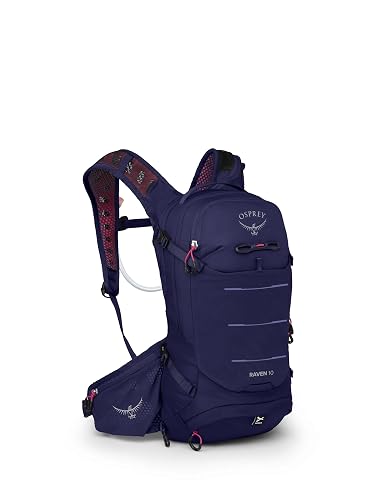
Osprey Raven 10L Women’s Mountain Biking Backpack

Gregory Juno 30L Women’s Hydration Backpack (Laguna Blue)

MARCHWAY Tactical Molle Hydration Pack with 3L TPU Bladder
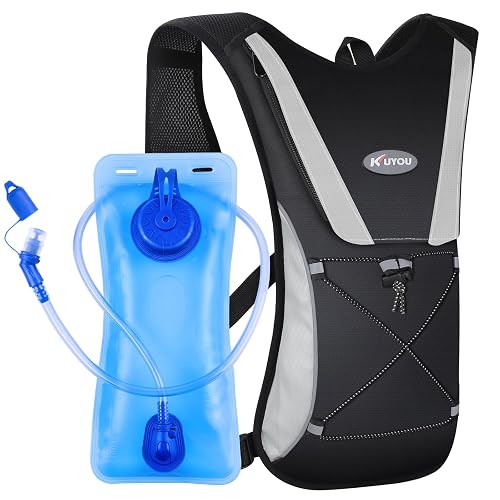
KUYOU Running Hydration Vest with 2L Bladder
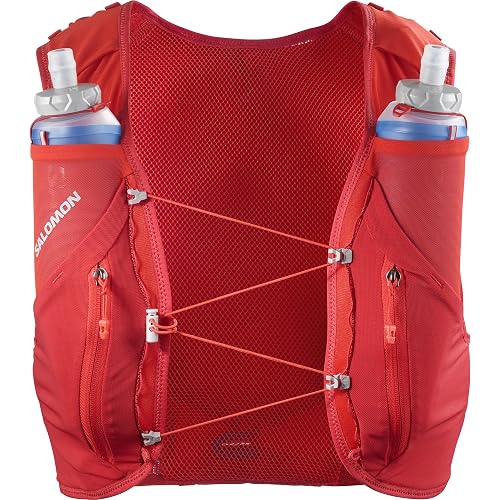
Salomon Adv Skin 12 Hydration Trail Running Vest

CamelBak Cloud Walker 18 Hydration Backpack
Meet The Standout Selections
The Osprey Raven 10L is built for women who actually ride rough terrain, not paved rails-to-trails. Its winged shoulder harness and airmesh hipbelt wrap the torso in a way that limits barrel roll when the line ahead gets choppy, which matters more than raw capacity on technical descents. The 10-liter shell swallows a half-day of kit, while the included Hydraulics reservoir handles the drinking side of the equation.
Where it earns its reputation is the bike-specific layout: a roll-out tool organizer, helmet attachment points, and a structured back panel that doesn’t collapse into a sweaty sponge. Compared with the more general-purpose picks later in this list, the Raven is uncompromisingly a mountain biking tool. If your weekend is shuttle laps and root-strewn climbs rather than lakeside loops, that focus is exactly the point.
Where It Excels
- Winged harness and airmesh hipbelt hold the pack stable through chunky descents, where generic daypacks tend to shift.
- Roll-out tool organizer means trailside fixes don’t turn into a dump-everything hunt.
- 10-liter capacity covers a full ride kit plus layers without overstacking against the back.
- Hydraulics reservoir slots in via a dedicated sleeve, so the water system stays separate from gear.
Things To Consider
- At 10 liters, the Raven runs out of room for full-day bikepacking loads, so long tours push you toward the Gregory Juno reviewed next.
- Owners commonly report the hydration hose routing can feel stiff on first rides until the bite valve breaks in.
- The bike-specific harness design is less comfortable for foot-based travel, which matters on hike-a-bike sections.
Key Features
Who It Suits Best
Women riding real mountain bike terrain who want gear organization and torso stability on rough trails.
Consider Something Else When
Pick the Gregory Juno 30L instead if your day mostly involves long foot-based hikes where you need full backpack capacity plus a reservoir.
The Gregory Juno 30L is a different animal from the trail-running vests in this list. It’s a women’s-fit daypack first, with a full 3-liter hydration system integrated as a serious subsystem rather than an afterthought. That split matters on long day hikes where you’re carrying a rain shell, lunch, and layers alongside a meaningful water load.
The harness uses an ActiveFlex design with a magnetic sternum buckle, which snaps back into place after you pull the bite valve for a drink. VaporSpan back panel ventilation keeps airflow moving across the lumbar region. Against the Osprey Raven above, the Juno trades bike-specific stability for general-purpose volume, and the trade is the right one for hikers, fast-packers, and anyone whose day on the trail involves more than two hours of climbing.
Key Advantages
- 3D Hydro reservoir with integrated handle and drying hanger cuts down on the musty-bladder problem that plagues most packs.
- ActiveFlex harness with magnetic sternum buckle makes one-handed drinking possible, even mid-stride.
- 30-liter capacity handles a full day of layers, food, and rain gear without compression against the back.
- VaporSpan ventilated suspension with moisture-wicking mesh helps on warmer hikes.
Points To Keep In Mind
- 30 liters is overkill for short loop hikes, so the pack can feel bulky on casual outings.
- The Drylock bite valve system takes a couple of refills to dial in the leak-free seal.
The Right Fit
Women tackling multi-hour hikes who want a true daypack volume plus a serious reservoir system in one piece.
Look Elsewhere When
Reach for the KUYOU Running Hydration Vest if your miles are mostly on foot at a jog, since the Juno will feel heavy and overbuilt on a road run.
The MARCHWAY Tactical Molle pack leans into a mil-spec aesthetic that has quietly migrated from range bags into trail daypacks. Its compact shell measures roughly 19.5 by 8.7 by 2.6 inches, a sculpted profile that sits close to the torso and avoids the bowling-ball-on-back feeling some larger packs create. The included 3-liter TPU (thermoplastic polyurethane, a tougher, more flexible plastic than standard PVC) bladder outclasses many stock reservoirs in the same price tier.
What makes this pack work across categories, from cycling to hiking to running, is the strap system. Adjustable sternum, waist, and shoulder straps work together to dial in fit, and the air-mesh back panel handles heat better than the solid panels on older tactical packs. If you split your outdoor time between several activities and want one bag that can swing from a hike to a long bike commute, the MARCHWAY is a reasonable compromise.
Positive Takeaways
- Sculpted 19.5-by-8.7-inch profile keeps weight centered and limits side-to-side sway on the bike.
- TPU bladder holds up better to temperature swings and rough handling than the PVC (polyvinyl chloride) bladders that ship with many budget packs.
- Molle webbing on the front panel accepts add-on pouches, so the pack scales with your kit needs.
- Air-mesh back panel offers real airflow, which matters when the pack doubles as a commuter bag.
Worth Noting
- It isn’t women’s-specific, so torso length may run long on shorter frames and the harness can sit high under load.
- The mil-spec look is polarizing; if you want a pack that disappears visually on a casual hike, the styling works against you.
- Owners commonly report the bladder tube routes awkwardly without the included clip, so the routing takes getting used to.
Whose Shelf It Belongs On
Women who bounce between hiking, biking, and range or training days and want one hydration pack that handles all three.
Swap It Out When
Pick the Osprey Raven 10L if your outdoor time is almost entirely on the mountain bike, since the Raven’s women’s fit and bike-specific harness outperform this pack on rough descents.
The KUYOU vest is the entry point on this list, and it isn’t pretending to be anything else. For runners, hikers, and cyclists who want a hands-free drinking setup without committing to a premium price, the 2-liter insulated bladder and adjustable chest-and-waist straps cover the basics. The vest silhouette keeps weight off the shoulders and centered on the chest, which matters on long runs where shoulder fatigue compounds.
Storage is the highlight. Two elastic shoulder pockets hold 500 ml bottles or gels, a zippered phone pocket keeps your device secure, and the main compartment swallows a light shell. Compared with the Salomon Adv Skin 12 reviewed below, the KUYOU gives up a lot of refinement, but the trade is acceptable if you’re building a routine and don’t yet know what features you actually need.
Notable Upsides
- Insulated bladder compartment slows temperature gain in summer, so water stays cooler on long runs.
- Elastic shoulder pockets put gels and a small bottle within reach without breaking stride.
- Adjustable chest and waist straps let the vest lock down for runners with narrower torsos.
- Reflective trim on the exterior helps with low-light visibility, useful for early-morning or evening miles.
Honest Caveats
- At the budget tier, the bladder seal can be inconsistent out of the box, so a quick leak-test before the first real run is wise.
- The vest’s fabric is thinner than premium running vests, so abrasion on rocky trails shows up faster.
Best Suited To
New runners and budget-focused shoppers who want a usable hydration setup before committing to a premium vest.
Reach For A Different Pick When
Move up to the Salomon Adv Skin 12 once your mileage climbs past a few hours and you need race-grade storage layout and fit.
The Salomon Adv Skin 12 is the vest that turned hydration packs into a category of their own. The 12-liter version is built for demanding endurance events, and the design brief is unmistakable: stay out of the runner’s way for 60+ kilometer efforts. Storage pockets sit where hands expect them, soft flasks (collapsible bottles carried in the front pockets) load from the front, and the back panel holds rain layers without ballooning the silhouette.
Where this vest earns its place on a women’s hydration list is the fit refinement. The harness is built to lock the load against the upper back, which is a more secure carry than a standard backpack strap system on technical downhills. Compared with the KUYOU vest reviewed above, the Salomon is a serious upgrade in material quality, pocket layout, and bounce control, but the price gap reflects that.
Strengths Worth Knowing
- 12-liter volume is well matched to longer trail days, with separate sleeves for soft flasks and a reservoir.
- Updated harness design limits vertical bounce on technical downhills, which is the most common complaint about generic running vests.
- Front pocket layout means gels, phone, and salt tabs stay accessible without removing the pack.
- Lightweight construction keeps the empty pack weight low, an important detail for runners counting every gram.
Less-Strong Areas
- Listed as unisex, so women with shorter torsos may need to size down and test fit carefully before committing to a race.
- Storage is optimized for running; the vest is less comfortable for casual day hiking where a deeper main compartment would be useful.
- Premium pricing puts it out of reach for shoppers just starting a running routine.
Quick Technical Notes
Made For
Trail runners building mileage and tackling long efforts who need a vest that disappears once the pace picks up.
A Better Fit Elsewhere
Choose the CamelBak Cloud Walker 18 if most of your outdoor time is hiking rather than running, since the Cloud Walker’s daypack structure is friendlier for casual trail use.
The CamelBak Cloud Walker 18 is the most accessible pick on this list, and that is its real job. The Crux reservoir holds 85 ounces (a little over 2.5 liters), the Air Support back panel uses body-mapping to put ventilation where sweat collects, and the pack itself swallows a half-day of hiking essentials. CamelBak is the brand that essentially created the hydration pack category, and the Cloud Walker is the distillation of that experience into a day-hiking-friendly format.
For most women who just want a pack that works without becoming a project, the Cloud Walker is the shortest path. Side cargo pockets and compression straps keep gear under control, and the lightweight build avoids the bulky feel that haunts larger daypacks. Against the Gregory Juno 30L reviewed earlier, the Cloud Walker trades absolute volume for a lighter, more streamlined carry on shorter hikes.
Well-Handled Touches
- 85-ounce Crux reservoir is the largest on this list short of the MARCHWAY, so refill stops are fewer on long summer hikes.
- Air Support back panel uses body-mapping to channel airflow across the lumbar region where most packs trap heat.
- Side cargo pockets and compression straps keep layers and snacks accessible without digging through the main compartment.
- Lightweight overall build avoids the top-heavy feel that larger daypacks develop once the reservoir is full.
Trade-Offs
- At 18 liters, the Cloud Walker is right-sized for day hikes, not multi-day trips where you’d want a 30-liter-plus shell.
- Construction uses lighter materials than the Gregory Juno, so long-term abrasion resistance is a watch-item on rocky terrain.
Feature Snapshot
Who Should Grab It
Day hikers and casual trail users who want a straightforward, well-ventilated hydration pack that doesn’t require a learning curve.
Where Another Pick Suits Better
Move up to the Gregory Juno 30L if your hikes stretch into full-day territory where you need to carry more layers, food, and gear.
What Matters Most Before Choosing Hydration Backpacks For Women
Reservoir Capacity Versus Pack Volume
Reservoir size and pack volume solve different problems, and a few shoppers conflate them. The reservoir answers “how long can I go between water sources,” while pack volume answers “how much gear can I carry.” A trail runner on a 20-kilometer loop may want a 12-liter vest with a 1.5-liter bladder. A day hiker tackling a six-hour ridge walk wants 18 to 30 liters of pack space and a 2.5 to 3-liter reservoir. Match each to the activity, not the marketing copy.
Fit Matters More Than Spec Sheets
Torso length, shoulder width, and hip shape vary widely, and those numbers matter more than any spec on a product page. Women’s-specific packs (the Osprey Raven and Gregory Juno in this list) use shorter back panels and contoured shoulder straps to avoid pressure points. Unisex packs like the Salomon Adv Skin 12 can work beautifully for women with longer torsos, but the fit needs to be tested with weight in the pack. A pack that feels fine empty may ride high or pinch once the reservoir is full.
Activity-Specific Features Earn Their Keep
Bike-specific harnesses, running-vest silhouettes, and tactical webbing are not interchangeable. A pack with bike-tool organization makes no sense on a trail run, and a soft-flask-friendly vest is awkward for a six-hour hike. The right pack for the activity you do most is the right pack, even if a different option on this list has a better spec sheet for someone else’s sport.
Key Considerations Across These Picks
Where Shoppers Go Wrong
A common trap is buying the largest reservoir a seller offers, assuming more water equals more freedom. On a fast trail run or technical mountain bike ride, a heavy reservoir can pull the center of gravity backward and make the pack feel like a parachute. Match reservoir size to climate and route length, then carry extra water only when you know you cannot refill. The other mistake is ignoring strap layout: packs with only shoulder straps bounce on impact, while packs with sternum and waist straps lock the load against the body and feel half their actual weight.
What Separates Premium From Basic
The jump from budget to premium in this category mostly buys three things: better materials, smarter pocket layouts, and refined fit systems. TPU bladders outlast PVC, ventilation panels keep sweat manageable, and women’s-specific harnesses reduce pressure points on long days. For runners logging 50+ kilometer weeks, the upgrade is easy to justify. For casual hikers who hit the trail a few times a season, a mid-tier pack like the CamelBak Cloud Walker covers the bases without overspending.
Frequently Asked Questions
How much water should a women’s hydration backpack hold?
Most day hikes and trail runs fall in the 1.5 to 3-liter reservoir range, and the right pick depends on climate and refill access. Hot, dry routes with few water sources push toward 3 liters, while shaded loops with stream crossings handle 1.5 to 2 liters comfortably.
Are women’s-specific hydration packs worth the cost?
Women’s-specific packs adjust torso length, shoulder strap shape, and hipbelt contouring, which can matter on long days under load. For shorter, lower-weight activities, a unisex pack with the right fit can perform just as well.
Can I use a running vest for hiking?
Yes, for fast-and-light day hikes, a running vest like the Salomon Adv Skin 12 works well. For longer days where you need to carry a rain shell, extra food, or a first-aid kit, a traditional daypack like the Gregory Juno or CamelBak Cloud Walker gives you more usable space.
How do I clean a hydration bladder?
Most bladders handle best with warm water, a small amount of mild dish soap, and a dedicated bladder-cleaning brush after every few uses. Hang the bladder open to dry completely to prevent mildew, and replace it if the interior develops a persistent smell or cloudiness that cleaning cannot remove.
How long do hydration bladders typically last?
A well-cared-for bladder from a known brand tends to last several seasons of regular use, though heavy-use runners and mountain bikers often see two to three years before pinhole leaks or bite-valve wear set in. Storing the bladder empty and dry between uses extends its lifespan.
Closing Thoughts
The pack you reach for most often is the right one, regardless of what’s on a spec sheet. Start with the activity you’ll do 80 percent of the time, match the reservoir and volume to that, and pay attention to fit over features. A pack that rides well on your body will outrun a fancier pack that doesn’t, mile after mile.