
A good hydration daypack does the quiet work of any long outdoor day: keeping water within reach, distributing weight so your shoulders stop complaining by mile three, and staying out of your way when the trail tilts uphill. Whether you ride bike-park laps, log marathon training miles, or just want both hands free for a festival crowd, the right pack disappears into the background. The five options below cover very different needs, from a mountain-bike-specific harness system to a featherweight running vest, so you can match gear to your actual day rather than settling for whatever the shelf hands you.
The Picks In Brief
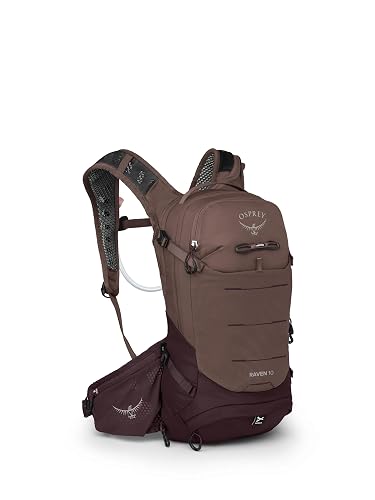
Osprey Raven 10L Women’s Mountain Biking Backpack

SOG Opcon Hydration Day Pack 2L Reservoir

MARCHWAY Tactical Molle Hydration Pack 3L
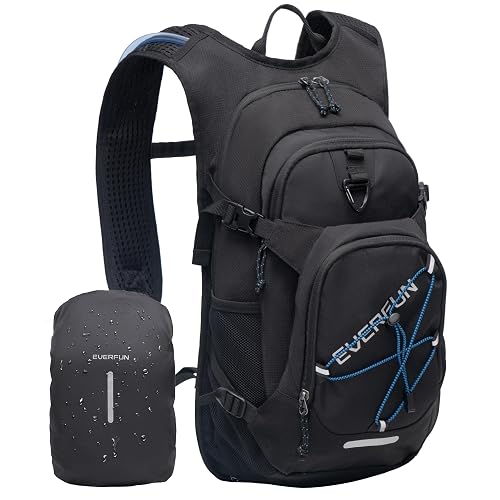
Everfun Hydration Backpack 18L with Water Bladder
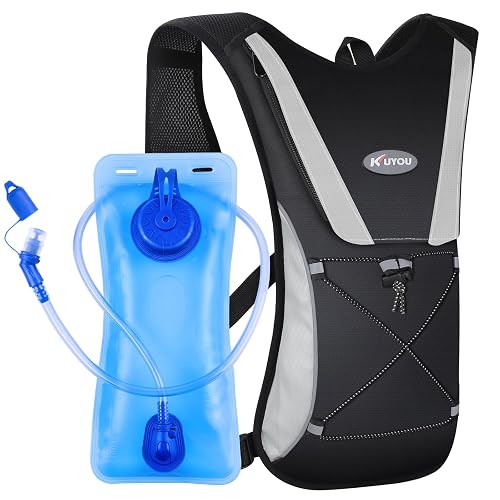
KUYOU Running Hydration Vest with 2L Bladder
Inside Each Recommended Option
The Raven sits at the bike-specific end of the hydration daypack spectrum, with a winged shoulder harness and an airmesh-wrap hipbelt that were clearly designed to keep the load planted when the trail turns chunky. The 10-liter cargo bay is modest, but for a typical ride with tubes, a multi-tool, layers, and snacks, that capacity tends to be the sweet spot before the pack starts fighting your center of gravity.
Compared with the SOG Opcon covered later, the Raven trades raw volume for a far more dialed-in on-bike fit. For riders who spend real time in the drops and want the bag to disappear once they point the bike downhill, that’s the right trade.
Useful Touches
- Winged shoulder harness keeps the pack from sliding sideways on rough descents, so the bite valve stays reachable instead of flopping against your collarbone.
- Hydraulics reservoir system gives you a dedicated water compartment that loads through a panel zipper, sparing you from unpacking cargo just to refill.
- Internal organizer pockets let you stash a tube, multi-tool, and CO2 separately, which speeds trailhead repairs more than people expect.
- Airmesh-wrap hipbelt spreads load across the hips, taking pressure off the shoulders on all-day rides.
Things To Consider
- 10 liters runs small once you add a full rain shell, pads, and lunch; for bigger days you’ll need to strap extras to the outside.
- The women’s specific cut won’t suit riders who fall outside the torso range, so sizing up or down deserves a careful fit check before committing.
Feature Snapshot
Made For
Singletrack riders logging full-day sessions who want a pack that stays put when the grade steepens.
Where Another Pick Suits Better
The Everfun 18L makes more sense for festival days and casual picnics where cargo room matters more than a bike-specific harness.
Where the Osprey Raven is built for lean bike-park laps, the SOG Opcon leans into a tactical-storage mindset. The 18.2-liter pack swallows a hydration reservoir, a packed lunch, a layer, and a small electronics pouch with room left over, and the front accessory pocket with internal organizer keeps keys, multi-tools, and small items in line.
For hikers and range-day users who carry more than just water, the Opcon’s roomier profile is the obvious draw. For pure riders, it can feel like overkill compared with the Osprey.
Positive Points
- 2-liter reservoir is included, removing the guesswork of matching bladder size to pack fit.
- Yoke-style adjustable, padded shoulder straps and a sternum slider spread the load comfortably across long walks.
- Webbed waist belt adds stability when the bag is fully loaded, which matters more than it sounds on uneven ground.
- Front accessory pocket with organizer keeps small items from becoming a noise-filled mess at the bottom of the bag.
Honest Caveats
- The 18.2-liter frame sits high on the back, which can feel bulky on technical mountain bike descents compared with the lower-profile Raven.
- Tactical styling may not appeal if you want a pack that blends into a casual trailhead or coffee stop.
Right Fit For
Outdoors users running longer routes with extra gear who want a no-fuss, military-style layout that holds up to rough handling.
Reach For A Different Pick When
The KUYOU Running Hydration Vest serves road runners far better, since the Opcon’s larger frame bounces more at running pace than a tight vest does.
The MARCHWAY strikes a careful balance between capacity and body contact, with a sculpted 19.5″ × 8.7″ × 2.6″ profile that hugs the torso instead of perching on top of it. For the price-conscious shopper who still wants a real 3-liter TPU (thermoplastic polyurethane, a flexible and tough bladder material) water bladder in the box, this is one of the more honest options on the shelf.
Versatility is the real headline: it handles cycling, hiking, running, climbing, and hunting without feeling like a compromise. The trade-off is a thinner feature set than the higher-priced Osprey or SOG.
Where It Excels
- 3L TPU water bladder ships in the box, so you don’t need to budget for a separate purchase.
- Adjustable sternum, waist, and shoulder straps work together to minimize bounce, which is the difference between a comfortable day and a chafed one.
- Air-mesh back panel adds real airflow, helping on hot climbs where trapped sweat turns into an irritation.
- Cushioned shoulder straps hold up over long miles where thinner webbing starts to dig in.
- Molle webbing lets you clip extra pouches, a jacket, or a small first-aid kit on the outside when the day expands.
Points To Note
- Cushioning and fabric feel lighter-duty than the Osprey Raven, so heavy weekly use may show wear sooner.
- The Molle-style exterior adds visual bulk, which isn’t ideal for casual city use.
Best Suited To
Multi-sport day users who want one pack for hikes, rides, and the occasional trail run without paying top tier.
A Better Fit Elsewhere
The Osprey Raven is the smarter pick for serious mountain bikers who want a harness engineered specifically for rough descents.
The Everfun is built for the user who treats a hydration pack as a do-it-all day bag, not a trail-only tool. At 18.5″ × 10.5″ × 6″ with 18 liters of storage and 8 functional pockets, the layout handles clothing, a first-aid kit, pet supplies, or festival essentials without turning into a black hole where everything sinks to the bottom.
Unlike the more narrowly focused MARCHWAY or Raven, the Everfun wants to be your picnic bag, your dog-walk companion, and your concert pack. The give-up is a less performance-tuned harness.
What Helps Most
- Internal zippered mesh pocket keeps wallet, passport, and cash visible at a glance, useful for travel days.
- Velvet-lined pocket prevents scratches on sunglasses or a phone screen, a small touch that earns its place over time.
- Front quick-access pocket puts your phone and keys in reach without removing the pack.
- Insulated bladder sleeve slows the warm-up of cool water on hot days, which actually matters after hour two.
- Compatible with both 2L and 3L bladders, so you can size up for longer trips.
Practical Considerations
- Owners commonly report the bag’s tall profile tipping rearward when the top is overstuffed, so packing heavier items low helps balance the load.
- Insulation adds a touch of weight compared with non-insulated packs, which is the trade for keeping water cooler.
Who It Suits Best
Casual day users, festivalgoers, and pet owners who want a roomy, friendly pack that handles more than a water bottle.
Swap It Out When
The SOG Opcon is a stronger match for tactical-storage shoppers who need a stiffer, more structured frame.
The KUYOU leans hard into the vest-style running category, with a low-profile build that hugs the ribcage instead of bouncing on the lower back. The 2-liter bladder, two elastic shoulder pockets sized for 500ml bottles, and a zippered phone pocket cover the actual needs of a long run or a marathon-training day without excess weight.
Compared with the MARCHWAY covered earlier, this is a more specialized tool: less storage, but a much more locked-in feel at running pace. The reflective detailing helps in low light, which is a quiet bonus for early-morning miles.
Bright Spots
- Breathable mesh shoulder straps and an adjustable waist and chest strap system keep the vest planted when your stride opens up.
- Insulated bladder compartment helps water stay cooler than a non-insulated sleeve on warm pavement.
- Reflective accents add visibility during dawn, dusk, or night runs without a separate clip-on light.
- Lightweight construction means it disappears on easy days, so you’re more likely to actually wear it.
Where It Is Less Suited
- Capacity is tight; carrying extra layers or a full lunch won’t fit, so this is a run-specific bag, not a daypack.
- The minimal padding transmits hard items, like a phone with a thick case, against the chest more than a cushioned backpack does.
Who Should Grab It
Road and trail runners building mileage who want hydration, fuel, and a phone on the body without any swing or sway.
Not Your Match When
The Everfun 18L is a smarter call for users who want one pack to double as a festival or picnic bag, since the KUYOU is purpose-built for movement.
Choosing The Right Hydration Daypack For Your Routine
Match the harness to the activity
Hiking, riding, and running each punish a hydration pack in different ways. Runners need a tight, vest-style fit that controls bounce, while mountain bikers need a harness that resists lateral sway on rough descents. Hikers usually just want weight distributed across the hips and shoulders for hours of steady walking. Pick a pack built for your main activity, not one that sort of does everything.
Reservoir size should follow your longest day
A 2-liter bladder covers most short hikes and most runs under two hours, while 3 liters is the friend of a full day in the saddle. Bigger isn’t always better, since more water means more sloshing weight on your back, and the trade-off only pays off if you actually drink it.
Storage layout matters more than total liters
A pack with 8 small pockets tends to feel more useful than a single cavernous compartment. Look for quick-access phone storage, an internal mesh pocket for valuables, and a separate sleeve for tools or a first-aid kit. If you can find what you need without unpacking, the day runs smoother.
Insulation and fabric weight
An insulated bladder sleeve keeps water cooler in summer heat, which encourages you to actually drink. Heavier fabric handles abrasion from bike parks and rocky scrambles, while lightweight mesh panels win on hot climbs and runs. For most users, a balance of both works best across seasons.
What To Know Before You Commit
Where Shoppers Go Wrong
A common mistake is buying the largest pack on the shelf, then realizing the extra capacity just invites clutter. Another is matching bladder size to a hike’s total distance without factoring in refill points along the way. The fix is simple: take an honest look at the gear you actually carry on a typical day, not the gear you might carry on a perfect day.
When Paying More Pays Off
Higher-tier packs tend to earn their keep through harness engineering, not just fabric weight. A well-designed winged harness or a stiffer hipbelt keeps the bag stable under load, which means less chafing and less fatigue over hours. The upgrade is worth it for anyone who spends more than a couple of hours at a stretch in the pack, especially on technical terrain. For shorter, casual outings, a value-tier option is often plenty.
Frequently Asked Questions
How much water do most hydration daypacks hold?
Most options in this category ship with a 2-liter or 3-liter bladder, which covers roughly two to four hours of moderate activity in warm weather. Longer days or hotter climates benefit from a larger bladder or planned refill points.
Can a hydration daypack replace a regular hiking backpack?
For short day trips, yes. For overnight trips or technical carries, no. A hydration pack lacks the frame support, hipbelt load transfer, and volume of a proper backpacking pack, so its role is to keep water accessible on shorter outings.
Are hydration bladders hard to clean?
Most modern bladders are designed to be flipped inside out or cleaned with a long-handled brush and warm water. Wide-mouth openings, like the Osprey Hydraulics panel, make the job noticeably easier, while narrow-mouth designs can be tedious without the right tools.
Do I need an insulated bladder sleeve?
Insulation slows water warming on hot days, which actually nudges you to drink more often. It’s not essential in cool weather or short outings, but it’s a real comfort on summer trail runs and rides.
Will the bite valve leak during transport?
Quality bite valves use an on/off shutoff, which prevents dripping when the pack is set down or stored. Owners commonly recommend testing the valve position before packing the bag into a car trunk, just to confirm the shutoff is fully engaged.
The Takeaway
Your best hydration daypack is the one that disappears into your day, not the one with the longest feature list. Match the harness to your activity, size the bladder to your longest stretch between refills, and be honest about the cargo you actually carry. Any of the five options here will serve you well, so the right call comes down to whether your days lean more toward bike parks, trail miles, or all-around versatility.