
Cold toes end a hunt faster than a missed shot. Standing in a deer stand at dawn or pushing through a swamp in November, your feet take the brunt of wet, frozen, unforgiving terrain. Insulated hunting boots solve that problem by trapping body heat and blocking water, letting you stay still and focused when the weather wants you gone. This roundup covers six pairs built for real cold, real mud, and real hours outdoors, so you can match the boot to the way you actually hunt.
A Quick View Of The Lineup
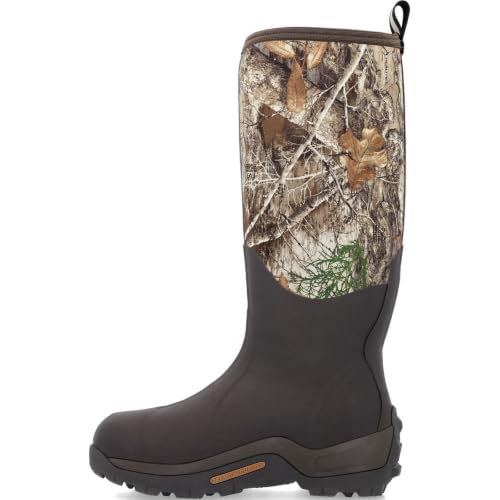
Muck Woody Max Mossy Oak Break-Up Boot

Kalkal 16″ Snake Boots for Men

LaCrosse Alphaburly Pro 18″ 400G Boot

Kalkal Snake Boots 5mm Neoprene

Hunthor Steel Toe Rubber Boot

Hunthor Puncture-Proof Steel Boot
Taking A Closer Look At The Options
The Woody Max has earned a loyal following among hunters who sit through long, brutally cold sits. A fleece lining pairs with 5 mm of built-in neoprene, creating layered warmth that holds up when temperatures drop well below freezing. The stretch-fit topline hugs the calf to seal in heat, while a 2 mm thermal foam barrier under the footbed keeps cold from creeping up through frozen ground.
Compared to lighter pairs like the Kalkal snake boots further down this list, the Woody Max leans toward warmth over agility. That tradeoff makes sense if your hunts involve long sits in a stand or blind rather than miles of walking. The high-grade rubber shell shrugs off creek crossings and morning frost, and the Mossy Oak camouflage upper body breaks up your outline in leafy cover.
Strengths Worth Knowing
- Fleece-lined interior with 5 mm neoprene traps heat during extended cold sits
- 2 mm thermal foam under the footbed blocks chill rising from frozen soil
- Stretch-fit topline seals around the calf to stop warmth from leaking out
- Rubber exterior keeps feet dry through puddles, snow, and shallow stream crossings
- Mossy Oak camouflage pattern helps you blend into fall hardwood cover
Trade-Offs To Consider
- Heavier build can wear on your legs during long walks to a remote stand
- Thick insulation may feel overly warm during an active mid-season stalk
- Rubber shell requires occasional cleaning to prevent mud buildup from stiffening the flex
Key Product Details
Who It Suits Best
Late-season hunters who spend hours stationary in freezing temperatures and want serious cold-weather protection without bulky layering.
Look Elsewhere When
The LaCrosse Alphaburly Pro suits you better if you want a slightly lighter insulated build with the same rubber-and-neoprene foundation for more active hunting styles.
If your hunting grounds overlap with venomous snake territory, a tall, puncture-resistant boot stops being optional. The Kalkal 16-inch rises well up the calf to block fangs, while a shock-absorbing field sole reduces fatigue on long walks to the lease. The boot positions itself as a versatile option for hunting, fishing, and general outdoor work in warmer parts of the country.
Compared to the Muck Woody Max in slot one, this Kalkal trades deep-winter insulation for a lighter, more breathable profile. The waterproof construction still handles wet grass and creek edges, but active hunters in mild climates will appreciate the reduced leg strain. The anti-slip outsole grips muddy banks and slick rocks, a real advantage when you are crossing terrain that wants you on the ground.
A Few Highlights
- 16-inch height covers the calf to guard against snake bites in tall grass
- Lightweight build reduces leg fatigue on long approaches to hunting spots
- Waterproof construction keeps feet dry during creek crossings and wet brush
- Anti-slip, shock-absorbing sole cushions joints on rocky or uneven ground
Points To Keep In Mind
- Lightweight insulation runs thin for hunters facing hard freezes
- Snake-proof rating is not always clearly documented for every specific species
- Tall shaft can feel restrictive if you prefer low-cut hiking footwear
Made For
Warm-climate hunters and outdoorsmen who need snake protection with waterproof performance and want a lighter boot for active pursuits.
Reach For A Different Pick When
The Hunthor Steel Toe Rubber Boot fits better if you work construction or hunt rocky terrain where toe protection matters more than snake resistance.
The Alphaburly Pro has been a workhorse in the hunting-boot world for years, and the recipe is familiar for good reason. Natural rubber pairs with insulating neoprene, 400G of Thinsulate Ultra adds warmth without packing out, and an EVA footbed cushions every step. The 18-inch shaft keeps water and debris out of the boot when you push into deep marsh or snowdrift cover.
Relative to the Muck Woody Max, this boot trades the Mossy Oak camo upper for a more traditional scent-focused rubber build. Hunters who chase whitetails know scent control matters as much as warmth in pressured woods. The active-fit design keeps the boot snug through brush, while the aggressive tread pattern chews through mud and snow alike.
Positive Points
- 400G Thinsulate Ultra delivers strong warmth without excessive bulk
- Natural scent-free rubber helps reduce detection by wary deer
- EVA footbed cushions long walks to remote stands
- Aggressive tread pattern grips mud, muck, and snow
- 18-inch shaft keeps swamp water and debris from flooding the boot
- Proven track record among serious big game hunters
Honest Caveats
- Heavier than the Kalkal snake boots for hunters who walk miles each outing
- Rubber can feel stiff until broken in over several outings
- Plain black look lacks camouflage for visually-driven hunters
Quick Facts
The Right Fit For
Big game hunters in cold climates who prioritize scent control, durability, and serious traction over flashy aesthetics.
Swap It Out When
The Kalkal 5mm Neoprene Snake Boots work better if your hunting territory is shared with venomous snakes and you need puncture protection up the calf.
This Kalkal entry slots into the list as a do-it-all option for folks who do more than just hunt. The 5 mm neoprene brings real cold-weather capability, while the snake-proof construction protects you when clearing brush, working a fence line, or hunting serpent-heavy ground. Anti-slip tread keeps you upright on slick slopes and muddy creek banks.
Versus the lighter Kalkal model in slot two, this version adds thicker neoprene and a more rugged build for colder mornings. Hunters who also farm, garden, or maintain acreage will appreciate the multi-use design that transitions between chores without a boot swap. The waterproof rubber lower keeps feet dry through wet grass and irrigation ditches.
A Favorable Mix
- 5 mm neoprene insulation handles chilly mornings and damp conditions
- Snake-proof construction protects during brush work and field clearing
- Anti-slip outsole grips wet grass, mud, and rocky trails
- Waterproof lower keeps feet dry across farming, hunting, and fishing tasks
Less Ideal Details
- Higher shaft can feel restrictive when crouching or kneeling for chores
- Snake protection adds weight versus standard rubber chore boots
- Neoprene can run warm during summer chores in direct sun
Best Suited To
Rural property owners who hunt, farm, fish, and work outdoors in transitional weather and want one boot that handles multiple chores.
Consider Something Else When
The Muck Woody Max suits you better if your priority is staying warm during freezing, stationary late-season hunts rather than active outdoor work.
Steel-toe protection changes how a hunting boot performs around rocks, firewood, and dropped gear. The Hunthor Steel Toe adds that protective shell while keeping a waterproof rubber build designed for tough terrain. Hunters who double as weekend builders, log splitters, or land clearers get a boot that pulls double duty without compromise.
The build contrasts with the Muck Woody Max, which focuses purely on warmth and camouflage. Here, you trade some insulation for a reinforced toe box that shrugs off kicked rocks and dropped chainsaw bars. The waterproof construction still handles wet ground, but expect a heavier step than non-steel-toe options.
The Value In It
- Steel toe protects against dropped tools, kicked rocks, and falling branches
- Waterproof rubber build handles wet job sites and muddy terrain
- Doubles as a work boot for hunters who also handle construction tasks
- Sturdy rubber shell resists abrasion on rough brush country
A Few Limitations
- Steel toe adds noticeable weight for hunters covering long distances
- Limited insulation details provided, so warm-weather comfort is harder to gauge
- Steel toe can feel cold in deep winter without proper sock layering
Feature Snapshot
Who Should Grab It
Hunters who split time between the woods and the job site and need toe protection that stands up to logs, rocks, and dropped equipment.
A Better Fit Elsewhere
The Hunthor Puncture-Proof Steel Boot fits you better if you walk through brushy, nail-strewn terrain and want a steel shank underfoot as much as a steel toe.
Hidden nails, broken glass, and jagged rebar turn a walk through old barns or demolition sites into a hazard. The Hunthor puncture-proof design adds a steel shank under the foot, blocking sharp objects from pushing through the sole. The rubber build keeps water out while the rugged construction handles construction-site abuse.
Stacked against the Hunthor steel-toe model in slot five, this boot emphasizes underfoot protection over toe impact. That distinction matters if you spend more time walking across debris fields than you do handling falling objects. Hunters working clearings, old fence rows, or freshly logged timber benefit from the layered defense.
Advantages To Know
- Steel shank blocks punctures from nails, glass, and sharp debris
- Rubber construction is waterproof across wet job sites and damp ground
- Sturdy build holds up to repeated rough use
- Suits hunters who clear land, work demolition, or maintain old structures
What To Weigh
- Steel shank reduces flex, which can tire feet on long walks
- Boot leans toward work use over pure hunting scenarios
- Specific insulation level is not detailed, so cold-weather performance is uncertain
Built With In Mind
Landowners and hunters who routinely cross construction debris, old fencing, or rough ground and want underfoot puncture protection built in.
Where Another Pick Suits Better
The LaCrosse Alphaburly Pro makes more sense if you want traditional scent-free hunting performance and don’t need dedicated puncture resistance.
What Matters When Picking Insulated Hunting Boots
Match Insulation To Your Climate And Hunt Style
Insulation weight, often measured in grams of Thinsulate or in millimeters of neoprene, decides how warm the boot feels once you stop moving. The 400G Thinsulate Ultra in the LaCrosse Alphaburly Pro handles most late-season hunts in northern climates, while the lighter Kalkal snake boots suit transitional weather or active pursuits where your body already generates heat. Standing still in a tree stand demands more insulation than still-hunting through oak ridges.
Consider Waterproofing Beyond The Label
Every boot on this list claims waterproof construction, but the materials differ. Natural rubber shells like the LaCrosse and Muck designs offer dependable sealing in deep water, while lighter waterproof membranes in the Kalkal models handle wet grass and brief crossings well. Think about the deepest water or wettest ground you realistically face, then size your boot to that challenge.
Balance Warmth With Weight
The Muck Woody Max delivers serious cold-weather performance but carries extra heft on long approaches. Lighter Kalkal models reduce leg fatigue but trim insulation in the process. The honest tradeoff comes down to how far you walk and how cold the stand gets, so match the boot to your average outing rather than the worst day of the year.
Look Beyond The Hunting Tag
Several boots on this list, including the Hunthor steel-toe and puncture-proof models, pull double duty on job sites and rural properties. Hunters who also farm, log, or maintain acreage benefit from boots that transition across chores. Choosing a multi-use pair avoids the cost and clutter of owning separate work and hunting footwear.
Pitfalls Worth Sidestepping Before You Buy
Going Too Light For The Coldest Days
Buying a boot that handles October perfectly can leave you miserable in January. Plan for the conditions you actually face, including the worst week of the season. A pair that runs slightly warm in mild weather beats a frozen pair that underperforms when you need it most.
Overlooking Shaft Height
Low-cut boots fill with water and debris the moment you cross a creek or push through tall grass. For marsh, swamp, or deep snow hunting, the 18-inch LaCrosse and similar tall builds earn their height. Picking the wrong shaft length often turns into a wet-sock situation nobody enjoys.
Where The Extra Money Goes
Premium Insulation And Rubber Compounds
Spending more typically delivers better materials, including thicker neoprene, scent-free natural rubber, and properly graded Thinsulate. The Muck Woody Max and LaCrosse Alphaburly Pro justify their cost with layered warmth systems rather than a single insulating sheet. That layering holds heat longer and recovers faster between active periods.
Construction Quality And Lasting Durability
Higher-tier boots use vulcanized rubber, reinforced seams, and molded outsoles that resist separation after years of hard use. Budget boots may match the spec sheet but cut corners on bonding and stitching, which owners commonly report failing well before the upper wears out. Spending up front often means fewer replacements down the road.
Frequently Asked Questions
How Many Grams Of Insulation Do You Need For Late-Season Hunting?
For temperatures near or below freezing, 400G Thinsulate Ultra, similar to what the LaCrosse Alphaburly Pro uses, handles most conditions. You may find 200G or thinner options struggle once temperatures drop below 20°F during long, stationary sits.
Are Rubber Hunting Boots Warmer Than Leather?
Rubber boots pair with neoprene or fleece linings to trap heat, and they stay warmer than leather once wet. Leather breathes better during active movement but soaks through during creek crossings, so rubber wins for wet and frozen environments.
How Tall Should Insulated Hunting Boots Be?
Hunting in marshes, swamps, or deep snow calls for boots 16 inches or taller, like the LaCrosse Alphaburly Pro. Dry upland hunting in mild climates allows shorter boots that trade height for lighter weight and easier walking.
Do Snake Boots Provide Enough Warmth For Cold Weather?
Snake boots with 5 mm neoprene, like the Kalkal 5mm Neoprene, add real insulation, but they often run lighter than dedicated cold-weather hunting boots. Pair them with quality wool socks when temperatures drop into the twenties.
Can You Use Steel-Toe Hunting Boots For Regular Hunting?
Steel-toe boots work fine for hunting, especially in rough terrain, but the extra weight tires your legs on long walks. Hunters who cover miles per outing often prefer a standard rubber build, while those who handle heavy gear appreciate the toe protection.