
Warm-weather trails demand footwear that breathes, grips, and survives creek crossings without turning your feet into blisters. The right pair disappears on your feet mile after mile, while the wrong one turns a relaxing hike into a slow limp back to the car. After comparing strap systems, footbed construction, and outsole patterns across six popular options, these ladies hiking sandals cover the most common trail profiles for 2026.
A Quick View Of The Lineup
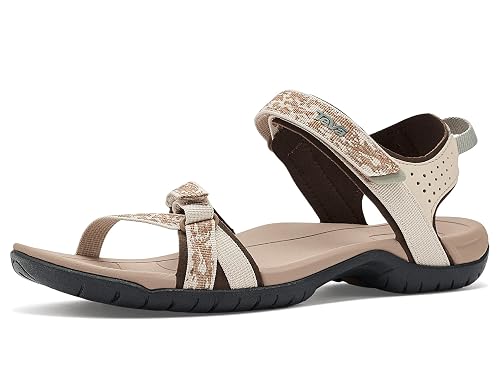
Teva Hurricane XLT2 Sandal

BareTraps DESERAE Womens Sandal
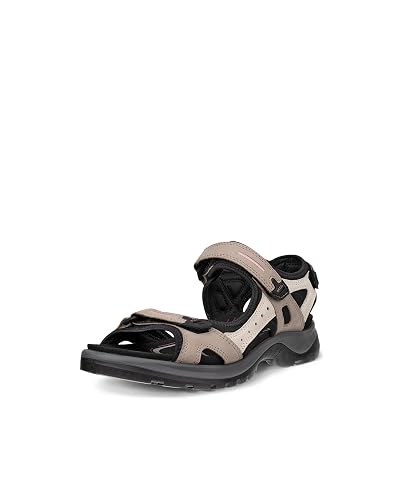

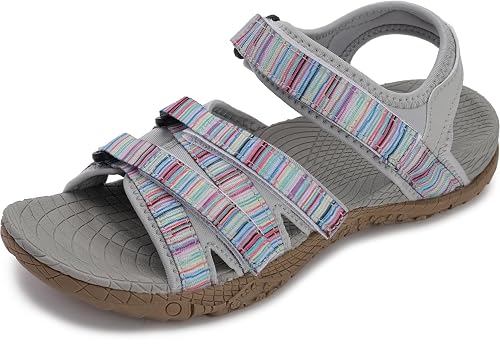
WHITIN Women’s Hiking Sandal C51
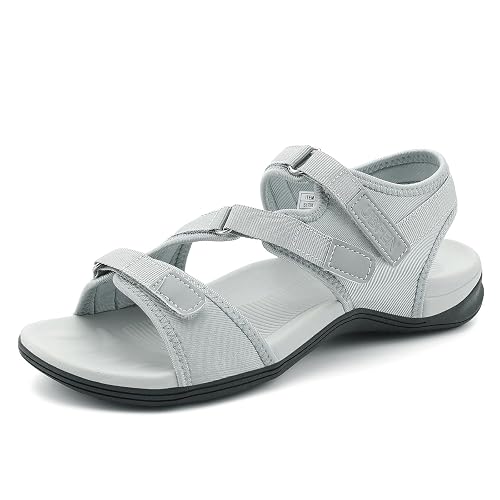
UBFEN Hiking Water Sport Sandal
Taking A Closer Look At The Options
The Teva Hurricane XLT2 earns its long-standing reputation through a strap system you can actually fine-tune on the move. Three hook-and-loop closures across the heel, ankle, and forefoot let you dial tension around a swollen foot after a hot afternoon on the trail, which matters more than it sounds on a six-mile loop.
Rubber outsoles with aggressive lugs (the deep, gripping treads cut into the bottom of the sole) bite well into loose dirt and wet rock, and the EVA-foam footbed (a soft, lightweight foam that cushions each step) softens the impact on packed gravel paths. For parents packing one bag for a mixed-age family hike, this sandal slides onto small feet quickly and rinses clean at the next spigot.
Notable Upsides
- Three independent straps allow precise fit adjustments for narrow or wide feet
- Quick-dry webbing handles stream splashes without staying soggy for hours
- Aggressive lug pattern grips loose dirt, gravel, and slick rock surfaces
- Lightweight enough for kids to wear all day without complaint
Things To Consider
- Thin straps can dig in during long descents, so you may want to add a heel sleeve on day-long hikes
- Footbed cushioning is moderate, which suits shorter outings but wears down for very heavy packers
Who It Suits Best
Families outfitting kids for day hikes, creek walks, and playground-to-trail transitions will appreciate the easy adjustability and quick cleanup.
Where Another Pick Suits Better
Adults tackling multi-day terrain with heavier packs get better midsole support from the ECCO Yucatan Sport Sandal.
The DESERAE sits at the meeting point between sport sandal and casual slide, leaning toward the second without abandoning the trail. A subtle hidden wedge adds an inch of lift without compromising stability, which makes it appealing for errands, boardwalk strolls, and lightweight day hikes alike.
BareTraps’ patented Rebound Technology (a cushioned midsole designed to spring back with each step) softens impact under the ball of the foot, and the hook-and-loop closure across the top lets you loosen or tighten the fit through the day. The lightweight TPR outsole (thermoplastic rubber, a flexible and grippy compound) holds its own on dry pavement and flat gravel, though it is not engineered for technical rock scrambles.
What Pays Off
- Hidden wedge adds height while keeping the sole stable underfoot
- Rebound cushioning reduces foot fatigue during long shopping days or city walks
- Slip-on convenience with a single adjustable strap for quick fit changes
Points To Note
- The wedge height shifts your center of gravity, so steep off-camber trails feel less secure than flatter terrain
- Tread depth is shallow, which limits grip on muddy or loose surfaces
- The sport sandal category placement suggests trail intent, yet the build leans toward lifestyle use
Right Fit For
Shoppers wanting one sandal that handles brunch, a farmers market, and an easy riverside path will find the DESERAE a versatile everyday option.
Skip It When
Anyone planning real elevation gain or rocky ascents should reach for the WHITIN Women’s Hiking Sandal C51 instead.
The ECCO Yucatan has been a fixture on trailheads for years, and the current version keeps the formula that earned it that staying power. The sandal wraps the foot in supple, oiled leather uppers paired with neoprene-style padding at the ankle, so the break-in period (the time it takes a new shoe to soften and conform to your foot) is short, and the fit feels locked in once you set the three straps.
Underneath, ECCO’s molded footbed supports the arch across a long day, and the rubber outsole channels water away through recessed grooves. For travelers planning varied terrain, from city sidewalks to alpine streams, the Yucatan handles both without the clunky look of a dedicated hiking boot.
Advantages To Know
- Three adjustable straps create a secure, customized fit for varied foot shapes
- Molded footbed supports the arch during multi-hour walks on hard surfaces
- Oil-treated leather upper resists scuffs and ages gracefully with regular conditioning
- Recessed sole channels release water quickly after stream crossings
Worth Bearing In Mind
- Leather takes longer to dry than synthetic webbing, so it is not the first choice for fully submerged crossings
- Premium construction carries a higher upfront cost than budget alternatives
Feature Snapshot
Built With In Mind
Travelers who want one pair to handle urban walking, light backpacking, and travel days across mixed terrain get strong value from the Yucatan’s versatility.
Swap It Out When
Shoppers focused on a pure budget entry should consider the WHITIN Women’s Hiking Sandal C51 for a more accessible starting point.
UBFEN’s outdoor hiking sandal focuses on the part of the foot that does the most quiet complaining: the arch. The molded footbed lifts and supports the midfoot, which is a genuine relief for flat-footed hikers or anyone whose arches collapse after a few miles on hot pavement.
The strap layout uses a combination of fixed and adjustable bands to cradle the heel, and the rugged outsole pattern grips well on dusty trails. Cushioning under the heel absorbs impact, while the toe guard protects against accidental rock kicks on uneven paths.
Reasons It Performs
- Contoured arch support reduces midfoot fatigue on long, flat stretches
- Heel cushioning softens impact during downhill sections
- Adjustable heel strap prevents slipping on steeper grades
Honest Caveats
- The pronounced arch contour feels awkward to shoppers used to flat flip-flop style footbeds
- Sizing runs slightly off for some wearers, so you may want to try a half-size adjustment
Perfect Match For
Hikers with flat feet or low arches who want supportive structure without committing to a closed-toe boot get reliable comfort from this UBFEN.
Look Elsewhere When
Water-focused outings call for the UBFEN Hiking Water Sport Sandal, which dries faster after full submersions.
WHITIN’s C51 model lowers the entry cost for trail-ready footwear without stripping away the basics that matter. The sandal includes a contoured arch support footbed, which is rare at this price tier and gives the foot a noticeable lift compared to flat alternatives.
Multiple hook-and-loop straps let you customize the fit across the forefoot and ankle, and the rubber outsole handles packed dirt and gravel trails without slipping. It is a solid starting point for newcomers testing whether a hiking sandal fits their style before moving up to a premium build.
A Strong Showing
- Arch support footbed at a budget-friendly price tier
- Adjustable strap system accommodates a range of foot widths
- Rubber outsole grips well on dry, packed trail surfaces
Small Caveats
- Foam cushioning compresses faster than denser midsoles on premium pairs
- Strap webbing can fray at the edges after heavy seasonal use
- Toe protection is minimal, so rocky scrambles call for added caution
Quick Facts
Best Suited To
Beginner trail walkers, casual weekend hikers, and anyone testing the hiking sandal category on a tighter budget.
Reach For A Different Pick When
Heavier pack loads and multi-day trips favor the longer-lasting support of the ECCO Yucatan Sport Sandal.
Where the other UBFEN focuses on dry trail comfort, this water sport version is built for sandals that get soaked. Synthetic strap materials drain fast, and the footbed channels moisture away from the skin so your foot does not slosh around inside the sandal after a river crossing.
Arch support sits beneath the heel, and the aggressive sole pattern grips wet rock and slick riverbed stones better than flat-soled alternatives. The lightweight frame is easy to rinse and pack, which suits kayakers, paddleboarders, and hikers tackling routes with multiple stream crossings.
Notable Gains
- Quick-drain construction sheds water rapidly after full immersion
- Grippy outsole pattern handles wet rock and algae-covered surfaces
- Arch support maintains foot alignment on uneven riverbed terrain
- Synthetic straps resist stretching when wet, unlike traditional leather
Trade Offs
- Less cushioned than the standard UBFEN outdoor model, so very long dry trails feel firmer underfoot
- Drainage ports can collect small pebbles during rocky river walks
Whose Shelf It Belongs On
Kayakers, paddleboarders, and hikers crossing streams or exploring coastal trails will appreciate the sandal’s quick-drying, water-shedding design.
A Better Fit Elsewhere
Dry-land day hikers on dusty or rocky terrain get more cushioning from the WHITIN Women’s Hiking Sandal C51.
What Matters Most Before Choosing Ladies Hiking Sandals
Match The Strap System To Your Foot Shape
Hook-and-loop closures (the most common type on hiking sandals) let you fine-tune tension across the forefoot, midfoot, and ankle in ways buckles and slides cannot. Shoppers with narrower heels or higher arches tend to benefit most from multiple independent straps, while a single wide band suits average foot shapes for casual wear. Trying the sandal on with the lacing loosened then tightened in stages reveals whether the strap layout can truly adapt to swelling on a hot day.
Prioritize Footbed Support Over Initial Plushness
The first impression of a soft foam footbed can mislead. EVA and other resilient foams (lightweight cushioning materials that bounce back under pressure) that feel pillowy in the store often compact after a few hours of walking, leaving the arch unsupported. Contoured footbeds with a defined arch shape distribute pressure across a larger surface area and tend to feel better at mile five than at the front door. The trade-off is a longer break-in period, but the long-term comfort is usually worth the patience.
Match The Outsole To Your Typical Terrain
Lug depth, rubber compound, and channel placement all influence grip. Deep, widely spaced lugs shed mud and grip loose dirt, while finer patterns work better on flat rock and pavement. Shoppers who cross both worlds benefit from a hybrid pattern that balances traction with smoother walking on hard surfaces.
Plan For Water, Sweat, And Drying Time
Quick-dry synthetics handle splashes and full crossings without staying waterlogged, while leather uppers offer durability at the cost of longer drying. If your typical hike includes stream crossings or you live in a humid climate, synthetic construction reduces the risk of blisters from skin rubbing against damp material for hours.
Key Considerations Across These Picks
Where Shoppers Go Wrong
A common misstep is choosing a sandal by looks alone, without checking strap adjustability. Fixed-strap designs can pinch narrow feet or slide around on wider ones, and there is no way to fine-tune them mid-hike. Another trap is ignoring footbed arch height, which only becomes apparent after a few miles when the midfoot starts aching. Testing the sandal on an incline, not just flat ground, reveals whether the heel holds securely during downhill sections.
When Paying More Pays Off
Higher-tier models like the ECCO Yucatan justify the cost through denser midsole foams that resist compression, premium leather uppers that mold to the foot over time, and outsole compounds engineered for varied terrain. Shoppers logging frequent trail days or carrying heavier loads see the difference in foot fatigue over months, not days. For occasional weekend use, a budget build still delivers a comfortable walk, but the upgrade pays off once the mileage adds up.
Frequently Asked Questions
Are ladies hiking sandals suitable for long-distance trails?
Yes, when the footbed provides genuine arch support and the outsole grips technical terrain. Models like the ECCO Yucatan handle multi-day routes with heavier packs, while lighter designs suit day hikes and casual outings.
How do hiking sandals handle water crossings?
Synthetic-strap models with drainage channels dry fastest after full immersion. Leather uppers take longer to dry but offer more durable structure for dry trails, so match the material to your typical route.
Can I wear hiking sandals with orthotic inserts?
Some contoured footbeds can be removed to make room for custom orthotics, though thinner aftermarket inserts fit more easily than thick prescription versions. Check the footbed depth before assuming a swap will work.
Do hiking sandals require a break-in period?
Most synthetic-strap models feel comfortable from the first walk, while leather pairs need several outings to soften and conform to the foot. Expect mild stiffness on a new leather sandal for the first few uses.
How do I clean and maintain ladies hiking sandals?
Rinse with cool water after muddy hikes, scrub straps gently with a soft brush, and air-dry away from direct heat. Leather pairs benefit from occasional conditioning to prevent cracking, while synthetic sandals need only basic rinsing.
Wrap Up
The right hiking sandal depends on where your feet take you most often: creek crossings favor quick-dry synthetics, urban-to-trail days reward cushioned lifestyle designs, and multi-mile routes demand structured arch support. Match the build to your terrain, prioritize strap adjustability, and you will spend less time fussing with your feet and more time enjoying the trail.