
Leg gaiters solve one of the most stubborn problems on the trail and in tall grass: keeping debris, water, snow, or worse out of your boots and off your shins. Whether you’re crossing scree in the Cascades, wading through dew-soaked meadow grass during an early bow season, or running a string trimmer around a suburban yard, the right pair changes how the day goes.
The five picks below cover very different use cases. From waterproof Gore-Tex for serious alpine days to lightweight cuffs for trail runners, each option earns its spot for a specific reason.
The Essentials At A Glance

Outdoor Research Crocodile Classic Gaiters
Kenetrek Men’s Breathable Hunting Leg Gaiters
UIIHUNT Snake Gaiters, Waterproof Snake Chaps
ComfortTrim Green Carbon Fiber Leg Guards

Hikas Ankle Gaiters for Hiking and Trails
Why These Options Stand Out
The Crocodile Classic is a long-standing favorite among backpackers heading into wet, brushy, or rocky terrain where trail debris and puddle crossings are a daily reality. Built around a Gore-Tex membrane, it pairs waterproof protection with breathable construction, which matters more than you’d think when you’re sweating up a steep climb and still want your lower legs dry.
Compared to the Kenetrek pick below, the Crocodile runs lighter and is geared more toward moving fast across varied terrain rather than stationary cold-weather hunting. If your trips involve stream crossings, wet grass at dawn, or muddy approaches after rain, this is the gaiter most people end up reaching first.
Practical Pluses
- Gore-Tex construction keeps out rain, snow, and wet brush on long trail days
- Breathable build reduces that swampy sweat buildup during warm weather
- Tough enough to shrug off abrasion from scree and thorny undergrowth
- Trusted design for multi-season backpackers, not just fair-weather day hikers
Things To Consider
- More gaiter than most day-hikers actually need on groomed trails
- Premium waterproofing costs extra versus non-membrane hiking options
Who It Suits Best
Backpackers, alpine scramblers, and hikers tackling wet, brushy, or multi-day routes who need reliable waterproof lower-leg protection.
Consider Something Else When
The UIIHUNT Snake Gaiters are the better match for anyone working or hunting in dense brush where bite protection is the priority over weather sealing.
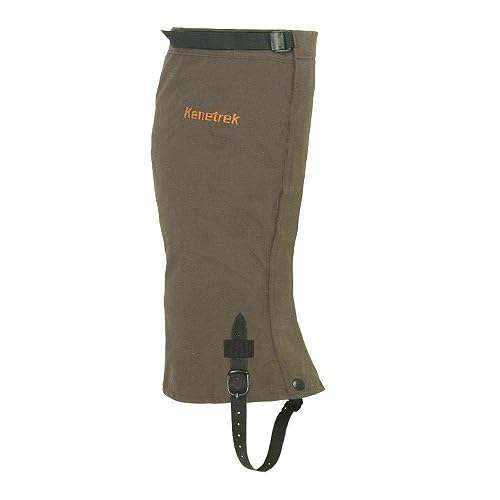
Kenetrek’s hunting gaiters lean hard into cold-weather performance, with a Stormblocker waterproof membrane, Hypalon rubber straps at the instep, and a front-opening Velcro closure that lets you slide them on over already-laced boots. That last detail is a small thing that becomes a big deal at 5 a.m. in a frost-covered truck.
Unlike the Crocodile gaiter above, this pair is built for deep snow and long sits on cold ground, not fast-and-light alpine travel. Hunters hauling gear through waist-deep drifts or glassing ridges after fresh powder will appreciate how the cam-lock top straps cinch down tight without letting the powder creep in from above.
The Good Stuff
- Stormblocker membrane seals out moisture from snow drifts and wet brush
- Front Velcro opening makes them easy to put on or take off with cold fingers
- Hypalon instep straps resist snow buildup that otherwise weighs down a boot
- Built to handle heavy hunting boots, not just trail runners
Worth Noting
- Overkill for fair-weather day hiking in mild climates
- Bulky enough to feel clumsy on fast, technical terrain
Feature Snapshot
Made For
Hunters, trappers, and winter trekkers who spend long hours in deep snow and need a gaiter that stays put when the cold closes in.
Look Elsewhere When
The Hikas Ankle Gaiters are a friendlier pick for hikers who want light trail protection without the bulk of a full hunting gaiter.
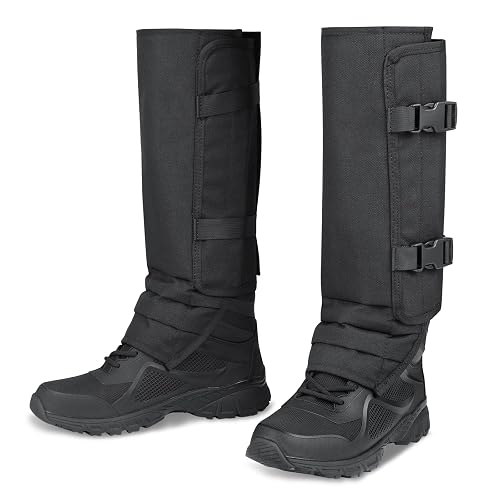
The UIIHUNT Snake Gaiters exist for one clear purpose: keeping fangs away from your lower legs when you’re working, hiking, or hunting in dense brush. The build pairs 1000D Oxford fabric with rigid polypropylene panels along the shin, and the individual board construction lets the gaiters flex a bit with your stride instead of locking up like old-school chaps.
Compared to the ComfortTrim entry below, this is a purpose-built gaiter for snake country rather than a yard-work leg shield. Wildlife researchers, surveyors, and folks clearing brush in rattler or copperhead territory get peace of mind that ordinary hiking gaiters simply aren’t designed to deliver.
What Pays Off
- 1000D Oxford panels resist bites and abrasion from thorns and rough ground
- Polypropylene shin boards flex with your stride, not against it
- Adjustable fit works for a wide range of leg sizes
- Waterproof build handles dew-soaked grass and creek-side work
Trade Offs
- Heavier than a plain hiking gaiter, which you’ll notice on long days
- Built for bite defense, so overkill for trail-only hikers
Quick Facts
Right Fit For
Survey crews, biologists, hunters, and anyone working tall grass or brush where venomous snakes are a real daily concern.
Swap It Out When
ComfortTrim Carbon Fiber Leg Guards are the better fit for string-trimming and lawn care, where airflow matters more than bite defense.
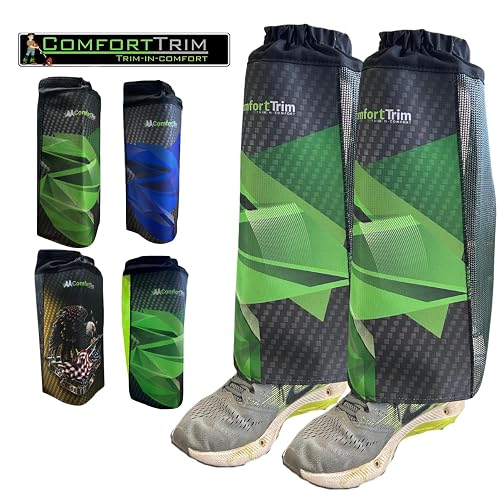
ComfortTrim’s leg guards solve a different problem than the other four picks here: they protect your shins from flying debris while running a string trimmer, brush mower, or edger around the yard. The industrial-grade coated vinyl mesh leaves the back of the leg open for airflow, which is the whole reason these don’t turn into portable saunas during a summer mow.
Unlike the UIIHUNT Snake Gaiters above, these aren’t waterproof and aren’t built for trail duty, so they’re really an in-yard tool. Landscape pros and homeowners tackling thick weeds will appreciate how the arch-cut in back keeps the guard from dragging on the ground or rubbing skin raw.
A Favorable Mix
- Open-back mesh keeps air moving so legs don’t overheat in summer heat
- Industrial-grade vinyl stands up to repeated grass and pebble strikes
- Arch-cut in back prevents the guard from dragging or catching on terrain
- Front shape rests cleanly on top of work boots without constant adjustment
Honest Caveats
- Not waterproof, so they aren’t useful in wet brush or snow
- Specialized shape leaves them less versatile than a true hiking gaiter
Best Suited To
Lawn care crews, landscapers, and homeowners who run trimmers or brush mowers through tall grass, weeds, and debris.
A Better Fit Elsewhere
Reach for the Crocodile Classic Gaiters when the work shifts to actual hiking and you need all-around weather protection on the trail.
The Hikas Gaiters take a completely different approach from the other four picks on this list. Rather than a tall gaiter that wraps from boot to knee, they expand as an ankle-height cuff that sits above your shoe collar. The whole point is to keep trail grit, sand, mud, and ticks out of low-cut hiking shoes and sneakers without the weight of a full gaiter.
Compared to the Crocodile Classic above, the Hikas is roughly a tenth of the coverage and a fraction of the bulk. For short trail days, dog walks, and casual hikes through sandy or muddy terrain, this kind of stripped-down design is often exactly enough.
Features That Help
- Lightweight cuff style that packs down small in a daypack
- Water-resistant fabric handles morning dew and shallow mud
- Cuff height helps block ticks, sand, and grit at the shoe opening
- Recycled materials cut down on the environmental footprint
Points To Keep In Mind
- Not built for deep snow or calf-deep water crossings
- One-size design may fit loosely on smaller ankles
Perfect Match For
Trail runners, casual hikers, and dog walkers who want simple ankle protection from grit, sand, and ticks without strapping on full gaiters.
Not Your Match When
The Kenetrek hunting gaiters are the better pick for anyone heading into serious snow who needs tall, weatherproof coverage above the boot.
Matching Leg Gaiters To The Way You Use Them
Start with the terrain, not the brand. Alpine hikers carrying full loads in wet conditions need a tall waterproof gaiter with breathable construction, while trail runners chasing a fast mile on sandy paths need little more than a low cuff. Hunting and brush work call for tougher materials that stand up to abrasion and, depending on the region, dedicated bite protection.
Height matters more than people expect. Ankle cuffs work for sneakers and low-cut hikers, but mid-height gaiters do a better job blocking trail debris from sneaking over the boot collar. Tall gaiters reaching up to the knee become essential in snow, wet brush, and any environment where snake protection is a real concern.
Closures change the day-to-day experience. Velcro fronts let you slip gaiters on over already-laced boots, which sounds minor until you’re doing it with numb fingers at dawn. Zippered or hook-and-loop designs both work, but cam-lock top straps tend to hold tension better over miles of uneven terrain.
Key Considerations Across These Picks
Mistakes Worth Dodging
Picking a gaiter based on looks alone is a quick way to end up soaked. The biggest pitfall is buying a waterproof-rated gaiter without checking that the seams are sealed, since water finds every unsewn stitch. Another common slip is choosing coverage that’s too short for the terrain, leaving a gap between gaiter top and pant bottom that funnels debris straight into the boot.
Where The Extra Money Goes
The jump from basic gaiters to premium options usually pays for the membrane and the seam construction. A quality waterproof-breathable membrane, the kind found in the Crocodile Classic, blocks water from outside while letting sweat vapor pass through, which keeps your legs drier over long days. Reinforced instep straps, sturdier zippers, and abrasion-resistant face fabrics all add up to a gaiter that survives multi-day trips instead of wearing through after a single season.
Frequently Asked Questions
What Are Leg Gaiters Used For?
Leg gaiters cover the lower leg and boot to keep out debris, water, snow, and small hazards, making them useful for hiking, hunting, landscaping, and brush work.
Do I Really Need Waterproof Gaiters?
Waterproof gaiters earn their keep on wet trails, snow days, and dew-heavy mornings, but warm dry hiking on groomed paths rarely calls for them.
How High Should My Gaiters Go?
Low cuffs work for sneakers and trail runners, mid-height gaiters fit most hiking boots, and tall gaiters reaching above the calf are right for snow and snake country.
Can Snake Gaiters Be Used For Hiking?
Snake gaiters work fine for hiking in brushy areas, but they’re heavier and stiffer than standard hiking gaiters designed purely for weather protection.
How Do I Clean Leg Gaiters?
Most gaiters clean up with a damp cloth and mild soap, and they should be air-dried away from direct heat to preserve any waterproof coatings.
Closing Remarks
The right gaiter is the one matched to your actual terrain and conditions. Backpackers should reach for a tall waterproof pair, hunters and snow trekkers want insulation and cinch-down security, brush workers need bite or debris defense, and casual hikers can often get away with a simple ankle-height option that packs down small. Pick the gaiter that fits the way you actually spend your time outside, and the rest takes care of itself.