
A ten-mile day hike is long enough that an extra pound on your shoulders turns into a small ache by mile seven, yet short enough that you don’t need an expedition pack weighing you down. The right daypack should feel nearly invisible on the climb, hold enough water and layers for changing weather, and breathe well enough that your back doesn’t end up drenched in sweat.
Below are nine packable, lightweight options built for exactly that kind of trail day, from featherweight stow-aways to a serious ventilated hauler.
The Main Contenders

MOUNTAINTOP 25/30L Lightweight Hiking Backpack
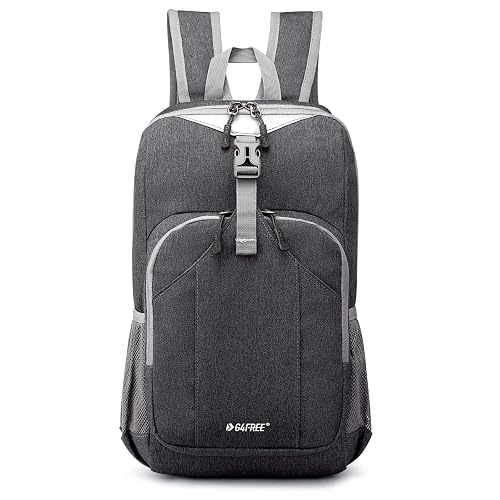
G4Free Mini 10L Hiking Daypack (Dark Grey)
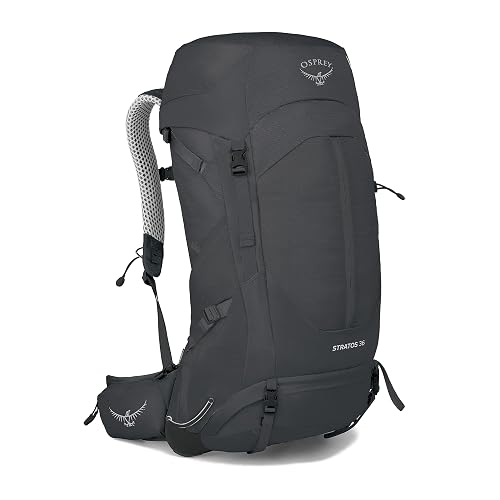
Osprey Stratos 36L Men’s Hiking Backpack (Grey)
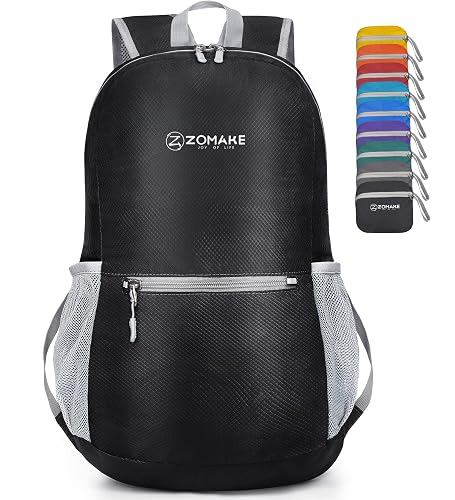
ZOMAKE Lightweight Packable Backpack 20L
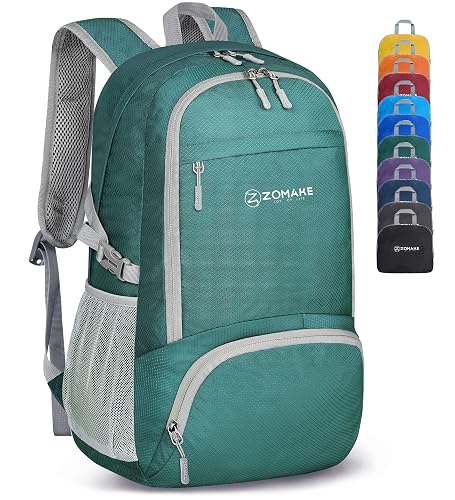
ZOMAKE Lightweight Packable Backpack 30L (Dark Green)
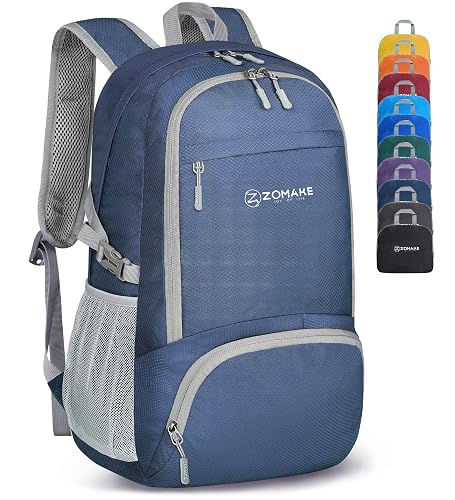
ZOMAKE Lightweight Packable Backpack 30L (Travel)
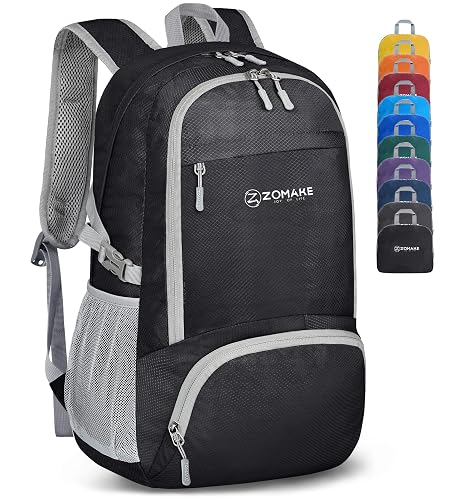
ZOMAKE Lightweight Packable Backpack 30L (Black)
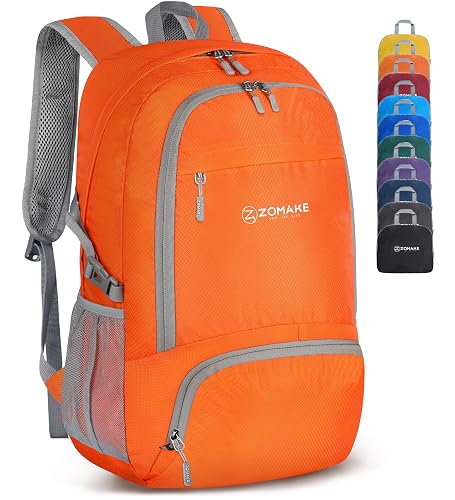
ZOMAKE Lightweight Packable Backpack 30L (Orange)
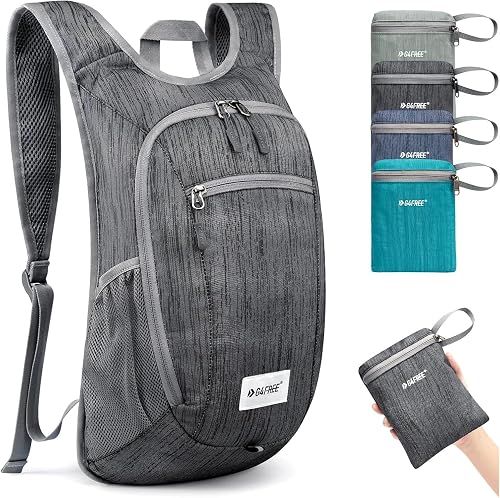
G4Free 10L/15L Packable Hiking Daypack
A Breakdown Of The Leading Choices
MOUNTAINTOP’s 25/30L pack sits in that comfortable middle ground where most day hikers live. It carries enough volume for a water reservoir, a rain shell, snacks, and a first-aid kit without forcing you to strap things to the outside. The dual-size labeling gives you room to size up for summer hikes with extra water or down for fast winter outings where you travel light.
For someone stepping into their first real day-hike pack, the approachable design removes most of the guesswork. You load it, tighten the straps, and walk.
The Upside
- Flexible 25L/30L sizing covers both lean and loaded trips
- Lightweight build keeps shoulder fatigue in check on long climbs
- Daypack layout suits ten-mile outings with room for layers
- Approachable for hikers upgrading from a casual daypack
Things To Consider
- Frame support is minimal, so heavy loads may feel floppy without cinching
- Ventilation runs through standard back-panel mesh rather than a suspended system
Made For
Beginner to intermediate day hikers who want one pack that flexes between seasons.
Skip It When
The Osprey Stratos 36L Men’s Hiking Backpack suits you better when you hike in humid conditions where airflow matters most.
G4Free’s 10L mini is more shoulder-bag than backpack, and that’s the point. On a short loop or a city hike that suddenly turns wooded, it carries water, a phone, keys, and a folded shell without the bulk of a full pack. The polyester shell shrugs off scrapes from branches and the occasional quick shower.
For trail walkers who treat ten miles as a casual Saturday morning rather than a gear-heavy mission, this little pack keeps things simple.
The Practical Payoff
- 10L capacity fits water, snacks, and a layer for short outings
- Compact 10.5 x 5 x 15-inch frame moves with you on switchbacks
- Tear-resistant polyester handles trail scrapes and daily wear
Worth Noting
- No hip belt, so the load sits on shoulders the whole hike
- Limited room for a hydration bladder beyond a small bottle in the side pocket
Right Fit For
Casual hikers, travelers, and cyclists who want minimal carry on short routes.
Reach For A Different Pick When
The ZOMAKE Lightweight Packable Backpack 30L (Dark Green) suits you better when ten miles means packing rain gear, lunch, and extra layers.
Where the first two picks keep things simple, the Osprey Stratos 36L steps in for the heat of summer or the long climb where your back ends up soaked. The AirSpeed suspension uses a tensioned mesh back panel that holds the pack slightly away from your spine, letting air move between you and the load. Recycled nylon (a fabric woven from reclaimed materials rather than virgin fibers) keeps the main body tough without piling on weight.
Compared to the MOUNTAINTOP earlier in this list, the Stratos costs more, but the suspension difference shows up on every steep ascent.
What Stands Out
- AirSpeed ventilated suspension keeps your back cooler on hot climbs
- 36L capacity handles overnight-leaning day hikes with extra layers
- bluesign-approved recycled nylon offers durability with lighter environmental impact
- Top-loading design with fixed lid for clean, organized packing
Honest Caveats
- Pricier than the packable options in this roundup
- More pack than you need on a quick five-mile loop
- Larger frame may feel overbuilt for hikers under 5’6″
Key Advantages
Who Should Grab It
Hot-climate hikers and committed trail users who want airflow and proven suspension over budget pricing.
Not Your Match When
The G4Free Mini 10L Hiking Daypack suits you better when a 36L pack feels like overkill for a casual half-day walk.
ZOMAKE’s 20L packable is the kind of bag you forget is in your suitcase until you need it. At roughly half a pound, it folds down to a softball-sized pouch and pops out ready to use when a flight connection turns into a trailhead. Water-resistant nylon handles a passing drizzle, though owners commonly advise against trusting it in a steady downpour.
For ten-mile hikes that begin with a road trip, this pack earns its place as a tucked-away backup.
Features That Help
- 0.5-pound packed weight disappears in luggage
- 20L capacity covers ten-mile days with water and a layer
- Water-resistant nylon shrugs off light rain and trail spray
- Inner pocket doubles as the pack-in pouch so there’s nothing to lose
Points To Note
- Strap webbing is thin compared to dedicated hiking packs
- Fabric dries slowly if soaked through on a wet day
Best Suited To
Travelers, road trippers, and apartment dwellers who want a stashable daypack on hand.
Look Elsewhere When
The Osprey Stratos 36L Men’s Hiking Backpack suits you better when real suspension and airflow matter on every climb.
The 30L ZOMAKE in Dark Green is the roomier sibling of the 20L version above, with two front pockets, two side pockets, and an inner privacy pocket for keys and cards. At about 0.74 pounds, it still folds into a stowable pouch, yet carries enough for a full day when weather or terrain demands extra supplies.
Compared to the MOUNTAINTOP, you trade structural support for stowability. That trade-off works for hikers who keep their loads light and want a pack that disappears in a duffel.
Positive Points
- 30L capacity fits layers, lunch, and a reservoir
- Water-resistant nylon holds up to drizzle and puddle splashes
- Multiple pockets keep small items sorted on the trail
- 0.74-pound carry weight keeps the load easy on shoulders
Trade Offs
- No frame or hip belt means heavy gear pulls on shoulders
- Fabric feels thin next to traditional hiking packs
- Zippers may need gentle handling when the bag is overstuffed
Feature Snapshot
Whose Shelf It Belongs On
Light-pack hikers who want extra room for weather and snacks without committing to a heavy frame.
Another Choice May Suit
The G4Free 10L/15L Packable Hiking Daypack suits you better when a true mini-pack handles the distance.
This ZOMAKE variant plays up its travel-hybrid identity. When packed down it tucks into roughly a 10 by 8 by 3.55-inch pouch, which slides into a jacket pocket or a carry-on side compartment. Once unfolded to about 19 by 13 by 7 inches, it’s a full daypack ready for a trailhead you didn’t plan in advance.
For ten-mile hikers who fly to trails or split their time between cities and summits, the bag handles both.
Reasons It Performs
- Sandwich-sized folded profile fits a jacket pocket
- 30L expanded volume handles full-day trail essentials
- Lightweight construction keeps travel weight low
- Useful as carry-on luggage to dodge overweight bag fees
Less Ideal Details
- Shoulder strap padding is minimal under heavy loads
- Water resistance is light, so a separate rain cover helps in storms
Perfect Match For
Frequent flyers, city-to-trail commuters, and minimalists packing for mixed trips.
Where A Sibling Pick Shines
The ZOMAKE Lightweight Packable Backpack 30L (Dark Green) works better when you want a more trail-toned color for outdoor settings.
Functionally identical to the other 30L ZOMAKE packables in this list, the black version just hides trail dust and city grime a little better. It’s a quiet, low-key bag that doesn’t draw attention on transit days or trailheads where you blend into the crowd.
For day hikers who want one pack for hiking, commuting, and weekends away, the neutral color earns its keep.
What Earns Its Place
- Black colorway masks dirt and scuffs between washes
- 30L volume handles full-day trail loads
- 0.74-pound carry weight disappears on the trail
- Multiple pockets organize keys, snacks, and small gear
A Few Limitations
- Same minimal frame as the other ZOMAKE packables, so heavier loads need care
- Not ideal in low-light conditions where bright colors help with visibility
The Right Fit
Hikers and commuters who want a single pack that looks clean in both settings.
Swap It Out When
The ZOMAKE Lightweight Packable Backpack 30L (Orange) suits you better when high-visibility color matters for safety.
The orange ZOMAKE swaps the muted look of its siblings for high-visibility color that catches the eye on gray trails and crowded trailheads. Group hikes, kids’ outings, and rescue-minded hikers tend to gravitate toward bright packs because they make spotting stragglers easier.
Beyond visibility, the spec sheet mirrors the rest of the 30L packable line, so you get the same fold-down convenience in a louder package.
Practical Pluses
- Bright orange color improves visibility on the trail
- 30L volume suits ten-mile days with room for layers
- Lightweight build at about 0.74 pounds
- Water-resistant nylon handles light weather
Small Caveats
- Bright color shows lint and pet hair more easily than darker versions
- No frame support, so heavy loads shift under fast movement
Who Will Love This
Group leaders, safety-conscious hikers, and parents who want kids easy to spot on the trail.
Where Another Pick Suits Better
The ZOMAKE Lightweight Packable Backpack 30L (Black) suits you better when you want a low-key color for city commutes.
G4Free’s two-size daypack gives you a choice between 10L and 15L, with polyamide (a tough, abrasion-resistant synthetic fabric often used in outdoor gear) handling the daily grind. It folds into its own inner pocket at roughly 7.5 by 6 inches, so it lives inside a checked bag and pops out when baggage weight limits matter. Once unfolded, it expands to 15.5 by 9 by 3.5 inches, ready for a quick trail loop.
Compared to the G4Free Mini 10L earlier in this list, the extra 5L gives you breathing room without much weight penalty.
Strong Points
- Two size options match different hike lengths
- Polyamide fabric resists tears and abrasion
- Compact folded size slips into checked luggage
- Lightweight build keeps the load easy on short routes
Things To Weigh
- Minimal padding makes heavy loads uncomfortable
- 10L version is tight for anything beyond water and a snack
Feature Card
Built With In Mind
Travelers and casual hikers who want a stowable pack that earns its space in luggage.
Consider Something Else When
The MOUNTAINTOP 25/30L Lightweight Hiking Backpack suits you better when you want a more traditional hiking pack frame for steady trail use.
What Matters When Picking A Daypack For Ten Miles
Pack Volume And Carry Weight
Capacity, measured in liters, tells you how much the bag can hold. For most ten-mile day hikes, a 20L to 30L range gives you room for water, layers, food, and a small first-aid kit without forcing you to overpack. Anything above 36L tends to invite extra weight you don’t actually need on a single-day outing. The empty weight of the pack itself matters just as much, because every extra pound compounds over miles.
Ventilation And Fit
Back-panel ventilation keeps sweat from soaking your shirt on the climb. Mesh designs, suspended back panels, and channeled foam each handle this differently. If you hike in warm or humid weather, airflow often matters more than a fancy frame. Look for adjustable straps that let you lock the load close to your back without choking your shoulders.
Storage And Organization
A single big pocket works for ultralight hikers, but most day hikers want at least one front pocket for a phone and snacks, plus side pockets for a water bottle. Inner sleeves for hydration reservoirs (the flat water bladders that sit inside a dedicated back-panel pocket and feed a drinking tube over your shoulder) add flexibility without bulk. The more pockets, the easier it is to find a granola bar at mile six.
Weather Resistance
Water-resistant fabric handles drizzle and puddle splashes, but it won’t keep contents dry in a downpour. If you hike in wet regions, a pack with sealed seams or a separate rain cover is worth the trade-off. The packable nylon options in this roundup lean toward fair-weather reliability rather than storm-grade protection.
Picking The Right Pack Without Overthinking It
Pitfalls Shoppers Hit
Lightweight packable bags are tempting, but they’re not built for heavy loads. Stuffing a 30L packable with a full water reservoir, two liters of extra water, and a heavy rain jacket leaves the seams stressed and your shoulders complaining by mile eight. Match the pack to your real carry weight, not the maximum it can technically hold.
Buying strictly by liter count also leads to overpacking. A 30L bag invites more stuff, and that extra weight offsets the empty-pack savings. Honest day hikers usually end up with one or two liters of unused space, which is a feature, not a problem.
When Paying More Pays Off
Premium ventilated packs like the Osprey Stratos earn their higher cost through suspension systems that move air across your back and frames that transfer weight to your hips. You feel the difference most on hot climbs and long days where cheaper bags turn into a sweat-soaked sponge. The upgrade makes sense for committed trail users, while casual hikers rarely need that level of support.
Frequently Asked Questions
How Many Liters Do I Need For A Ten Mile Day Hike?
A 20L to 30L pack usually covers ten miles comfortably, with room for water, snacks, a rain shell, and a small first-aid kit. Larger volumes work, but they tend to invite extra weight you don’t really need.
Are Packable Backpacks Durable Enough For Trails?
Packable nylon and polyamide packs handle light trails, dry weather, and casual use well. Heavier loads, sharp rocks, and frequent abrasion can wear them faster than traditional hiking packs, so pack light and treat the fabric gently.
Do I Need A Hip Belt On A Daypack?
For loads under about 15 pounds, a hip belt helps but isn’t essential. Heavier loads feel much better with one, because it shifts weight off your shoulders and onto your hips.
Can I Use A Packable Backpack As A Carry-On?
Yes, most packables fold small enough to fit inside a carry-on bag, which keeps you under airline weight limits. Some travelers use the packable as their personal item and keep their main bag in the overhead bin.
What’s The Difference Between Water-Resistant And Waterproof?
Water-resistant fabric sheds light rain and splashes for a short time, while waterproof fabric (often with sealed seams) keeps contents dry in steady rain. Most packable hiking packs are water-resistant at best, so a rain cover or dry bag helps in real storms.
Wrap Up
The right pack for ten miles is the one that disappears on your shoulders while carrying exactly what you need. Ventilated frames like the Osprey Stratos shine on hot climbs, while the ZOMAKE and G4Free packables win when stowability and weight savings matter most. Pick the bag that matches your real load, your climate, and your travel style, and the trail ahead feels a lot shorter.