
Your knees carry the weight of every uneven mile, and a good pair of sticks redistributes a surprising share of that load. The right pair can turn a punishing descent into a controlled stride and spare your ankles when the trail turns to loose rock. The wrong pair rattles in your pack, slips on wet roots, or leaves your shoulders aching long after the summit.
This roundup covers seven options that span the full range of hiking stick design, from a custom-fit Nordic pole built on ski-peg technology to ultralight carbon running poles. Whether you log weekend miles on Appalachian ridges, commute by foot across a wet city sidewalk, or just want steadier footing on neighborhood walks, the picks below cover most of the realistic scenarios you’ll actually face.
An Overview Of The Picks
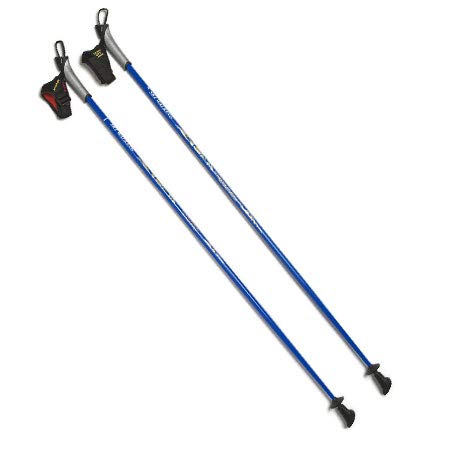
Nordic Walking Poles Custom Fit 1-Piece (32 Lengths)

Mountain Man Walking Stick 60″ Dark Wood
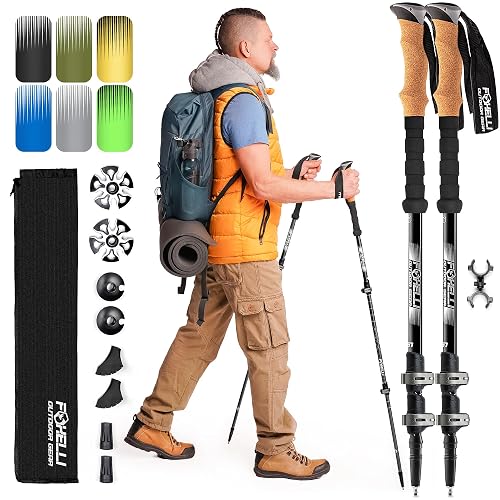
Foxelli Trekking Poles Aluminum Cork Grips
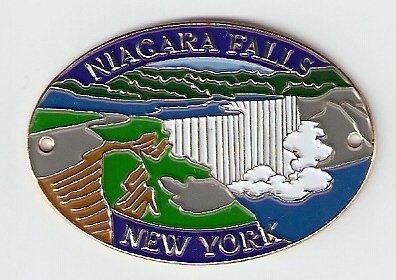
Niagara Falls Hiking Stick Medallion
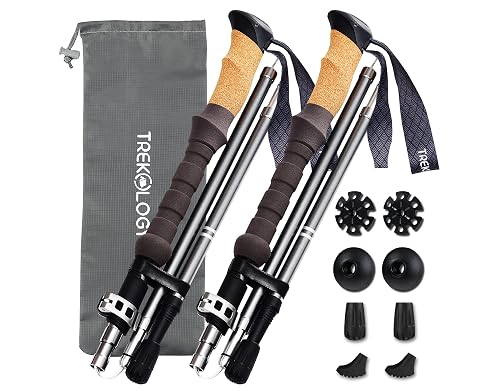
Trekology Trek-Z Cork Grip Collapsible Poles

LEKI Ultratrail FX.One Trekking Poles
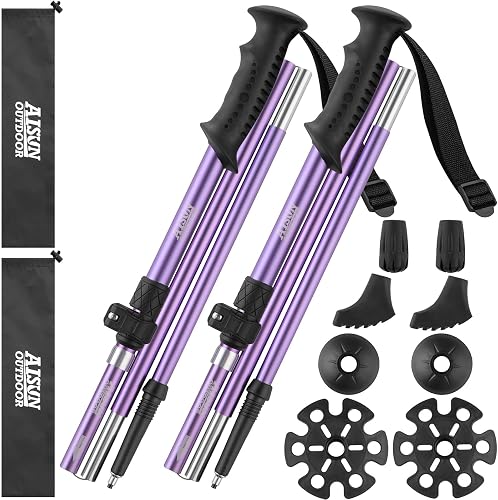
AISUNOURDOOR Lightweight Adjustable Trekking Poles
More Details On Our Top Picks
These poles are built in real ski factories, and you can feel the difference the moment you put weight on them. Rather than the twist-lock or flip-lock collapsible design that dominates the rest of this list, American Nordic Walking System ships a single rigid shaft cut to one of 32 specific lengths, with assembly finished at the brand’s US headquarters. You submit your barefoot height and they match you to a custom fit.
The setup makes the most sense for fitness walkers, urban pavement pounders, and people in physical therapy who want a Nordic-style pole without the wobble of folding joints. Compared to the all-terrain aluminum options further down, this is a purpose-built urban and rehab tool with serious trail credentials when you swap the rubber paws for carbide tips.
What Works In Its Favor
- One-piece shaft eliminates joint wobble under heavy load
- Custom length matched to your barefoot height for proper elbow angle
- Includes removable rubber paws for pavement and indoor tracks
- Carbide metal tips handle trails, grass, sand, snow, and ice
- Real Nordic straps that secure the wrist without restricting motion
Things To Consider
- Non-collapsible means it won’t fit in a backpack or airline carry-on
- Fixed length can’t be shared between users of different heights
- Heavier feel than carbon or ultralight aluminum alternatives
Who It Suits Best
Daily fitness walkers, urban commuters, and physical therapy patients who want a precise custom fit and a stiffer shaft than folding designs offer.
Consider Something Else When
Backpackers packing into a tent should look at the Trekology Trek-Z instead, since those collapse to a much shorter carry length.
Where every other pick on this list is a modern two-pole trekking system, the Mountain Man is a single solid-wood staff cut to 60 inches and hand-finished in the USA. The dark wood grain gives it a traditional look that pairs with jeans as easily as hiking boots, and a leather wrist strap adds a handcrafted touch.
This is a casual hiking stick rather than a pair of adjustable trekking poles, so it suits someone who wants a single companion staff for flat woods trails, neighborhood walks, or photo-worthy outdoor events. It is not a pole for pace-pushing trail runners or ultralight backpackers, but it fills a real niche.
Where It Delivers
- Single handcrafted piece with smooth polished finish
- Leather wrist strap for a secure, traditional grip
- Rubber tip on the bottom grips pavement and dirt
- Solid wood construction handles wear over time
- Full 60-inch length suits taller users who find adjustable poles too short
Points To Keep In Mind
- Fixed height won’t suit users under roughly 5’8″ without trimming
- Single stick can’t match the bilateral balance of a trekking pair
Made For
Casual hikers and walkers who want a single decorative staff for day trips, photo hikes, or steadier footing on uneven ground.
Look Elsewhere When
Anyone who needs a matched pair for long-distance trekking should step up to the Foxelli Aluminum Cork Grips poles instead.
Foxelli is the most balanced pick on the list for a hiker who wants a real pair of poles without thinking about them. The shafts are aircraft-grade aluminum, the grips are natural cork, and the flip locks adjust the height in seconds. At 9.4 ounces per pole, they disappear in your hand after a few miles of swinging.
They collapse down to roughly 21 inches, which is short enough to lash to the side of most daypacks. Compared to the carbon LEKI option further down, you trade a small amount of weight savings for a noticeably friendlier price and aluminum’s reputation for handling abuse without snapping.
A Strong Showing
- Light enough at 9.4 oz per pole to swing all day
- Cork grips absorb sweat and conform to your grip over time
- Flip locks are faster to adjust than twist locks in cold weather
- Comes with all-terrain tip accessories for mud, snow, and pavement
- Collapses to 21 inches for easy pack stashing
Worth Noting
- Aluminum transmits more vibration than carbon on rocky descents
- Aluminum shafts can bend under extreme cross-load rather than snapping cleanly
Key Product Details
Best Suited To
Weekend trail hikers and backpackers who want a versatile pair they can trust on everything from a paved greenway to a rocky ridge.
Where Another Pick Suits Better
Trail runners chasing PRs should reach for the LEKI Ultratrail FX.One, which is built specifically for running form and pace.
This is the only item on the list that isn’t a hiking pole at all, and that is exactly why it earns its spot. The Niagara Falls Hiking Stick Medallion is a small cast metal plate depicting the American Falls, designed to be nailed onto a hiking staff, paddle, or walking stick as a trail marker or souvenir.
It reflects a long-standing European tradition of marking sticks with regional medallions at notable points on a long-distance walk. For someone who already owns a plain staff and wants to commemorate a specific journey, this is a simple way to add a personal touch.
What It Does Well
- Depicts the American Falls scene in detail
- Can be gently shaped to curve along a staff
- Works on staffs, paddles, and other wooden implements
- Includes nails for affixing to your stick
Trade Offs
- Pre-drilling pilot holes is recommended before nailing
- Single regional scene won’t appeal to hikers outside the area
Whose Shelf It Belongs On
Anyone who already owns a plain wooden staff and wants to commemorate a specific hike with a personal memento.
Reach For A Different Pick When
You need actual support on the trail. The Mountain Man Walking Stick is a complete functional staff, while this medallion is a decoration for one.
The Trek-Z collapses small enough to live in a carry-on, which is its main pitch and a useful one. The shafts use aero-grade aluminum for a balance of light weight and abuse tolerance, and the cork grips are the same material you would find on more expensive setups. The flip locks adjust height in seconds.
It fills the same role as the Foxelli but is built specifically with the pack-first traveler in mind. Backpackers who count grams and travelers hopping between cities will appreciate the packing size more than the minor weight difference between this and the Foxelli option above.
The Value In It
- Aero-grade aluminum balances light weight with bending resistance
- Cork grips handle sweaty palms on summer climbs
- Compact collapsed size fits most luggage
- Flip locks adjust without removing gloves
Small Caveats
- Aluminum shafts transmit more trail vibration than carbon options
- Lock tension should be checked periodically on rough terrain
Key Product Details
Who Should Grab It
Backpackers and travelers who want a pair that collapses to suitcase size and can handle multi-day treks without adding weight penalties.
Swap It Out When
Pure trail runners covering serious mileage should look at the LEKI Ultratrail FX.One for its carbon weight savings.
The LEKI Ultratrail FX.One is the running-focused pole on the list, and it shows in every spec. Carbon construction keeps each pole near a quarter-pound while staying rigid enough for the hard push-off that trail running form demands. At the press of a button, the shafts separate into three 14.5-inch sections that fit in a running vest or pack.
The Trail Trigger Shark Grip is a foam grip that conforms to your hand and vents heat on hard efforts. For someone training for an ultramarathon or logging fast miles on technical terrain, this is the right tool. The price reflects it.
Standout Benefits
- Carbon shaft saves meaningful weight for long efforts
- Three-section fold packs down to 14.5 inches for vests
- Foam grip stays comfortable on hot, sweaty climbs
- Button release for fast deployment and breakdown
A Few Limitations
- Premium price puts it out of reach for casual walkers
- Carbon demands more care to avoid impact damage on rocks
Key Product Details
Perfect Match For
Trail runners and ultrarunners who want a carbon pole engineered for race-pace effort and technical terrain.
Not Your Match When
Casual weekend hikers will overpay for features they won’t use. The Foxelli Aluminum Cork Grips poles cover that use case at a fraction of the cost.
Most trekking poles are sized for average adult heights, which is exactly the gap the AISUNOURDOOR pair fills. The shafts retract from 51 inches down to 43 inches, which is short enough for many women, teens, and older children to grip without overextending. The aluminum construction keeps each pole at roughly 11 ounces, and a disposable raincoat ships in the box for surprise showers.
Compared to the Foxelli and Trekology options above, you get a smaller size range and a less proven brand. For families outfitting a kid or a shorter adult, that tradeoff is often worth it.
Useful Touches
- Adjustable from 43 to 51 inches to fit shorter users
- Aircraft-grade aluminum shaft at 11 oz per pole
- Collapsible design fits in luggage for travel
- Includes a disposable raincoat for sudden weather
Honest Caveats
- Maximum length won’t suit tall users above 6 feet
- Less established brand than competitors in this category
Right Fit For
Women, teens, and kids who need a shorter adjustable pair, plus first-time users who want a disposable raincoat included.
Skip It When
Taller hikers should reach for the Foxelli Aluminum Cork Grips poles, which extend to 54 inches.
What To Weigh Before Choosing A Pair Of Lightweight Hiking Sticks
Material And Weight Tradeoffs
Aluminum shafts handle impact and bending without snapping cleanly, which is forgiving for beginners who occasionally catch a tip on a rock. Carbon shafts cut weight and dampen vibration on long descents, but they can crack under sharp cross-loads. For most weekend hikers carrying a daypack, the aluminum options like the Foxelli and Trekology offer the best balance. Ultralight backpackers and trail runners benefit more from carbon despite the price.
Lock Type And Adjustability
Flip locks, also called lever locks, adjust in seconds with gloves on and stay reliable in cold, wet, or muddy conditions. Twist locks are lighter and slimmer but can slip if not tightened correctly each time. For anyone who changes elevation often on a hike, flip locks save real frustration.
Grip Material And Comfort
Cork grips absorb sweat, soften with use, and stay cooler than hard plastic in summer. Foam grips are lightest and conform quickly to your hand, but they wear out faster. Rubber grips are common on budget poles but can chafe bare hands in warm weather and feel cold in winter. For most users, cork is the sweet spot for all-season comfort.
Size And Packability
Collapsed length matters more than weight for backpackers and travelers. Poles that fold to 21 inches or less stash in luggage and most daypacks. A non-collapsible pole like the Nordic Walking option is more rigid but rules out air travel and tight pack storage.
Key Considerations Across These Picks
Mistakes Worth Dodging
Buying poles that are too long is the most common error, and it shows up as elbow fatigue and shoulder strain within the first few miles. A proper fit leaves your elbow at roughly a 90-degree angle when the tip is on the ground next to your foot. Skipping the rubber paw tips for pavement use is another quiet mistake, since bare carbide tips wear fast and slip on hard surfaces.
When Paying More Pays Off
The jump from aluminum to carbon, as on the LEKI Ultratrail, buys meaningful weight savings for runners and ultralight backpackers covering big miles. Higher-end poles also tend to use better cork, tighter tolerances on the locks, and longer warranties from established brands. For a casual weekend hiker, the value pick wins; for someone logging serious training mileage, the upgrade usually pays back in comfort and reduced joint stress.
Frequently Asked Questions
How Do I Know What Length Pole I Need?
A simple rule is to bend your elbow at 90 degrees while the pole tip is on the ground next to your foot. Your forearm should be parallel to the ground when the height is correct. Adjustable poles make this easy to dial in mid-hike, while fixed-length poles like the Nordic option require a custom fit from the start.
Are Trekking Poles Worth It For Day Hikes?
For routes with significant elevation, loose terrain, or stream crossings, poles reduce impact on knees and ankles on descents. On flat, smooth trails, the benefit shrinks. Many casual hikers find them more useful than expected once they try them on a real descent.
Can I Use The Same Poles For Hiking And Trail Running?
Some poles, like the LEKI Ultratrail, are designed to handle running form with foam grips and quick breakdown. Standard hiking poles with cork grips and flip locks work for jogs but feel heavy and awkward at race pace. Match the pole to the activity you do most.
Do Collapsible Poles Break Easily At The Joints?
Modern aluminum and carbon collapsible poles hold up well under normal use, though the locking mechanism is the most common failure point over years of service. Periodic inspection and keeping sand out of the joints extends their life. Treat them like tent poles, not baseball bats, and they last.
How Should I Maintain Cork Grips?
Cork grips clean up with a damp cloth and mild soap, and they appreciate occasional rubbing with fine sandpaper to remove surface grime. Avoid soaking them or leaving poles in wet cars overnight, since prolonged moisture can degrade the adhesive holding the cork to the shaft.
Closing Remarks
A reliable pair of poles quietly extends your hiking years by sharing the load your knees would otherwise absorb alone. Match the build to your terrain and your stride, and the right pair fades into the background while doing the real work. Pick the option that fits where you actually hike, not the one with the most features on paper.