
Choosing the right pack makes the difference between a focused stalk and a miserable slog. Whether you’re hauling gear into elk country or slipping through oak brush for whitetails, weight on your back compounds with every mile. The eight packs below cover everything from ultralight day use to meat-hauling capability, with clear calls on who each one actually serves.
The Main Contenders
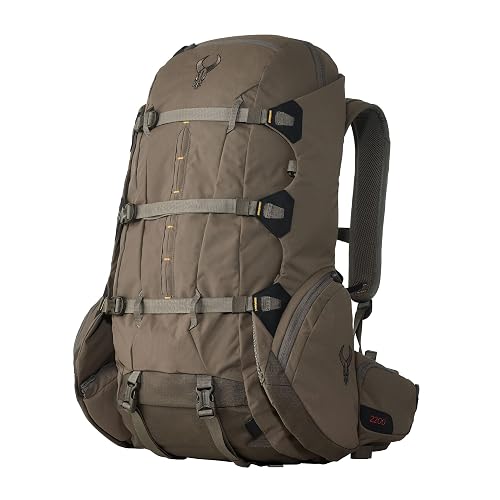
Badlands 2200 Hunting Pack
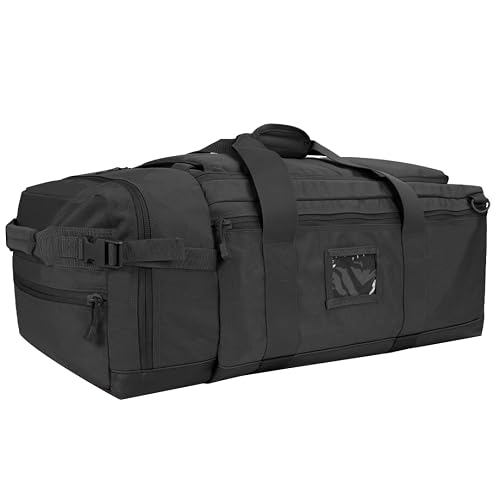
Condor Colossus Duffel Bag
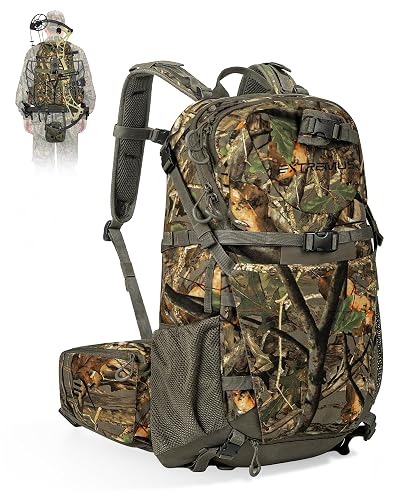
Extremus Timber Trail Hunting Backpack

YVLEEN Waterproof Camo Day Pack
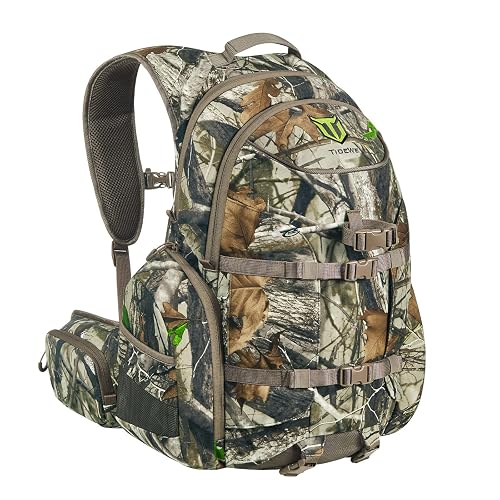
TIDEWE 40L Camo Hunting Backpack
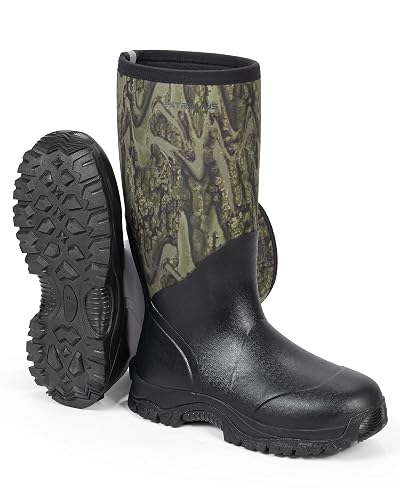
Extremus MudRidge Rubber Boots
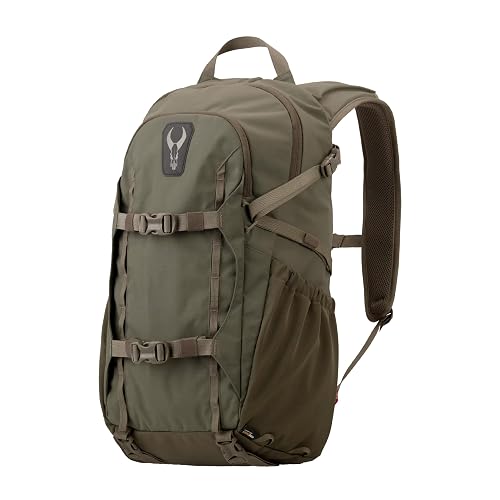
Badlands ATX All-Terrain Pack
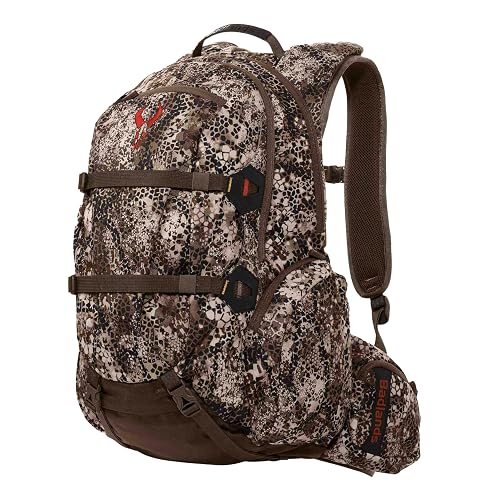
Badlands Superday Hunting Backpack
The Details Behind The Selections
The 2200 is the pack you reach for when success is measured in pounds of meat strapped to your frame. Its integrated hauling shelf turns the pack itself into a game cart, a feature that matters more than any pocket count on a multi-day hunt. Hunters packing deep into public land for elk or moose tend to value this kind of purpose-built hauling more than modular expandability.
Compared to the smaller ATX later in this list, the 2200 leans into capacity and load tolerance rather than agility. The molded foam suspension conforms over time, and the reverse-pull waist belt lets you cinch under load without losing leverage. It’s overkill for a still-hunter on a food plot, but exactly right for someone trekking into remote basins.
A Few Strong Suits
- Built-in meat shelf converts the pack into a game hauler, saving you from dragging quarters by hand
- Reverse-pull waist belt gives you real leverage when cinching down under heavy load
- Molded memory foam suspension softens over time, conforming to your torso shape
- Substantial main capacity handles multi-day backcountry trips without needing external bungee hacks
- Reinforced frame design supports loads that would buckle lighter daypacks
Things To Consider
- The bulk makes it the wrong tool for spot-and-stalk whitetail where stealth matters more than volume
- Heavier empty weight than minimalist daypacks, so the “lightweight” framing only applies once loaded
- Owners commonly note the haul system requires practice to balance properly on uneven terrain
Who It Suits Best
Western big-game hunters planning multi-day trips where meat transport is a real concern, not a hypothetical.
Look Elsewhere When
The Badlands Superday is a better match for hunters running quick morning sits who never expect to pack out more than a boned-out shoulder.
The Colossus isn’t a backpack in the traditional sense, and that’s the point. It’s a duffel sized for the gear pile you need at base camp, not the load you want on your spine for six miles. Truck hunters, outfitters, and folks driving into a wall tent will recognize the value immediately.
Where the Badlands 2200 above is built to be carried, the Colossus is built to be loaded into a truck bed or a canoe. The tradeoff is comfort, since duffel straps don’t distribute weight the way a framed harness does. Used as a secondary hauler alongside a primary pack, it earns its keep.
The Helpful Details
- Generous duffel volume swallows sleeping bags, pads, cooking gear, and camp extras in one trip
- Wide opening makes packing and unpacking faster than fishing through a narrow pack mouth
- Reinforced construction handles rough handling on ATV racks and truck beds
- Doubles as a gear-hauler for non-hunting trips, which broadens its usefulness year-round
Worth Noting
- No internal frame, so it carries poorly over long distances on foot
- Open duffel design exposes contents to rain unless you add a separate liner
- Not a substitute for a true hunting pack during active stalks
Made For
Outfitters, truck-based hunters, and anyone needing one bag to consolidate all the camp-side gear that doesn’t need to ride on your back.
Consider Something Else When
The TIDEWE 40L is a smarter pick if your hunting style involves any serious hiking between the truck and your glassing spot.
The Timber Trail is aimed at hunters who refuse to pick between rifle season and bow season, and want one pack to handle both. The integrated 3-in-1 carry system supports firearms, bows, and oversized gear like tree stands or climbing sticks. Mobile hunters who swap weapons based on the hunt will appreciate that flexibility.
Compared to the dedicated hauling focus of the Badlands 2200 earlier, this pack spreads its design effort across versatility. Ammo loops on the waist belt and quiet fabric are thoughtful touches that show real use-case awareness. It won’t pack out an elk quarter, but it isn’t trying to.
Real-World Strengths
- 3-in-1 carry system handles rifles, tree stands, and climbing sticks in one pack
- Quiet fabric reduces noise when shouldering into a stand or slipping through dry leaves
- Waist belt ammo loops keep shells or cartridges accessible without digging into the main compartment
- Weather-resistant shell shrugs off light rain and morning dew on exposed sits
- Designed for active hunters who glass, stalk, and settle in the same day
Trade Offs
- No meat-haul shelf, so packing out game requires improvisation
- Modular attachments add complexity that minimalist hunters may find unnecessary
- Loaded weight climbs fast when carrying both weapon and stand externally
Key Product Details
Right Fit For
Active rifle and bow hunters who want one pack to handle varied weapon setups across a season.
A Better Fit Elsewhere
The YVLEEN Camo Day Pack is a simpler, lighter choice if you only need one weapon carry and basic organization without all the modularity.
The YVLEEN is an entry point into hunting packs without a punishing price tag. It bundles bow and rifle carry into one pack, with enough organizational pockets to keep calls, gloves, and rangefinders separated. For hunters building their first kit, that’s a sensible balance.
Where the Extremus Timber Trail above leans into modular weapon systems, the YVLEEN keeps things simpler with a more straightforward layout. The waterproof shell is a real feature in soggy coastal hunts or wet snow. It won’t survive the abuse of a heavy elk quarter, but it isn’t pretending to.
A Few Highlights
- Waterproof shell keeps gear dry through rain, snow, and wet vegetation
- Dedicated rifle and bow holders reduce the need for separate sling carry
- Lightweight construction suits hunters who cover ground without needing massive capacity
- Camo pattern blends into common North American hunting environments
- Accessible price point for newcomers building essential gear
Room For Improvement
- Frame support is lighter than premium options, so loading it down causes shoulder fatigue
- Less durable than higher-end packs under repeated heavy hauling
- Owners commonly report the stitching at high-stress points benefits from field reinforcement
Best Suited To
New hunters, occasional weekend trips, and anyone who needs a reliable pack without committing to premium pricing.
Skip It When
The TIDEWE 40L offers more refined construction and a higher-volume frame if your hunts push past short day trips.
TIDEWE built this pack around the spot-and-stalk hunter who values empty weight as much as total volume. At roughly 3.7 pounds, it disappears on your back during long approaches, and the polyester shell resists the abrasion of sage and oak brush. It’s the closest thing to a do-it-all option in this list.
Compared to the heavier Badlands 2200 earlier, the TIDEWE sacrifices raw meat-hauling capability for everyday versatility. The 40-liter capacity handles a full day of glassing, calling, and still-hunting without forcing you to leave essentials behind. Most hunters will use 80% of this pack’s capacity on a typical outing.
What Makes Sense
- Lightweight 3.7-pound empty weight reduces fatigue over multi-mile stalks
- 40-liter capacity balances day-trip volume with packability on tight trails
- Multi-pocket layout keeps calls, gloves, snacks, and optics separated for fast access
- Durable polyester shell stands up to brushy terrain and repeated loading
Points To Keep In Mind
- Not designed for packing out heavy boned meat on its own
- Smaller frame than dedicated hauling packs, so comfort drops under loads above 30 pounds
Quick Facts
Who Should Grab It
Deer hunters running spot-and-stalk tactics who want one pack that handles most of their season without specialization.
Swap It Out When
The Extremus Timber Trail is a stronger choice if your season rotates between rifle and bow setups and you want dedicated carry for both.
The MudRidge boots aren’t a pack, but they belong in any honest list of lightweight hunting gear. Wet feet end hunts faster than bad packs do, and a fully waterproof rubber boot handles creek crossings, marsh edges, and morning frost without hesitation. Pair them with the TIDEWE 40L above for a balanced wet-weather kit.
The 100% waterproof rubber construction trades breathability for absolute moisture protection. For early-season hunters in swamps, coastal flats, or rain-soaked timber, that tradeoff is usually correct. Late-season dry-cold hunters may prefer a more breathable boot instead.
Where It Delivers
- 100% waterproof rubber build handles submerged crossings and deep mud
- Easy to clean after a muddy hunt, since rubber sheds debris without special treatment
- Durable construction suited to rough ground, thorns, and rocky stream beds
- Reliable traction across slick surfaces common in lowland hunting terrain
A Few Limitations
- Limited insulation, so cold-weather hunters may need thick socks or a lined boot
- Rubber construction runs warm during high-exertion stalks in mild weather
Whose Shelf It Belongs On
Wetland, swamp, and early-season hunters who routinely cross water or hunt rain-soaked ground.
Another Choice May Suit
Dry-climate deer hunters may find a traditional leather hiking boot more breathable for long silent stalks.
The ATX is the smallest, lightest pack in the Badlands All-Terrain Xtreme lineup, and that brevity is the design brief. It’s built for hunters who carry the bare essentials and value agility over capacity. If you’ve ever carried more pack than you needed and regretted it, this one’s aimed at you.
Where the larger Badlands 2200 earlier targets multi-day hauling, the ATX stays focused on day hunts with modular expandability. Compatibility with Badlands hydration reservoirs, SWAP accessories, and Bino Connect harnesses lets you build out the rig as your needs evolve. It’s a starting point that grows with you.
Everyday Perks
- Lightest and smallest pack in the ATX series, ideal for fast day hunts
- Water-resistant shell handles light precipitation and morning dew
- Modular compatibility with Badlands hydration, SWAP, and Bino Connect systems
- Tough construction relative to its size, built for rough daily use
- Lower empty weight reduces fatigue over multi-mile approaches
Softer Spots
- Smaller capacity limits what you can carry on longer sessions
- Modular accessories sold separately, so total cost climbs as you build out the system
- Less suited for packing out significant meat loads
Feature Card
Built With In Mind
Day hunters who already use or plan to invest in the Badlands modular accessory ecosystem.
Reach For A Different Pick When
The Badlands Superday is a stronger match if you want a simple daypack without committing to a full modular accessory system.
The Superday earns its name by handling the most common hunting scenario: a morning sit, an evening stalk, and the gear you need for both. It strips away the hauling complexity of the bigger Badlands packs and keeps the layout clean. For most hunters on most days, that’s the right call.
Compared to the modular ATX covered just above, the Superday takes a simpler approach with everything integrated rather than expandable. You give up some customization, but you also avoid buying accessories you’ll leave in the closet. It’s the pack many hunters will reach for most often.
Advantages To Know
- Streamlined daypack design keeps weight low and movement unrestricted
- Badlands construction quality at a smaller, more accessible size
- Layout covers optics, calls, layers, and snacks without overbuilt complexity
- Suitable for the majority of still-hunting and short stalk scenarios
Honest Caveats
- Limited capacity rules out multi-day backcountry use
- Less expandable than modular options if your system grows over time
- Not designed to haul meat or bulky camp gear
The Right Fit
Whitetail hunters, morning and evening sit-and-stalk setups, and anyone running a typical seasonal hunt without backcountry ambitions.
Where A Sibling Pick Shines
The TIDEWE 40L offers more volume and refined pocket organization for hunters who want extra capacity without going full hauling pack.
Matching The Pack To Your Hunt
Weight on your back compounds faster than most newcomers expect, and the right pack depends more on your hunting style than on specs alone. Start by defining how far you typically walk, how much meat you might pack out, and whether you rotate weapons through the season.
Capacity vs Weight
A pack’s liter rating tells you volume, but empty weight tells you what you’ll feel after five miles. Day hunters covering ground usually benefit from staying under four pounds empty, while haulers need frames that support weight more than they need low empty weight. The TIDEWE 40L balances both, while the Badlands 2200 prioritizes load support.
Carry System Fit
Weapon compatibility varies wildly between packs, and the wrong choice means strapping a rifle awkwardly to your shoulder. Dedicated bow carriers need different geometry than rifle scabbards, and modular systems like the Extremus Timber Trail handle both, with added complexity. Pick the system that matches your primary weapon.
Weather and Terrain
Wet woodland, dry mountains, and open prairie each punish packs differently. Waterproof shells like the YVLEEN excel in rain and snow, while breathable polyester suits dry climates. Reinforced bottoms and high-denier fabric matter more in rocky, abrasive terrain than on gentle farmland.
Comfort Under Load
A pack that feels fine empty can wreck your shoulders loaded with thirty pounds of gear. Padded waist belts, load-lifting stays, and ventilated back panels all matter once you commit to longer hauls. Test fit with weight before trusting any pack on a remote hunt.
Key Considerations Across These Picks
Where Shoppers Go Wrong
The most common mistake is buying a pack sized for hypothetical hunts instead of real ones. Many shoppers pay for hauling features they’ll never use, or pick ultralight daypacks that fall apart on the first multi-day trip. Match the pack to your actual hunting distance, typical load, and weapon setup, not to imagined worst-case scenarios.
When Paying More Pays Off
Premium packs earn their cost through frame quality, fabric durability, and refined suspension systems that survive years of hard use. A budget pack makes sense for occasional weekend hunts, but hunters logging dozens of days per season usually see the upgrade pay back through longevity and reduced fatigue. Badlands-built packs like the 2200, ATX, and Superday illustrate the long-term value case.
Frequently Asked Questions
What size hunting pack do I need?
Most day hunters do well with 30 to 45 liters of capacity, while multi-day trips and meat hauls often require 50 liters or more. Match the size to your typical hunt distance and the gear you actually carry.
How important is empty pack weight?
Empty weight matters a lot on long stalks, since every pound compounds over miles. For stationary hunters near a vehicle, frame strength matters more than low empty weight.
Can one pack work for rifle and bow hunting?
Yes, modular packs like the Extremus Timber Trail include carry options for both weapons. Dedicated single-weapon packs are simpler but less flexible across a mixed season.
Do I need a meat hauler built into my pack?
Only if you hunt big game in remote areas where packing out quarters is a real possibility. Whitetail hunters who boned-out harvest near a truck rarely need dedicated haul systems.
How do I maintain a hunting pack?
Most packs benefit from spot cleaning, air drying after wet hunts, and occasional zipper lubrication. Avoid machine washing, since it can damage frames and coatings.
Wrap Up
The right lightweight hunting pack fits your actual hunt, not your imagined one. Match capacity to distance, weapon carry to your primary setup, and frame strength to the loads you expect to carry. The packs above cover the realistic range from morning sits to multi-day meat hauls, so the honest work is picking the one that matches your season.