
You spend hours researching a trail, packing the right snacks, checking the weather radar, and still your feet end up blistered two miles in because you grabbed whatever shoe looked decent at the store. Lightweight hiking footwear changes that math completely, letting you move faster, fatigue less, and actually enjoy the view from the summit instead of counting every step back to the trailhead.
The Lineup, Simplified
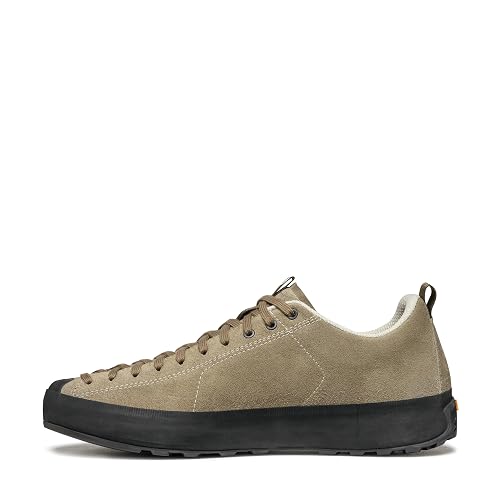
SCARPA Mojito Wrap Walking Shoes
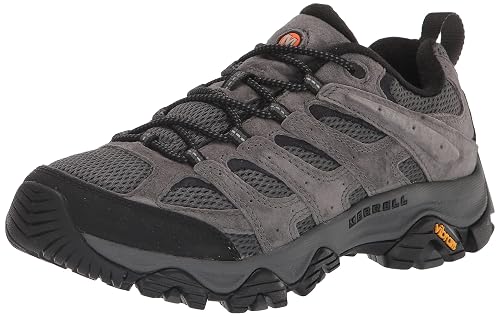
Merrell Moab 3 Hiking Shoe
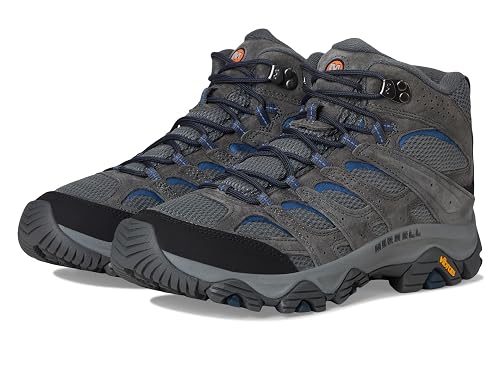
Merrell Moab 3 Mid Hiking Boot
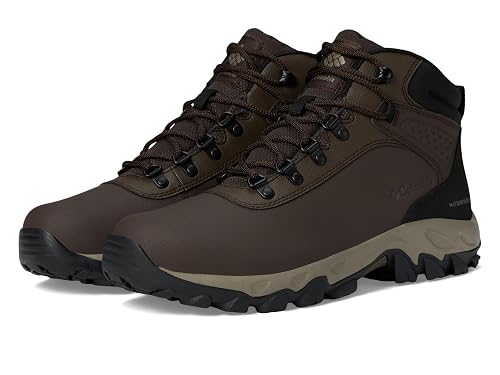
Columbia Newton Explorer
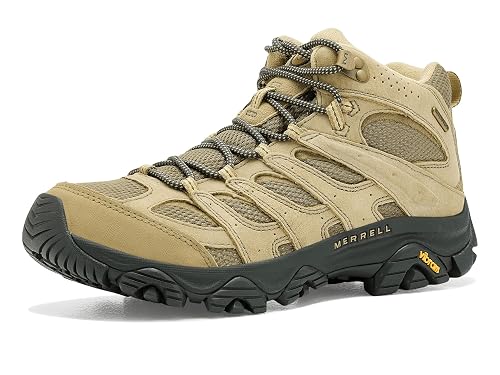
Merrell Moab 3 Mid Waterproof Hiking Boots
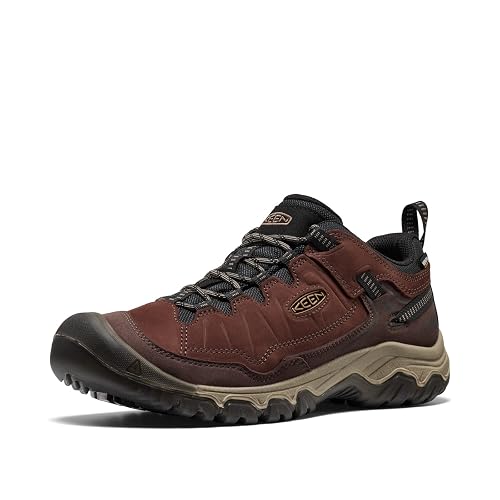
KEEN Targhee 4 Low Waterproof Hiking Shoes
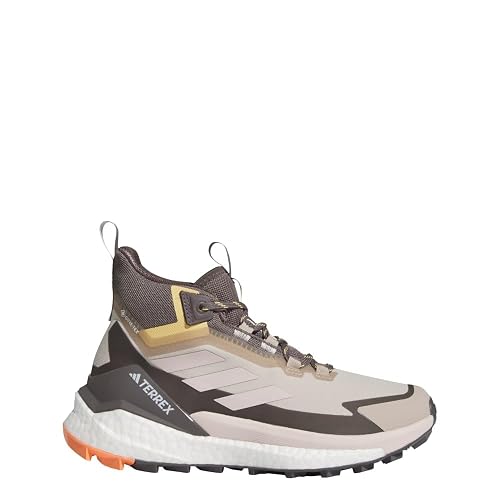
Terrex Free Hiker Gore-TEX 2.0 Hiking Shoes

KEEN KS86 Retro Style Sneakers
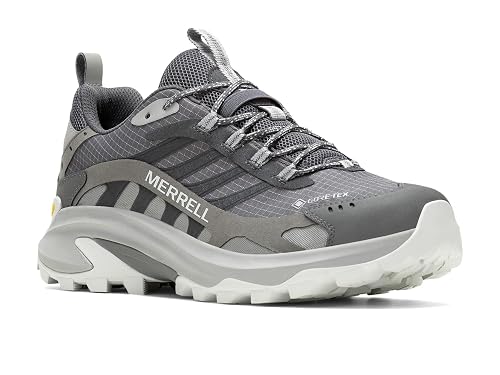
Merrell Moab Speed 2 GTX
Taking A Closer Look At The Options
The SCARPA Mojito Wrap borrows more from a climbing approach shoe than a traditional hiking boot, and that shows in how it handles mixed terrain. You get a low-profile suede-style upper that hugs the foot and lets you feel the ground beneath, which is exactly what scramblers and fast day-hikers tend to want. Compared with the Merrell Moab 3 in this lineup, the Mojito Wrap is noticeably less cushioned and far more nimble underfoot.
The minimalist last works in your favor on technical ground where foot placement matters more than plush comfort. For most day hikes under eight miles, this shoe delivers the agility people love about approach footwear without feeling punishing on the descent.
A Favorable Mix
- Low-profile build lets your feet feel the trail, helping with precision footing on rocky climbs.
- Lighter than full hiking boots, so your legs stay fresher on long approaches.
- Climbing-inspired construction transitions well from trailhead to easy scrambling sections.
- Suede-style upper conforms to the foot over time, creating a personalized fit.
Worth Bearing In Mind
- Minimal cushioning can feel harsh on long hauls or hard-packed surfaces.
- Lacks a waterproof membrane, so wet grass and stream crossings soak through quickly.
- Narrower last may not flatter wider feet.
Made For
Fast day hikers and scramblers who want approach-shoe feel with enough structure for trail miles.
Swap It Out When
Long wet routes call for the Merrell Moab 3 Mid Waterproof Hiking Boots, which adds weather sealing and mid-cut support.
The Merrell Moab 3 is the shoe most casual hikers end up reaching for, and version 3 keeps that reputation intact with refined cushioning. You step into them and they feel broken-in already, which matters when your weekend plans include a spontaneous trail on a Tuesday. Compared with the SCARPA Mojito Wrap earlier, the Moab 3 trades ground-feel for plush comfort.
The Vibram outsole gives reliable traction on dirt, gravel, and damp roots without feeling clunky. For most day-hike scenarios, this is the shoe that disappears on your foot in the best possible way.
Reasons It Performs
- Updated midsole delivers softer landings on long descents.
- Vibram outsole grips confidently on loose and uneven surfaces.
- Comfortable enough to wear straight from the parking lot to the summit without break-in.
- Roomy toe box accommodates thicker hiking socks comfortably.
Trade-Offs To Consider
- Non-waterproof build lets moisture seep through during stream crossings or morning dew.
- Slightly heavier than minimalist trail runners in this list.
Key Specs
Right Fit For
Casual hikers who want a versatile, comfortable shoe for dry trails and varied terrain without a steep learning curve.
Look Elsewhere When
Wet conditions demand the Columbia Newton Explorer, which layers in waterproof protection for muddy shoulder-season hikes.
The Moab 3 Mid takes the familiar Moab platform and adds a higher collar, which translates to real stability when the trail tilts sideways. You feel that difference most when you’re carrying a loaded pack down a rocky descent, where ankle roll becomes a genuine concern. Versus the low-cut Moab 3 reviewed earlier, the Mid trades airflow for confidence.
The cushioned midsole and Vibram outsole carry over from the standard version, so you’re not giving up comfort for support. For most hikers tackling uneven terrain with weight on their back, this mid-cut is the safer pick.
Features That Help
- Mid-cut collar stabilizes the ankle on uneven ground and heavy loads.
- Same refined cushioning as the low-cut Moab 3 for familiar comfort.
- Vibram outsole continues to grip reliably across mixed surfaces.
- Roomy toe box suits longer days when feet swell.
Some Limits To Know
- Higher collar adds noticeable weight compared with low-cut hiking shoes.
- Non-waterproof construction struggles in sustained wet weather.
- Hot climates can feel restrictive around the ankle.
Whose Shelf It Belongs On
Hikers carrying heavier packs on rough terrain who want ankle stability without moving to a full backpacking boot.
A Better Fit Elsewhere
Fast hikers chasing lighter miles will prefer the Merrell Moab Speed 2 GTX, which keeps the traction but drops the weight.
The Columbia Newton Explorer leans into weather protection, pairing a waterproof leather upper with a breathable membrane to keep your feet dry through wet brush. The Techlite midsole focuses on long-lasting cushioning rather than ground feel, so your joints get a break on longer routes. Compared with the SCARPA Mojito Wrap reviewed earlier, this is the heavier, more protected counterpart.
Metal hardware and a structured upper add durability, which pays off when you’re pushing through rocky creek beds. For most shoulder-season hikes, the Newton Explorer handles the wet and the cold without much fuss.
Positive Takeaways
- Waterproof construction keeps feet dry through puddles and wet grass.
- Cushioned midsole absorbs impact during long, hard-packed descents.
- Durable leather upper resists abrasion on rocky trails.
- Stable platform handles moderate loads comfortably.
Points To Keep In Mind
- Heavier build adds fatigue over very long distances.
- Waterproof membranes trap heat in warm, dry conditions.
- Leather requires periodic conditioning to maintain water resistance.
Feature Snapshot
Built With In Mind
Hikers who face wet brush, shallow stream crossings, and shoulder-season conditions where staying dry matters.
Consider Something Else When
Dry, fast trails reward the KEEN KS86 Retro Style Sneakers, which ditch the waterproof build for lighter everyday wear.
The Waterproof Moab 3 Mid is essentially the standard mid-cut reviewed earlier wrapped in a weather-sealed package, and that combination matters on trails where moisture would otherwise soak through. You get the ankle support of the mid-cut build plus a membrane that keeps creek splashes and morning dew off your socks. Versus the Columbia Newton Explorer, this boot runs lighter and more athletic underfoot.
The Vibram outsole continues to anchor the design, so grip stays consistent across wet rock and root-heavy stretches. For most hikers tackling variable weather without committing to a heavy backpacking boot, this strikes a useful balance.
The Upside
- Waterproof membrane handles wet trails, puddles, and damp grass.
- Mid-cut collar adds ankle security on uneven terrain.
- Vibram outsole grips reliably across wet and dry surfaces.
- Cushioned midsole reduces fatigue during long days.
Honest Caveats
- Adds measurable weight compared with the non-waterproof Moab 3 Mid.
- Heat builds up quickly in summer conditions or arid climates.
- Less ground feel than low-cut hiking shoes or trail runners.
Who Will Love This
Hikers who want weather protection plus ankle support without stepping up to a full backpacking boot.
Not Your Match When
Speed-focused hikers should consider the Terrex Free Hiker Gore-TEX 2.0, which adds energy-return cushioning to a similar waterproof package.
The KEEN Targhee 4 Low is built around KEEN’s signature wider last, which is a quiet superpower for hikers who find most trail shoes too narrow in the forefoot. The waterproof membrane keeps moisture out without making the shoe feel clammy on moderate hikes. Compared with the Merrell Moab 3 reviewed earlier, the Targhee 4 feels roomier and a bit more rugged.
Direct-attach construction fuses the upper to the sole, which tends to hold up across many seasons of regular use. For most people with wider feet or anyone who values a stable platform, this is a low-fuss, long-haul option.
Well-Handled Touches
- Wide-foot-friendly last accommodates broader foot shapes comfortably.
- Waterproof lining protects against puddles and stream splash.
- Fused upper-to-sole construction improves long-term durability.
- Cushioned platform supports heavy packs and long mileage.
Things To Weigh Up
- Bulkier silhouette feels heavier than minimalist hiking shoes.
- Roomy fit may feel loose for narrow-footed hikers.
Quick Facts
Who Should Grab It
Wide-footed hikers and long-distance walkers who value durability and stable footing over nimble agility.
Reach For A Different Pick When
Fast day hikers craving minimal weight should look at the SCARPA Mojito Wrap, which trades cushioning for agility.
The adidas Terrex Free Hiker Gore-TEX 2.0 brings a BOOST midsole to the trail, which is a foam technology that returns energy with each footstrike. You feel that most on long climbs where every bit of rebound adds up across thousands of steps. Compared with the KEEN Targhee 4 reviewed earlier, this shoe feels springier and more athletic.
A Gore-TEX membrane seals out water while letting your feet breathe, so wet creek crossings and surprise rainstorms stay manageable. For most hikers who want a running-shoe feel with trail-ready protection, this hits a sweet spot.
Useful Highlights
- BOOST midsole delivers noticeable energy return across long miles.
- Gore-TEX membrane keeps feet dry in wet conditions.
- Lightweight build reduces leg fatigue on sustained hikes.
- Soft, supportive upper wraps the foot securely without pressure points.
Practical Considerations
- Cushioned platform reduces ground feel on technical scrambles.
- Less ankle support than mid-cut hiking boots.
- Premium construction tends to require careful drying after wet use.
Best Suited To
Hikers who log long distances and want a responsive, cushioned ride with weather protection built in.
Where Another Pick Suits Better
Heavy-pack travelers need the Merrell Moab 3 Mid Waterproof Hiking Boots, which adds ankle support for loaded miles.
The KEEN KS86 leans hard into casual sneaker styling while borrowing the brand’s outdoor DNA, including an aggressive tread and KEEN’s traditional wider fit. That dual personality means you can wear them from a coffee shop straight onto a gravel path without changing shoes. Compared with the Merrell Moab 3, this is a more lifestyle-leaning option.
Recycled mesh or environmentally friendly leather uppers keep the build lighter and more breathable than a traditional hiking shoe. For most travelers and casual walkers, this hybrid feel is the real draw.
Everyday Perks
- Sneaker styling transitions seamlessly from town to trail.
- Aggressive tread grips light off-road surfaces.
- Wider last accommodates broader feet comfortably.
- Breathable upper keeps feet cool during warm-weather walks.
Worth Noting
- Not designed for serious backcountry terrain or heavy loads.
- No waterproof membrane, so wet conditions soak through quickly.
- Casual styling may not suit hikers who want a dedicated trail look.
Perfect Match For
Travelers, city walkers, and casual day hikers who want one shoe that handles pavement, paths, and light trails.
Skip It When
Serious backcountry routes call for the Merrell Moab 3 Mid Waterproof Hiking Boots, which offers far more protection.
The Moab Speed 2 GTX is what happens when Merrell blends its bestselling hiking DNA with trail-runner construction, and the result feels athletic without losing trail-ready grip. Vibram TC5+ rubber paired with redesigned traction lugs bites into loose dirt and wet rock in ways a standard running shoe can’t match. Compared with the KEEN Targhee 4, this is lighter and far more nimble.
A Gore-TEX liner seals out water while the running-shoe platform keeps fatigue low across fast miles. For most hikers who push the pace and don’t want a clunky boot slowing them down, this hybrid is worth a serious look.
Real Benefits
- Vibram TC5+ outsole delivers upgraded traction on varied surfaces.
- Gore-TEX membrane keeps feet dry across wet trails.
- Lightweight, athletic build reduces fatigue on long fast hikes.
- Trail-runner construction handles terrain transitions smoothly.
Less Ideal Details
- Low-cut design offers minimal ankle protection on uneven ground.
- Less cushioning stack than maximalist hiking shoes in this list.
- Requires careful drying after wet use to preserve membrane performance.
Spec Overview
The Right Fit
Fast hikers and trail-to-trail adventurers who want lightweight protection with serious grip on mixed terrain.
A Better Fit Elsewhere
Loaded backpackers should consider the Merrell Moab 3 Mid Hiking Boot, which adds ankle support for heavier hauls.
What Matters Most Before Choosing Lightweight Shoes For Hiking
Match The Shoe To The Trail
Most trails fall into a few broad categories: groomed day hikes, rocky ascents, wet creek crossings, or fast mixed-terrain routes. Each one rewards a different shoe design. Low-cut hikers like the Merrell Moab 3 shine on groomed paths, while mid-cut boots like the Moab 3 Mid step in when ankle support matters.
Think About Water And Weather
Waterproof membranes (Gore-Tex, KEEN.DRY, Omni-Tech) keep feet dry in wet conditions but trap heat in warm, dry weather. Non-waterproof builds breathe better and dry faster. If your local trails see frequent rain or stream crossings, a waterproof option pays off. For dry climates, ventilation matters more than sealing.
Pay Attention To Fit And Last Shape
Foot shape varies widely, and the wrong last turns any shoe into a torture device. KEEN traditionally runs wider, while SCARPA’s Mojito Wrap suits narrower feet. Roomy toe boxes accommodate thicker socks and foot swelling during long descents, which is when blisters tend to appear.
Balance Weight Against Support
Lighter shoes reduce leg fatigue but often sacrifice ankle support and cushioning stack. Trail-running hybrids like the Moab Speed 2 GTX trim weight aggressively. Heavier mid-cut boots add stability but tire your legs faster. Match the trade-off to your mileage, pack weight, and terrain.
Key Considerations Across These Picks
Where Shoppers Go Wrong
A common mistake is choosing shoes based purely on weight without considering terrain. Ultralight trail runners struggle under heavy packs or on rocky descents. Another slip is ignoring waterproofing needs and ending up with soaked socks halfway through. Always think about the wettest, steepest, most loaded hike you realistically do, not your easiest outing.
When Paying More Pays Off
Premium tiers typically deliver better midsole foams, tougher outsoles, and more refined waterproof membranes. The Terrex Free Hiker Gore-TEX 2.0 earns its position with energy-return cushioning you feel across long miles. For hikers who log serious distance or face unpredictable weather, the upgrade from a basic shoe to a featured model tends to pay back in comfort and durability over time.
Frequently Asked Questions
How much should lightweight hiking shoes weigh?
Most lightweight hiking shoes fall between 1.5 and 2.5 pounds per pair. Anything noticeably heavier usually signals a mid-cut boot with extra support materials built in.
Do lightweight hiking shoes need breaking in?
Many modern designs aim for out-of-the-box comfort, but a few short walks around the neighborhood help the upper mold to your foot before a long hike.
Are waterproof hiking shoes worth it?
Waterproof membranes help in wet climates and across stream crossings, though they trap heat in warm dry conditions. Your local weather patterns usually answer this question for you.
Can lightweight hiking shoes handle backpacking?
For light packs and shorter trips, yes. Heavier loads and multi-day routes typically call for mid-cut boots with more ankle support and a stiffer platform.
How long do lightweight hiking shoes last?
Most pairs last 500 to 1,000 trail miles depending on terrain, weight carried, and care. Rotating between pairs and air-drying after wet hikes extends their lifespan.
The Takeaway
Your trail habits should drive the choice more than any spec sheet. Match the shoe’s strengths to the terrain you actually hike, your typical pack weight, and the weather you face most. The right lightweight hiking shoe becomes the piece of gear you forget you’re wearing, and that’s the whole goal.