
Every long-distance hiker eventually hits the same wall. Your pack feels fine at the trailhead, but by mile ten, every gram past the essentials turns into dead weight on your knees. Sleeping pads sit right in that crosshairs. You need enough cushion and warmth to actually sleep, but you cannot afford to lug a car-camping mattress into the backcountry.
The pads below split that compromise into different shapes. Some chase absolute minimalism for warm-weather thru-hikes, others lean into thicker foam and built-in insulation for shoulder-season trips where the ground bites back. Read on for the trade-offs that separate them.
The Leading Options At A Glance
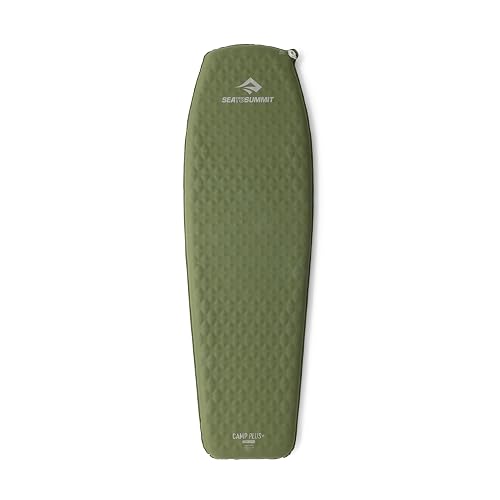
Sea to Summit Camp Plus SI Sleeping Mat (Tapered Regular)
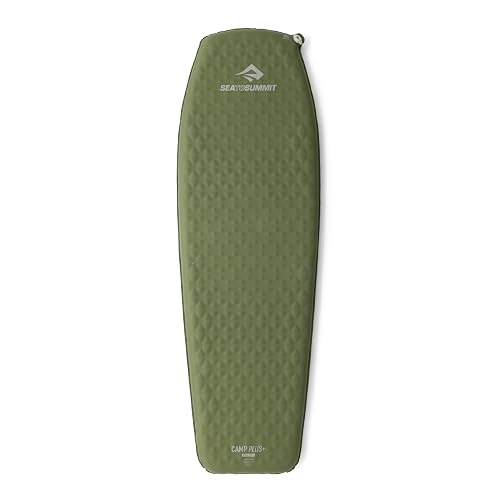
Sea to Summit Camp Plus SI Sleeping Mat (Tapered/Large)

Sea to Summit Camp Plus SI Sleeping Mat (Rectangular/Large)
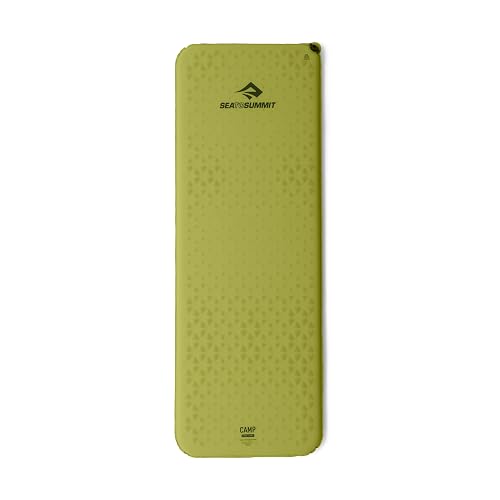
Sea to Summit Camp Plus SI Sleeping Mat (Rectangular/Regular)
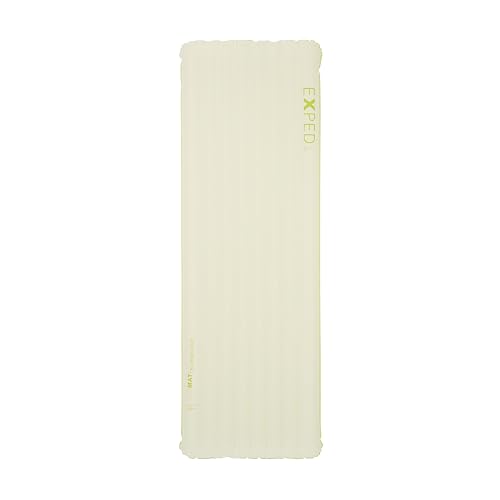
Exped Ultra Ultralight Inflatable Sleeping Pad
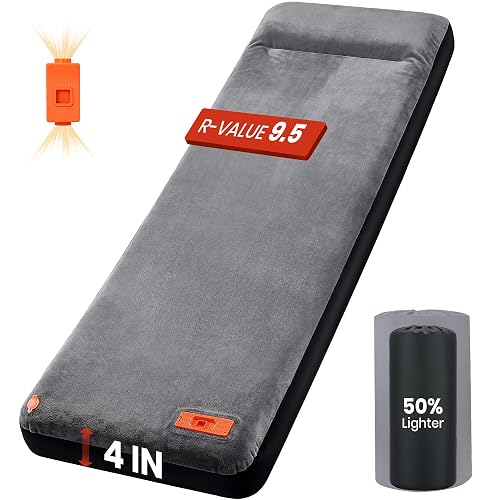
Self-Inflating Sleeping Pad with Electric Pump, 4″
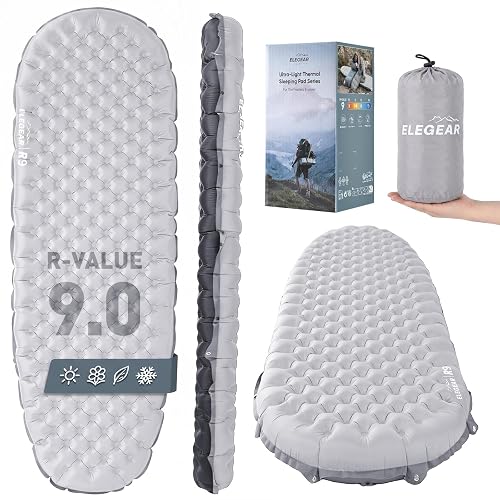
Elegear 4″ Thick Sleeping Pad, 9 R-Value
Why These Options Stand Out
Self-inflating foam pads are a love letter to hikers who dread midnight lung-busting at the valve. Open the cap, the foam core pulls air in on its own, and you top off with a few breaths before bed. The Sea to Summit Camp Plus SI in this tapered regular size offers 2.6 inches of loft with a 4.3 R-value, the rating that measures how well a pad blocks heat loss to cold ground. Anything north of 4 generally handles autumn frost and most shoulder-season nights well.
Compared to the Exped Ultra reviewed later, this pad trades serious weight savings for genuine warmth. You will feel the difference in your pack on a long climb, but you will also sleep warmer when the thermometer drops. It suits hikers moving through shoulder seasons on moderate routes.
Strong Points
- The 4.3 R-value handles cold ground far better than most summer-only pads, a real perk on shoulder-season trips where the ground steals heat fast.
- Self-inflating foam means less puffing after a long day, which tends to matter more than spec sheets admit.
- 2.6 inches of loft cushions shoulders and hips well, and side sleepers usually find it tolerable for a few nights.
- The reversible valve allows fine-tuning of firmness, useful when you want a softer feel for reading in the tent versus a firmer platform for side sleeping.
Worth Noting
- Heavier than pure inflatable options, so fast-packers and thru-hikers counting every ounce may want a lighter alternative.
- Self-inflating foam pads tend to take up more pack volume than air-only mattresses when rolled.
Who It Suits Best
Backpackers tackling cool-weather trips who want warmth and easy setup more than ultralight numbers.
Consider Something Else When
The Exped Ultra Ultralight Inflatable Sleeping Pad is a better match for thru-hikers and warm-season fast-packers who rank low weight above all else.
Take the previous pick and stretch it lengthwise. The Tapered/Large version of the Sea to Summit Camp Plus SI keeps the same 4.3 R-value and 2.6-inch foam core, but it adds length for taller sleepers. If you are over six feet, regular-sized pads can leave your heels hanging off the insulated zone, which is exactly where cold bleeds in. Tapered shapes also shave weight at the foot end, where insulation matters less.
Compared to the rectangular/large version covered next, this one is lighter and packs smaller, but you give up elbow room for tossing and turning. It fits hikers with a narrower sleeping bag footprint.
Positive Points
- The longer length stops your feet from sliding off the warm zone, a small detail that makes cold nights genuinely bearable.
- Same 4.3 R-value as the tapered regular, so cold-weather performance stays strong.
- Self-inflating setup keeps things simple after a long day.
- Tapered geometry saves weight over rectangular pads, useful when you carry other cold-weather gear already.
Trade Offs
- Taller, narrower sleepers only, so restless movers may want more shoulder space.
- Heavier than air-only sleeping pads, and the foam core can develop flat spots over years of use.
Made For
Six-foot-plus backpackers who sleep on their back or side and prioritize warmth over ultralight weight.
Skip It When
The Sea to Summit Camp Plus SI Sleeping Mat (Rectangular/Large) suits restless sleepers who need elbow room and a flat sleeping platform.
Rectangular pads trade weight savings for usable space, and this version of the Camp Plus SI goes all in. You still get the same 4.3 R-value and 2.6-inch foam thickness, but the shape gives you a true flat sleeping surface that mirrors a home mattress. Gear storage on the pad becomes practical, and wide-shouldered sleepers stop rolling off the edge mid-night.
Compared to the tapered large version, this one is heavier and bulkier when packed. The payoff is comfort, especially on multi-day trips where chronic sleep loss accumulates.
Practical Pluses
- Full rectangular shape offers a stable surface for side, stomach, and back sleepers alike.
- Same trusted 4.3 R-value handles frost and shoulder-season cold without dragging an extra insulating layer.
- Self-inflating foam simplifies camp breakdown, a quiet relief after a long summit day.
- Wide enough to keep boots, water filters, and base layers inside the sleeping area.
Points To Keep In Mind
- Bulkiest option in the Camp Plus line, so pack space is at a premium.
- Heavier than air-only alternatives, and the foam core adds meaningful weight on long routes.
Who Should Grab It
Backpackers with wide sleeping bags or restless sleep habits who value comfort and warmth over pack compactness.
Look Elsewhere When
The Exped Ultra Ultralight Inflatable Sleeping Pad fits fast-and-light hikers who would rather shave grams than carry a foam core at all.
This is the Camp Plus SI trimmed down to a more approachable profile. The rectangular regular version uses 1.5 inches of foam rather than 2.6, paired with a 4.2 R-value that still handles most camping and backpacking nights comfortably. Air Zone construction places the foam where your body presses hardest, which keeps bulk down without sacrificing the support you actually need.
It reads like the right pick for scouts, beginners, and casual backpackers who want a forgiving pad without committing to a four-season beast. Compared to the cold-weather Camp Plus versions above, this one is lighter and packs tighter.
The Good Stuff
- Lighter and more compact than the 2.6-inch Camp Plus versions, friendlier for newer backpackers learning their kit.
- 4.2 R-value handles typical three-season camping conditions, including cool evenings at altitude.
- Air Zone construction targets foam where it earns its keep, keeping total weight down.
- Reversible valve keeps inflation and deflation quick and clean.
Honest Caveats
- The 1.5-inch profile is thinner than the other Camp Plus mats, and chronic side sleepers may feel the ground more.
- Less winter-ready than the 2.6-inch options, so alpine shoulder-season trips may push its comfort limit.
Right Fit For
Backpackers, scouts, and casual campers who want a self-inflating pad that handles most conditions without overpaying for extreme-cold capability.
Not Your Match When
The Elegear 4″ Thick Sleeping Pad, 9 R-Value is the better fit for winter and high-altitude backpackers who need serious cold-ground protection.
Thru-hikers and bikepackers obsess over grams, and the Exped Ultra is built for exactly that mindset. It comes in at under one pound yet offers a 3-inch air-insulated sleep surface. The trick is internal air chambers running head-to-toe, which create stable cushioning without heavy foam. For summer trips on mild ground, the warmth rating is enough for most conditions.
Compared to the Sea to Summit pads reviewed earlier, this one sacrifices cold-weather capability for raw packability. You will trade a warmer night for a noticeably lighter load.
Standout Benefits
- Sub-one-pound weight is hard to beat in the inflatable category, real relief on long-distance routes.
- Three inches of loft cushions hips and shoulders well, which matters for side sleepers.
- Packs down small thanks to air-only construction, leaving room for other gear.
- Suited to bikepacking and fast-and-light trips where every cubic inch in the bag matters.
Things To Consider
- Less warmth than foam-core pads, so shoulder-season and cold-ground trips are not its strong suit.
- Inflatable-only designs require more care on rocky or thorny tent sites; widely reported behavior is careful site selection.
Best Suited To
Summer thru-hikers, bikepackers, and fast-packers moving light over moderate terrain in mild conditions.
Another Choice May Suit
The Sea to Summit Camp Plus SI Sleeping Mat (Tapered Regular) suits cold-weather hikers who need a higher R-value even at the cost of more weight.
This pad leans hard into ease-of-use. A built-in electric pump inflates and deflates the mat on demand, which sounds gimmicky until you arrive at camp exhausted. At 4 inches thick with a 9.5 R-value, it qualifies as four-season and provides serious insulation against cold ground. The integrated pillow removes one more piece of gear to remember.
For car camping, truck bed sleeping, or short carries to a basecamp, this is a comfort upgrade over most ultralight pads. Compared to the Exped Ultra, it is heavier and bulkier, but the warmth and thickness read like a fair swap.
Reasons It Performs
- The electric pump inflates the mat in roughly a minute, saving breath and time at camp.
- 9.5 R-value handles genuinely cold conditions, including frosty shoulder-season and winter trips.
- Four-inch thickness cushions hips and shoulders for side sleepers and restless movers.
- Built-in pillow cuts down on accessory gear, useful for car camping or family trips.
Practical Considerations
- Bulkier and heavier than true backpacking pads, so long-distance hikers will feel the size difference.
- Reliance on a built-in pump adds a mechanical element; widely reported behavior is keeping the pump charged or carrying a backup.
Who Will Love This
Campers who prioritize easy setup and comfort, including car campers, truck-bed sleepers, and basecamp-bound backpackers.
Reach For A Different Pick When
The Exped Ultra Ultralight Inflatable Sleeping Pad suits thru-hikers who would rather carry ounces than luxury.
For true cold-weather backpacking, R-value starts to dominate every other spec on your pad. The Elegear 4″ Thick Sleeping Pad lists a 9 R-value backed by a 9-layer insulation system. That is serious cold-ground protection aimed at deep winter and high-altitude trips where sub-freezing ground is the norm rather than the exception. At 4 inches thick, comfort is not sacrificed for warmth.
Compared to the LLUAII pad reviewed above, this one aims at a similar warmth tier but targets backpackers rather than car campers. The trade-off is bulk, which is the price of serious insulation.
Key Advantages
- The 9 R-value handles deep cold, useful for winter mountaineering and high-altitude routes.
- Four inches of loft cushions hips and shoulders well, even on rocky or uneven ground.
- Multi-layer insulation design focuses warmth where the ground pulls heat fastest.
- Suited to backpackers willing to carry a heavier pad for serious warmth in exchange.
Things To Weigh Up
- Heavier than three-season pads, so warm-weather hikers will lug insulation they do not need.
- Bulky when packed, which can squeeze smaller backpacks and force trade-offs elsewhere.
Whose Shelf It Belongs On
Winter backpackers, alpine climbers, and shoulder-season adventurers who face frozen ground regularly and need reliable warmth.
A Better Fit Elsewhere
The Exped Ultra Ultralight Inflatable Sleeping Pad is a smarter match for warm-weather thru-hikers chasing minimum weight.
Matching A Pad To Your Trail Reality
The lightest pad on paper is rarely the lightest pad for your trip. Match specs to conditions, not the other way around.
Weight Versus Warmth
Weight and warmth pull in opposite directions. Foam cores insulate well but add grams, while air-only pads shave weight by leaving warmth on the table. Thru-hikers chasing sub-one-pound pads give up cold-weather performance, and winter hikers accept heavier packs to keep their R-value honest. Decide which compromise feels worse, and pick from there.
R-Value And The Ground Beneath You
R-value measures how well a pad resists heat flow to the ground. Anything around 2 to 3 handles summer nights comfortably. From 4 upward, you start crossing into three-season shoulder territory. Above 6, you are in serious winter. Snow conducts heat away faster than bare ground, so winter and alpine backpackers should aim higher than summer hikers.
Shape And Sleep Style
Rectangular pads give you room to roll around and stash gear. Tapered pads cut weight by trimming the foot end, where insulation matters less. Side sleepers usually appreciate 3 inches of loft or more, while back sleepers can get away with thinner profiles. Tall hikers should look at the long size variants to keep heels on the warm zone.
Inflation Style And Camp Routine
Self-inflating foam pads handle most of the work after a long day, and air-only pads inflate faster once you get used to the rhythm. Built-in pumps, like the LLUAII above, skip the breath work entirely. Your tolerance for puffing at 9 pm after 15 miles is worth thinking through honestly before you buy.
Key Considerations Across These Picks
Mistakes Worth Dodging
The most common error is buying a summer-rated pad for a fall or early-spring trip. Cold ground drains heat fast, and a pad with an R-value under 4 often leaves you shivering long before the air temperature feels wrong. Check the season rating against your trip calendar, not your hopes. Another trap is choosing the lightest pad without thinking about repair kits and durability. Air-only pads are vulnerable on rocky sites, so matching pad choice to terrain matters as much as weight.
Where The Extra Money Goes
Higher-tier pads in this category tend to spend the money on three things: better insulation layering, refined valve design, and tougher face fabrics. Each of those pays off in cold nights, faster camp setup, and longer pad life. Whether the upgrade is worth it depends on how often you actually face those conditions. If you only backpack in July on mild ground, a premium pad may be overkill.
Frequently Asked Questions
How thick should a backpacking sleeping pad be?
For most backpackers, 2.5 to 3 inches of loft strikes the right balance between cushion and packability. Side sleepers benefit from the upper end of that range, while back and stomach sleepers often do well at 2 inches or so.
What R-value do I need for cold-weather camping?
Aim for an R-value of 4 or higher for shoulder-season trips. Winter and high-altitude camping generally calls for a rating of 5 or more, since snow and frozen ground pull heat fast.
Are self-inflating pads heavier than air pads?
Generally, yes. Foam cores add weight but improve warmth and puncture resistance. Air-only pads save grams but require more care on rocky or thorny ground and usually carry lower R-values for the same weight.
Can I use a car-camping pad for backpacking?
It depends on the pad. Thick, high-R-value pads like the LLUAII and Elegear above can work for short carries and basecamps, but they pack down large and weigh more than true backpacking designs.
How do I store a sleeping pad between trips?
Store pads unrolled or loosely folded in a dry place. Long-term compression in a stuff sack can damage foam cores and stress baffles. Owners commonly report longer pad life when pads are stored loosely in a closet or garage.
Wrap Up
The right sleeping pad keeps your pack light and your sleep honest. Match R-value to the season, thickness to your sleep style, and weight to the distance. From there, the trade-offs get easier to read, and the trail becomes a better place to close your eyes.