
Wet trail crossings, surprise downpours, and boggy switchbacks punish shoes that can’t keep water out. Your feet get cold, blisters form fast, and the day turns miserable before you’ve covered half the miles. A reliable pair of waterproof hiking shoes or boots makes the difference between cutting a trip short and finishing strong.
The list below rounds up ten waterproof hiking shoes and boots built for men who want dry feet on real trails. You’ll find low-cut trail runners, mid-cut boots for ankle protection, and even a retro sneaker option for casual days. Every pick here earns its spot for a specific reason, whether that’s cushioning, grip, durability, or all-day comfort on mixed terrain.
A Snapshot Of The Selections
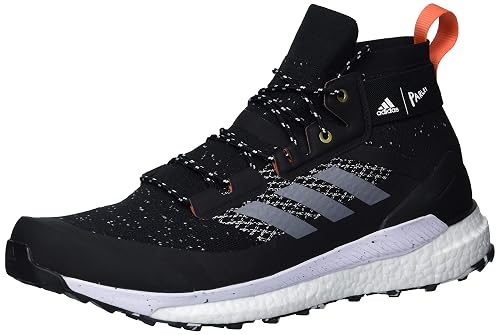
adidas Men’s Terrex Free Hiking Shoe
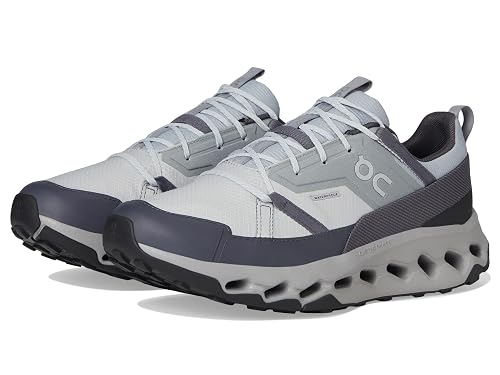
On Mens Cloudhorizon Waterproof
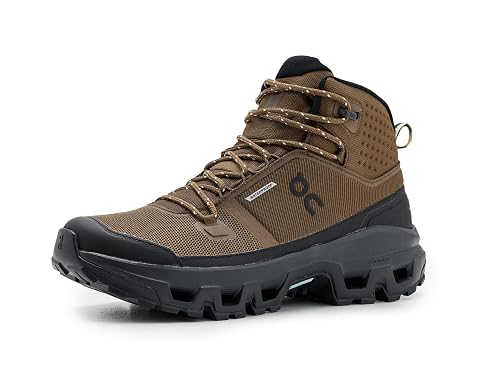
On mens Cloudrock Mid Waterproof
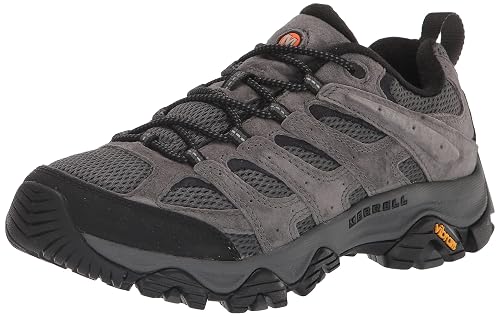
Merrell Men’s Moab 3 Hiking Shoe
Merrell Men’s Moab 3 Mid Hiking Boot
Columbia Newton Explorer
Merrell Men’s Moab 3 Mid Waterproof Hiking Boots
KEEN Men’s Targhee 4 Low Height Waterproof Hiking Shoes

KEEN Men’s KS86 Retro Style Sneakers
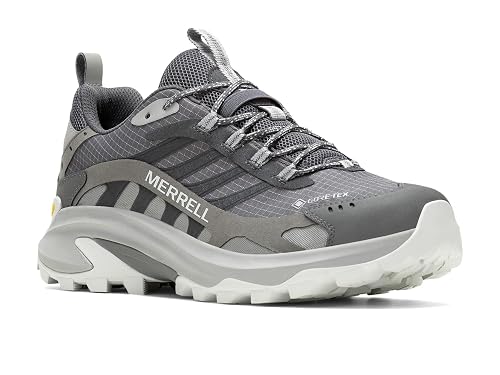
Merrell Mens Moab Speed 2 GTX
A Closer Look At Each Pick
The adidas Terrex Free sits in the trail-shoe zone, meaning it’s lower and lighter than the mid-cut options further down this list. That shape works well for fast hikers who want nimbleness over ankle wrapping. Think groomed trails, well-packed dirt, and route work where quick foot turnover matters more than burly protection.
Compared to the cushioned On picks ahead, the Terrex Free leans more toward ground-feel and agility than soft landings.
Features That Help
- Low-cut profile that sheds weight on long days
- adidas outdoor traction tuned for varied trail conditions
- Quick-drying upper that handles stream crossings without staying soggy for hours
- Light enough for fast-packing trips and trail running days
Things To Consider
- Low-cut design offers little ankle coverage on rocky, off-trail terrain
- Not as plush underfoot as the On Cloudhorizon for hard-surface days
- Mesh-style uppers can collect trail debris in dry, loose conditions
Made For
Fast hikers and trail runners who move quickly on packed paths and want a lighter shoe than the mid-cut options further down this list.
Where Another Pick Suits Better
Step up to the Merrell Moab 3 Mid Hiking Boot when you carry a load or scramble over rocky ground that demands ankle coverage.
The On Cloudhorizon brings the brand’s signature CloudTec cushioning (a segmented midsole design that collapses softly on landing) into the waterproof hiking category. The result feels more like a well-cushioned running shoe than a traditional hiker. Long days on pavement-to-trail transitions benefit most from that soft ride.
The waterproof build keeps splashes and shallow crossings out, so light rain and wet boardwalks won’t soak your socks. Where the adidas Terrex Free ahead trades cushion for agility, this On model trades ground feel for comfort.
Key Advantages
- CloudTec Phase midsole gives a soft, rolling landing on hard-packed trails
- Waterproof construction handles wet grass, puddles, and light rain
- Sleek, low-profile look that works for casual days after the hike
Worth Noting
- Lower stack height than the On Cloudrock Mid Waterproof, so stability on rough terrain is more limited
- Cushioned feel can mask rocky ground underfoot, which may tire some hikers over many miles
- Less protective upper than leather options like the Columbia Newton Explorer
Feature Snapshot
Who Will Love This
Hikers logging long distances on established trails who want running-shoe comfort with weather protection.
Not Your Match When
Pick the Merrell Moab Speed 2 GTX if you need a tougher, more trail-ready outsole and a Gore-Tex (a premium waterproof-breathable membrane) membrane for serious wet weather.
The Cloudrock Mid takes the cushioning from the Cloudhorizon and wraps a taller, supportive mid-cut upper around it. That combination hits a useful middle ground for hikers who want On’s soft ride plus extra ankle confidence on uneven ground.
Waterproof construction keeps wet conditions from ruining the experience, and the mid-cut collar helps stabilize ankles over rocks and roots. For single-day hikes with mixed terrain, this is the most balanced On option in the roundup.
Useful Touches
- Mid-cut collar adds ankle support without the bulk of a full hiking boot
- CloudTec cushioning reduces fatigue across full-day miles
- Waterproof build handles stream crossings and damp trails
- Agile enough for trail sections that require quick foot placement
Points To Keep In Mind
- Not as supportive as a true backpacking boot for heavy loads
- Cushioned midsole wears faster on sharp, rocky terrain than firmer options
- Style may feel more “athletic” than the leather Columbia Newton Explorer
Right Fit For
Day hikers tackling mixed terrain who want cushioning and ankle support in one package.
Look Elsewhere When
Reach for the Merrell Moab 3 Mid Waterproof Hiking Boots when you need a more traditional, supportive mid-cut build for wet shoulder-season conditions.
The Moab line has earned its reputation over many seasons, and version 3 keeps the core formula intact. The shoe form here keeps weight low while preserving the supportive insole and cushioned midsole the Moab series is known for. Hikers who want a familiar, easy-to-wear shape tend to gravitate toward this pick.
Compared to the On Cloudhorizon ahead in the list, the Moab 3 trades plush cushioning for a more grounded, traditional trail feel. It’s a workhorse choice for casual hikes, weekend trips, and getting into hiking without overthinking the gear.
What Helps Most
- Vibram outsole (a high-traction rubber compound used by many serious hiking brands) provides dependable grip on rock, dirt, and loose gravel
- Cushioned midsole softens impact on hard-packed trails
- Roomy toe box accommodates a wide range of foot shapes
- Proven Moab durability that handles regular weekend use
Trade Offs
- Low-cut design leaves ankles exposed on rough descents
- Heavier than the adidas Terrex Free for hikers chasing ultralight goals
- Less waterproof protection than the explicitly waterproof Moab 3 Mid option further down
Feature Card
Best Suited To
Beginners and casual hikers who want a familiar, dependable shoe for weekend trails and park walks.
Reach For A Different Pick When
Choose the KEEN Targhee 4 Low Height Waterproof when you want a wider toe box and an explicitly waterproof build.
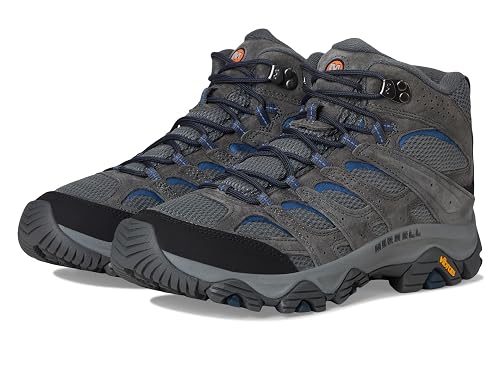
The Moab 3 Mid takes the same proven comfort formula from the low-cut Moab and adds a mid-cut collar for ankle coverage. That extra height helps when you’re carrying a daypack, crossing rocky ground, or stepping down steep slopes. It’s a confidence-inspiring shape for hikers who want more support than a shoe offers.
This non-waterproof version prioritizes breathability over weather sealing, so think dry trails and shoulder-season hikes rather than constant wet conditions. Compared to the On Cloudrock Mid Waterproof ahead, this Merrell feels more traditional and less athletic.
What Works In Its Favor
- Mid-cut collar stabilizes ankles on rocky descents
- Vibram outsole grips well on loose dirt and scree
- Supportive insole keeps feet comfortable across long days
- Durable construction holds up to regular weekend use
Honest Caveats
- Not explicitly waterproof, so wet conditions require a different pick
- Heavier than the low-cut Moab 3 for hikers counting grams
- Break-in period can be noticeable on the first few hikes
Whose Shelf It Belongs On
Day hikers and light backpackers who want ankle support for rocky terrain and don’t hike in constant rain.
A Better Fit Elsewhere
Pick the Merrell Moab 3 Mid Waterproof Hiking Boots if you hike in wet climates and want the same supportive shape with a weather-sealed build.
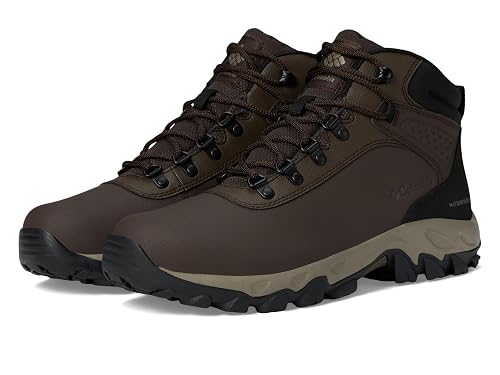
The Columbia Newton Explorer leans into the leather-upper tradition with a waterproof leather build and metal hardware. That construction handles wet brush, mud, and rough trail work better than lighter textile shoes, though it does come with more weight. Trail work, scouting routes, and damp forest days suit this shape well.
The Techlite midsole (Columbia’s lightweight foam cushioning) softens the leather’s heavier feel, and the Omni-Tech waterproof-breathable construction (Columbia’s membrane that blocks water while letting sweat vapor escape) keeps feet dry through puddle splashes and rainy stretches.
The Upside
- Waterproof leather upper handles wet brush and trail debris well
- Omni-Tech waterproof-breathable membrane keeps water out while letting heat escape
- Techlite midsole softens landings despite the leather’s heavier weight
- Durable build suited to trail work and rugged use
A Few Limitations
- Heavier than the textile Moab 3 for distance-focused hikes
- Leather upper requires more break-in time than mesh alternatives
- Less breathable than non-leather options in warm, dry weather
Spec Overview
Who Should Grab It
Hunters, trail workers, and hikers in wet climates who want a leather boot that handles rough use.
Swap It Out When
Choose the KEEN Targhee 4 Low Height Waterproof when you want a lighter, lower-cut shoe for faster day hikes.
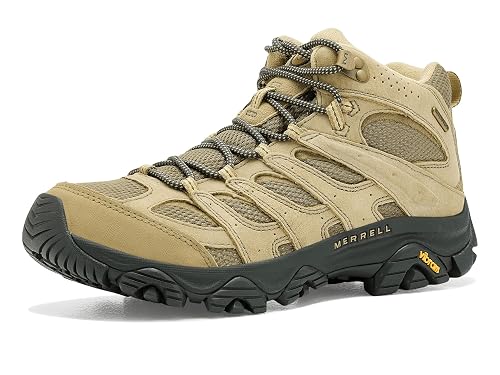
Take everything that works about the Moab 3 Mid and seal it against water. That’s the promise here: the same supportive mid-cut shape, the same Vibram outsole, the same trail-ready comfort, now paired with a waterproof membrane. Wet shoulder-season days and stream-crossing hikes suit this build best.
Compared to the non-waterproof Moab 3 Mid ahead, this version trades a touch of breathability for weather protection. For most hikers in rainy regions, that trade-off is worth it.
Noteworthy Benefits
- Waterproof membrane keeps feet dry through wet grass and shallow crossings
- Mid-cut collar stabilizes ankles on uneven terrain
- Vibram outsole grips well across varied trail surfaces
- Familiar Moab comfort straight out of the box
Possible Compromises
- Warmer than non-waterproof options in summer heat
- Heavier than low-cut trail runners like the adidas Terrex Free
- Membrane requires care to maintain breathability over time
Perfect Match For
Hikers in wet climates, Pacific Northwest trails, or shoulder-season conditions who want supportive ankle coverage.
Consider Something Else When
Pick the On Cloudrock Mid Waterproof if you want lighter cushioning for fast-paced day hikes in mild wet weather.
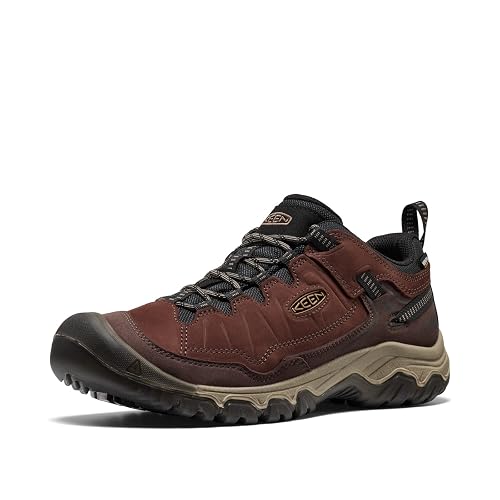
The Targhee 4 keeps KEEN’s signature wider toe box, which makes it a strong fit for hikers who feel cramped in standard lasts. The low-cut shape keeps weight reasonable while the waterproof lining handles wet trails and puddles. Wide-foot hikers have a hard time finding better-fitting low-cut hikers than this.
The aggressive lug pattern bites into soft dirt and mud, which helps when conditions get sloppy. Compared to the Merrell Moab 3 ahead, the Targhee 4 offers more room up front and a noticeably different ride feel.
The Case For It
- Spacious toe box reduces pressure on wider feet
- KEEN.DRY waterproof lining (KEEN’s proprietary waterproof membrane) keeps water out while venting sweat
- Aggressive outsole lugs grip well in mud and loose dirt
- Direct-attach construction (where the upper is bonded to the sole without glue) adds long-term durability
Where It Is Less Suited
- Low-cut profile leaves ankles exposed on rocky ground
- Wider fit can cause narrower feet to slide around without thick socks
- Heavier than minimalist options like the adidas Terrex Free
Best Suited To
Hikers with wider feet who want a roomy, waterproof shoe for mixed trail conditions.
Look Elsewhere When
Reach for the KEEN KS86 if you want a casual, retro-styled sneaker for everyday wear with light trail use.
The KS86 sits in a different lane from the rest of this list. It’s a casual, retro-styled sneaker that borrows KEEN’s wider fit and aggressive tread but dresses it up for everyday wear. Light park walks, dog outings, and casual trail-adjacent days fit this shoe’s character.
It isn’t a serious backcountry hiker, and that’s the point. Compared to the KEEN Targhee 4 ahead, the KS86 trades serious trail protection for style and lighter daily comfort.
Practical Advantages
- Retro styling works for daily errands and casual outings
- Wider last accommodates broad feet without pinching
- Aggressive tread handles gravel paths and light trail use
- Lighter feel than the Targhee 4 for all-day comfort
Things That May Matter
- Not built for serious backcountry miles or technical terrain
- Limited ankle protection compared to hiking boots
- Less cushioning than trail-focused options for long-distance hiking
Built With In Mind
Casual hikers, dog walkers, and commuters who want trail-inspired grip without a full hiking shoe aesthetic.
Not Your Match When
Pick the Merrell Moab 3 Hiking Shoe for real trail miles that demand more cushioning and durability.
The Moab Speed 2 GTX takes the proven Moab formula and pushes it into faster, more athletic territory. A Gore-Tex waterproof bootie (a fully taped waterproof liner sewn inside the shoe) wraps the foot for serious weather protection, while the Vibram TC5+ outsole grips aggressive terrain. This is the most performance-tuned Merrell in the roundup.
Compared to the Merrell Moab 3 Mid Waterproof Hiking Boots ahead, this Speed version feels lighter and more athletic, with a hike-faster pace in mind. Trail runners transitioning to hiking shoes often land here.
The Good Stuff
- Gore-Tex membrane delivers dependable waterproof-breathable protection
- Vibram TC5+ outsole grips wet rock and loose dirt
- Athletic profile handles faster-paced hiking and light trail running
- New traction lugs improve grip over the previous Moab Speed
Small Caveats
- Less ankle support than mid-cut options on rocky descents
- Premium construction comes at a higher cost than basic Moab 3 variants
- Requires care to maintain Gore-Tex membrane performance over time
Right Fit For
Active hikers and trail-to-trail-runners who want weather protection with athletic performance.
A Better Fit Elsewhere
Pick the Merrell Moab 3 Mid Waterproof Hiking Boots when ankle support matters more than pace.
What Matters Most Before Choosing Mens Hiking Boots Waterproofs
Match Cut Height To Your Terrain
Low-cut shoes like the adidas Terrex Free or KEEN Targhee 4 keep weight down and let feet move freely on groomed trails. Mid-cut boots like the Merrell Moab 3 Mid and On Cloudrock Mid add ankle coverage that helps on rocky descents, loose scree, and any trail where a rolled ankle is a real risk. Match the cut to the worst terrain you expect, not the easiest path.
Understand Waterproof Vs Water-Resistant
Waterproof membranes like Gore-Tex or KEEN.DRY keep water out under pressure, but they reduce breathability. In hot, dry climates, that trade-off can make feet sweat and soak socks from the inside. For wet climates and stream-heavy trails, waterproofing earns its keep. For desert and summer hiking, water-resistant mesh often feels better.
Pick An Outsole For Your Surface
Vibram rubber compounds grip rock, dirt, and loose gravel across the Moab 3 and Speed 2 GTX. Aggressive lugs help in mud but feel clunky on pavement. Leather boots like the Columbia Newton Explorer handle rough trail work well but lack the precision grip of athletic outsoles. Choose based on where you’ll spend most of your time.
Cushioning Trade-Offs
Plush midsoles like On’s CloudTec feel great on hard ground but can mask trail hazards. Firmer, more traditional midsoles give ground feedback that helps with foot placement. Long-distance hikers often prefer more cushion; technical hikers often prefer firmer platforms for precision.
Key Considerations Across These Picks
Common Shopping Slip Ups
Many shoppers grab a waterproof boot without checking fit. Waterproof membranes add bulk, and a snug fit becomes painful after miles of downhill walking. Always try on with the socks you plan to hike in. Another trap: choosing boots based on look alone. A retro-styled KEEN KS86 looks great in town but lacks the support needed for serious trails.
What The Higher Tier Buys
The premium tier here, like the Merrell Moab Speed 2 GTX with its Gore-Tex lining and Vibram TC5+ outsole, pays for advanced materials and refined construction. That extra cost shows up in lighter weight, better traction, and longer membrane lifespan. For occasional weekend hikes, basic waterproofing handles the job. For frequent wet-trail miles or fast-paced hiking, the upgrade earns its keep.
Frequently Asked Questions
How Does Waterproofing Affect Breathability?
Waterproof membranes block water from entering but also slow sweat vapor from escaping. Expect warmer feet in summer heat compared to non-waterproof shoes, especially during high-output activity.
Can Waterproof Hiking Shoes Handle Stream Crossings?
Yes for shallow crossings where water doesn’t pour over the top. Deep crossings that submerge the shoes will eventually soak through any membrane, regardless of brand.
How Long Do Waterproof Membranes Last?
Most membranes keep waterproofing for several years of regular use. Cleaning the shoes regularly and avoiding prolonged heat exposure (like leaving them in a hot car) helps extend membrane life.
Should Hiking Shoes Be Tight Or Roomy?
Toes need room to splay on downhill sections. A thumb’s width of space at the front of the toe box prevents bruised toes. The heel should lock in without slipping.
Do I Need Mid-Cut Boots For Day Hikes?
Low-cut shoes work fine on well-groomed, flat-to-rolling trails. Mid-cut boots help on rocky terrain, heavy daypacks, and any trail where ankle stability matters more than weight savings.
Wrap Up
The right waterproof hiking shoe depends on where you walk and how you move. Wide-foot hikers lean toward the KEEN Targhee 4, fast movers gravitate to the Moab Speed 2 GTX or On Cloudhorizon, and traditional trail lovers stick with the Moab 3 family. Match the build to your climate, terrain, and pace, and your feet will thank you across every mile.