
The right pack quietly disappears on your back when miles stack up, and the wrong one announces itself with every hip-bone bruise. Choosing among men’s hiking packs comes down to matching capacity, suspension, and feature set to the kind of walking you actually do, from quick dawn summits to a full week above treeline. Capacity matters because a 16-liter daypack swallows a rain shell and a sandwich, while a 70-liter hauler carries a bear canister, a tent, and a week’s worth of calories. This list covers the full range, from ultralight packable options to roomy backpacking haulers, plus a hydration-specific build and a sock upgrade that protects the feet carrying all of it.
A Fast Comparison Of The Options
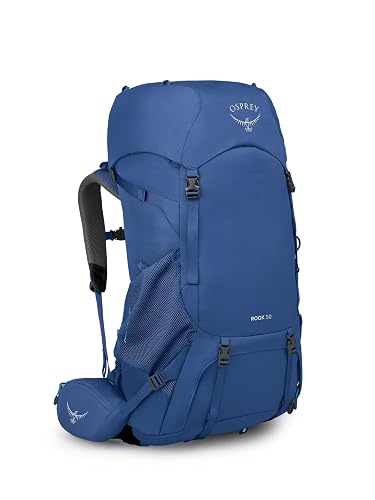
Osprey Rook 50L Men’s Backpacking Backpack
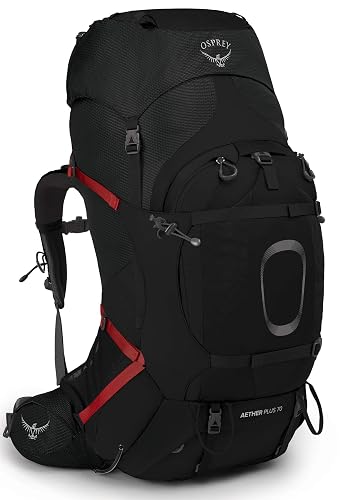
Osprey Aether Plus 70L Men’s Backpacking Backpack
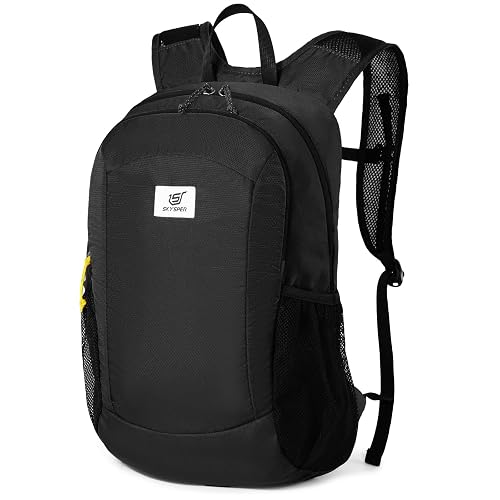
SKYSPER Hiking Backpack Ultralight Packable RFID Travel Daypack 16L

YETI Crossroads Backpack
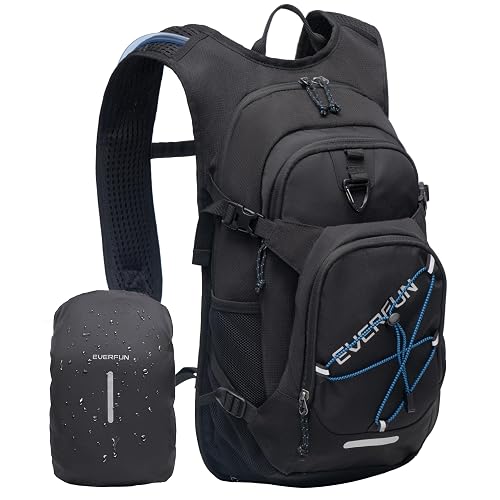
Everfun Hydration Backpack 18L with Water Bladder
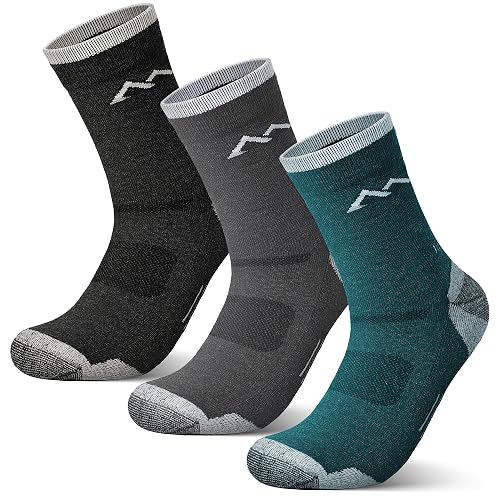
innotree Men’s Merino Wool Hiking Socks 3 Pairs
Inside Each Recommended Option
The Osprey Rook 50L lands in the sweet spot for someone transitioning from day hikes into their first overnight trips. Its 50-liter main compartment swallows a weekend’s worth of shelter, sleeping bag, and layers without forcing you to play Tetris. An injection-molded ladder lock torso adjustment system lets you slide the harness up or down to match your back length, which makes a real difference on long climbs where a poor fit compounds fatigue.
Where the Rook earns its place is in the practical details: an integrated raincover deploys from a hidden pocket when afternoon storms build, and the hipbelt carries the load’s weight off your shoulders. Compared to the bigger Aether Plus below, the Rook is a lighter, less complicated pack that rewards people who want simplicity over bells and whistles.
Points In Its Favor
- 50-liter capacity suits one-to-three-night trips with room for layers and shelter.
- Adjustable torso system adapts to different back lengths for a dialed-in fit.
- Built-in raincover protects gear when weather rolls in unexpectedly.
- Padded hipbelt transfers weight off shoulders, reducing arm pump on ascents.
- Simpler feature set means fewer things to break or fiddle with on the trail.
Things To Consider
- Fewer external attachment points than expedition packs limit overload carrying.
- Mesh back panels tend to collect dust and trail debris that needs brushing out.
Built With In Mind
First-time backpackers and intermediate hikers heading into two-to-three-night trips who want a forgiving fit and straightforward organization.
Swap It Out When
You regularly haul bear canisters or technical gear on week-long routes, where the Osprey Aether Plus 70L handles the volume better.
The Osprey Aether Plus 70L exists for people carrying heavy loads over serious distance. Its 70-liter main compartment is genuinely roomy enough for a bear canister, a four-season tent, and seven days of food when resupply isn’t an option. A custom Fit-on-the-Fly hipbelt and shoulder strap system lets you tune the load transfer while walking, which matters when the pack pushes past forty pounds.
The removable top lid converts to a DayLid daypack for side trips from basecamp, a feature the smaller Rook above doesn’t offer. You also get an included raincover and a Stow-on-the-Go trekking pole attachment, the kind of touch that makes a long approach feel less like wrestling a mule.
A Few Highlights
- 70-liter volume handles week-long or gear-heavy trips without external lash gymnastics.
- Fit-on-the-Fly hipbelt and shoulder straps let you micro-adjust load distribution mid-hike.
- Removable top lid doubles as a small daypack for summit bids and supply runs.
- Included raincover fits the larger frame without leaving the bottom exposed.
Trade-Offs To Consider
- Larger frame feels overbuilt for trips under three nights where 50 liters would suffice.
- More adjustment straps mean more potential snag points and longer pack-up time.
- Premium build carries noticeable weight even empty, which counts on ultralight routes.
Key Attributes
Made For
Backpackers planning week-long trips, high-mileage thru-hikers, and anyone carrying technical or cold-weather gear where extra volume pays off.
A Better Fit Elsewhere
Quick day hikers will be happier with the SKYSPER Hiking Backpack, which packs down small and weighs less for non-overnight use.
The SKYSPER Hiking Backpack solves the “I need a second bag” problem that travelers and day hikers both run into. It stuffs into its own pocket, then unfurls into a 16-liter daypack with shielded pockets that block RFID scanners at 13.56MHz and 125kHz frequencies. That’s the same range that contactless credit cards and modern passports use, so the shielded pocket stops someone with a hidden reader from skimming data in a crowded terminal.
You don’t get the suspension or load-hauling ability of the Osprey packs above, but you also don’t need it. This is a stow-and-go companion bag, not a load carrier, and at this size it tucks into a carry-on or a larger pack without complaint.
Everyday Perks
- RFID-shielded pocket protects cards and passports in airports and busy transit hubs.
- Packable design folds into its own pocket for stashing in luggage or a larger pack.
- Lightweight nylon construction barely registers on a luggage scale.
- Compact 16-liter size works for day hikes, museum days, and grocery runs.
Points To Note
- Thin nylon fabric is comfortable in warm weather but feels light under heavy loads.
- Lack of frame or hipbelt rules out carrying more than a jacket, water, and snacks.
- Limited external pockets make quick-access item organization harder on the trail.
Whose Shelf It Belongs On
Frequent travelers, urban day hikers, and anyone who wants a security-minded backup bag that disappears into a suitcase.
Skip It When
Your routes involve full-day loads of gear and water, where the Everfun Hydration Backpack’s 18L capacity and reservoir make more sense.
The YETI Crossroads Backpack reads less like a hiking pack and more like a tough daily commuter that happens to work on the trail. A clamshell opening lays the whole bag flat like a suitcase, so packing and unpacking stop being a one-handed reach into a top-loading tube. The 35-liter capacity swallows a laptop, gym clothes, lunch, and a layer without forcing a tradeoff between work kit and gym kit.
YETI built this around durable materials and reinforced base construction, the kind of thing that holds up when it gets tossed under a seat or strapped to a roller bag. Compared to the SKYSPER pack above, this is heavier, larger, and not packable, but it carries far more and survives daily abuse.
The Practical Payoff
- Clamshell opening gives suitcase-style packing access for easy organization.
- 35-liter capacity fits work, gym, and travel essentials in one bag.
- Pass-through panel secures the pack to roller luggage handles for transit days.
- Heavy-duty construction handles rough handling better than ultralight nylon packs.
Things To Watch
- Heavier and bulkier than ultralight options, so it isn’t ideal for technical day hikes.
- Limited trail-specific features like trekking pole loops or hydration sleeves.
- Larger size can feel oversized for short commutes with just a laptop.
Best Suited To
Commuters, business travelers, and people who want one bag that bridges office, gym, and travel without breaking a sweat.
Reach For A Different Pick When
Trail use is the priority, where the Osprey Rook 50L offers better suspension and weight distribution for actual hiking miles.
The Everfun Hydration Backpack centers on water access for active output, with an 18L main compartment and an included 2L or 3L water bladder. An insulated sleeve helps keep reservoir water cooler in summer, which is the difference between pleasant drinking and lukewarm regret on a 90-degree climb. Eight functional pockets organize layers, a first-aid kit, and quick-access items like a phone or keys.
The trade-off is capacity: this sits between the SKYSPER daypack and the larger Osprey backpacking options, so it shines on runs, bike rides, and festival days rather than overnight trips. Owners commonly report that the bladder hose routing works well but the bite valve takes some getting used to if you’ve never used one before.
Good Reasons To Consider
- Included water bladder (2L or 3L option) removes the guesswork of matching a reservoir.
- Insulated hydration sleeve keeps water cooler in summer conditions.
- Eight pockets cover storage for phone, snacks, layers, and small essentials.
- Lightweight build suits running, biking, and festival use where bigger packs drag.
Honest Caveats
- Hose and bite valve need cleaning after each use to prevent mildew in the reservoir.
- 18L size is too small for true backpacking and too large for a quick trail run.
- Insulation slows freezing but doesn’t prevent it in cold-weather use below freezing.
Quick Technical Notes
Perfect Match For
Trail runners, mountain bikers, and festival-goers who want hands-free hydration and storage without committing to a backpacking-size pack.
Consider Something Else When
Your priority is office-and-trail versatility, where the YETI Crossroads handles a wider range of daily scenarios.
Socks carry less glamour than packs, but your feet carry you, which makes them worth attention. The innotree Men’s Merino Wool Hiking Socks use merino wool, a natural fiber known for managing moisture and resisting odor on multi-day trips. Three pairs rotate through a long weekend, so one pair can dry on the pack while you wear another.
Think of this as the finishing piece that pairs with any pack on this list. While the Osprey Rook handles load hauling and the SKYSPER handles travel days, your feet still need moisture control when the miles add up. Merino blends tend to dry slower than synthetics in truly soaked conditions, a worth-noting trade-off for the comfort and warmth benefits.
Bright Spots
- Merino wool wicks moisture and resists odor across multi-day use.
- Three-pair value pack rotates through a weekend without daily laundry.
- Natural fiber regulates temperature across warm and cool conditions.
- Pairs naturally with any pack on this list to complete the layering system.
Small Limitations
- Merino blends dry slower than full synthetic socks in truly soaked conditions.
- Higher price-per-pair than basic cotton socks for casual use.
Who Will Love This
Long-distance hikers, backpackers, and anyone whose feet spend full days in boots and need moisture control to prevent blisters.
Look Elsewhere When
You mostly do short day hikes in mild weather, where lighter synthetic socks handle the workload at lower cost.
What Matters Most Before Choosing Mens Hiking Packs
Capacity and Trip Length
Capacity is the first decision point because it determines how much gear and food you can carry without external compression. A 16-liter pack like the SKYSPER handles day hikes and travel days where you’re carrying water, snacks, and a layer. The 35-liter YETI Crossroads works for overnight trips, gym commutes, and travel. Once you cross into backpacking territory, 50 liters covers two-to-three-night trips while 70 liters handles a full week or technical gear loads. Picking the smallest pack that fits your gear trains you to pack efficiently and keeps weight closer to your back, which matters more than people expect on long climbs.
Suspension and Fit
Suspension is the part of the pack that touches your body, so it shapes how every mile feels. Torso length adjustment systems, like the injection-molded ladder lock on the Osprey Rook, let you dial the harness to your back length. Hipbelts transfer roughly 80% of load weight off your shoulders and onto your hips, where your skeleton can handle it. Without a proper hipbelt fit, even a 50-liter pack feels crushing by mile five. Try packs loaded with weight before committing, since empty packs feel lighter than they actually carry.
Materials and Weather Protection
Nylon is the standard pack fabric because it balances weight, durability, and cost. Heavier denier ratings (the fiber thickness measurement) resist abrasion better but add weight, while lighter deniers save ounces at the cost of puncture resistance. Integrated raincovers, like those on the Osprey Rook and Aether Plus, add weather protection without buying a separate cover. For wet climates, a raincover plus dry bags inside gives you a layered approach that survives multi-day storms.
Hydration and Access
How you drink on the trail affects how often you actually drink. Hydration packs like the Everfun put water at chest level through a hose, which makes sipping automatic without stopping. Bottles in side pockets work fine for shorter routes but require a pause to retrieve. Pocket layout matters because quick-access storage for a phone, snacks, and rain shell determines how often you stop to dig through the main compartment.
Key Considerations Across These Picks
Common Buying Slip Ups
Shoppers often buy a pack sized for aspirational trips rather than actual trips, then end up hauling a 70-liter beast on day hikes. A better approach is matching capacity to your most common outing, not your dream trip. Another slip is skipping the hipbelt adjustment, which means even a well-fitted harness fails to transfer load correctly. Finally, ignoring weather protection leads to soggy gear on the first real storm, so a built-in raincover or dedicated pack cover earns its keep quickly.
Where The Extra Money Goes
Premium packs like the Osprey Aether Plus 70L cost more because the suspension hardware, hipbelt construction, and fabric denier ratings are upgraded. You pay for load-hauling stability under 40+ pounds, not just capacity. Mid-tier packs like the Rook 50L use simpler suspension that handles weekend loads well but feels overmatched under expedition weight. The price difference shows up most clearly on long trips with heavy gear, where a better suspension saves your back over thousands of vertical feet.
Frequently Asked Questions
What size men’s hiking pack do I need?
For day hikes, 15 to 35 liters covers water, snacks, and layers. Weekend backpacking usually needs 50 liters for shelter, sleeping bag, and food. Week-long trips or technical loads push you into 65 to 75 liters for full kit space.
How do I measure torso length for a hiking pack?
Tilt your head forward and find the bony bump at the base of your neck, then measure down your spine to the point that sits level with the top of your hip bones. That measurement in inches is your torso length, which sets harness size.
Can I use a men’s hiking pack for travel?
Yes, packs like the YETI Crossroads work well as carry-on travel bags because of clamshell openings and laptop sleeves. Ultralight packable packs like the SKYSPER stow into luggage as a day-use backup.
How important is hipbelt fit on a hiking pack?
Hipbelt fit is critical because it transfers roughly 80% of load weight off your shoulders. A poorly adjusted hipbelt forces your shoulders to carry the full load, which causes fatigue and arm pump on climbs.
How do I clean a hiking pack?
Spot-clean with mild soap and a soft brush, then air dry out of direct sunlight. Machine washing can degrade fabric coatings and stress seams, so hand-cleaning extends pack life across many seasons.
Wrap Up
The right men’s hiking pack fits your body, matches your trip length, and stays out of your way on the trail. Start with capacity based on the trips you actually do, then dial in suspension and weather protection. Whether you end up with the everyday-friendly Osprey Rook, the expedition-ready Aether Plus, or a versatile commuter like the YETI Crossroads, matching the pack to your routes matters more than any single feature list.