
A bad pair of hiking socks can ruin an otherwise solid trail day. Damp feet, hot spots, and bunched fabric inside a stiff boot turn a five-mile loop into a slog, and most people don’t realize the sock is the culprit until the blisters show up. This roundup breaks down seven options worth your attention, focusing on real materials, real cushioning, and the kind of fit that disappears once you start moving.
Your Options, Compared

Darn Tough Vermont Men’s Hiker Midweight Micro Crew Sock
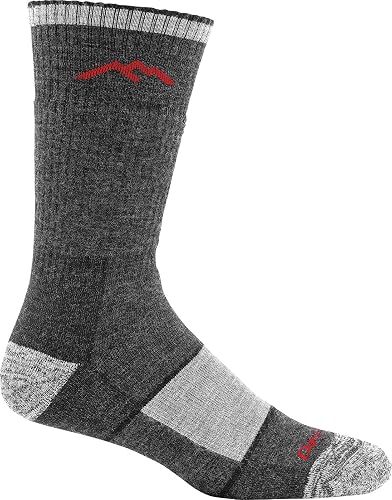
Darn Tough Vermont Men’s Hiker Boot Midweight Full Cushion Socks (1405)
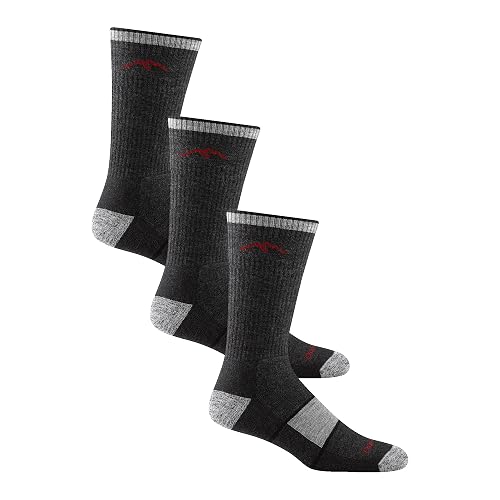
Darn Tough Vermont Men’s Hiker Boot Full Cushion Midweight Hiking Socks
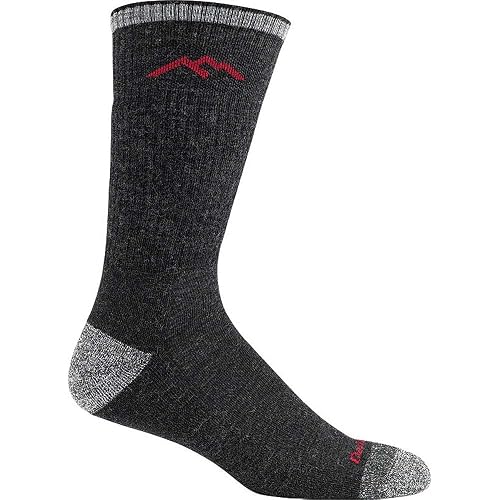
Darn Tough Vermont Men’s Hiker Boot Midweight Cushion Hike Socks (1403)
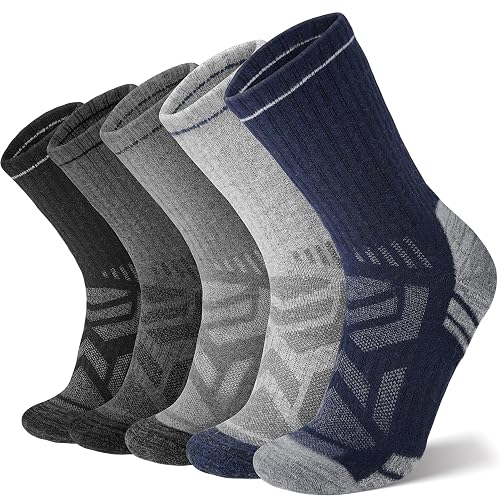
ANTSANG Merino Wool Hiking Socks, Enhanced Breathability
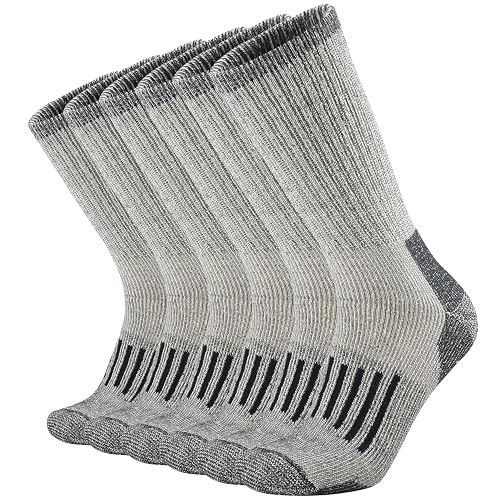
SOX TOWN Merino Wool Socks for Men Heavy Cushion Crew Hiker
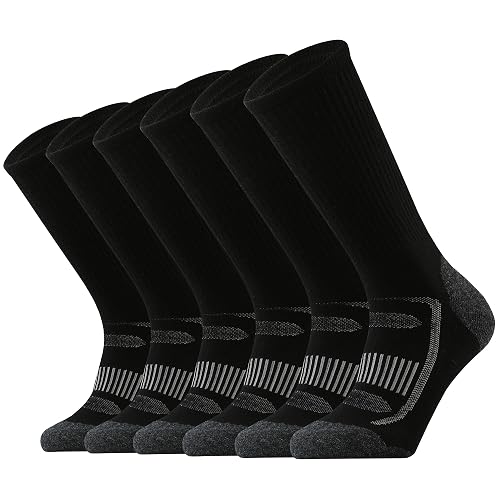
SOX TOWN Merino Wool Socks for Men Cushion Crew Casual Hiker
The Picks, Examined More Closely
The micro crew height on this Darn Tough option sits just above the ankle bone, which keeps the cuff clear of low-cut hikers while staying out of the way under mid-height boots. For day hikers moving fast on three-season terrain, that height hits a comfortable middle ground: enough coverage to keep trail debris out, but no excess fabric bunching behind the heel.
Merino wool is the workhorse fiber here, prized for its natural moisture management and odor resistance, which means a damp morning start won’t leave you clammy two miles in. The midweight cushioning offers enough padding underfoot for rocky stretches without making the sock feel bulky inside a snug-fitting boot. You may find this sock runs slightly warmer than a true lightweight, so for hot summer days on the desert trail, the heavier cousins below could breathe a touch better.
Good Reasons To Consider
- Micro crew height works with most hiking shoe and mid-boot styles
- Merino wool blend manages sweat and resists odor across multi-day trips
- Midweight cushioning absorbs trail impact without excess bulk
- Brand reputation for long-term durability under repeated washing
Things To Consider
- May feel warmer than ultra-lightweight options on hot, dry trails
- Midweight cushioning is a touch thick for tight-fitting low-cut shoes
Who It Suits Best
Three-season day hikers carrying a light pack who want one sock to cover most moderate trails without thinking about it.
Where Another Pick Suits Better
Backpackers hauling heavier loads across cold, wet terrain should look at the Darn Tough Vermont Men’s Hiker Boot Midweight Full Cushion Socks (1405) for more padding and a taller boot-height cuff.
This 1405 model climbs higher up the calf than the micro crew above, which matters when you lace up a proper backpacking boot and need the cuff to clear the top edge. The full cushion density runs the full length of the sock, from toe box to upper cuff, giving the shins extra protection from tongue pressure on a long descent.
The fabric blend breaks down to 66% merino wool, 32% nylon for structural resilience, and 2% Lycra spandex, a synthetic elastic fiber that helps the sock snap back into shape after every wash. Made in the USA, the construction leans on fine-gauge knitting for a smooth interior. The honest read: this is a thick sock, and in a low-cut approach shoe it will feel like too much. Pair it with a real mid or full-height boot, and the cushioning earns its place.
Standout Benefits
- Full-length cushioning reduces fatigue on multi-day routes
- Boot-height cuff protects the shin from stiff boot tongues
- Merino-and-nylon blend balances warmth, softness, and structure
- Spandex content helps the sock hold its shape through repeated laundering
Worth Noting
- Too thick for low-cut trail runners or snug approach shoes
- Drying time is longer than lighter-weight socks if fully soaked
Made For
Backpackers and cold-weather hikers who load their boots down and want serious padding underfoot.
Consider Something Else When
Fast-and-light hikers tackling warm summer trails will be happier with the lighter profile of the Darn Tough Vermont Men’s Hiker Midweight Micro Crew Sock.
Where the 1405 is a workhorse, this Darn Tough full-cushion boot sock pushes deeper into trail-marshal territory. The boot-height cuff rises mid-calf, which suits a sturdy leather backpacking boot and keeps snowmelt, scree, and errant boot laces from grinding against bare skin. It also layers well under gaiters when the weather turns.
Full cushion through the leg and foot adds real volume, so you need a boot with adequate room in the toe box to accommodate the extra material. For thru-hikers logging 15-plus miles a day, the underfoot padding helps absorb the repetitive load that turns into shin splints and ball-of-foot pain. If you tend to hike in lighter trail runners, the loft will feel like overkill, and you may end up with heel slip from too much fabric shifting inside the shoe.
Key Advantages
- Generous full-cushion build for sustained impact absorption
- Mid-calf cuff integrates well with gaiters and tall boots
- Suited to high-mileage, multi-day backpacking trips
Trade Offs
- Significant bulk requires a roomy boot fit to work properly
- Excess thickness can cause heel slip in low-cut or snug shoes
- Heavier to pack and longer to dry than lighter alternatives
Best Suited To
Long-distance backpackers carrying heavier loads who prioritize foot protection over sock weight savings.
Skip It When
Day hikers in lightweight trail runners should consider the SOX TOWN Merino Wool Socks for Men Cushion Crew Casual Hiker instead, which provides everyday cushion without the full-volume build.
The 1403 sits in a useful middle spot: more cushioning than a true lightweight, less bulk than the full-volume options higher on this list. The fabric is 64% merino wool, 33% nylon, and 3% Lycra spandex, which gives the sock enough stretch to stay put during a steep climb without compressing the calf. The boot-height cuff offers a similar coverage zone to the 1405 above.
Made in the USA with fine-gauge knitting, the 1403 aims for that “put it on, forget it’s there” feel, where the seam is undetectable against the toe. The mid-cushion density under the foot handles most rocky terrain without requiring a roomy boot. For most three-season hikers, this is the practical sweet spot: warm enough for chilly mornings, breathable enough for sunny afternoons, and rugged enough for regular trail duty.
The Upside
- Mid-cushion density strikes a balance between comfort and boot compatibility
- Seamless toe construction reduces pressure points on long descents
- Spandex blend keeps the sock in place over rough, variable terrain
- Versatile enough for shoulder-season and moderate winter use
Minor Gripes
- Still too thick for snug-fitting low-cut trail runners
- Merino content costs more than synthetic-only alternatives
Perfect Match For
Hikers who stick to varied three-season trails and want a single sock that handles most conditions without swapping gear.
Look Elsewhere When
Hikers shopping on a tighter budget may prefer the ANTSANG Merino Wool Hiking Socks, which offer a similar merino-based feel at a lower entry cost.
The ANTSANG sock is the entry point on this list for people curious about merino wool without committing to premium pricing. Marketed for both men and women, it’s the kind of versatile option that makes sense as a gift or as a first upgrade from basic cotton socks. The breathable knit construction suits warmer-weather hiking, where heavy cushioning can feel like overkill.
Compared to the Darn Tough options above, the ANTSANG runs lighter on the foot and shorter on the ankle, which suits day hikes and weekend trips more than serious backpacking loads. Without the same fine-gauge seamless toe or proven long-term durability of higher-end picks, it’s reasonable to expect the fabric to thin out sooner under heavy rotation. For most casual hikers, though, this sock offers a real merino experience at an accessible price.
The Value In It
- Lower entry cost for trying merino wool performance
- Lightweight knit suits warm-weather day hikes
- Unisex sizing makes it easy to share or gift
Points To Note
- Likely less durable than premium merino blends under heavy weekly use
- Light cushioning may feel thin on rough, rocky terrain
- Lacks the seamless toe construction of higher-end options
Who Will Love This
Casual hikers, weekend walkers, and anyone stepping up from basic cotton socks without spending premium money.
Reach For A Different Pick When
Serious backpackers who punish their gear should consider the Darn Tough Vermont Men’s Hiker Boot Midweight Cushion Hike Socks (1403) for longer-lasting construction.
SOX TOWN positions this sock for cooler, more demanding days, with heavy cushioning that runs through the entire foot and a crew height that pulls the cuff up past the ankle. For shoulder-season hiking, when the morning starts cold and the trail climbs out of frost, the heavier build holds warmth better than lighter options without the bulk of a true mountaineering sock.
Versus the Darn Tough full-cushion picks above, the SOX TOWN trades some knit refinement for thicker padding, which gives a softer initial feel but may pack out faster under repeated wear. The crew height suits mid-cut hiking boots and casual winter wear equally well. In a roomy boot, the cushioning lands well; in a snug low-cut, the loft will feel like a size up.
Well-Handled Touches
- Heavy cushioning keeps feet warm on cool-weather outings
- Crew height works with mid-cut boots and casual winter footwear
- Merino wool base helps with moisture and odor on long days
Room For Improvement
- Thicker build may feel bulky in low-cut or close-fitting shoes
- Cushioning can pack down with frequent heavy use
The Right Fit
Hikers tackling cool, damp shoulder-season trails who want plush padding without moving to a mountaineering-grade sock.
A Better Fit Elsewhere
Hot-weather day hikers will get more mileage out of the lighter SOX TOWN Merino Wool Socks for Men Cushion Crew Casual Hiker, which trades heavy cushion for breathability.
The lighter sibling in the SOX TOWN lineup, this cushion crew is designed to cross over from trail to everyday wear. The moderate cushioning under the foot handles a commute, a dog walk, and a Saturday trail loop without feeling out of place anywhere. For people who only want to own one pair of “active” socks, this kind of versatility has real appeal.
Compared to the heavy cushion option above, this sock drops the bulk to fit more comfortably in casual shoes and low-cut hiking footwear. Merino content keeps the odor profile reasonable, even when the socks come off at the end of a long day. For serious backpacking or technical terrain, the lighter cushioning won’t absorb as much impact, and the lower stack may wear through faster on abrasive surfaces.
Useful Touches
- Versatile profile suits trails, commutes, and casual wear
- Moderate cushioning fits comfortably in low-cut and casual shoes
- Merino blend handles daily wear without strong odor buildup
Points To Keep In Mind
- Light cushioning offers less protection on technical, rocky routes
- Not as warm as the SOX TOWN heavy-cushion option for cold mornings
Whose Shelf It Belongs On
Everyday hikers and active commuters who want one sock that performs across casual and outdoor use without switching pairs.
Another Choice May Suit
Dedicated backpackers will find the Darn Tough Vermont Men’s Hiker Boot Midweight Full Cushion Socks (1405) better suited to the long-mile demands of multi-day trips.
What Matters Most Before Choosing Mens Hiking Socks
Fiber Composition and Moisture Control
Merino wool, the soft and naturally moisture-wicking wool from merino sheep, remains the gold standard for hiking sock fibers because it moves sweat away from skin and resists odor across multiple days. Synthetic blends add durability and faster dry times, while pure cotton is best avoided on the trail since it traps moisture and dries slowly, setting up the conditions for blisters.
Cushion Level and Boot Compatibility
Cushioning affects both comfort and fit inside the boot. Light cushion works in low-cut trail runners and casual shoes, midweight is the everyday standard for most hiking boots, and heavy or full cushion suits rugged backpacking boots with room in the toe box. Mismatched cushion and boot fit is one of the most common causes of heel slip and toe pressure on long days.
Sock Height and Trail Conditions
The cuff height, from no-show to over-the-calf, should match the boot height and the trail environment. Low-cut heights work for warm, dry trails and trail runners, while crew and boot heights keep debris out and protect the shin on rougher terrain or in gaiter setups. Cold-weather hiking usually benefits from taller cuffs that add warmth around the lower leg.
Key Considerations Across These Picks
Where Shoppers Go Wrong
Treating hiking socks as interchangeable with everyday cotton socks is the most common misstep. Cotton holds moisture against the skin, which leads to hot spots and blisters once the trail warms up or a stream crossing soaks through. Another trap is buying cushion density that doesn’t match the boot, leaving either too much room or too much pressure around the heel and toes.
What The Higher Tier Buys
The jump from budget merino to premium options like the Darn Tough 1403 and 1405 covers real ground: finer-gauge knitting, seamless toe construction, and tighter fiber blends that hold up over more wash cycles. For hikers who get out weekly, the longer service life and consistent fit pay off over time. Casual once-a-season hikers may not notice the difference, so the budget tier often makes more sense until the trail days stack up.
Frequently Asked Questions
How often should hiking socks be replaced?
Replace hiking socks when the cushioning packs out permanently, the heel stretches beyond a snug fit, or the fabric thins enough to show wear. For most hikers logging weekly trail days, premium merino blends tend to last through multiple hiking seasons.
Can I machine wash merino wool hiking socks?
Most merino hiking socks handle machine washing on gentle cycles with cold water. Skip the fabric softener, since it coats the wool fibers and reduces moisture-wicking performance over time.
Are thicker hiking socks always warmer?
Thicker socks provide more insulation, but warmth also depends on the fiber and the boot fit. A snug-fitting boot with a midweight merino sock often feels warmer than a loose boot with a heavy synthetic sock, because trapped cold air reduces overall comfort.
Do I need different socks for day hiking versus backpacking?
Day hiking in low-cut shoes works well with lighter, shorter socks, while backpacking in stiffer boots benefits from taller, more cushioned options. Many hikers keep both types in rotation rather than forcing one sock to cover every use.
What socks prevent blisters best on long hikes?
Socks that fit snugly without bunching, wick moisture away from the skin, and have a smooth or seamless toe box tend to reduce blister risk. Proper boot fit and breaking in new boots before long trips matter just as much as the sock itself.
Bottom Line
The right hiking sock depends on where you go, what you carry, and how often you hit the trail. Match the cushion to your boot, the height to the conditions, and the fiber to your climate, and most of the comfort equation sorts itself out. Start with one of the picks above, and let your feet tell you what they need next.