
A reliable pair of hiking trousers changes how a trail feels. Damp brush, sudden rain, and long switchbacks all get easier when the fabric moves with you, breathes well, and dries fast. This roundup covers six pairs worth your attention, from ultralight travel pants to heavier mountain builds, so you can match the trousers to the terrain you actually walk.
The Leading Options At A Glance
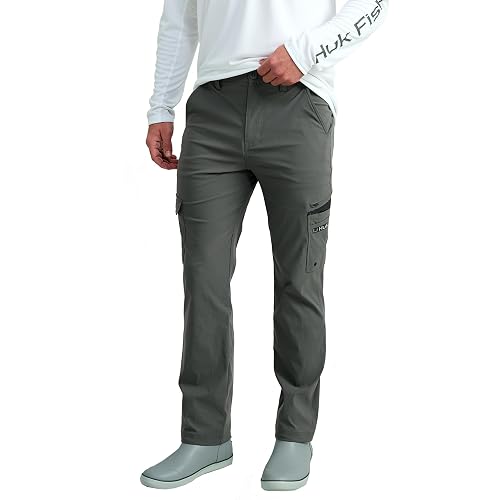
HUK Icon Pro Performance Cargo Pant

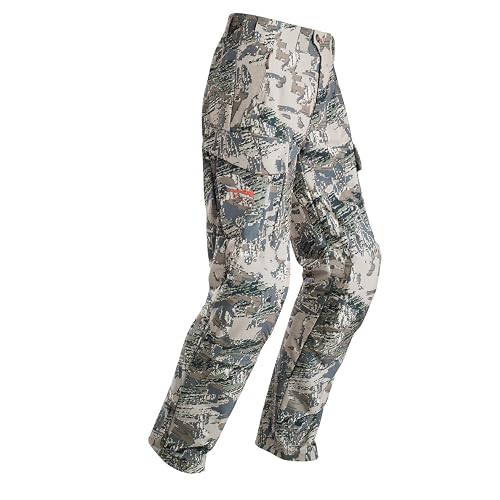
SITKA Equinox Guard Lightweight Pant
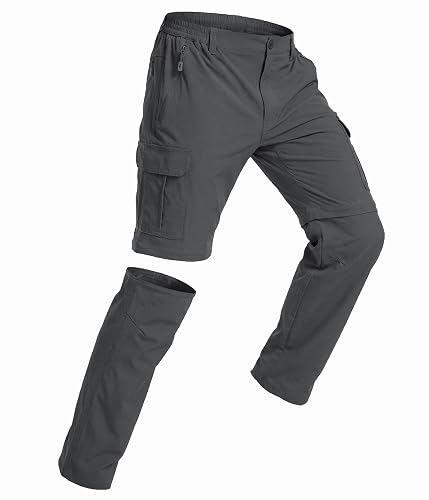
NATUVENIX Convertible Quick-Dry Pant
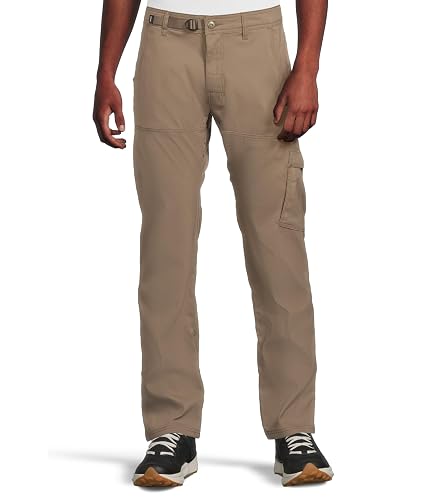
prAna Zander Knicker Pant
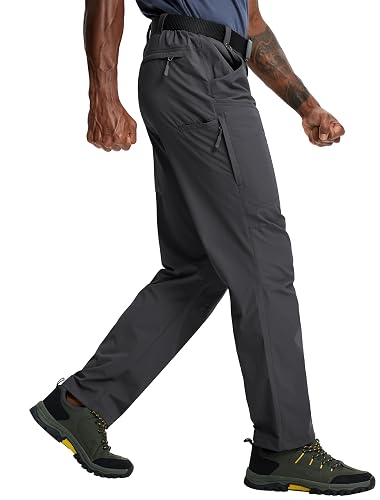
Zoofly Lightweight Tactical Cargo Pant
Why These Options Stand Out
The HUK Icon Pro sits at the crossover where stream fishing meets trail walking. Built from a 95% nylon, 5% spandex blend, the fabric stretches with each step and shrugs off light splashes when you wade into shallow water or cross a rain-soaked path.
Compared to the SITKA Equinox Guard covered later, this pair leans cooler and more athletic than heavily vented hunting pants. For anyone who splits weekends between the river and the trailhead, the Icon Pro covers both without a wardrobe change.
Features That Help
- Nylon-spandex blend delivers stretch where knees and hips need it most.
- Synthetic fibers move sweat off skin, keeping you drier on humid days.
- Cargo pockets with Velcro closures secure small gear so it stays put on uneven ground.
- Elastic waistband keeps the fit comfortable during long casting sessions.
- Zippered fly adds a familiar, reliable closure.
Worth Noting
- Not a fully waterproof shell, so prolonged downpours will soak through eventually.
- The athletic cut may feel snug around the thighs for wearers with thicker legs.
- Lightweight nylon can snag on rough brush or sharp branches.
Who It Suits Best
Anglers who walk to their fishing spots and want one pant that handles both wading and the trail back.
Consider Something Else When
Hunters heading into thick brush or cold weather should look at the SITKA Mountain Pant instead.
The SITKA Equinox Guard is built for the kind of heat that turns ordinary trousers into a sweat lodge. Its lightweight, moisture-wicking fabric pulls sweat away from skin, and zippered leg vents let you dump heat fast when you push uphill.
Where the HUK Icon Pro is a stream-and-trail crossover, the Equinox Guard is a purpose-built warm-weather piece. Hunters, hikers, and birders covering miles in muggy conditions will appreciate how the fabric promotes airflow rather than trapping it.
Reasons It Performs
- Zippered leg vents open for rapid cooling on steep climbs.
- Moisture-wicking weave keeps the inside of the pant drier than basic cotton.
- Lightweight construction reduces fatigue over long miles.
- Fabric dries quickly after stream crossings or sudden rain.
Points To Keep In Mind
- The thin build offers limited insulation, so shoulder seasons get chilly.
- Sizing tends to run close to the body, which may feel restrictive to some.
- Vents mean added zippers that owners commonly report need gentle handling to avoid snags.
Made For
Stalkers, hunters, and hikers logging long hours in humid summer air.
Look Elsewhere When
Cool-weather hikers should pick up the SITKA Gear Mountain Pant for added insulation.
The NATUVENIX Convertible Pant solves the climate-change problem that hits every backpacker eventually: cool morning, hot midday, cool again at dusk. The zip-off legs turn full trousers into shorts in under a minute, which means one garment covers a wider range of temperatures.
Compared to the Zoofly tactical pant covered below, this pick focuses on travel flexibility rather than heavy-duty pocket utility. Lightweight, quick-drying fabric makes it a strong companion for trips where luggage space is precious.
A Few Strong Suits
- Zip-off legs eliminate the need to pack a separate pair of shorts.
- Quick-dry fabric recovers fast after rain or stream crossings.
- Lightweight build keeps pack weight low for long-distance travelers.
Honest Caveats
- Zipper seams at the knees can wear over time with repeated conversions.
- Convertible pants run warmer than dedicated shorts in extreme heat.
- Lightweight fabric offers minimal abrasion resistance on rocky terrain.
Best Suited To
Travelers and backpackers crossing climates where pants and shorts both earn their place.
Not Your Match When
Tactical users who want maximum pocket space should consider the Zoofly Lightweight Tactical Cargo Pant.
The SITKA Gear Mountain Pant is the heavier sibling in this roundup, built for cold, wet, and unpredictable alpine terrain. Where the Equinox Guard aims for ventilation, the Mountain Pant leans into durability and weather resistance.
For backpackers who push into shoulder seasons or high elevations, the Mountain Pant trades a bit of breathability for serious protection. It is the pair you reach for when a summer afternoon turns into a freezing ridge walk by sundown.
Everyday Wins
- Heavier fabric construction stands up to abrasive rock and brush.
- Reinforced design handles pack-belt wear on multi-day trips.
- Cut for layering over base garments in cold weather.
Small Caveats
- Heavier weight adds bulk and slows drying if soaked through.
- Insulation-friendly build runs warm on hot summer days.
- Bulkier fabric can feel stiff until broken in.
Right Fit For
Alpine hikers and hunters who face cold wind, wet brush, and rugged terrain on multi-day outings.
A Better Fit Elsewhere
Warm-weather day hikers will find the SITKA Equinox Guard much easier to manage in summer heat.
The prAna Zander Knicker Pant is the soft, comfortable outlier in this list. Made from 97% organic cotton with 3% spandex, it offers a knit-harness feel that breathes naturally and moves with you on gentler trails.
Where the SITKA Mountain Pant aims at alpine severity, the Zander aims at everyday wear and easy day hikes. Travelers packing one carry-on bag will appreciate how the knicker length works with both hiking boots and casual sneakers.
Useful Strengths
- Organic cotton blend feels soft against the skin from day one.
- Knicker length avoids bunching around tall hiking boots.
- Medium-regular fit suits a wide range of body types.
Worth Bearing In Mind
- Cotton holds moisture longer than synthetics, so wet trails mean longer drying times.
- Not designed for serious abrasion or technical scrambling.
Who Will Love This
Casual hikers, travelers, and anyone who wants one comfortable pant that handles light trails and town stops.
Reach For A Different Pick When
Backpackers tackling multi-day wet routes should choose the NATUVENIX Convertible Pant for faster drying.
The Zoofly Lightweight Tactical Cargo Pant is the pocket-heavy option on this list, with six dedicated pockets built around nylon stretch fabric. For photographers, fishers, and tactical hobbyists who carry small tools, the layout removes the need for a pack on short outings.
Compared to the prAna Zander covered above, the Zoofly is purely synthetic and built for utility rather than softness. Day hikers who want quick-dry performance plus storage will find it a useful alternative to a basic pair of trousers.
Useful Touches
- Six-pocket layout handles phones, knives, maps, and small tools.
- Nylon stretch construction allows free movement on climbs.
- Quick-dry fabric handles splashes and brief rain showers.
- Water-resistant finish sheds light moisture on the trail.
Things To Consider
- Tactical styling is more visible than muted hiking colors.
- Stretch fabric can feel less substantial than heavier mountain builds.
Perfect Match For
Tactical enthusiasts, anglers, and hikers who want maximum pocket storage without carrying a backpack.
Where A Sibling Pick Shines
Travelers wanting one pant for both trail and town should look at the prAna Zander Knicker Pant instead.
What Matters Most Before Choosing Mens Hiking Trousers
Fabric and Weight
The fabric is the foundation. Nylon and polyester blends dry fast and resist abrasion, which matters on wet or rocky trails. Cotton feels soft but absorbs water and dries slowly, a real liability on multi-day hikes. Spandex adds stretch, which helps when stepping over logs or scrambling on boulders. Weight matters too: lighter fabric packs smaller and breathes better in summer, while heavier builds block wind and resist tears in alpine conditions.
Fit and Mobility
Trousers that bind at the knees or hips turn easy miles into tired ones. Look for articulated knees (pre-shaped seams that follow your leg’s bend) and gusseted crotches (a diamond-shaped fabric insert that increases range of motion) if you move a lot on uneven ground. Waistbands matter for long days; elastic panels or adjustable tabs prevent the dreaded pack-belt slide down the hips. Try the trousers with the layers you actually wear on the trail.
Pockets and Storage
Pocket layout is personal. Anglers and photographers usually want cargo pockets, while ultralight hikers prefer fewer pockets to save weight. Secure closures like Velcro or zippers keep gear from bouncing out on rough ground. Back pockets with flaps stay useful for a folded map or a small notebook on long routes.
Weather Protection
Water resistance comes in two flavors: a durable water repellent (DWR) finish that sheds light rain, and a fully waterproof membrane that handles hours of precipitation. DWR is enough for most summer storms, but a heavy membrane is worth the weight for wet climates. Vented trousers help in humid heat, while lined builds suit cold ridges.
Key Considerations Across These Picks
Mistakes Worth Dodging
Picking trousers by style alone is a common trap. Tactical looks and hiking looks serve different purposes, and choosing the wrong aesthetic often means choosing the wrong pocket layout. Another frequent slip is underestimating drying time. Cotton feels comfortable in the store but stays wet for hours on the trail. Match the fabric to the climate you actually hike in, not the climate you wish you lived in.
Where The Extra Money Goes
Higher-priced trousers usually buy better fabric engineering, more durable stitching, and smarter pocket design. Reinforced seat panels, articulated knees, and bonded seams (seams sealed with adhesive rather than stitched, reducing bulk and water entry) all add real lifespan on rough trails. For occasional day hikes, budget builds are reasonable. For multi-day backcountry trips, the upgrade pays off in fewer failures and longer wear.
Frequently Asked Questions
What fabric is best for Mens Hiking Trousers?
Synthetic blends like nylon with spandex dry fast, breathe well, and resist abrasion. Cotton feels soft but holds moisture, so it suits easy day hikes rather than wet or multi-day routes.
Are zip-off convertible pants worth it?
Convertible pants work well for travelers crossing climates and backpackers saving pack space. The trade-off is added zipper bulk at the knees and slightly slower drying compared to single-leg designs.
How should Mens Hiking Trousers fit?
Trousers should sit comfortably at the waist without binding, with room to move at the knees and hips. A proper fit leaves space for base layers in cold weather and prevents fabric from catching on boots.
Can I wear tactical pants for regular hiking?
Yes. Tactical pants like the Zoofly offer stretch, quick-dry fabric, and many pockets, which translate well to the trail. The styling is more visible than muted hiking colors, but the function is similar.
How do I clean and care for hiking trousers?
Wash in cold water with mild detergent, avoid fabric softeners, and tumble dry low or hang dry. Softeners coat technical fabrics and reduce moisture-wicking and water-repellent performance.
Final Verdict
The right pair of hiking trousers depends on where your boots actually go. Stream-crossing anglers get the most from the HUK Icon Pro, while humid hunters will appreciate the SITKA Equinox Guard vents. Travelers packing light should look hard at the NATUVENIX Convertible, and cold-weather backpackers will lean toward the SITKA Mountain Pant. Casual hikers and tactical users each have a tailored option here, so match the build to the terrain and let the trail do the rest.