
A long trail day punishes bad base layers faster than almost anything else you wear. Moisture trapped against the skin, constant friction from a loaded pack, and surprise temperature swings turn cotton into a soggy liability. The right hiking underwear keeps you dry, prevents chafing on multi-mile days, and stays comfortable wash after wash. This list rounds up four solid options worth your attention, from a long-haul travel favorite to a true merino wool pick.
A Fast Comparison Of The Options

ExOfficio Give-N-Go Sport 2.0 Boxer Brief
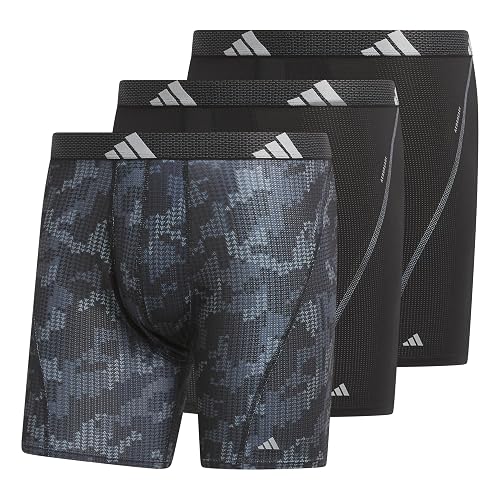
adidas Men’s Performance Boxer Brief 3-Pack

BAMBOO SEAOO Ultra Soft Boxer Briefs 3D Pouch
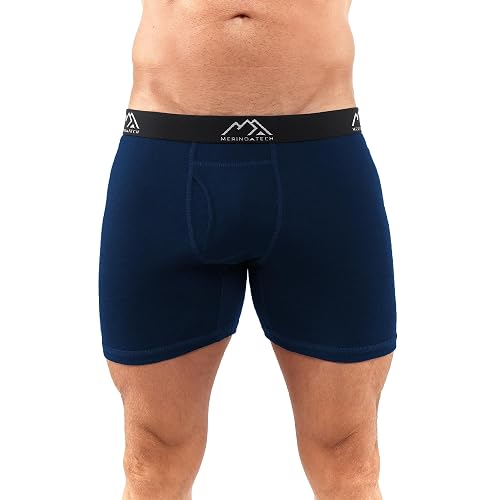
Merino.tech Merino Wool Boxer Briefs 17.5um
More On The Choices That Made The List
The Give-N-Go Sport 2.0 is a long-standing favorite for backpackers who treat underwear as part of their layering system, not an afterthought. The brand positions it for travelers crossing hot, humid, and unpredictable terrain, and the construction reflects that brief: stretch knit, smooth seams, and a fabric blend that pulls moisture off the skin.
On the trail, the practical upside is simple: a rinsed pair dries fast on a camp line and is wearable again by morning, which matters on multi-day routes. The flatlock-style stitching reduces rub points under a heavy pack, and the fabric holds its shape through repeated wash cycles. For section hikers and thru-hikers alike, it earns its reputation as a reliable base layer.
Useful Strengths
- Quick-drying knit fabric, useful for sink-wash-and-hang days on long routes.
- Moisture-wicking construction keeps skin drier during high-output climbs.
- Lightweight stretch moves naturally with hip flexors on steep descents.
- Flat seams help prevent chafing under a loaded hip belt.
- Mesh ventilation panels boost airflow in warm, sticky conditions.
Things To Consider
- Synthetic fabric can hold odor after several hard days, so a rinse routine matters.
- 9-inch inseam runs longer than standard, which can ride up on shorter torsos.
Feature Snapshot
Who Will Love This
Backpackers tackling multi-day routes who want a quick-drying pair that survives sink washes and rough trail days.
Look Elsewhere When
Pick the Merino.tech Merino Wool Boxer Briefs instead if you run cold or hike shoulder seasons and want natural temperature regulation.
The adidas Performance 3-Pack is a familiar name in gym bags and dresser drawers for good reason: it handles sweat without fuss and arrives in a multipack that keeps you stocked for a while. Built around a stretch polyester blend, this is the kind of underwear you grab for a Saturday loop, a gym session, and a work commute alike.
For hikers, the appeal is the elastic waistband, which holds its tension through repeated wear, and the contoured pouch that reduces ride-up on steeper pitches. The 3-pack format softens the cost-per-pair math, making it easy to rotate clean pairs into a pack. For weekend trail warriors, it covers the basics without ceremony.
Good Reasons To Consider
- Multipack value keeps a steady rotation of clean pairs ready.
- Stretch fabric moves freely through lunges, scrambles, and stride-outs.
- Stretch waistband stays flat under a pack belt without rolling.
- Contoured pouch helps prevent riding up on climbs and descents.
Worth Noting
- Synthetic fibers can trap odor after back-to-back sweaty days.
- Standard length may leave inner thigh exposed on taller frames.
- Less specialized than dedicated trail underwear for true thru-hike use.
Whose Shelf It Belongs On
Day hikers and weekend trail users who want an affordable, multipack option that doubles as everyday underwear.
Where A Sibling Pick Shines
Choose the ExOfficio Give-N-Go Sport 2.0 Boxer Brief if your routes stretch past a single day and faster drying becomes essential.
The BAMBOO SEAOO boxer brief leans into softness and structure in equal measure, with a 3D pouch design (a contoured front panel shaped for separation and reduced contact) and a high-stretch waistband. It’s aimed squarely at hikers and gym-goers who have struggled with ride-up and chafing on past trips. Compared to the sportier cut of the adidas 3-Pack, this one prioritizes a locked-in feel.
The fabric blend reads as a stretch knit with high elastane content, which translates into real give during deep squats, lunges, and long downhill steps. On the trail, the contoured pouch and no-ride-up leg design aim to keep everything in place without constant adjustment. For chafe-prone hikers, the comfort focus is the main selling point.
A Strong Showing
- 3D pouch design reduces skin-on-skin contact on humid days.
- No ride-up leg construction stays put through steep descents.
- High elastane stretch supports full range of motion.
- Soft hand feel suits hikers with sensitive skin.
Room For Improvement
- Sizing can run small, so checking the size chart matters before committing.
- Higher elastane content may lose snap faster than pure synthetics over time.
Best Suited To
Hikers who deal with chafing or ride-up on long climbs and want a softer, more structured boxer brief.
Swap It Out When
Reach for the adidas Men’s Performance Boxer Brief 3-Pack if you want a simpler multipack at a more forgiving entry point.
The Merino.tech boxer brief goes straight to merino wool, a natural fiber known for temperature regulation and odor resistance, with a listed micron count of 17.5 (the lower the number, the softer the fiber). It’s built for hikers who deal with wide temperature swings, from frozen morning starts to sweaty afternoon climbs, and don’t want to swap base layers at every break.
In practical use, the wool knit breathes when you heat up and insulates when you cool down, which is why merino dominates multi-season hiking kits. It also resists odor far longer than synthetics, making it well suited to thru-hikers rotating a single pair between washes. Against the synthetic-first ExOfficio Sport 2.0, this pick trades drying speed for thermal range.
Points In Its Favor
- Merino wool naturally regulates temperature across cool mornings and warm afternoons.
- 17.5-micron fiber feels softer against skin than coarser wool grades.
- Natural odor resistance extends wear time between washes.
- Works across seasons, reducing the need to swap base layers.
- Available in 1-pack and 2-pack formats for flexible stocking.
Points To Keep In Mind
- Merino dries more slowly than synthetics, so a damp pair on a cold night can feel clammy.
- Wool fibers can wear through faster than polyester under heavy pack belts.
- Care is more particular; hot washes or rough cycles shorten lifespan.
Made For
Four-season and shoulder-season hikers who run cold, sweat heavily, and want one base layer that handles both ends of the thermometer.
Not Your Match When
Pick the ExOfficio Give-N-Go Sport 2.0 Boxer Brief instead if your priority is fast drying for humid multi-day trips or budget-friendly synthetics.
What To Weigh Before Picking Mens Hiking Underwears
Fabric Type And Moisture Handling
The first decision is fabric, and it drives nearly every other trait. Synthetic knits pull sweat off the skin and dry the fastest, which matters on humid trails or fast-paced days. Merino wool regulates temperature across wider ranges and resists odor naturally, but dries more slowly. Both beat cotton, which absorbs sweat and stays wet, a recipe for chafing on long climbs.
Fit, Length, And Ride-Up
A boxer brief that rides up under a hip belt or bunches in the groin will distract you on every switchback. Look for flat or smooth seams, a contoured pouch, and leg openings designed to stay put. Inseam length matters too: longer cuts protect the inner thigh on descents, while shorter cuts feel less bulky under slim shell layers.
Durability And Care
Trail underwear takes a beating from sweat, body oils, and rough wash cycles. Synthetics handle machine washing well but can pill over time. Merino needs cooler washes and air drying to last. Match the care requirement to how you actually treat your laundry, otherwise you’ll burn through pairs faster than expected.
Activity And Climate Match
A weekend day hiker in mild weather needs far less from a base layer than a thru-hiker crossing alpine zones. Match the underwear to your realistic use: synthetics for fast-and-light day trips, merino for variable conditions and multi-day routes, hybrid blends for gym-to-trail crossover. The wrong pick is rarely catastrophic, but the right pick disappears into the background and lets you focus on the trail.
Key Considerations Across These Picks
Mistakes Worth Dodging
The most common slip is buying cotton for the trail because it’s soft and familiar. Cotton holds moisture, dries slowly, and creates chafing conditions that compound over miles. Another trap is ignoring inseam length: a too-short cut under a heavy pack can rub raw in a single afternoon. Finally, don’t skip sizing checks on pouch-style briefs like the BAMBOO SEAOO, where a tighter fit is the design intent and sizing runs small.
Where The Extra Money Goes
Premium hiking underwear costs more because the fabric is engineered rather than commodity-grade: finer merino micron counts, knit blends with targeted stretch panels, and seam constructions designed to disappear against skin. For casual day hikers, the mid-tier synthetic options cover nearly every need. For multi-day or variable-condition routes, the upgrade to merino or a refined synthetic often pays for itself in comfort and durability over a season of use.
Frequently Asked Questions
What makes hiking underwear different from regular underwear?
Hiking underwear uses moisture-wicking fabrics, flat seams, and contoured construction to reduce chafing during sustained movement. Regular cotton underwear absorbs sweat and stays wet, which causes irritation over long distances.
How often should hiking underwear be replaced?
Replace pairs when the fabric thins, the waistband loses stretch, or seams start to rub. Most quality pairs last one to two hiking seasons with regular use, though merino may wear faster under heavy pack belts.
Can merino wool be worn for multiple days on the trail?
Yes, merino resists odor naturally and can often be worn two to four days between washes. It does dry more slowly than synthetics, so humid conditions may require a rotation.
What inseam length works best for hiking?
Longer inseams around 8 to 9 inches protect the inner thigh on descents and reduce chafing. Shorter cuts feel cooler but may ride up under a heavy pack.
Should hiking underwear be tight or relaxed?
A close, supportive fit prevents ride-up and fabric bunching. Too loose creates friction, while too tight restricts circulation. Aim for a snug fit that moves with you without digging in.
Wrap Up
The right hiking underwear quietly handles moisture, friction, and temperature so you can focus on the trail ahead. For fast-drying synthetics, the ExOfficio and adidas options deliver dependable performance. For chafe-prone hikers, the BAMBOO SEAOO 3D pouch offers a structured, stay-put fit. For variable climates and multi-day routes, the Merino.tech merino wool pick earns its place in a serious kit. Match the fabric and fit to your typical terrain, and the rest takes care of itself.