
Spending a Saturday wandering an old farm field or a beach after a storm feels exciting, until you hit a plug of clay with a flimsy trowel. The right metal detecting shovel changes everything: faster recoveries, cleaner plugs, and far less wrist strain over a long hunt. This list covers nine serious digging tools for hobbyists who want reliable gear, from compact travel scoops to all-steel trenchers built for tough ground.
The Shortlist At A Glance

Root Slayer 22011 Garden Shovel, Serrated Blade, Red

CKG Set 3 in 1 Metal Detecting Pouch and Sifting Scoop

Root Slayer 22411 Mini Digger Garden Shovel, Serrated Blade, Red
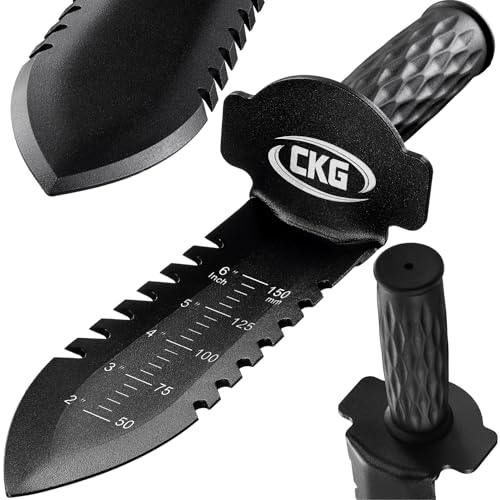
CKG Metal Detecting Shovel Heavy Duty Double Serrated Trowel

CKG Metal Detector Shovel with Leather Case, Black

Cold Steel Spetsnaz Tactical Camp Shovel
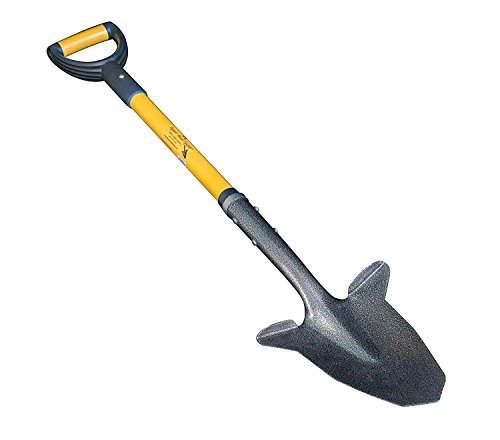
Spear Head Spade SHFD3 40″ Yellow Garden Spade Shovel

CKG Carbon Metal Detecting Shovel with Double Serrated Blade

Heavy-Duty All-Steel Sharpshooter Shovel, 15″ Chromoly Head
Inside Each Recommended Option
The Root Slayer 22011 sits at the top because it pulls double duty better than almost any other pick here. Where a standard detector trowel barely scratches through a tangle of roots, the inverted V cutting tip saws through them like a hatchet, so a stubborn plug that would normally have you grunting in the dirt pops out in a couple of thrusts.
You feel the difference after an hour of swinging. The shaft geometry keeps your wrist in a neutral position, which matters once you have pulled twenty targets in a row and the next one is buried under a mat of crabgrass. For hobbyists who split time between hunting and yard work, this one tool replaces a hatchet, a saw, and a shovel.
Advantages To Know
- Multi-role design: digs, saws, and slices roots in a single tool
- Serrated edge bites through rhizomes and woody vines without a separate saw
- Shaft angle reduces wrist torque on repetitive pulls
- Equally useful in the garden bed after a hunt
- V-tip pierces hardpan more cleanly than a flat spade
Points To Keep In Mind
- Full-size length is awkward in dense brush or under low limbs
- Coated blade benefits from a wipe-down after wet digs to slow finish wear
Feature Snapshot
Made For
Hobbyists who want one tool that handles relic hunting, gardening, and tough soil without swapping between three implements.
Reach For A Different Pick When
The Root Slayer 22411 Mini Digger is a better fit when you hunt tight wooded lots or want a compact packable scoop.
Brand-new detectorists often overbuy, then realize they never needed half of it. The CKG 3-in-1 kit solves that by bundling the three things you actually touch on a hunt: a digging tool, a sifting scoop, and a small knife, plus a pouch to keep everything together. For someone just unboxing a first detector, that bundle hits the sweet spot.
The yellow handle stays visible on the grass when you set it down between swings, which sounds trivial until you have lost three trowels in tall weeds. Compared to the CKG Heavy Duty shovel further down this list, the pieces here are lighter and travel-friendly, trading raw cutting force for packability.
Where It Delivers
- Bundle covers digging, sifting, and target extraction in one purchase
- Carry pouch keeps small finds and tools together on the move
- High-visibility yellow handle cuts down on lost-tool mishaps
- Lighter than full-size shovels, easier on long walks
Things To Consider
- Smaller blade is slower in heavy clay than a full-size trenching tool
- Pouch zippers and seams need an occasional check after sandy hunts
Who It Suits Best
First-time hobbyists who want a matched kit without piecing together separate tools from three different listings.
Skip It When
The CKG Heavy Duty Double Serrated Trowel fits better when you already know your soil runs rocky and need a sturdier cutting edge.
The 22411 takes everything that works about the full-size Root Slayer and shrinks it down. The same inverted V serrated tip shows up here, just on a more compact head. On a wooded lot where a long shaft is a liability, swinging under low branches or squeezing between saplings, this little digger keeps moving when full-size tools get stuck.
Raised-bed gardeners and beach hunters get along with it especially well. The shorter length means you trade a bit of leverage, but in loose sand or loose loam you rarely need that extra oomph. If your hunt involves driving to three sites in a day, the lighter pack weight is worth more than the reach.
Real Benefits
- Shorter shaft threads through tight brush without snagging
- Same aggressive V-tip as the full-size Root Slayer
- Lighter carry keeps you fresher over multi-site hunts
- Handy in raised beds and planters where long tools are clumsy
Trade Offs
- Less leverage on deep, compacted targets
- Serrated finish benefits from a brush-down after rooty digs
Right Fit For
Detecting in tight spaces, raised-bed gardeners, and travelers who pack light between sites.
Not Your Match When
The Spear Head Spade SHFD3 fits better when you spend most of the day standing and want a long, back-friendly handle.
Most detector trowels saw on one side. The CKG Heavy Duty saws on both, so the cutting direction stops mattering mid-plug. Roots that slide away from a single-sided edge have nowhere to hide, and you finish a recovery faster because you are not flipping the tool around.
The steel feels chunky in the hand, in a good way, when you push through packed dirt or pry up a flat rock. Compared to the lighter CKG carbon steel option further down the list, this one is noticeably sturdier on the heel and tip. You give up a little weight for that durability, but on hard ground that is the right trade.
Where It Excels
- Double serrations cut on both push and pull strokes
- Heavy-duty steel shrugs off rocky soil and root mats
- Ergonomic grip stays comfortable on long sessions
- Works for garden, campsite, and recovery duty alike
Honest Caveats
- Heavier than carbon alternatives, so it tires the wrist sooner on long walks
- Wider head can overcut a small plug, leaving a bigger fill-in job
Best Suited To
Hunters working root-heavy old homesteads and clay fields where a lighter trowel would just bounce off.
Look Elsewhere When
The CKG Carbon Metal Detecting Shovel is the better call for beach and travel hunting where every ounce matters.
A leather sheath sounds like a small thing until you have watched a bare blade chew up the inside of your pack. The CKG shovel solves that with a fitted case, and the fit matters: the blade slides in without fighting the edges, then stays put on the hike back to the truck.
The blacked-out look reads as a “tactical” tool to some folks, but functionally it is just a sturdy digging trowel that happens to ship with proper storage. Compared to the bundled CKG 3-in-1 set earlier in this list, this one is for the hunter who already owns a pinpointer and pouch and only needs the shovel part done right.
What Works In Its Favor
- Leather case protects your pack and the blade edge
- Solid trowel build for typical field and beach soil
- Slips in and out cleanly, no wrestling with the sheath
- Black finish hides scuffs that lighter coatings show right away
Things That May Matter
- Leather case needs occasional conditioning if it gets soaked
- No sifting scoop in the box, so beach hunters will pair it with another tool
Who Will Love This
Organized hobbyists who already own a pinpointer and want their main digging tool to ride clean in a loaded pack.
Where Another Pick Suits Better
The CKG 3-in-1 Pouch and Sifting Scoop Set is the better match for newcomers who want a digging tool, scoop, and knife in one bundle.
The Cold Steel Spetsnaz is a short, mean-looking tool that crosses over between metal detecting and off-grid camping. The head is 2mm medium carbon steel, hard enough to scrape a fire ring out of hard ground, soft enough to take an edge in the field. For off-trail hunters who dig tent stakes, latrines, and the occasional relic, that versatility earns its space.
At roughly 19.68 inches overall, this lands closer to a camp tool than a trowel, so it is not the choice for tight plug recovery. But when the target signal points to a deep cache in rocky soil, the longer handle and full-size head give you the leverage a hand trowel cannot.
The Good Stuff
- Medium carbon steel takes and holds a working edge
- Hardwood handle is grippy even when wet or cold
- Full 19.68-inch length delivers real prying leverage
- Doubles as a camp, trench, and recovery tool
Worth Bearing In Mind
- No sheath ships with the tool, so storage is a separate buy
- Too long for quick plug recovery on small shallow targets
Perfect Match For
Detectorists who camp overnight on multi-day hunts and want one tool that handles campsite chores and target recovery.
A Better Fit Elsewhere
The Root Slayer 22011 Garden Shovel is the smarter pick if your priority is clean, fast plug recovery on day trips.
Back pain ends more detector sessions than bad targets do. The Spear Head Spade SHFD3 solves that with a full 40-inch overall length and a cushioned D-grip, so you stay upright and drive the blade down with leg weight instead of bending and twisting your spine.
The 9-by-11-inch beveled blade is wider than a trowel, which actually helps in garden beds and lawn recoveries where you want a clean, transplantable plug. Compared to the Compact Root Slayer 22411, this is a different job: long handles win on open ground and raised beds, lose in tight brush. The yellow finish is a nice touch for visibility in tall grass.
What Stands Out
- 40-inch handle keeps you standing and saves your lower back
- Steel-reinforced fiberglass shaft is light and weather-resistant
- Cushioned D-grip absorbs shock on hard thrusts
- Wide beveled blade cuts clean planting plugs
- High-visibility yellow blade is hard to lose in weeds
Practical Considerations
- Too long for fast shallow recoveries in tight brush
- Wider blade overcuts small targets, leaving more refill work
Whose Shelf It Belongs On
Detecting gardeners and hobbyists with back sensitivity who want a single full-length spade for yard and field work.
Swap It Out When
The Cold Steel Spetsnaz Tactical Camp Shovel suits you better when you want a more compact, off-grid-ready tool.
Carbon steel sounds like a marketing word, but on this shovel it translates to a real-world difference: lighter carry without giving up much strength. On a three-mile hike to a remote permission site, your shoulders and forearms notice the saved weight long before they notice anything else.
The double serrated blade handles the same cutting jobs as the heavier CKG trowel earlier in this list, just with less mass behind each stroke. If your sites involve soft sand, recently tilled soil, or beach work where the ground falls apart easily, this is the right size of tool for the job.
Everyday Advantages
- Carbon steel keeps the head light without feeling flimsy
- Double serrations cut roots on both push and pull
- Easy on the wrist over a full day of recovery
- Bright blue finish stands out on the ground
Room For Improvement
- Lighter head bites less aggressively into hardpan or dry clay
- Carbon steel benefits from a dry-down after wet digs to limit surface oxidation
Built With In Mind
Travel-heavy detectorists and beach hunters who cover serious ground and want a tool that disappears in the pack.
Wrong Turns To Avoid Elsewhere
The Heavy-Duty All-Steel Sharpshooter Shovel fits better when you work compacted ground and need real weight behind every thrust.
The Sharpshooter is overkill for a manicured lawn, and that is exactly the point. At roughly 13 pounds of digging mass driving a heat-sharpened chromoly (a tough chromium-molybdenum steel alloy) head, it sinks into hardpan that laughs at a trowel. On construction sites, rocky farm fields, or anywhere you would normally reach for a pickaxe, this shovel replaces both.
The trade is real: this is not a walking-around detector tool, it is a station tool for a tough patch of ground. You drive it in, pry up a deep narrow trench, and recover targets without breaking your back. For the hunter who also runs irrigation, plumbing, or trenching jobs, it pays for itself.
The Value In It
- Heat-sharpened chromoly head powers through clay and roots
- Weighted design uses gravity instead of muscle
- Long handle keeps you upright during trench work
- Deep narrow profile cuts the trench without a wide disturbance
- All-steel construction shrugs off job-site abuse
Where It Is Less Suited
- Too heavy and long to pack on a long detecting hike
- Overkill for soft-soil sites or beach hunting
The Right Fit
Detectorists who also trench, transplant, or work construction-style jobs and need a serious ground-breaking tool.
Consider Something Else When
The Root Slayer 22011 Garden Shovel is the smarter pick for everyday relic hunting in normal soil conditions.
Choosing The Right Metal Detecting Shovels for Your Sites
Blade Shape and Cutting Geometry
The single biggest factor in a metal detecting shovel is what the tip and edges actually do. A flat spade pushes soil aside cleanly but bounces off roots. A serrated or V-shaped tip saws through roots and packed ground, which is the difference between a clean plug and a half-hour wrestling match. For most hobbyists, some form of serration earns its keep. The trade is precision: aggressive teeth can overcut a small plug and leave a mess to refill.
Size, Weight, and Carry Method
A long, weighted tool delivers leverage but punishes you on a long hike. A short, compact trowel rides easily but gives up reach and prying power. Match the tool to your typical site: remote permissions and beaches reward lighter packs, while rocky farm fields reward heavier heads. Many seasoned hunters end up owning two tools, one for hiking days and one for tough patches.
Handle Material and Grip
Fiberglass shafts stay light and resist weather, hardwood feels solid but adds weight, and steel is nearly indestructible but transfers shock into your hands. Cushioned D-grips save wrists on long sessions, while bare metal handles can chew up gloves. For most soil types, a cushioned grip is the small upgrade that keeps you swinging at the end of the day.
Soil Type and Site Conditions
Loose sand and freshly tilled fields barely need a serrated edge, while hardpan clay rewards heat-treated chromoly steel. Rocky ground chews through cheap blades fast, so thicker stock pays off there. Beach hunters should also consider corrosion: coated carbon steel handles wet sand better than bare finishes, and a quick rinse at the truck extends the life of any tool.
Key Considerations Across These Picks
Common Shopping Slip Ups
The most common mistake is buying a full-size garden shovel for relic hunting, then realizing it is awkward to swing between signals. The opposite error is buying a tiny trowel that bounces off the first root you hit. Match the tool to your soil first, then your carry method second. Skipping the sheath or carry case is another false saving: a bare blade in a loaded pack finds every zipper and cable it can reach.
Why Top Tier Costs More
Premium digging tools cost more because of the steel and the heat treatment behind it. Hardened chromoly, properly tempered carbon, and reinforced fiberglass handles all add cost up front and lifespan over years. The upgrade pays off for hobbyists who hunt weekly or work tough soil, where a cheaper tool would need replacing inside a season. Casual hunters in soft soil can usually get by with a mid-tier option and put the savings toward a better detector or pinpointer.
Frequently Asked Questions
What size metal detecting shovel do most hobbyists start with?
Most beginners do well with a compact trowel-style shovel around 10 to 12 inches long, which rides easily in a pack and handles the majority of loose-soil recoveries without being clumsy.
Are serrated edges really necessary for detecting?
Serrated or V-shaped tips help significantly in rooty or packed soil, where a flat blade tends to skate off or sheer sideways. In soft sand or freshly turned dirt, a smooth blade works fine and leaves a cleaner plug.
How do I keep a digging shovel from rusting?
Wipe the blade dry after wet hunts, rinse off sandy soil, and store the tool in a dry case or shed. A thin coat of oil on carbon or chromoly steel goes a long way toward extending the working life of the head.
Can one shovel work for both garden and detecting use?
Many tools pull double duty, especially root-cutting spades that handle planting and recovery alike. The catch is that garden chores can dull a fine detecting edge faster than careful plug recovery would, so keep expectations reasonable if you share a tool across both jobs.
What is the difference between a trowel and a sharpshooter shovel?
A trowel is a short, hand-sized tool for quick plug recovery, while a sharpshooter is a long-handled, weighted spade for breaking into hard ground or cutting narrow trenches. Hobbyists often own a trowel for daily use and reach for a sharpshooter only when the soil demands it.