
A clean shot at a buck starts long before you squeeze the trigger. You’re crouched at a ridge, light fading fast, and the buck steps out 300 yards across a canyon. Your rangefinder has one job: hand you the yardage, the angle, and the holdover in a heartbeat. The right hunting rangefinder turns a guessing game into a measured shot, whether you’re archery hunting whitetail at 40 yards or stretching a rifle across open country.
Hunting optics have gone through a quiet revolution. Today’s laser rangefinders pair HD glass with angle-compensated distance (ACD), the math that turns a slope reading into a true horizontal distance for accurate bullet drop. That’s the number archers and rifle hunters both need. Range, angle, mode, and reticle clarity now matter more than raw maximum yardage claims, and weight matters when you’re hiking all day. The nine picks below cover bowhunters, rifle hunters, long-range western hunters, glass-and-range combos, and budget-friendly starters. Every one carries a specific strength, and the trade-offs sit honestly beside the perks.
The Leading Options At A Glance

Vortex Crossfire HD 1400 Laser Rangefinder
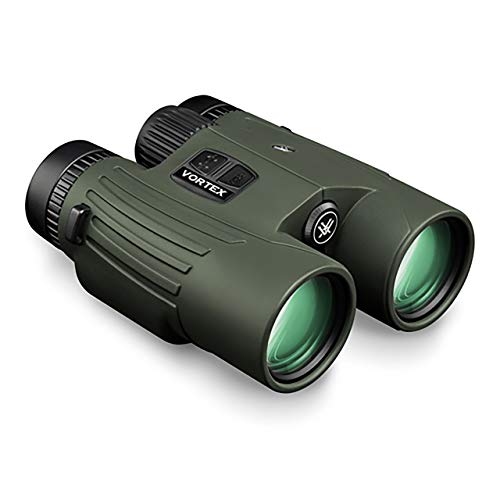
Vortex Fury HD 5000 10×42 Rangefinding Binoculars

AOFAR HX-1200T Hunting Archery Rangefinder

Vortex Razor HD 4000 Laser Rangefinder

Gogogo Sport Vpro 900-Yard Hunting Rangefinder

AOFAR HX1000 Hunting Archery Rangefinder

Gogogo Sport Vpro 1500/2500-Yard Slope Rangefinder

AOFAR HX-700N Bow Hunting Rangefinder

Gogogo Sport Vpro GS24 1200-Yard Hunting Rangefinder
The Details Behind The Selections
The Crossfire HD 1400 sits in that sweet spot where most bow and rifle hunters land, and it pulls off the dual-purpose trick without feeling like a compromise. You get a 5x magnification with a 21mm objective lens, which keeps the body slim enough to ride in a pocket or chest harness without printing. The HD optical system produces a clean sight picture at dawn and dusk, the moments when most rut-hunting decisions actually happen.
Where the Crossfire earns its keep is range-to-game performance: roughly 750 yards on actual animals, with reflective targets stretching out to 1,400 yards. For an eastern whitetail hunter, that’s overkill in the best way. For a western mule deer hunter glassing open basins, it covers the realistic shot envelope. Vortex’s HCD mode (Horizontal Component Distance) delivers angle-compensated yardage, the ballistic-corrected number archers and rifle shooters both need on sloped shots.
Everyday Perks
- Lightweight at roughly 4.8 ounces, so it doesn’t tug on a lanyard during a long still-hunt
- HD glass clarity holds up in low light when deer move between bedding and feed
- HCD angle compensation gives you true horizontal distance without manual math
- Simple one-button operation works smoothly with cold fingers or gloved hands
- Reflective range out to 1,400 yards covers most open-country shot scenarios
Things To Consider
- No built-in ballistic holdover profiles, so pairing with a separate ballistic app is helpful for long-range rifle work
- 5x magnification is conservative; spotting distant bedded animals still demands binocular support
- Owners commonly report the rubber armor showing wear after heavy pocket carry
Right Fit For
Whitetail and mule deer hunters who want one rangefinder that handles both archery seasons and rifle seasons without swapping gear.
Skip It When
You want glass and range in a single optic; the Vortex Fury HD 5000 covers that workflow more directly.
Western hunters know the glassing ritual: scan a hillside, find the buck, then dig for a separate rangefinder while the animal decides whether to keep feeding. The Fury HD 5000 collapses that whole sequence into one optic. It’s a 10×42 binocular with a built-in laser rangefinder, putting glass and trigger-pull data into the same hand.
The right-side button cluster handles ranging without breaking your grip, useful when you’re tripod-mounted or braced against a tree. The HD lens system keeps edges sharp across the field of view, and at 10x you can count tines on a bedded buck at honest spotting distance. Reflective range extends out to 5,000 yards, which is far beyond ethical shooting but tells you the laser engine is serious.
Noteworthy Benefits
- Two-tools-in-one design cuts weight and pack space on backcountry hunts
- 10x magnification plus 42mm objectives deliver real low-light performance at first and last light
- One-handed ranging keeps you on the animal while you work the trigger
- Reflective range to 5,000 yards means the laser reads clearly through heat shimmer and brush
- HD optical coatings preserve contrast in flat, gray winter light
Honest Caveats
- Heavier than a handheld rangefinder; neck fatigue shows up on all-day glassing sessions
- Price reflects the dual-optic design, putting it out of reach for casual hunters
- Battery access sits behind a sealed door that can be fiddly with cold gloves
Whose Shelf It Belongs On
Western big game and backcountry hunters who already glass for hours and want to eliminate the second-optic shuffle on a once-in-a-season buck.
Consider Something Else When
You hunt thick eastern timber where quick, compact ranging matters more than long glassing sessions; the Vortex Crossfire HD 1400 handles that pace better.
Not every hunter needs flagship glass. The AOFAR HX-1200T gives archery hunters a real angle-compensated rangefinder without the flagship price tag. It pairs a 6x magnification with a 25mm objective lens, which lands in the comfortable middle for tree-stand work and spot-and-stalk approaches on whitetail.
The two-mode design covers bow and rifle cleanly. Bow mode reads angle and horizontal distance together, which is the data bowhunters actually need on steep downhill shots where straight-line distance lies about holdover. Dust-proof, fog-proof, and waterproof construction means you can leave it on the dashboard or strap it to a pack without babying it.
Notable Upsides
- Dedicated bow mode outputs angle plus horizontal distance for downhill tree-stand shots
- Weather sealing handles early-season rain and late-season snow without drama
- 6x magnification hits the sweet spot for whitetail and smaller western game
- Includes a free battery so you’re ranging out of the box
Points To Note
- Optics aren’t as bright as premium glass, so last-light performance drops noticeably
- Bow and range modes require manual switching, which slows dual-discipline days
- Plastic chassis feels light in hand, helpful for pack weight but less confidence-inspiring on hard knocks
Key Specs
Made For
First-time rangefinder shoppers and bowhunters on a tight budget who still want angle-compensated data on steep shots.
Look Elsewhere When
You regularly hunt open western country where 6x and a 25mm lens run out of reach; the Vortex Razor HD 4000 covers longer sightlines with stronger glass.
The Razor HD 4000 is built for the shooter who treats rangefinder data like a ballistic input, not just a number on a screen. Four targeting modes cover the realistic field problems: Normal for quick reads, First mode for picking the closest object in a cluster (fencepost in front of a buck), Last mode for ranging past brush to a target behind it, and Extended Laser Range mode for pushing the laser to its absolute limit on reflective surfaces.
HCD (Horizontal Component Distance) leads the mode list, giving you the angle-corrected yardage that modern ballistic solvers want as input. That makes the Razor a natural pair for rifle hunters running custom loads at extended distance, where a five-yard slope error at 600 yards is a missed animal.
Standout Benefits
- Four targeting modes solve real ranging problems instead of marketing bullet points
- HCD mode delivers angle-corrected range that pairs cleanly with ballistic apps
- HD optical system stays sharp at the magnification needed for long sightlines
- Extended Laser Range mode pushes reliable readings on hard-to-hit targets
- Rugged construction handles range-day abuse and rough pack rides
Points To Keep In Mind
- Premium-tier pricing puts it firmly in the dedicated-hunter category
- Mode switching requires reading the manual; first-timers will fumble through menus at first
- Battery life drops noticeably when scanning continuously with Extended Laser Range mode
Who It Suits Best
Long-range rifle hunters and serious western shooters who want one rangefinder that pairs with ballistic software and handles tough ranging environments.
Where Another Pick Suits Better
Your hunting stays inside 200 yards in timber; the Vortex Crossfire HD 1400 gives you the same angle-corrected data without the mode complexity.
The Gogogo Vpro 900 is the dual-sport pick, equally at home clipped to a golf cart or riding in a hunting pack. The 900-yard range window covers most fairway approaches and most realistic shot distances for hunters who aren’t stretching across western basins. The HD LCD display reads cleanly in afternoon sun, and the 6x magnification is enough for both sports without handshake wobble.
Where this rangefinder stands out from the hunting-only options is convenience. The magnetic stripe on the side sticks to a golf cart frame, and the USB-C rechargeable battery delivers up to 20,000 measurements on a single charge. For a hunter who also plays golf, or a spouse who’ll grab the same optic, the value compounds fast.
Advantages To Know
- USB-C rechargeable battery kills the coin-cell habit on multi-day trips
- Magnetic mount sticks the unit to a cart or truck dash for quick grab-and-go
- Slope toggle lets you switch between legal tournament mode and hunting mode
- Pin lock with vibration confirmation clarifies flag-or-tree ambiguity on the course
- Half-second readings keep pace with walking speed on a fairway or still-hunt
Trade Offs
- 900-yard ceiling falls short for open-country rifle hunters
- Slope toggle should be off for sanctioned golf events, easy to miss in pre-round setup
- Display lacks the brightness of premium HD glass in dawn conditions
Quick Facts
Best Suited To
Dual-sport beginners who hunt and golf and want one rechargeable rangefinder that handles both without swapping gear.
Not Your Match When
Your hunting stretches past 500 yards on open ridges; the Gogogo Sport Vpro 1500/2500-Yard Slope Rangefinder gives you the extra reach.
AOFAR’s HX1000 lands in the rifle-hunter category without the cost of flagship optics. It’s a 1000-yard rangefinder with angle compensation and a speed mode, which makes it useful for both stand hunters and rifle hunters chasing hogs, coyotes, or deer across open ag country. The press-and-hold power button reads targets quickly, with scan mode for tracking a moving animal across a field.
Waterproofing keeps the unit alive in rain, snow, and accidental creek crossings. For a hunter who wants range, angle, and speed readings without paying for features they won’t use, the HX1000 stays in the sensible middle.
Positive Points
- Speed mode tracks running hogs and coyotes across open ground
- Angle compensation delivers correct holdover for treestand and hillside shots
- Scan mode reads continuously for ranging a moving target
- Waterproof housing survives weather and rough pack conditions
Some Limits To Know
- Optics aren’t as bright as glass from Vortex or higher-tier brands
- Speed mode accuracy drops beyond a few hundred yards
- No built-in ballistic profiles means pairing with a phone app for rifle work
Who Should Grab It
Rifle hunters on a budget who need angle compensation and a moving-target mode for coyotes, hogs, or deer in ag country.
A Better Fit Elsewhere
You mostly bowhunt in timber; the AOFAR HX-700N Bow Hunting Rangefinder covers that simpler workflow at lower cost.
Long-distance hunters need a rangefinder that reaches further than ethical shot distance, because the real question is whether the laser reads clearly through heat shimmer and brush. The Gogogo Vpro 1500/2500 stretches to 1,500 yards on standard targets and 2,500 on reflective surfaces, which gives you plenty of headroom for open-country and mountain hunting. ±0.5 yard accuracy at distance is sharper than the budget picks on this list.
The 7x magnification sits higher than the typical 6x, helpful for picking antler details on distant bedded animals. Slope switch toggles the angle-compensation feature for tournament-legal golf rounds, a small touch that keeps the unit dual-sport friendly.
Key Advantages
- 1,500-yard standard range covers western hunting sightlines with margin
- 0.38-second readings keep you on target without losing the animal
- 7x magnification improves distant target identification versus 6x units
- Slope switch toggles for legal golf rounds and hunting use
- ±0.5 yard accuracy gives clean holdover inputs at extended range
Practical Considerations
- Bigger chassis than 6x models, so pocket carry gets tight on a chest harness
- Brand recognition lags behind premium hunting-optics makers, which matters to some shoppers
- Rechargeable battery access sits beneath a sealed door that needs a dry cloth in wet weather
Right Fit For
Western hunters chasing elk, mule deer, and pronghorn across open country where 6x optics run out of reach.
Another Choice May Suit
You want a known hunting-optics brand for the long haul; the Vortex Razor HD 4000 carries a stronger pedigree with comparable features.
The HX-700N is purpose-built for the whitetail bowhunter. Maximum range sits at 700 yards, which won’t wow anyone chasing sheep, but for a treestand overlooking a cut bean field or oak flat, it’s exactly enough. The pin sensor technology reads accurately to ±1 yard, and the unit ships with a carrying case and a free battery to keep your kit complete from day one.
Two-mode operation (range and speed) covers almost everything a bowhunter runs into: stationary deer at the food plot and a coyote crossing the field at a trot. Weatherproof construction handles cold mornings and rain without complaint.
Where It Delivers
- Pin sensor accuracy holds at ±1 yard for clean archery holdover decisions
- Speed mode tracks moving coyotes or deer crossing openings
- Carrying case included keeps the optic protected in a pack
- Six-times magnification is plenty for whitetail distances
- Waterproof housing survives tree-stand weather and early-season rain
Room For Improvement
- 700-yard ceiling rules out any serious western or mountain hunting
- Optics feel dim next to HD glass when shooting in last legal light
- Display readout can wash out in direct afternoon sun without shading the eyepiece
Feature Card
Perfect Match For
Whitetail bowhunters who need a dedicated archery rangefinder without paying for rifle features they won’t use.
Reach For A Different Pick When
You hunt rifle seasons too; the AOFAR HX1000 Hunting Archery Rangefinder extends the range and adds angle compensation for rifle work.
The GS24 is the budget pick for hunters who want continuous range readings and angle compensation without flagship pricing. ARC (angle range compensation) handles both golf and hunting math, useful when you switch between the two sports across a weekend. Continuous range mode lets you scan across a hillside to find the best stand of trees rather than a single pulse-and-hope read.
At 1,200 yards of reflective range, the GS24 covers most realistic hunting distances and pushes a little beyond for the curious. The build is sturdy enough for pocket carry, and the price leaves room in the budget for a binocular or rangefinder harness.
Real Benefits
- Continuous range mode scans hillsides for the right setup spot
- ARC mode handles angle math for both golf and hunting applications
- 1,200-yard reflective range covers the realistic hunting envelope
- Budget-friendly pricing leaves room in the kit for a harness or binocular
- Multi-mode design works across hunting and golf without swapping gear
Where It Is Less Suited
- Optical brightness falls short of HD glass in dawn and dusk conditions
- ARC math accuracy can drift slightly at very steep angles beyond 30 degrees
- Battery door design collects lint in pack pockets, which causes occasional misreads
Right Fit For
Multi-sport budget shoppers who hunt a few times a season, golf the rest of the year, and want one rangefinder that handles both.
Where A Sibling Pick Shines
You hunt open western country past 1,200 yards; the Gogogo Sport Vpro 1500/2500-Yard Slope Rangefinder pushes the range further with sharper accuracy.
What Matters Most Before Choosing Rangefinders For Hunting
Range and Reflective Targets
Maximum range numbers tell you what the laser can hit on a barn-door reflective target in lab conditions. Real hunting happens on deer, antelope, and timber that don’t reflect cleanly. A 1,400-yard rangefinder might reach 750 yards on actual animals, and a 700-yard budget unit reads cleanly on whitetail at the distances bowhunters actually shoot. Buy enough reach for your realistic shot envelope, with some margin for scanning and curiosity.
Angle Compensation and Holdover
Angle-compensated distance (ACD) converts slope readings into the true horizontal distance your ballistic solver needs. On a steep downhill treestand shot, straight-line distance lies about holdover, and ACD removes that error. For archery, ACD is essentially mandatory. For rifle shooters running flat-shooting calibers, ACD is helpful. For rifle shooters pushing long range on steep terrain, ACD is non-negotiable.
Magnification and Glass Quality
Magnification ranges from 5x to 10x across the picks. Higher magnification helps at distance, but it amplifies handshake wobble and dim glass. HD optical coatings keep the image bright in low light, the moments when deer actually move. For whitetail and eastern timber, 5x or 6x with bright glass beats dim 7x glass. For western open country, 7x or higher with strong coatings pays off.
Weight and Carry Method
A pocket rangefinder disappears on a chest harness, but a 30-ounce binocular-rangefinder hybrid tugs on a neck strap by midday. Match the carry system to your hunting style. Still-hunters and runners want light. Spot-and-stalk hunters can carry more weight for the better view. Glassing sessions from a tripod handle the heaviest units without complaint.
Smart Considerations Across These Picks
Common Buying Slip Ups
The most common mistake is buying on maximum reflective range alone, which leaves shoppers with a unit that won’t read a deer in the rain at half the advertised distance. Another trap is ignoring angle compensation. A straight-line reading on a 30-degree downhill shot is wrong by enough yards to miss a buck. Slope and angle mode aren’t optional features for serious hunting. Finally, skipping the magnifier check leaves shoppers with a unit they can’t hold steady on a bedded animal at 400 yards.
Where The Extra Money Goes
Premium-tier rangefinders buy three things that matter in the field. First, brighter HD glass holds up at first and last light, when deer move most. Second, multiple targeting modes (First, Last, Extended Range) solve real ranging problems like brush in front of a target. Third, build quality survives years of pocket carry and accidental drops. For a casual hunter who shoots a dozen times a year, budget-tier gets the job done. For a hunter who chases western bucks every fall, premium tier pays for itself in missed-shot insurance.
Frequently Asked Questions
What range do I really need for hunting?
For whitetail and eastern timber, 600 to 800 yards of capability covers every realistic shot. For western mule deer and elk, 1,000 to 1,500 yards gives headroom for glassing and scanning. Maximum reflective range always exceeds real-world game range, so a 1,200-yard unit might read 700 on deer.
Do I need angle compensation for bowhunting?
Yes. Angle-compensated distance (ACD) is the single most important feature for archery rangefinders, because downhill and uphill shots fool straight-line readings. On a 30-degree slope, the difference between straight-line and horizontal distance is enough arrow impact to miss a deer. Every archery pick on this list delivers ACD.
How does magnification affect ranging accuracy?
Magnification doesn’t change the laser’s accuracy, but it changes what you can identify before pressing the button. Higher magnification helps at distance but amplifies handshake wobble. For handheld hunting use, 6x to 7x is the practical ceiling for steady reads without a tripod.
Can I use the same rangefinder for hunting and golf?
Many modern rangefinders cover both sports, including several picks here. The key feature is a slope toggle that lets you disable angle compensation for tournament-legal rounds. Golf rangefinders prioritize pin-lock with vibration; hunting rangefinders prioritize distance and angle. Dual-sport units like the Gogogo Sport Vpro series handle both cleanly.
How important is waterproofing for a hunting rangefinder?
Very. Hunting happens in rain, snow, fog, and accidental creek crossings. A weatherproof seal protects the laser engine and the LCD display from moisture damage. Every hunting-specific pick on this list carries weatherproof or waterproof construction, while some golf-tuned units offer only splash resistance.