
River hiking asks footwear to handle slick rock, damp soil, loose gravel, and the repeated soaking that comes with a day beside moving water. I focus on grip, ankle coverage, water resistance, cushioning, and the practical differences between trail shoes, mid boots, waterproof boots, and sneaker-style footwear. The right pair depends less on fashion than on terrain, pack weight, and how much ankle support the route demands.
The Choices Worth Comparing

Merrell Men’s Moab 3 Hiking Shoe

Merrell Men’s Moab 3 Mid Hiking Boot
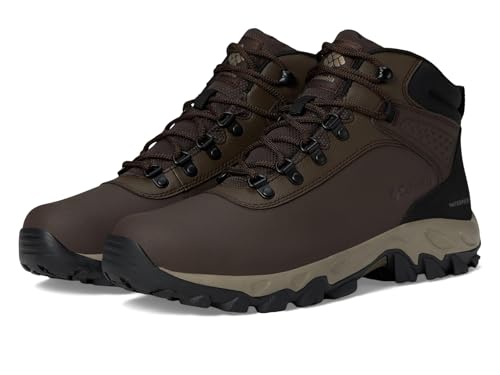
Columbia Newton Explorer

Merrell Men’s Moab 3 Mid Waterproof Hiking Boots

KEEN Men’s KS86 Comfortable Durable Retro Style Sneakers
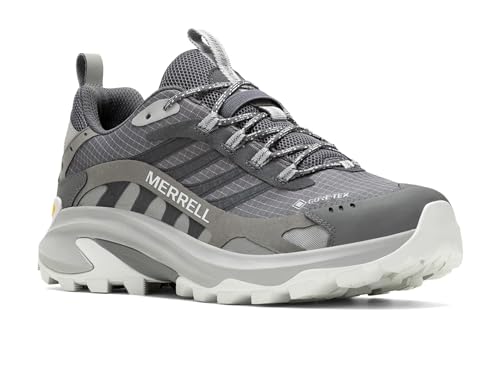
Merrell Mens Moab Speed 2 Gore-tex
Merrell Mens Moab Speed 2 GTX
A Deeper Look At The Lineup
The Moab 3 Hiking Shoe is the low-cut option in this group, which makes it useful for maintained river paths, forest approaches, and days when a lighter stride matters. Its supportive insole and softer cushioned midsole are intended to take the edge off long walks, while the Vibram outsole gives the shoe a more deliberate trail foundation than a casual sneaker. I see it as a practical choice for hikers who want flexibility without giving up recognizable trail construction.
On damp gravel or a bank with embedded roots, the lower profile leaves more room for foot movement than a mid boot. That can feel natural on a long day, although people carrying heavier packs may prefer the extra ankle coverage of the Merrell Men’s Moab 3 Mid Hiking Boot. Cleaning mud from the upper and letting the midsole dry fully matter after creek-side hikes.
The Helpful Details
- Low-cut construction keeps the shoe flexible on packed paths.
- Supportive insole helps distribute pressure during long walks.
- Soft cushioning improves comfort for repeated trail miles.
- Vibram outsole provides a trail-focused grip compound.
Points To Note
- The low profile offers less ankle support on uneven rock.
- Wet trail use calls for prompt drying and careful cleaning.
Feature Snapshot
Who It Suits Best
It suits day hikers, beginners, and fast walkers on maintained paths with occasional wet ground.
Consider Something Else When
Merrell Men’s Moab 3 Mid Hiking Boot offers more ankle coverage for loose, rocky, or heavily loaded routes.
Compared with the low-cut Moab 3 Hiking Shoe, the mid version places more material around the ankle, which can feel steadier on broken ground. I consider it a sensible companion for a river route that combines forest trail, exposed roots, and a moderate pack. The supportive insole and cushioned midsole keep the walking portion comfortable, while the mid-cut shape reduces the freedom some hikers may want from a trail shoe.
The trade-off is added bulk and a firmer feel at the ankle. On flat campground paths, that protection may be more than necessary, and after a wet outing the boot takes longer to dry than a low shoe. I would choose it for stability over unrestricted movement, especially where loose stones and changing elevation meet.
Notable Gains
- Mid-cut height adds useful coverage around the ankle.
- Cushioned midsole absorbs repeated impacts on uneven paths.
- Supportive insole suits long days with moderate loads.
- Vibram outsole is suited to varied hiking surfaces.
Worth Noting
- More structure may feel restrictive on smooth paths.
- Wet leather and lining require longer drying time.
Technical Highlights
Made For
It fits hikers carrying moderate loads across uneven, damp terrain where ankle coverage is more useful than a light, flexible feel.
Where A Sibling Pick Shines
Merrell Men’s Moab 3 Hiking Shoe is the lighter alternative for maintained trails and hikers who prefer unrestricted ankle movement.
The Columbia Newton Explorer takes a different approach from the Moab models by combining a waterproof leather upper with metal hardware and a hiking-shoe silhouette. I find that combination practical for a damp forest route, where waterproofing can matter more than a low profile or lightweight athletic construction. The Techlite midsole is designed to provide cushioning and energy return, which helps on repeated climbs and descents.
Waterproof construction also creates a maintenance consideration. Owners commonly need to wipe dirt from the leather and allow the shoe to air out after creek spray, since trapped moisture can develop around the upper and laces. The Newton Explorer is a strong fit for hikers prioritizing weather coverage and a more substantial upper over fast-footed trail running.
What It Does Well
- Waterproof leather helps during wet crossings and damp trails.
- Techlite midsole adds cushioning for long descents.
- Metal hardware gives the upper a durable adjustment system.
- Breathable waterproof construction balances coverage with airflow.
Small Caveats
- Waterproof protection can feel less flexible on hot approaches.
- Leather needs regular cleaning and may retain dampness longer than mesh.
- The substantial build is less natural for speed-focused hiking.
The Right Fit
It serves hikers on wet forest trails who want waterproof coverage, leather durability, and substantial cushioning rather than an athletic stride.
A Better Fit Elsewhere
Merrell Mens Moab Speed 2 Gore-tex is the better fit for fast hikers who prioritize lighter movement and wet-weather grip.
The Merrell Men’s Moab 3 Mid Waterproof Hiking Boots add a waterproof layer to the supportive, cushioned Moab platform. I see that as a sensible choice for a long river walk involving muddy access paths, wet banks, or frequent shallow crossings. The mid-cut construction gives the foot more coverage than the low Moab 3 Hiking Shoe, while the waterproof upper is intended to limit water entering through the shoe surface.
That protection has a cost. Waterproof boots can feel warmer and take longer to dry after a soaking, so I would avoid treating them as the right choice for every warm-weather outing. The boot is more convincing for cool, damp routes or a trip where the extra coverage reduces the uncertainty of a wet crossing.
Useful Strengths
- Waterproof upper supports wet-weather stream-side travel.
- Mid-cut shape gives the ankle more protection.
- Supportive insole balances long days and moderate loads.
- Cushioned midsole helps soften uneven trail contact.
Trade Offs To Consider
- Waterproof construction may retain heat on warm approaches.
- Wet boots need extended drying before the next outing.
- The added coverage is unnecessary on easy, dry paths.
Key Product Details
Who Will Love This
It fits cool-weather hikers who regularly cross damp ground and prefer waterproof protection over a lighter, faster trail feel.
Another Choice May Suit
Merrell Men’s Moab 3 Mid Hiking Boot is the better option for dry or mixed-condition trails where waterproofing is not essential.
The KEEN KS86 is not a dedicated technical hiking shoe, and I would not place it beside a boot when the route crosses loose rock or a steep bank. Its purpose is more casual: a retro-style sneaker built around a wider traditional KEEN fit, a durable mesh or leather upper, and an aggressive tread. That makes it useful for a short walk from camp, a maintained riverside path, or travel days that call for one shoe to handle errands and outdoor stops.
Its wide shape may suit people who find narrow hiking shoes uncomfortable, though the casual upper and limited ankle coverage create a clear trade-off in wet, technical terrain. Owners commonly clean the tread after muddy approaches and allow the upper to dry before storage. I would choose a more substantial hiking model for a full day on a trail.
What Works In Its Favor
- Wider KEEN fit may feel roomy for casual hikers.
- Aggressive tread gives light trails more grip than a flat sneaker.
- Durable upper options suit everyday wear.
- Retro styling works for camp and travel use.
Less Ideal Details
- It lacks the ankle coverage of a hiking boot.
- The fashion-sneaker build is less suitable for technical river terrain.
- Mesh or leather cleaning needs attention after mud and spray.
Built With In Mind
It serves casual hikers and travelers who want roomy footwear for short, maintained paths rather than demanding mountain routes.
Look Elsewhere When
Columbia Newton Explorer is the stronger fit for damp forest trails that need waterproof coverage and a more substantial hiking upper.
The Merrell Mens Moab Speed 2 Gore-tex is built around a quicker hiking profile than the traditional Moab 3 models. I see it as a natural option for creek-side paths, wet forest singletrack, and hikers who want responsive footing without carrying the shape of a heavy boot. The Gore-Tex designation points to a waterproof membrane, while the Vibram TC5+ rubber and traction lugs address the ground contact that matters around water and loose soil.
That athletic emphasis does not eliminate the usual care involved with waterproof footwear. After repeated crossings, I would check the upper, laces, and outsole for packed mud and let the shoe dry before storage. The trade-off is less ankle coverage than the Merrell Men’s Moab 3 Mid Waterproof Hiking Boots, so loose rock remains a consideration.
Notable Upsides
- Gore-Tex membrane adds protection in wet conditions.
- Vibram TC5+ rubber supports traction on uneven ground.
- Traction lugs improve contact on loose trail surfaces.
- Low-profile design favors a responsive walking stride.
Practical Considerations
- Low-cut coverage offers less ankle stability on broken rock.
- Waterproof construction needs drying time after soaked crossings.
Feature Facts
Right Fit For
It fits fast hikers on wet paths who value waterproof protection and a responsive low-profile feel over heavier ankle support.
Swap It Out When
Merrell Men’s Moab 3 Mid Waterproof Hiking Boots fit better for hikers carrying loads across rough, unstable riverbanks.
The Merrell Mens Moab Speed 2 GTX shares the athletic direction of the Merrell Mens Moab Speed 2 Gore-tex, with a waterproof GTX designation and a Vibram TC5+ outsole built for trail contact. I would consider it for a fast route along damp paths, especially where a low profile keeps the foot responsive. The revised traction-lug design gives the shoe a more purposeful look and feel than an ordinary walking sneaker.
Its main limitation is the same one that affects many low-cut waterproof hiking shoes: less protection on unstable ground. Hikers carrying substantial loads may find the mid-cut Merrell Men’s Moab 3 Mid Waterproof Hiking Boots more reassuring. With regular use, cleaning the lugs and drying the GTX lining promptly helps preserve the shoe’s condition between outings.
A Few Strong Suits
- GTX construction provides a waterproof layer for damp routes.
- Vibram TC5+ rubber supports confident trail contact.
- Updated traction lugs add grip on loose surfaces.
- Low profile keeps the shoe responsive during quick walking.
Things That May Matter
- Limited ankle coverage may feel insufficient on loose rock.
- Waterproof protection can warm the foot on sunny approaches.
- Post-trip drying is important for the lining and upper.
Quick Technical Notes
Best Suited To
It suits experienced fast hikers on damp, mixed-surface trails who prefer a low, waterproof shoe over a boot.
Reach For A Different Pick When
Merrell Men’s Moab 3 Mid Hiking Boot is the better choice for heavier packs, rough banks, and routes needing more ankle coverage.
Choosing Footwear for Changing River Trails
Terrain and ankle coverage
A low-cut shoe works well on maintained paths and faster trails because it allows natural foot movement. A mid boot adds coverage around the ankle, which can feel steadier on loose rock, roots, and uneven banks. I compare the shape and outsole with the actual route rather than choosing by appearance alone.
Water resistance and drying
Waterproof construction helps during spray, mud, and shallow crossings, but it can reduce breathability and slow drying. Mesh and light materials dry faster, while leather and waterproof membranes may need more time. River hikers should expect footwear to get wet and plan a drying routine.
Cushioning and traction
Cushioning is the padding system between the foot and the ground, and it becomes noticeable on long descents or repeated climbs. Traction comes from the outsole compound and tread pattern, which determine how the shoe grips wet soil, gravel, and stone. Vibram rubber appears across several Merrell models, while the Columbia Newton Explorer emphasizes waterproof leather and a substantial hiking upper.
A Practical Note on Premium Trail Footwear
What The Higher Tier Buys
Higher-priced trail footwear often adds waterproof membranes, stronger upper materials, deeper tread, or more structured ankle support. Those features can matter on cold, wet, or rocky routes, but they also add weight and can make shoes less comfortable in warm conditions. I treat the upgrade as useful only when the terrain calls for its added protection.
Frequently Asked Questions
Are low-cut river hiking shoes stable enough?
They work well on maintained paths and moderate terrain. Boots provide more ankle coverage when the ground is loose, steep, or heavily loaded.
Is waterproof footwear useful near rivers?
Waterproofing helps with spray, mud, and shallow crossings. It can also retain heat and take longer to dry after getting wet.
Which cushioning is best for long walks?
Cushioning that feels comfortable over a full day matters more than maximum thickness. The insole and midsole should support the foot without making the shoe excessively heavy.
Should I wear hiking boots on a river trail?
Boots are useful for rough banks, roots, loose stone, and moderate pack loads. Low-cut shoes are lighter for smooth paths and faster walking.
How should wet hiking shoes dry?
Remove loose mud, loosen the laces, wipe the upper, and let the shoes air-dry away from direct heat. Drying them fully helps prevent trapped moisture around the upper and lining.
Final Verdict
I find the Merrell Moab 3 Hiking Shoe the most flexible everyday option, while the Mid Hiking Boot and waterproof mid versions add useful structure for rough or damp terrain. The Columbia Newton Explorer suits hikers who prioritize waterproof leather, and the Moab Speed 2 GTX models lean faster and lower. Choose the shape that matches the trail, then give any wet pair time to dry before the next outing.