
Hiking footwear shapes how a long day feels, especially across loose dirt, wet rock, and uneven switchbacks. I’ve narrowed these options by considering terrain, ankle coverage, cushioning, waterproof construction, traction, and the pace at which each shoe is likely to be worn. The right pair for a neighborhood walk rarely matches a demanding backcountry route.
The Shortlist At A Glance

Merrell Moab 3

Merrell Moab 3 Mid
Columbia Newton Explorer

Merrell Moab 3 Mid Waterproof

KEEN Men’s KS86 Sneakers
Merrell Moab Speed 2 GORE-TEX
Merrell Moab Speed 2 GTX
What Each Pick Brings To The Table
The low-cut Moab 3 suits hikers who want one shoe to cover maintained paths, forest trails, and the rough edges around them. Its supportive insole and cushioned midsole make it sensible for long days, while the Vibram outsole provides a firmer connection to changing ground. Compared with the mid version later in this list, it feels better suited to people who prioritize easy forward movement over ankle coverage.
For weekend hikes and daily commutes between home and the trail, that balance matters. The insole is the layer that supports the foot inside the shoe, while the midsole absorbs impact between that footbed and the ground. I consider it a sensible match for beginners and experienced hikers who mostly encounter established routes, though fit remains personal on narrower or wider feet.
The Case For It
- Supper construction cushions long walks without requiring a high-cut shaft.
- Vibram traction suits changing dirt, gravel, and paved approach sections.
- The low profile makes it easier to walk on commutes and neighborhood trails.
Things To Consider
- Loose ankle coverage may feel limited on uneven rock or with a heavy daypack.
- Outdoor footwear commonly collects mud around the outsole, so prompt cleaning keeps the tread easier to inspect.
Key Specs
Made For
Day hikers, beginners, and long-distance walkers who favor flexible, low-cut footwear.
Another Choice May Suit
Merrell Moab 3 Mid suits hikers carrying heavier packs across rougher, less stable ground.
Adding a shaft above the ankle changes the role of the Moab substantially, and that distinction gives the Mid version an edge on rugged approaches. I see it as a stronger fit for backpacking, steep switchbacks, and routes where a heavy pack shifts the body over uneven terrain. The familiar cushioned midsole and supportive footbed remain useful, but the added height changes the overall feel.
That extra structure can feel secure, although it may take several outings to settle in. The trade-off versus Merrell Moab 3 is bulk and reduced ankle mobility, which can make this version less relaxed for a casual walk. In return, people spending full days on loose ground gain more coverage around the ankle and a sturdier visual match for technical routes.
Everyday Advantages
- Mid-cut coverage adds structure for uneven trails and loaded packs.
- Soft cushioning helps absorb the repeated impact of long descents.
- The supportive insole keeps the footbed from feeling overly flat.
- Vibram rubber is suited to shifting dirt, gravel, and rock.
Worth Noting
- The higher shaft may restrict quick ankle movement on pavement.
- Deeper creases and textured edges can trap dirt, so owners should expect regular brushing and rinsing after muddy hikes.
- Its substantial profile may wear more noticeable on long travel days than the low-cut Moab 3.
Built With In Mind
Backpackers and experienced hikers tackling uneven terrain with substantial gear benefit from the added coverage.
Look Elsewhere When
Merrell Moab Speed 2 GTX better serves hikers who prioritize a lighter, faster-moving profile.
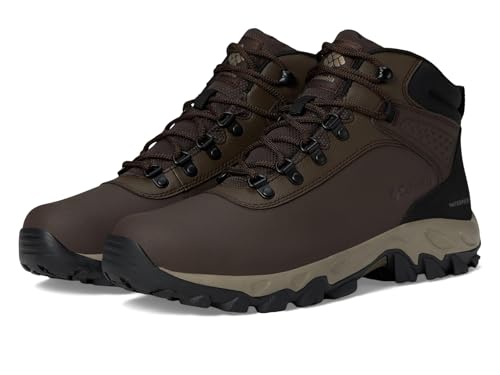
Wet-weather trails give the Columbia Newton Explorer a clear reason to stand apart from the mostly trail-focused Merrell choices here. Waterproof leather creates a weather-resistant upper, while Omni-Tech adds a breathable waterproof membrane beneath it. That combination matters on rainy forest routes, yet breathability depends on conditions, sock choice, and how much moisture builds around the foot.
Techlite is the lightweight midsole intended to combine cushioning with responsive energy return as the foot moves. It should feel more purposeful than the fashion-oriented KEEN KS86 while sharing that sneaker’s more casual appearance. I’d favor this Columbia for hikers who often cross damp ground and prefer a low-cut, lace-up shoe with metal hardware.
What It Does Well
- Waterproof leather helps keep surface moisture away from the foot on wet trails.
- Omni-Tech construction combines waterproofing with breathability.
- Techlite cushioning supports long walks without the heavier appearance of a traditional boot.
- Metal hardware adds a durable fastening point for repeated lace adjustments.
Trade Offs
- Waterproof membranes can feel less ventilated during slow, warm climbs.
- Leather may need more attention after muddy outings than mesh footwear, since owners commonly wipe and air-dry the upper.
Feature Snapshot
Who It Suits Best
Lowland hikers and commuters frequently facing wet paths benefit from the waterproof upper and breathable lining.
A Better Fit Elsewhere
Merrell Moab 3 suits established dry trails where cushioning and outsole grip matter more than waterproofing.
Combining the Moab 3 Mid silhouette with waterproof construction narrows the gap between trail boots and conventional hiking shoes. The raised shaft adds coverage on uneven ground, while the waterproof design makes the shoe more practical for wet rock, muddy approaches, and changeable weather. It feels more substantial than the Columbia Newton Explorer, particularly around the ankle.
That protection may be worth the extra structure for backpackers, but I’d pause on long summer climbs where heat and trapped moisture could become uncomfortable. Compared with Merrell Moab 3 Mid, this is the more sensible route for wet and unstable terrain. For dry, fast trail days, the lower profile of the original Moab 3 remains easier to manage.
Real-World Strengths
- Waterproof construction suits muddy trails, wet approaches, and unstable ground.
- The mid-cut shaft offers added coverage for rough descents and loaded packs.
- Supportive footbed construction adds structure for extended hikes.
- Soft midsole cushioning helps absorb the impact of rocky sections.
Small Caveats
- The waterproof upper may retain more heat than a breathable trail shoe during warm climbs.
- Owners commonly clean mud carefully from the collar and outsole to prevent trapped grit from causing abrasion.
Core Details
Right Fit For
Backpackers and wet-weather hikers benefit from the combination of ankle coverage and waterproof construction.
Reach For A Different Pick When
Merrell Moab Speed 2 GORE-TEX suits faster hikers who need weather protection without the heavier mid-cut shape.
The KEEN KS86 is the casual option here, designed for people who want hiking-shoe practicality without a technical appearance. Its retro shape works after the trail, while the wider footwear platform may provide more room through the forefoot than a narrow conventional sneaker. An aggressive tread adds grip for packed dirt and maintained paths, though it doesn’t match the technical focus of the dedicated trail models.
I’d consider it for short local hikes, park trails, and travel days where one pair needs to move from trail to town. The upper may use recycled mesh or leather depending on the version listed, so cleaning needs can differ substantially. The wider fit and casual look are the main draws; demanding terrain calls for more support and outsole protection.
Everyday Perks
- Retro styling makes the shoe easy to wear beyond outdoor activities.
- KEEN’s wider platform creates additional room across the forefoot.
- Aggressive tread offers practical traction on maintained paths and packed soil.
A Few Limitations
- The fashion-sneaker profile offers less ankle structure than the mid-cut hiking models.
- Mesh and leather versions have different care needs, so owners should follow the listed upper material closely.
- For steep, loose terrain, the lighter retro construction may feel less secure than a dedicated hiking boot.
Quick Facts
Who Will Love This
Casual hikers and commuters appreciate footwear that transitions easily between light trails and daily settings.
Swap It Out When
Merrell Moab 3 is the better fit for longer routes that demand stronger cushioning and dedicated trail traction.
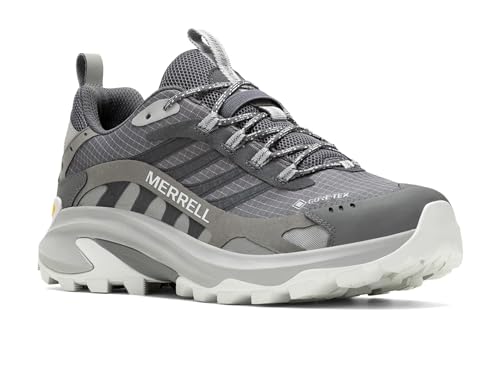
The Moab Speed 2 GORE-TEX targets hikers who want a quicker stride than a traditional boot allows. Its athletic profile favors forward movement, while the GORE-TEX designation adds a waterproof and breathable membrane for wet routes. That makes it a compelling middle ground between the casual KEEN KS86 and the more structured Merrell mid-cut options.
Vibram TC5+ rubber and reshaped traction lugs focus attention on grip, especially where the trail changes between compacted soil and rock. Depending on foot shape, the close athletic fit may feel more precise than the wider KS86. I’d favor it for maintained technical trails and fast hikes, while heavier backpackers may still prefer the more enclosing shape of the Moab 3 Mid.
Well-Handled Touches
- Vibram TC5+ rubber supports traction on loose and mixed trail surfaces.
- Redesigned traction lugs improve grip as the foot rolls through uneven ground.
- GORE-TEX protection gives hikers a weather-resistant option for wet routes.
- The athletic shape promotes a faster, less boot-like stride.
Details To Watch
- The sporty profile may not feel as accommodating to wide feet as KEEN footwear.
- Waterproof membranes need time to air out after wet hikes, especially before storage in a confined area.
Technical Highlights
Best Suited To
Fast hikers and technical trail walkers benefit from the responsive, weather-resistant construction.
Where A Sibling Pick Shines
Merrell Moab 3 Mid Waterproof better serves backpackers who prioritize ankle coverage and a more enclosed fit.
Moab Speed 2 GTX follows the fast-moving approach of the GORE-TEX version while presenting the familiar GTX designation for weather protection. I read it as a practical choice for hikers who spend a day moving across mixed terrain rather than settling into one surface. The athletic shape distinguishes it from the fuller coverage of the Moab 3 Mid.
Vibram TC5+ rubber and the revised traction lugs are the main technical draws. Their shallow, spaced arrangement is intended to find purchase on changing ground, although feel will depend heavily on the surface and the shoe’s fit. Compared with the standard Merrell Moab 3, this model looks faster, but the casier shoe may still be easier for long travel days.
Points In Its Favor
- Vibram TC5+ rubber provides a durable, traction-focused foundation.
- Updated lugs help the shoe maintain contact across varied terrain.
- GTX construction supports use in damp or changing weather.
- The streamlined profile suits hikers who prefer a lighter visual and quicker stride.
Possible Compromises
- Less ankle coverage may prove less reassuring with heavy packs or sharp descents.
- Owners should clear pebbles from the lug pattern and air-dry the shoe after sustained rain.
- The athletic fit may require careful size selection for people with wider feet.
Built With In Mind
Fast hikers and repeat trail walkers benefit from an athletic profile, weather resistance, and traction-focused design.
Consider Something Else When
Columbia Newton Explorer better serves hikers who prefer a waterproof leather upper and roomier everyday appearance.
Choosing the Right Footprint for the Trail
Start with terrain rather than appearance. Packed park paths call for less ankle coverage than loose rock, exposed ridgelines, and steep descents. People carrying heavier packs usually gain more from a secure mid-cut shape, while hikers covering shorter distances may favor the lighter movement of a low-cut trail shoe.
Cushioning should match trip length and personal preference. A softer midsole can feel comfortable during long walks on dirt, although the trade-off may be less ground sensitivity on rocky routes. Try shoes late in the day with the socks and insoles used on actual hikes, because feet can change slightly after prolonged activity.
Weather protection demands attention beyond the label. A waterproof membrane helps in rain and mud, but it can reduce ventilation during warm climbs. Columbia Newton Explorer and Merrell Moab 3 Mid Waterproof suit wet routes, while non-waterproof models may breathe more freely on hot, dry trails.
Avoid Two Common Trail-Footwear Errors
Common Shopping Slip Ups
Ignoring trail surface and foot shape creates two frequent disappointments. A fashion sneaker may look appropriate but lack ankle structure, while a technical shoe can feel overly restrictive on paved approaches. Compare the actual route with the shoe’s coverage, tread, and closure before choosing.
What The Higher Tier Buys
Higher-tier footwear often adds protective materials, stronger traction compounds, refined cushioning, or more substantial construction. Those upgrades matter most for regular hikers, wet routes, and loaded trips. For occasional local walks, a simpler trail shoe may provide a more comfortable, economical fit.
Frequently Asked Questions
Are low-cut hiking shoes suitable for long trails?
Low-cut hiking shoes work well on maintained trails and long-distance walks. A mid-cut model may feel more secure on loose ground, steep descents, and routes with heavy packs.
What does a waterproof hiking shoe help with?
A waterproof hiking shoe helps protect the foot from rain, mud, and wet rock. It may also feel warmer during hot climbs because the material limits airflow, so weather and temperature still matter.
Is a wider toe box important?
A wider toe room can reduce crowding during downhill movement and long hikes. The benefit depends on foot shape, so proper fit matters more than a standard width label.
Can casual sneakers handle light hiking trails?
Casual sneakers can work on short, maintained routes with little loose terrain. Dedicated trail shoes provide better traction, cushioning, and weather options for regular hikes.
How often should hiking shoes be cleaned?
Clean hiking shoes after muddy or wet outings by removing trapped debris and allowing the materials to air-dry. Check the tread and seams for embedded grit that could create abrasion or affect traction.
Final Verdict
The Merrell Moab 3 remains the balanced choice for most established trails, while its Mid version adds welcome structure for rough approaches. Columbia suits wet lowland routes, KEEN handles casual mileage, and the Moab Speed 2 models favor quicker strides. Choose for the terrain, weather, load, and fit, not merely the label.