
Trail shoes live a strange double life. They need to feel light enough for a long summit push, yet grippy and protective when the path turns to loose scree or wet roots. Picking the wrong pair turns a great day outside into blisters, sore arches, and that “I should have brought the other ones” regret. The ten pairs below cover the most common trail personalities, from ultralight approach shoes to all-day waterproof boots, so you can match your terrain and hiking style without overthinking it.
The Essentials At A Glance
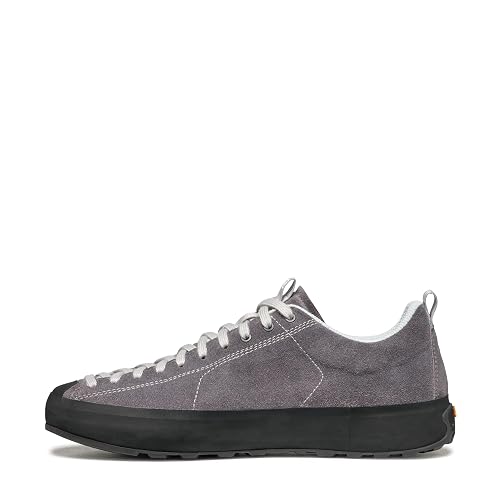
SCARPA Men’s Mojito Wrap Walking Shoes

adidas Women’s Terrex Trailmaker 2.0 Mid GTX
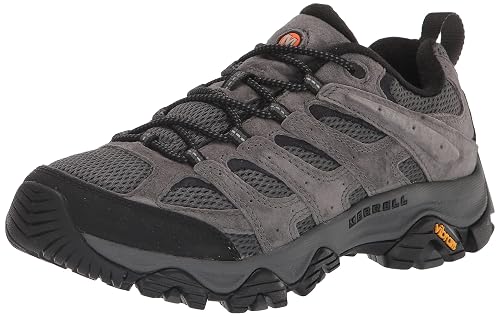
Merrell Men’s Moab 3 Hiking Shoe
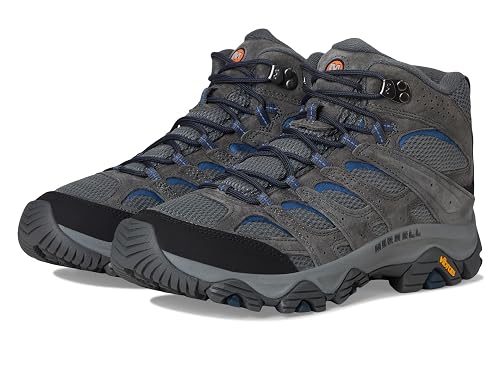
Merrell Men’s Moab 3 Mid Hiking Boot
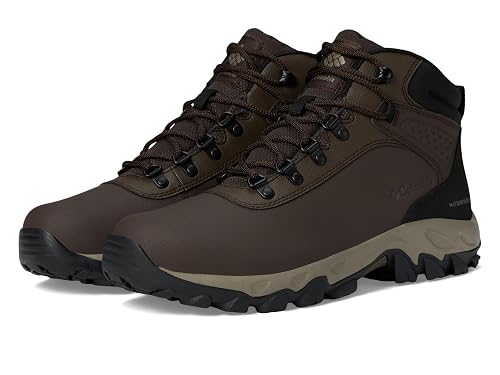
Columbia Newton Explorer
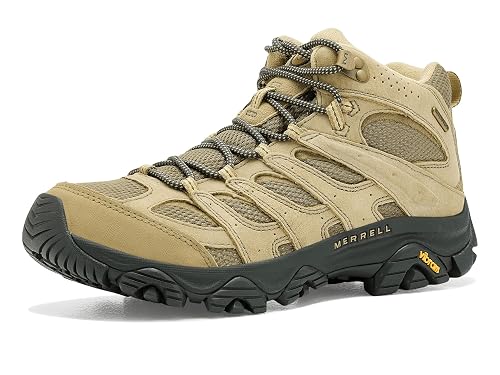
Merrell Moab 3 Mid Waterproof Hiking Boots
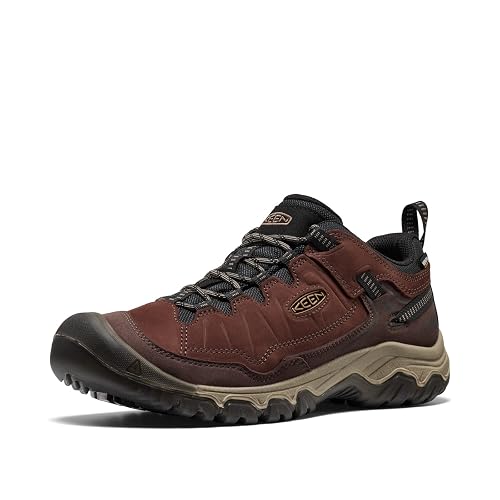
KEEN Men’s Targhee 4 Low Waterproof Hiking Shoes
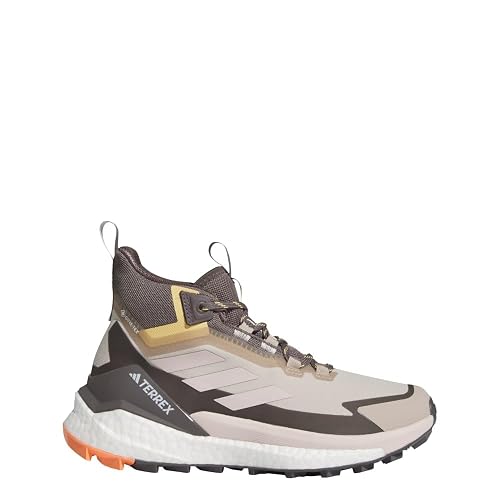
Terrex Free Hiker Gore-TEX 2.0 Hiking Shoes

KEEN Men’s KS86 Comfortable Durable Retro Sneakers
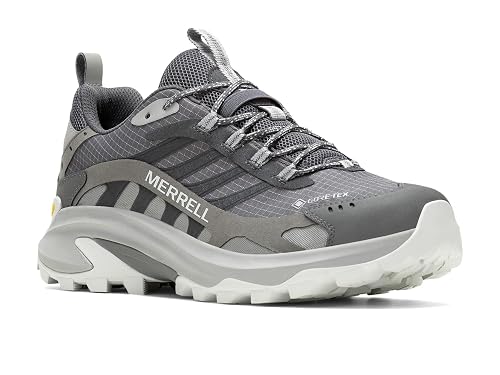
Merrell Moab Speed 2 GTX
Inside Each Recommended Option
The Mojito Wrap lives closer to the climbing world than the trail world, and that DNA shows in how it handles rock. A low-profile build with a sticky rubber sole gives you that reassuring “stuck to the slab” sensation when you step onto tilted stone, yet the upper stays flexible enough for long walks on flat fire roads. Approach-style shoes like this tend to be happiest on short, technical days where you scramble as much as you stroll.
Compared with the heavier, more cushioned hiking shoes elsewhere in this list, the Mojito Wrap feels nimble and pared down. The trade-off is reduced underfoot protection, so sharp embedded rocks can poke through on rough trails. For hikers who want a single pair that covers light trail mileage and casual approaches, this is a tidy middle ground.
Strong Points
- Sticky rubber sole that grips well on dry rock and slabby approaches.
- Low-cut upper keeps the ankle free for natural movement on easy grades.
- Light enough to wear all day without the slow, heavy-footed feel of a backpacking boot.
- Flexible construction bends with the foot instead of fighting it on flat miles.
Things To Consider
- Less midsole cushioning than dedicated trail hikers, which may fatigue feet on long descents.
- Minimal rock plate protection, so pointy stones can feel intrusive on unmaintained paths.
Who It Suits Best
Day hikers tackling shorter, rockier routes who want the agility of an approach shoe without going full technical.
Skip It When
Merrell Men’s Moab 3 Hiking Shoe is a better match for casual hikers who want more cushion and weather versatility.
The Trailmaker 2.0 Mid pairs a GORE-TEX waterproof membrane (a thin layer that blocks water while letting vapor escape) with a mid-cut upper, which means wet grass, stream crossings, and surprise rain no longer force a retreat. A BOOST midsole gives the shoe a noticeably springy, energized feel that helps take the sting out of long, rolling miles. For hikers with a habit of getting caught in shoulder-season drizzle, that waterproofing is the headline feature.
Where it differs from the Merrell Moab 3 Mid Hiking Boot further down the list is in personality: this one feels more athletic, more responsive, and slightly less tank-like. The mid-cut adds some ankle security without strapping you in, which works well on mixed terrain with roots and small step-ups. You trade a touch of warmth for a much livelier ride.
Useful Strengths
- BOOST cushioning keeps legs fresher on long, rolling trail days.
- GORE-TEX membrane blocks water without sealing in heat during active movement.
- Mid-cut upper adds ankle coverage for uneven ground and light talus.
- Soft, supportive upper reduces the break-in period for first-time trail hikers.
Worth Noting
- GORE-TEX adds cost and dries slower than mesh once fully soaked through.
- Energetic cushioning can feel a bit unstable under very heavy loads on technical ground.
Key Specs
Made For
Hikers who face damp conditions regularly and want a responsive, cushioned ride for full-day outings.
A Better Fit Elsewhere
Merrell Moab 3 Mid Waterproof Hiking Boots are a better pick for those who want a more traditional, stable boot feel.
The Moab line has been around long enough that “Moab comfort” has basically become a hiking shorthand. The third version keeps that easy-on, easy-wearing feel while updating the insole, midsole, and Vibram outsole (a high-traction rubber made by a well-known Italian sole maker) for more grip and a softer ride. For most weekend hikers on established paths, this is the kind of shoe you can lace up, head straight to the trailhead, and forget about your feet.
What sets the Moab 3 apart from something like the SCARPA Mojito Wrap earlier in the list is its overall versatility. The cushioning is generous enough for all-day wear, the break-in is minimal, and the low-cut design keeps it casual. The honest read is that this is a great generalist, not a specialist, so very technical or very wet terrain is where its limits start to show.
A Favorable Mix
- Comfortable enough to wear straight from the box with no real break-in period.
- Vibram outsole grips confidently on dirt, gravel, and dry rock.
- Roomy toe box suits a wide range of foot shapes and lets toes spread on descents.
Trade Offs
- Not waterproof in this standard version, so wet grass and puddles will soak through.
- Low-cut design offers limited ankle security on rocky or uneven ground.
- Heavier than minimalist approach shoes like the Mojito Wrap.
Right Fit For
Casual to moderate hikers who want a comfortable, durable do-it-all shoe for groomed trails.
Not Your Match When
KEEN Men’s Targhee 4 Low Waterproof Hiking Shoes are a smarter pick for those who routinely hike in damp conditions or need a wider toe box.
Take the comfort of the Moab 3 hiking shoe and add a mid-cut upper that wraps above the ankle, and you get a boot that feels familiar but more protective. The same updated insole, midsole, and Vibram outsole carry over, so the ride stays soft and grippy. The extra height makes a real difference when you’re carrying a loaded daypack across rocky, root-tangled terrain where one wrong step can twist an ankle.
Compared with the Terrex Trailmaker 2.0 Mid GTX earlier in this list, the Moab 3 Mid is non-waterproof, lighter on tech features, and more conservative in feel. That isn’t a bad thing, since the trade-off is a more breathable shoe for hot, dry climates and a friendlier price tag. For hikers who don’t deal with standing water often but want peace of mind on rough ground, this lands in a useful middle zone.
Useful Highlights
- Mid-cut upper adds meaningful ankle support for rocky or rooty terrain.
- Same proven Vibram outsole as the low-cut Moab 3 for confident traction.
- Comfortable enough to skip the painful break-in most hikers expect from boots.
A Few Limitations
- Not waterproof, so wet conditions will require the Moab 3 Mid Waterproof version instead.
- Mid-cut height adds weight and warmth, which can feel like overkill on mellow summer trails.
Who Should Grab It
Hikers on uneven terrain carrying a heavier pack who want more ankle security without stepping into a stiff backpacking boot.
Where Another Pick Suits Better
Merrell Moab 3 Mid Waterproof Hiking Boots make more sense for hikers who frequently face mud, stream crossings, or rain.
Columbia built the Newton Explorer for hikers who log big mileage and want one shoe that handles weather, cushioning, and traction in a single package. A Techlite midsole (Columbia’s lightweight EVA foam, known for high energy return) provides long-lasting comfort underfoot, while an Omni-Tech waterproof-breathable membrane keeps rain and puddles on the outside. The leather upper with metal hardware gives the shoe a sturdy, traditional hiker look that should age well over multiple seasons.
Where this differs from the Merrell Moab 3 Mid Hiking Boot is in construction: the Newton Explorer leans more toward a traditional waterproof hiker aesthetic, while the Moab feels more athletic and modern. For someone stepping up from a basic sneaker, the Columbia can feel more reassuring. The honest trade-off is a slightly stiffer ride until the upper softens up.
Everyday Advantages
- Omni-Tech membrane keeps feet dry through morning dew, light rain, and shallow crossings.
- Techlite midsole offers high energy return, which softens long trail days noticeably.
- Leather upper with metal hardware adds durability for rough, brushy trails.
Points To Note
- Leather construction needs a short break-in before it feels fully flexible.
- Heavier than mesh-based options, so warm-weather hikers may find it warm after hours of effort.
Feature Snapshot
Best Suited To
Moderate to experienced hikers tackling long, varied day hikes where weather and brush are real factors.
Consider Something Else When
Merrell Moab Speed 2 GTX is a smarter match for those who want a lighter, faster, athletic-style hiking shoe instead.
Add a waterproof membrane to the Moab 3 Mid platform and you get a boot designed specifically for the sloppy, squelchy, stream-crossing kind of hike. The mid-cut upper wraps the ankle for stability on uneven ground, and the waterproof layer keeps the inside dry when the trail turns to mud. For shoulder-season hikers, this is often the most useful single upgrade over a standard hiking shoe.
Compared with the Columbia Newton Explorer earlier in this list, the Moab 3 Mid Waterproof feels lighter and more athletic underfoot, with less of a traditional-leather-boot vibe. The trade-off is a slightly less burly upper, which can show wear faster on abrasive granite or heavy brush. For wet but moderate terrain, however, it hits a really friendly sweet spot.
Practical Advantages
- Waterproof membrane turns a standard hiking boot into a four-season option.
- Mid-cut design adds ankle support for uneven, rocky terrain.
- Updated insole and midsole keep the comfort that made the Moab famous.
Honest Caveats
- Waterproof lining reduces breathability, so feet run warmer in summer humidity.
- Once water gets in over the collar, the membrane can slow drying compared to a non-waterproof boot.
Whose Shelf It Belongs On
Hikers who deal with wet trails, snow patches, or stream crossings and want one boot that handles them all.
Another Choice May Suit
adidas Women’s Terrex Trailmaker 2.0 Mid GTX suits hikers who want a more energetic, athletic ride with similar waterproofing.
The Targhee 4 is KEEN’s workhorse low-cut hiker, designed to take abuse and keep coming back. A fused upper-and-outsole construction reduces the number of seams and glue points that can fail over time, while KEEN’s traditional wider last (the foot-shaped mold the shoe is built around) gives the toe box real breathing room. The KEEN.DRY waterproof lining seals out wet weather without making the shoe feel like a rubber boot.
Compared with the Merrell Moab 3 earlier, the Targhee 4 feels chunkier and more planted, which some hikers love and others find clunky on fast terrain. The wider fit is genuinely helpful for people with bunions, hammertoes, or just a broader forefoot, but it can feel sloppy on a narrow foot. For daily drivers and trail-to-camp versatility, the build is hard to argue with.
Advantages To Know
- Direct-attach construction improves long-term durability and water resistance.
- Wide toe box accommodates broader feet and lets toes splay naturally on descents.
- KEEN.DRY waterproof lining handles wet trails without excessive heat buildup.
Practical Considerations
- Wider fit can feel loose for hikers with narrow heels and slim feet.
- Heavier than minimalist trail runners, so it’s not the pick for fast, light outings.
Technical Reference
Perfect Match For
Hikers with wider feet who want a durable, waterproof, no-fuss shoe for routine trail days.
Look Elsewhere When
KEEN Men’s KS86 Comfortable Durable Retro Sneakers work better for those who mostly hike easy paths and want casual styling.
The Terrex Free Hiker 2.0 sits in that increasingly popular category of “approach shoe meets hiking boot meets trail runner.” A BOOST midsole brings the kind of energy return you usually associate with road running shoes, while the GORE-TEX membrane handles wet weather and a supportive upper keeps the foot secure over uneven ground. The result is a shoe that disappears on your feet on long days, which is exactly what thru-hikers and big-mileage weekend warriors want.
Where it differs from the Moab 3 Mid Waterproof earlier is in philosophy: that boot feels more like a traditional hiker, while this one leans athletic and lively. The Free Hiker 2.0 is happier moving fast than carrying a heavy pack, so for fast-and-light adventures it tends to shine. The trade-off is less armor for the foot when the trail turns truly gnarly.
Well-Handled Touches
- BOOST midsole delivers noticeable energy return across long, rolling miles.
- GORE-TEX membrane handles wet trails while still allowing airflow during effort.
- Soft, supportive upper cradles the foot to reduce hot spots on multi-hour days.
- Lightweight construction for a waterproof hiker reduces leg fatigue on big climbs.
Less Ideal Details
- Less rock-plate protection than burlier boots, so sharp stones can feel intrusive on rough trails.
- Premium construction typically costs more than basic waterproof hiking shoes.
Built With In Mind
Thru-hikers and distance hikers who log serious mileage and want a lively, cushioned, weather-ready shoe.
Reach For A Different Pick When
Merrell Moab Speed 2 GTX is a better match for hikers who want a similar athletic feel in a slightly different last and brand fit.
The KS86 isn’t a technical hiker, and it isn’t trying to be. KEEN built it as a retro-style sneaker with an aggressive tread and a durable upper, made from recycled mesh or environmentally friendlier leather. For paved park paths, gravel rail trails, fire roads, and travel days that blur the line between city and trail, it covers the gap nicely. Think of it as the shoe you grab when you don’t want a “hiking shoe” but still need traction.
Compared with the Moab 3 or the Terrex Free Hiker, the KS86 is a different animal entirely. There’s no waterproof membrane, no rock plate, and no ankle support, so you wouldn’t take it on a wet, rooty backcountry trail. Where it does excel is versatility: one pair that handles coffee runs, light hikes, and everything in between.
Where It Delivers
- Retro silhouette looks at home in everyday outfits, not just on the trail.
- Aggressive tread grips well on gravel, packed dirt, and damp pavement.
- Recycled mesh or eco-friendly leather upper gives a lighter environmental footprint.
Soft Spots
- No waterproofing, so wet grass and rain soak through quickly.
- Minimal cushioning and support compared to dedicated hiking shoes.
Who Will Love This
Casual hikers and travelers who want one comfortable pair for light trails, errands, and city wear.
Swap It Out When
SCARPA Men’s Mojito Wrap Walking Shoes are a better fit for hikers who want a real trail grip with a similarly low profile.
The Moab Speed 2 GTX takes the trail DNA of the classic Moab and reworks it for hikers who move faster and want a livelier ride. Vibram TC5+ rubber (a specially formulated high-traction compound co-developed with Vibram) handles grip, and the GORE-TEX membrane keeps wet conditions at bay. The result feels more like a rugged trail runner with waterproof armor than a traditional hiking shoe, which is exactly the point.
Compared with the Terrex Free Hiker 2.0 earlier, both share a fast, athletic personality, but the Moab Speed leans a touch more toward Merrell’s roomy fit and trail-runner feel. For hikers who treat speed as part of the fun, that responsiveness is the whole appeal. The trade-off is reduced stability when the trail turns to off-camber scree.
Real Benefits
- Vibram TC5+ outsole with redesigned traction lugs grips well on varied surfaces.
- GORE-TEX waterproofing handles wet trails and stream crossings confidently.
- Lighter, more athletic feel than the standard Moab line for faster hiking.
- Familiar Merrell fit accommodates a wide range of foot shapes.
Possible Compromises
- Less protective than a mid-cut boot for very rocky or off-trail terrain.
- Waterproof construction adds weight and reduces breathability on hot days.
Key Attributes
The Right Fit
Active hikers who want a waterproof, athletic shoe for fast, varied trail days without the weight of a full boot.
Where A Sibling Pick Shines
Terrex Free Hiker Gore-TEX 2.0 Hiking Shoes are a strong alternative for hikers who prefer a slightly different midsole feel and fit.
What To Weigh Before Picking Your Pair
The right hiking shoe depends less on brand reputation and more on the terrain you actually walk. Start with your typical trail: smooth dirt paths, rocky mountain routes, muddy shoulder-season loops, or a mix of everything. Trail conditions drive decisions about waterproofing, ankle height, and outsole aggressiveness more than any single spec sheet.
A second thing worth weighing is fit. A shoe that pinches your toes or squeezes your forefoot will ruin a hike faster than a missing feature. Try to match last shape (the foot-shaped mold the shoe is built around) to your actual foot. KEEN and Merrell tend to run roomier, while SCARPA and adidas often sit a bit narrower.
A third thing to think about is load and distance. Light, fast day hikes favor nimble, athletic shoes like the Moab Speed 2 GTX or the Terrex Free Hiker 2.0. Heavier loads and rougher trails favor the support and protection of a mid-cut boot like the Moab 3 Mid or the Moab 3 Mid Waterproof. Matching the shoe to the trip is usually the difference between a great day and a sore one.
Key Considerations Across These Picks
Common Shopping Slip Ups
A frequent mistake is choosing a shoe based on looks alone. Hiking shoes that look rugged in photos can turn out to be too stiff, too narrow, or too heavy for the way you actually hike. Another common slip is assuming waterproof is always better. Waterproof membranes add cost, reduce breathability, and slow drying once soaked, so in dry climates a non-waterproof shoe is often more comfortable.
Where The Extra Money Goes
Spending more on a hiking shoe usually buys better midsole foams, more durable uppers, and more advanced waterproof membranes like GORE-TEX. Higher-tier models also tend to use Vibram-branded outsoles and stiffer heel counters for stability. For casual day hikers, mid-tier options often deliver the best balance, while the premium tier earns its keep for thru-hikers, frequent trekkers, and people who deal with consistently wet or technical terrain.
Frequently Asked Questions
How do I choose between a hiking shoe and a hiking boot?
Hiking shoes are lighter, more flexible, and better for day hikes on moderate terrain. Boots add ankle support, durability, and weather protection for rough trails, heavy loads, or multi-day trips. Match the shoe to the trip: smooth dirt paths favor low-cut shoes, rocky and uneven ground favors mid-cut boots.
Are waterproof hiking shoes worth it?
Waterproof shoes keep feet dry through puddles, dew, and short rain, but they cost more, breathe less, and dry slowly once soaked. In consistently wet climates or shoulder seasons, they are usually worth it. In dry, hot regions, a non-waterproof mesh shoe often feels more comfortable.
How long should hiking shoes last?
Most hikers get 500 to 1,000 miles out of a pair before the outsole lugs (the raised treads on the bottom) wear down and the cushioning packs out. Trail conditions, body weight, and care all affect lifespan, so checking the tread and midsole regularly is more useful than counting miles.
Do I need to break in hiking shoes?
Modern hiking shoes usually need very little break-in, especially low-cut models with mesh uppers. Leather and waterproof boots can feel stiff for the first few short walks, so wearing them around the house or on easy walks before a big trip helps.
Can I use running shoes on hiking trails?
Running shoes handle smooth, well-maintained trails fine, but they lack the protection, traction, and stability of a real hiking shoe. On rocky, rooty, or wet terrain, trail-specific shoes and boots are usually the safer, more comfortable choice.
Wrap Up
The right pair of shoes for hiking trails is the one that matches your terrain, your foot, and the kind of day you want to have. Test a few fits, think honestly about the conditions you actually face, and pick the shoe that disappears on your feet. The trail will do the rest.