
A gentle ridge loop before brunch, a campground path after setting up the tent, or just a gravel trail that turns a walk into a mini adventure. You don’t need a heavy backpacking boot for these moments, and you definitely don’t want a road shoe that slips on damp roots. The right pair of light hiking shoes blends a trail-ready outsole with the easy comfort of something you can wear all day in town. The ten options below cover the spread: approach shoes that double as travel kicks, mid-cut waterproof hikers, nimble trail runners, and a specialty wading boot for anglers who count trails by the riverside.
A Closer Look At The Lineup
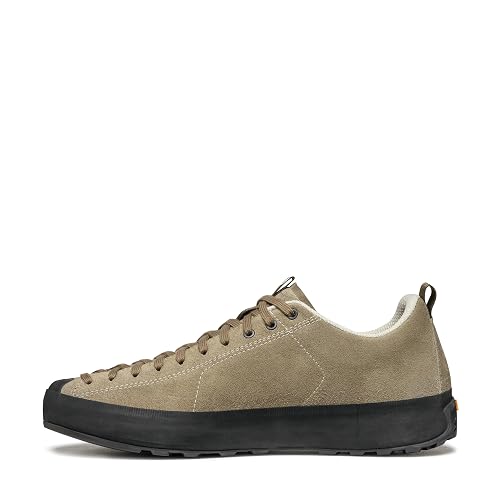
SCARPA Men’s Mojito Wrap Walking Shoes
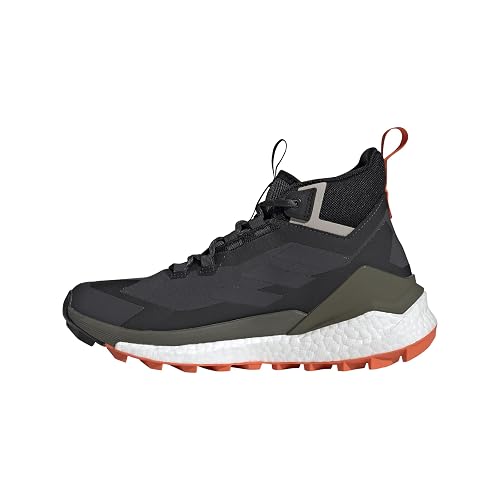
adidas Women’s Terrex Trailmaker 2.0 Mid

Columbia Men’s Peakfreak Rush Mid Outdry
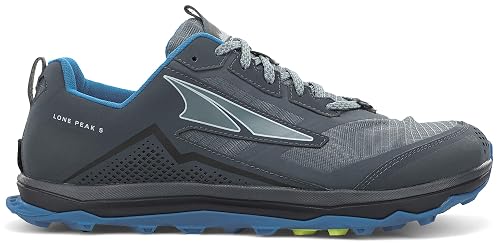
ALTRA Lone Peak 5 Trail Running Shoe
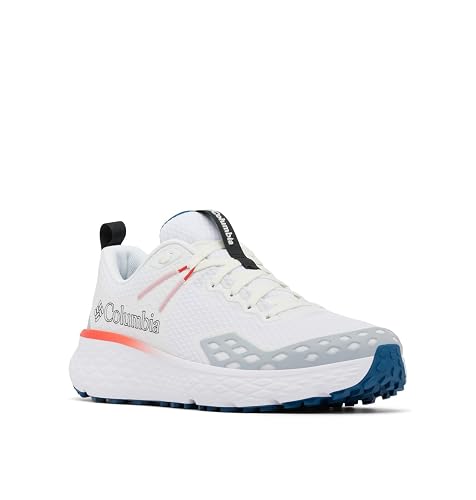
Columbia Men’s Konos TRS Shoe
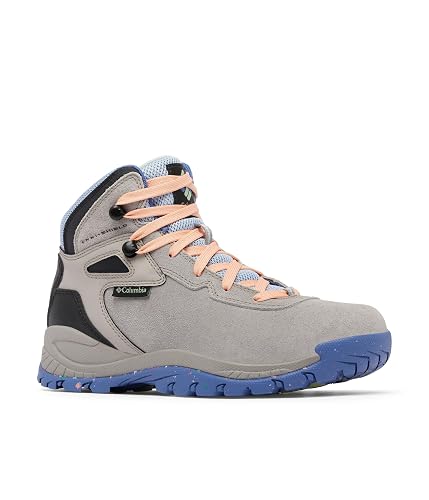
Columbia Newton Ridge™ BC

Columbia Men’s Terrastride ARO

Korkers Darkhorse Wading Boot
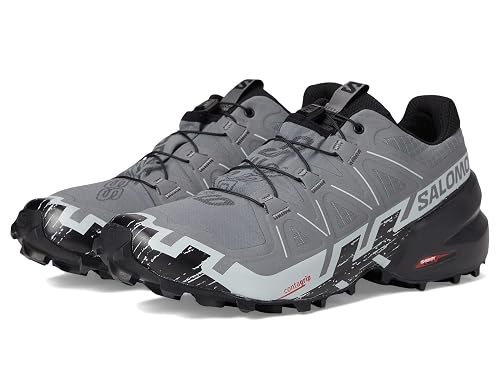
Salomon Men’s Speedcross 6
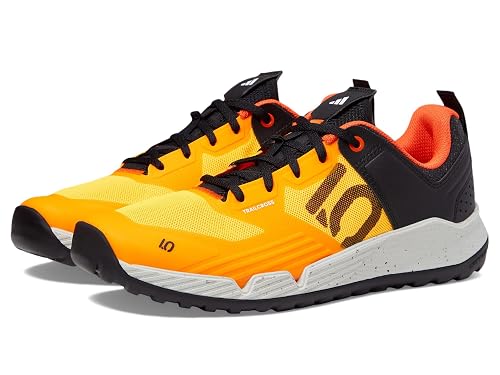
Five Ten Trailcross LT Mountain Bike Shoe
Inside Each Recommended Option
The Mojito Wrap borrows its climbing-shoe DNA from SCARPA’s approach lineup, which means it feels far closer to a grippy sneaker than to a stiff hiker. On groomed fire roads and rocky campground loops, the wraparound upper hugs the midfoot well, and the low profile keeps your foot close to the ground for confident foot placement on rocky steps.
Versatility is the real story. You can wear these from a trailhead straight to a brewery without changing shoes, and the casual leather look pulls double duty on travel days where packing light matters. For hikers who want one shoe that handles dirt paths, pavement, and a dinner stop afterward, this is a sensible place to start the list.
What Pays Off
- Low-profile approach-shoe feel that reads as casual around town
- Climbing-shoe heritage suggests a sticky, confidence-building outsole on rock
- Comfortable enough for full days of mixed walking and standing
- Pairs well with travel packing, since one shoe covers trail and street
Trade Offs
- Not a waterproof build, so wet grass and creek crossings get through the upper fast
- Lightweight construction means less ankle support for heavier loads
- Sizing lists overlap for men and women, so trying on is wise before committing
Best Suited To
Day hikers and travelers who want a single shoe that handles an easy trail, a long walk through a new city, and a casual evening out without a swap.
Where Another Pick Suits Better
Anyone facing frequent wet trails or muddy conditions will be happier in the adidas Terrex Trailmaker 2.0, which adds a waterproof membrane and a higher cuff.
The Trailmaker 2.0 Mid sits in that comfortable middle ground: more support than a low trail runner, far less bulk than a backpacking boot. A GORE-TEX membrane (a waterproof-breathable liner that keeps rain out while letting heat escape) seals the inside from puddle splashes and morning dew, and the mid-cut collar stabilizes the ankle on uneven ground without feeling restrictive.
Adidas pairs that weather protection with a BOOST midsole, the brand’s energy-return foam that softens impact and keeps legs fresher on longer walks. The result is a shoe that handles wet boardwalks, muddy connector trails, and gravel park loops with equal ease. Compared to the SCARPA at the top of this list, you trade the casual approach-shoe feel for a more weatherproof, structured ride.
Bright Spots
- GORE-TEX membrane delivers reliable wet-weather performance
- BOOST midsole adds energy return that helps on longer outings
- Mid-cut collar balances ankle support with low-shoe agility
- Engineered upper feels structured without being heavy
Worth Noting
- Waterproof liners can run warm on hot, dry summer days
- Mid-cut profile may feel clunky to wearers used to trail runners
- Break-in time is common before the upper softens around the forefoot
Feature Snapshot
Who Should Grab It
Hikers in damp climates and shoulder seasons who want a single shoe for rainy trail days, muddy parks, and weekend campground trips.
Look Elsewhere When
Runners and fast walkers may prefer the lighter, nimbler feel of the ALTRA Lone Peak 5 over a structured mid-cut.
Columbia built the Peakfreak Rush Mid to take weather head-on. The Outdry construction, a waterproof membrane bonded directly to the upper, blocks water from the outside in without the floppy bootie feel some waterproof shoes develop. On a wet morning in the Pacific Northwest or a slushy shoulder-season trail in the Northeast, that kind of sealed protection earns its keep fast.
It’s a mid-height shoe, so the ankle collar does some of the stabilization work on rough descents. The lightweight build also keeps the foot from feeling clunky during long, flat approaches. Against the adidas Terrex above, this Columbia is the more weather-focused option with a similarly supportive mid-cut, while the SCARPA Mojito remains the casual all-rounder of the group.
What Stands Out
- Outdry waterproofing keeps rain and puddles from soaking through
- Mid-cut design adds ankle confidence on uneven ground
- Lightweight construction reduces fatigue during long approaches
- Built specifically for hiking and trekking, not repurposed road gear
Points To Note
- Waterproofing does trap heat, so dry, hot climates can feel stuffy
- Mid-cut height may rub the lower ankle for some wearers during the first hikes
Made For
Hikers in wet climates who want a sealed, supportive shoe for muddy trails, rainy day hikes, and damp campsites.
Reach For A Different Pick When
Travelers who want one shoe for both trail and city should consider the SCARPA Mojito Wrap, which slips into everyday settings more easily.
The Lone Peak 5 is technically a trail runner, but it lands here because the line between fast hiking and easy running has never been thinner. ALTRA’s signature FootShape toebox (a wide, anatomically shaped forefoot that lets toes splay naturally) is the real headline, and it makes the shoe feel like a slipper on wide-footed hikers who usually suffer through narrow lasts.
For a light day hike on smooth singletrack, a long urban walk with a few dirt shortcuts, or any outing where pace matters more than ankle protection, this is one of the most comfortable shoes on the list. The trade-off is exposure: a low-cut, soft upper gives you little defense against rocks, roots, and wet weather. The SCARPA and the adidas Terrex both add more structure and weather protection for tougher trails.
What Works In Its Favor
- Roomy toebox suits wide feet and lets toes splay on long climbs
- Trail-running DNA keeps weight low and stride turnover fast
- Zero-drop platform (heel and forefoot at the same height) encourages a natural gait
- Drains and dries quickly after stream crossings
Honest Caveats
- Minimal upper means rocks and trail debris sneak in on rough paths
- No waterproof barrier, so wet grass and rain soak the foot fast
- Zero-drop geometry feels odd to anyone used to a raised heel
Right Fit For
Fast hikers, light trail runners, and anyone with wide feet who struggles to find room in standard trail shoes.
Swap It Out When
Wet weather hikers will find more confidence in the Columbia Peakfreak Rush Mid Outdry, which seals out the same conditions the Lone Peak welcomes.
Columbia positions the Konos TRS as a comfort-first trail shoe, and that comes through in the design. The mesh upper breathes well on warm days, and the no-sew overlays (welded reinforcements rather than stitched panels) reduce hot spots where seams would otherwise press into the top of the foot.
Underneath, the shoe pairs advanced cushioning with stability tech and an outsole built to grip wet and dry surfaces alike. For most day hikes on groomed paths, that balance of plush feel and traction is the comfortable sweet spot. Compared to the Lone Peak above, the Konos offers more structure and weather readiness without the wide-foot specialization.
Why It Works Well
- Plush underfoot feel for long walks on hardpack and pavement
- Breathable mesh upper keeps feet cooler on warm days
- Welded overlays reduce rubbing and hot spots over the forefoot
- Available in multiple colors and sizes for easier fit matching
Factors To Consider
- Mesh upper lets water in quickly during heavy rain or stream crossings
- Cushioned feel reduces ground feel, which some hikers dislike on technical terrain
Feature Rundown
Whose Shelf It Belongs On
Day hikers and long-walk enthusiasts who want cushion and breathability for fair-weather trail time and don’t expect to ford streams.
Skip It When
Wet-weather regulars will be happier with the adidas Terrex Trailmaker 2.0, which adds a GORE-TEX membrane for the same kinds of outings.
The Newton Ridge leans into a classic hiking-boot look without crossing into heavy backpacking territory. The suede and leather upper gives the shoe a traditional, broken-in appearance right out of the box, and rain-and-stain resistance helps it shrug off the kind of weather and trail grit that ruins a more delicate shoe.
Lightweight cushioning keeps the ride from feeling clunky, and the grippy outsole holds firm on dirt and gravel. For day hikes where you carry a small pack and want a more substantial shoe than a sneaker-style trail option, the Newton Ridge is a sensible pick. It is also the most boot-flavored shoe in this lineup, sitting between the casual SCARPA and the more trail-focused Columbia options above.
Well-Handled Touches
- Suede and leather upper reads as a classic hiking look
- Rain-and-stain resistance protects the surface from trail grime
- Lightweight cushioning softens longer walks on hardpack
- Traction outsole grips dirt, gravel, and uneven roots
Some Limits To Know
- Leather construction takes longer to break in than mesh hiking shoes
- Not the lightest option in this group, so pace-driven hikers may want something nimbler
Perfect Match For
Traditionalists and day hikers who like the look of a hiking boot and want a substantial shoe for outings with a small pack.
Consider Something Else When
Travelers packing light will prefer the Columbia Terrastride ARO below, which folds more easily into a suitcase and wears lighter on the foot.
The Terrastride ARO is Columbia’s play for the sneaker-styled trail shoe. The upper has multiple ports that flow from the inside to the outside, moving air across the foot and pulling heat out. That kind of engineered breathability pays off on hot pavement stretches and warm-weather hikes where a more enclosed shoe would feel stifling.
The high-traction, micro-siped outsole (a sole with small slits cut into the rubber lugs to improve grip on wet surfaces) handles wet and dry conditions with equal composure, and the plush cushioning keeps the foot comfortable over long urban-trail transitions. Where the Newton Ridge above feels like a hiking boot, the Terrastride ARO feels like a sneaker that happens to grip well, a useful trait for travel days that mix airports, sidewalks, and park trails.
A Favorable Mix
- Engineered breathability ports keep the foot cool on warm days
- Micro-siped outsole grips wet pavement and dry trail equally well
- Sneaker styling blends into city settings without looking out of place
- Plush cushioning handles long days of mixed walking
Where It Is Less Suited
- Lightweight build offers little defense against sharp rocks and debris
- Breathable upper means water enters easily during rain or puddles
Quick Facts
The Right Fit
Travelers, commuters, and city-to-trail walkers who want a comfortable, breathable shoe that handles sidewalks, parks, and light trails in the same outing.
A Better Fit Elsewhere
Wet-weather hikers should look at the adidas Terrex Trailmaker 2.0 above, which adds waterproofing and ankle support for rougher, rainier days.
The Korkers Darkhorse is the most specialized shoe on this list, and that is its entire point. Anglers and creek walkers deal with terrain that changes from slick rocks to muddy banks to submerged stones, sometimes within the same cast. The OmniTrax interchangeable sole system, which lets you swap between felt and rubber outsoles depending on conditions, adapts the grip to match.
A BOA M2 lacing system (a twist-to-tighten dial that replaces traditional laces) dials in fit fast, the hydrophobic upper sheds water, and internal channels route water out through midsole ports to keep the boot from getting heavy in the current. 3PFS Achilles stabilization (a structured heel cup that locks the rear foot in place) adds confidence on uneven stream beds. For the use case it’s built for, the Darkhorse is a category-defining shoe. For ordinary trail hiking, however, the rest of this list offers more versatile options.
Positive Takeaways
- Interchangeable soles let you tune traction for felt or rubber conditions
- BOA lacing system adjusts fit quickly with one hand
- Internal drainage channels keep the boot from getting waterlogged
- 3PFS Achilles support stabilizes the heel on uneven rocks
Points To Keep In Mind
- Specialty wading boot is overkill for dry-land day hikes
- Interchangeable soles add cost and the need to track extra parts on the trail
- Heavier than standard trail shoes when fully assembled
Spec Overview
Built With In Mind
River anglers, creek walkers, and shoreline hikers who need real wet-terrain traction more than dry-trail cushioning.
Another Choice May Suit
For ordinary land-based day hikes, the Columbia Konos TRS is a more versatile pick with broader trail usefulness.
The Speedcross line has built its reputation on aggressive lugs (the deep, widely spaced rubber teeth on the outsole), and the sixth version continues that tradition. The chevron-shaped lugs bite into soft soil and mud, and the updated upper sheds debris more effectively than earlier generations. On a wet, leaf-covered slope, this is one of the most planted-feeling shoes in the group.
Speedcross 6 also drops some weight from the previous version, which helps on longer days when chunky lugs would otherwise start to feel punishing. The trade-off is pavement comfort: those deep lugs feel clunky on asphalt, so the Speedcross is happiest off-road. Compared to the ALTRA Lone Peak above, the Speedcross trades nimble speed for grip and stability in loose, messy terrain.
Standout Benefits
- Aggressive chevron lugs grip mud, loose dirt, and wet leaves
- Updated upper sheds trail debris more effectively
- Lighter build than earlier Speedcross versions
- Stable platform on uneven, sloped ground
What To Weigh
- Deep lugs feel clunky on pavement and hard surfaces
- Lower stack height offers less cushion than road-to-trail hybrids
Who Will Love This
Trail runners and hikers who tackle soft, muddy, or leaf-covered paths where grip matters more than cushion.
Not Your Match When
Anyone spending more time on pavement than trail will find the Columbia Terrastride ARO a smoother, more versatile everyday option.
The Trailcross LT is technically a flat-pedal mountain bike shoe, but the Stealth rubber outsole (Five Ten’s proprietary sticky rubber compound, originally designed for grip on bike pedals) and protected toe make it a quietly capable hiker for anyone who bikes to a trail and walks the rest of the way. The sticky compound grips pedals confidently and still feels planted on rock and dirt when you are off the bike.
The low-profile build feels light on the foot, and the reinforced toe shrugs off rock strikes that would shred a more delicate upper. For bikepackers and ride-and-hike adventurers, the Trailcross LT is a sensible two-purpose shoe. For pure trail hiking, the SCARPA Mojito at the top of this list offers a more cushioned, casual ride.
What It Does Well
- Stealth rubber outsole grips pedals and rocks with equal confidence
- Reinforced toe protects against rock strikes and trail debris
- Low-profile build feels light during hike-a-bike sections
- Works as a single shoe for ride-and-hike adventures
A Few Limitations
- Flat-pedal bike focus means cleat compatibility is not the headline
- Less cushion than dedicated trail runners or hikers on long walks
Feature Card
Who It Suits Best
Bikepackers, mountain bikers, and ride-and-hike adventurers who want one shoe for pedal grip and trail confidence.
Where A Sibling Pick Shines
Pure trail hikers will find a more cushioned ride in the Columbia Konos TRS, which is built specifically for walking rather than pedaling.
What Matters Most When Picking Light Hiking Shoes
Light hiking shoes sit in a useful middle ground between a road runner and a backpacking boot, and the right pick depends entirely on where you spend most of your time. The biggest split is weather protection versus breathability. A GORE-TEX or Outdry-lined shoe like the adidas Terrex Trailmaker 2.0 or the Columbia Peakfreak Rush Mid seals out rain, but traps heat on warm, dry days. A breathable mesh shoe like the Columbia Terrastride ARO or the Columbia Konos TRS moves air beautifully, but lets water in fast. Match the shoe to the climate, not the catalog copy.
Outsole design matters more than most people expect. Aggressive lugs like those on the Salomon Speedcross 6 grip soft soil and mud but feel clunky on pavement. Flatter, more closely-spaced tread patterns, like the micro-siped sole on the Terrastride ARO, handle wet rock and concrete with equal ease but slip on loose dirt. The terrain you actually walk on should drive the lug choice, not the marketing claim.
Weight and stack height (the amount of material between your foot and the ground) change how the shoe feels over hours. Lighter shoes like the SCARPA Mojito and the ALTRA Lone Peak 5 keep legs fresh, but they expose the foot to rocks and roots. More cushioned, slightly heavier shoes like the Columbia Konos TRS feel plush but reduce ground feel, which can be a drawback on technical terrain. For a light hiking shoe specifically, the goal is just enough cushion to absorb impact without sacrificing the feedback you need to read the trail.
Key Considerations Across These Picks
Where Shoppers Go Wrong
The most common mistake is buying a waterproof shoe for a dry climate. GORE-TEX and Outdry linings block rain, but they also block the sweat vapor your feet produce, and on a hot summer trail that trapped moisture becomes its own problem. If most of your hiking happens in fair weather, a breathable shoe like the Columbia Terrastride ARO or the Columbia Konos TRS will feel better from the first mile.
Another trap is assuming a trail running shoe handles every trail equally well. Models like the ALTRA Lone Peak 5 and the Salomon Speedcross 6 are built for forward motion on soft surfaces. Loose rocks, gravel washes, and roots punish thin uppers and shallow platforms, and a more structured hiker like the adidas Terrex Trailmaker 2.0 handles that kind of terrain with less foot fatigue. Match the shoe to the roughest trail you actually walk, not the easiest one.
Where The Extra Money Goes
The price spread across this list reflects real design differences, not just branding. Higher-tier light hiking shoes typically use lighter midsole foams that hold their cushion over more miles, more durable rubber compounds on the outsole, and upper materials that balance breathability with structure. On a wet day, that often shows up as a properly taped waterproof seam and a gasket at the tongue that keeps water from sneaking in around the laces.
The upgrade is worth it most for hikers who log real miles. A few weekend loops a year on a well-maintained park trail will not stress a budget-friendly mesh shoe. Weekly hikes, multi-day vacation use, or regular exposure to mud, scree, and rain will surface the difference fast. The shoes that cost more on this list tend to last longer, dry faster, and protect better when the weather turns, which is the honest case for spending up.
Frequently Asked Questions
How is a light hiking shoe different from a trail runner?
Trail runners prioritize speed, weight, and a flexible upper that lets the foot move naturally. Light hiking shoes add more structured midsoles, more protective uppers, and outsoles designed for varied terrain rather than soft dirt. Trail runners feel faster; light hiking shoes feel more planted and durable.
Do I need waterproofing for light day hikes?
Waterproofing helps most in damp climates, shoulder seasons, and any terrain with morning dew, stream crossings, or wet leaves. In dry, hot weather, the same waterproof liner traps heat and slows drying when your feet do get wet. Match the membrane to your climate.
Can I wear light hiking shoes with a small daypack?
Yes, this is the use case they are built for. Anything under roughly 15 pounds sits well within the support range of a low or mid-cut light hiker. Heavier loads call for a more substantial hiking boot with stiffer midsoles and taller ankle support.
How long should light hiking shoes last?
A good pair should give 300 to 500 miles of mixed trail use before the outsole, midsole, and upper start to break down. Pavement-only use wears the lugs down faster, while soft dirt and trail use tends to preserve the outsole and wear the cushioning instead.
Do I need to size up from my normal shoe size?
Most people benefit from a thumb’s width of room in front of the longest toe, since feet swell on downhills and warm days. A proper trail fit should feel snug in the heel and midfoot without pressure points, with enough space up front for the toes to spread and flex.
Bottom Line
Light hiking shoes earn their place by making trail time feel easy, not technical. Match the build to your climate, your terrain, and the kind of outings you actually take, and the rest of the choice tends to fall into place. The ten options above cover the spread from casual approach shoes to weatherproof mid-cut hikers to specialty wading boots, so the right pair for your next trail day is somewhere in this list.