
A good night on the trail depends less on your tent and more on what sits between you and the ground. Your back, hips, and shoulders press into cold earth for hours, so a pad’s thickness, warmth rating, and pack size matter far more than most casual campers realize. Backpackers juggling weight budgets, shoulder-season trips, and side-sleepers all need different things from a mat. The seven pads below cover that range, from ultralight summer designs to four-season insulated beds, so you can match the mat to your route, your climate, and your sleep style.
A Fast Comparison Of The Options
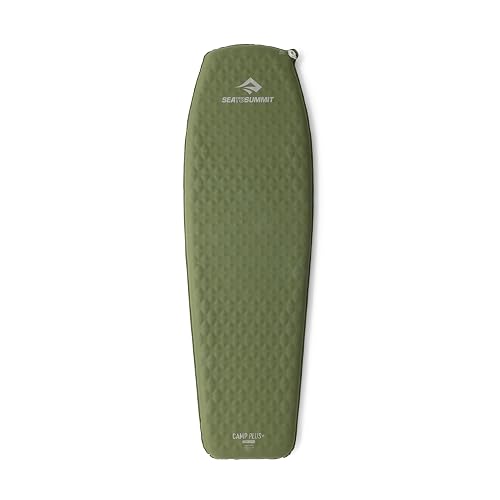
Sea to Summit Camp Plus SI Sleeping Mat Tapered Regular
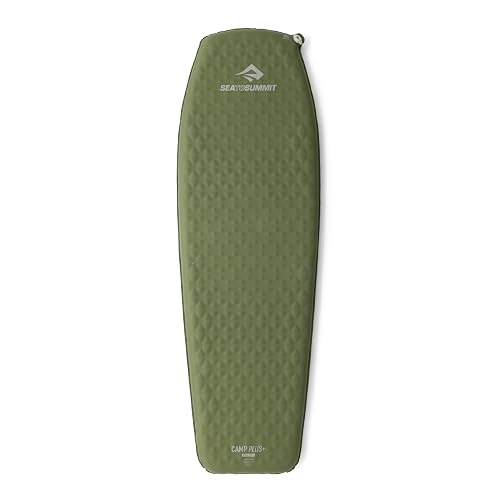
Sea to Summit Camp Plus SI Sleeping Mat Tapered Large

Sea to Summit Camp Plus SI Sleeping Mat Rectangular Large
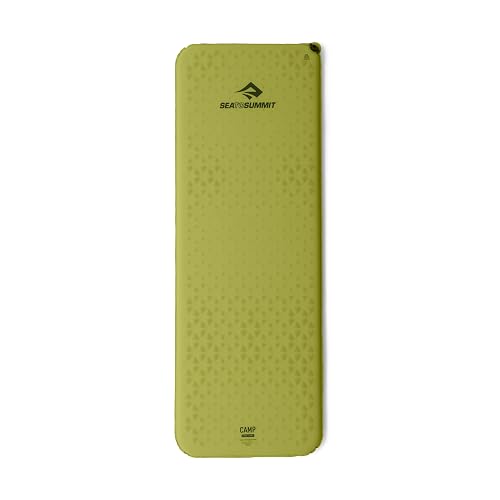
Sea to Summit Camp Plus SI Sleeping Mat Rectangular Regular
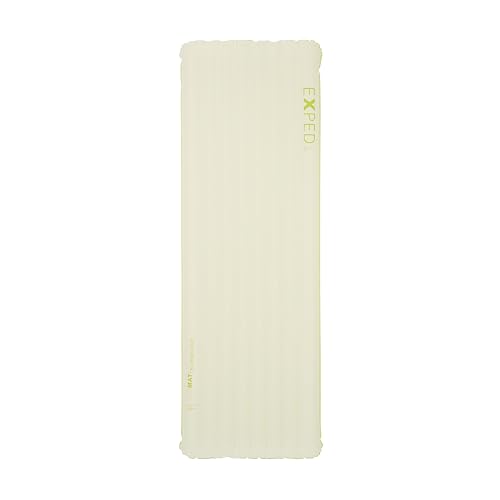
Exped Ultra Ultralight Inflatable Backpacking Sleeping Pad
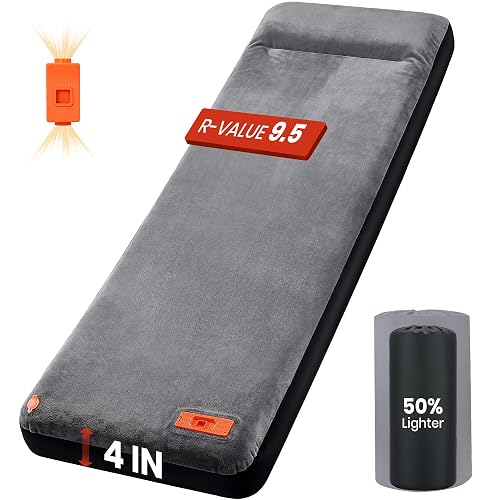
LLUAII Self Inflating Sleeping Pad with Electric Pump
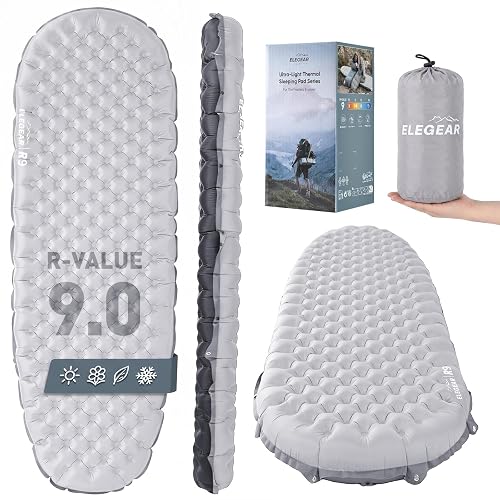
Elegear 4-Inch Thick Sleeping Pad with 9 R-Value Insulated
Why These Options Stand Out
The Tapered Regular from Sea to Summit is the kind of pad that quietly handles shoulder-season weather without forcing you to carry extra insulation. Its 2.6-inch foam core and 4.3 R-value (a measure of how well a pad resists heat flow to the cold ground, where higher numbers mean warmer sleep) push it firmly into four-season territory, which means a chilly October night in the Cascades stays manageable rather than miserable.
Unlike a pure air pad, the self-inflating foam design gives you a stable, slightly cushioned surface that doesn’t bounce under your hips when you roll over. The reversible valve speeds up setup and lets you top off pressure with a few breaths at camp. For backpackers who want warmth without adding an extra stuff sack of insulation, this strikes a measured balance.
A Strong Showing
- 4.3 R-value handles cold ground through three-season and mild winter trips.
- 2.6-inch foam delivers real cushioning for side sleepers and restless movers.
- Self-inflating foam reduces setup time and adds field-repair resilience.
- Reversible valve lets you fine-tune firmness for hips and shoulders.
Things To Consider
- Heavier and bulkier than pure air pads, so weight-conscious hikers may hesitate.
- Foam core takes longer to fully inflate than a simple blow-up mat.
Feature Snapshot
Who Should Grab It
Backpackers who camp past October and want warmth without hauling a separate insulated air pad.
Reach For A Different Pick When
The Exped Ultra fits better if every ounce in your pack matters and you stick to summer trips.
The Large version stretches the same proven construction into a longer, wider footprint for taller sleepers and anyone who kicks a foot off the edge of a Regular pad. Same 2.6-inch foam, same 4.3 R-value, same reversible valve, just more sleeping surface to sprawl into after a long day of switchbacks.
For six-foot-plus hikers, that extra length often determines whether you wake up with your heels on bare ground or properly supported. The trade-off lands in your pack size and weight, but most backpackers over five-ten find the bump worthwhile once they spend a single night on it.
Bright Spots
- Extra length prevents heel hang-off for tall sleepers.
- 4.3 R-value carries you through cold shoulder-season trips.
- 2.6-inch foam core cushions hips and shoulders across long nights.
Minor Gripes
- Larger packed size compared to the Tapered Regular.
- Not the lightest option for mileage-heavy trips.
Made For
Taller backpackers who camp into the cold months and want room to stretch out.
Look Elsewhere When
The Tapered Regular is the smarter call for shorter hikers counting every pack liter.
Drop the taper and you get the Rectangular Large, a flat, full-width platform that mimics a real mattress more than a mummy-cut pad. The 4.3 R-value and 2.6-inch foam stay identical, so warmth and cushioning carry over from the tapered versions, but the rectangular shape adds elbow room and lets gear sit beside you on the pad rather than on the ground.
Side sleepers, couples sharing a two-person tent, and restless folks who toss and turn tend to gravitate here. The honest read is that you give up pack efficiency for genuine sleep quality, which is a fair swap for shorter routes and lower-mileage weekends.
Everyday Advantages
- Rectangular shape gives full shoulder and elbow room.
- 2.6-inch foam cushions side sleepers well.
- 4.3 R-value covers four-season backcountry use.
- Stable foam construction stays put on tent floors.
Trade Offs
- Bulkiest Sea to Summit option in this lineup.
- Wider profile can crowd single-wall shelters.
Best Suited To
Campers who prioritize sleep comfort over pack size on shorter routes.
Swap It Out When
The Tapered Regular or Tapered Large trims weight for distance-focused trips.
The Rectangular Regular thins the foam down to 1.5 inches and lands at a 4.2 R-value, which is plenty for spring through fall but skinnier than the rest of the Camp Plus family. What you gain is a noticeably lighter pack footprint and a flatter, more stable sleep surface that suits car camping and shorter backpacking routes equally well.
Compared to the thicker 2.6-inch siblings above, this one trades cushioning for portability. Scouts, casual weekenders, and anyone new to backpacking will appreciate how approachable it feels, both in setup and in pack size.
The Helpful Details
- 4.2 R-value covers spring, summer, and fall conditions comfortably.
- Lighter foam core reduces overall pack weight.
- Rectangular shape suits first-time backpackers.
Softer Spots
- 1.5-inch thickness may feel thin for side sleepers on rocky ground.
- Less warmth than the 2.6-inch Camp Plus siblings for deep winter.
Quick Facts
Who It Suits Best
Three-season campers, scouts, and beginners who want a versatile, manageable pad.
Consider Something Else When
The Camp Plus Tapered Regular handles winter camping with more cushioning.
The Exped Ultra is built for the hiker who treats every gram like a personal offense. Sub-one-pound packed weight and three inches of loft make it one of the most efficient summer air mats on the market, designed around thru-hikers, bikepackers, and fast-and-light adventures where the pack list trims down to the bare essentials.
Exped’s head-to-toe air chambers give the surface a stable, almost mat-like feel rather than the wavy sensation cheaper air pads can produce. Where the foam-heavy Sea to Summit pads above focus on warmth and field repairability, this one bets everything on low weight and small pack size. It’s a specialist tool, and that focus shows.
A Favorable Mix
- Sub-1 lb weight barely registers in your pack.
- 3-inch loft cushions hips and shoulders well.
- Air-chamber design resists the bouncy feel of budget air pads.
- Compact packed size fits in tight bikepacking bags.
Honest Caveats
- Lower R-value limits it to summer and shoulder-season use.
- Air-only construction requires more care on abrasive ground.
- Lighter materials may demand gentler handling over years of use.
Technical Sheet
Whose Shelf It Belongs On
Thru-hikers, bikepackers, and weight-focused backpackers tackling summer routes.
Where A Sibling Pick Shines
The Elegear pad takes over for sub-freezing trips where warmth matters more than weight.
The LLUAII breaks from the backpacking-first crowd by leaning into convenience. A built-in electric pump inflates the pad in roughly a minute at the push of a button, which sounds gimmicky until you’ve set up camp tired and don’t want to huff and puff into a valve. The four-inch thickness and built-in pillow push it firmly into comfort territory rather than ultralight efficiency.
This is the kind of pad that fits a family car-camping setup, a truck-bed sleep platform, or a backyard movie night far better than a long-distance trail. You trade packability for ease, but the trade feels honest given the target audience.
Points In Its Favor
- One-touch electric pump inflates in about a minute.
- 4-inch foam depth mimics a real mattress.
- Built-in pillow eliminates a separate sleep item.
- 9.5 R-value handles four-season ground conditions.
Practical Considerations
- Heavy and bulky compared to backpacking-specific pads.
- Electric pump depends on a charged source for inflation.
- Vacuum packaging means first-time inflation takes patience.
Key Specs
Who Will Love This
Car campers, truck-bed sleepers, and basecamp hosts who want quick, comfy setup.
Not Your Match When
The Exped Ultra fits the bill for backpackers carrying their gear long distances.
Elegear targets the deep-cold crowd with a 9-layer insulation system and a stated 9 R-value, putting this pad firmly in snow-camping territory. The 4-inch thickness gives your hips and shoulders serious clearance from frozen ground, and the focus on raw thermal performance overshadows weight concerns.
For winter mountaineers, snow campers, and shoulder-season hunters sitting on frozen soil, the warmth-to-weight story works in your favor. Backpackers logging summer miles will find it overkill, but that’s exactly the point: this pad knows its audience.
What Stands Out
- 9 R-value delivers strong cold-ground insulation.
- 4-inch loft cushions well on uneven frozen terrain.
- Multi-layer insulation handles harsh conditions.
Where It May Fall Short
- Heavier than summer-oriented pads, which may bother weight-focused hikers.
- Larger pack size than minimalist air mats.
Feature Card
Perfect Match For
Winter backpackers, mountaineers, and campers sleeping on snow or frozen ground.
A Better Fit Elsewhere
The Exped Ultra suits warm-weather trips where shaving weight matters more than insulation.
Choosing Sleeping Pads For Backpacking Without Overthinking It
Three attributes drive most pad decisions: warmth, weight, and comfort. The R-value tells you how well a pad blocks heat loss to cold ground, with anything above 4 covering three-season use and values near 9 reserved for winter. Thickness shapes how well your hips and shoulders stay off rocks and roots, and side sleepers generally want 2.5 inches or more. Weight matters most on long-distance routes where every ounce compounds over miles.
Match the pad to your trip rather than the other way around. A summer weekend in the Sierras rewards a light, three-season air mat, while a November hunt in the Rockies earns its bulk with a thicker, high-R-value foam. Self-inflating foam pads repair easily in the field and hold warmth better than bare air, while pure inflatable mats pack smaller and weigh less.
Picking The Right Shape
Rectangular pads give you full shoulder and elbow room, which side sleepers and restless movers appreciate. Tapered pads save weight and pack size by trimming width at the foot, which works fine for back sleepers who don’t roll around much. Mummy-shaped pads sit between the two, balancing efficiency with usable surface area. Larger hikers often need a long or wide version, so checking length against your height matters more than brand loyalty.
Warmth Versus Weight Trade-Off
Higher R-values usually mean more material, which translates to heavier packs. Foam pads insulate by trapping air in open-cell foam regardless of inflation, so they tend to weigh more for a given R-value. Air pads with internal insulation reach high warmth ratings at lower weights, but they rely on staying inflated and need more careful handling. Choosing between them comes down to how cold your ground gets and how much weight you can carry.
Key Considerations Across These Picks
Wrong Turns To Avoid
Shoppers often buy the warmest pad they can find, then leave it at home because it weighs too much. The opposite mistake also happens: picking the lightest summer pad for a fall trip and freezing through cold nights. Match the R-value to your actual camping season rather than chasing the highest number on the shelf. Another common slip is ignoring length, which leaves tall hikers with their feet hanging off the end all night.
What The Higher Tier Buys
Premium pads buy you better materials, more reliable valves, and warmer ratings at lower weights. The jump from a budget foam pad to a well-made self-inflating design brings noticeably better field repairability and longer lifespan. In winter-rated pads, the upgrade often means thinner insulation layers that hold more warmth per ounce, which matters on long winter routes. Whether that upgrade pays off depends on how often you camp in the conditions that demand it.
Frequently Asked Questions
What R-value do I need for three-season backpacking?
An R-value between 3 and 5 covers spring, summer, and fall trips for most sleepers. Going above 5 makes sense once nights regularly drop below freezing or you sleep on snow.
Are self-inflating pads better than air pads?
Self-inflating pads use foam inside an air bladder, giving them more warmth, field repairability, and a stable feel at the cost of weight and pack size. Pure air pads pack smaller, weigh less, and often feel plusher, but they need more careful handling and lower R-values without added insulation.
How thick should my backpacking sleeping pad be?
Side sleepers benefit from 2.5 inches or more to keep hips and shoulders off the ground. Back sleepers can usually get by with 1.5 to 2 inches, especially on softer tent sites.
Can I use a car camping pad for backpacking?
Car camping pads like the LLUAII work fine for short routes and low-mileage weekends, but their weight and bulk become a real burden over multi-day trips. Dedicated backpacking pads exist specifically to cut ounces and packed size.
How do I store a sleeping pad between trips?
Store pads loosely rolled or unrolled in a cool, dry place rather than tightly compressed in a stuff sack. Long-term compression breaks down foam and stresses baffles, which shortens the pad’s lifespan.
Closing Thoughts
Your pad determines how you feel on day two of any trip, so it deserves more thought than the rest of your sleep system combined. Match warmth to your coldest expected night, thickness to your sleep style, and weight to your route length. Any of the seven pads above will serve you well if you choose honestly based on where and how you actually camp.