
A damp sock can unravel a perfect day outdoors faster than a wrong turn. The right pair of hiking socks quietly does the heavy lifting, wicking moisture away from your skin, padding the ball of your foot against rocky trails, and keeping your toes warm long after the temperature drops. Below are six picks chosen for the way people actually hike: fast day trips, multi-day backcountry miles, shoulder-season chill, and warm-weather treks where breathability matters more than insulation.
The Shortlist At A Glance

Darn Tough Vermont Homer Crew Lightweight Socks
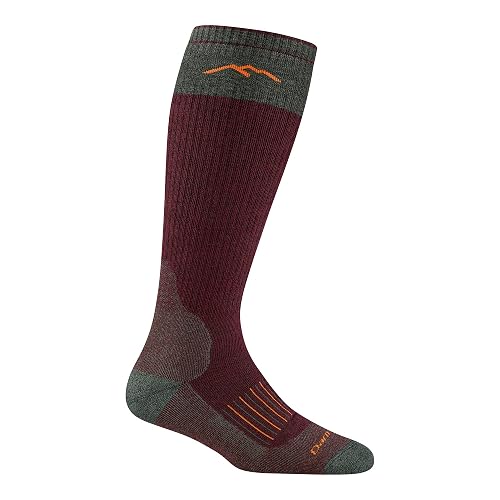
Darn Tough Vermont Over Calf Heavyweight Socks (2105)
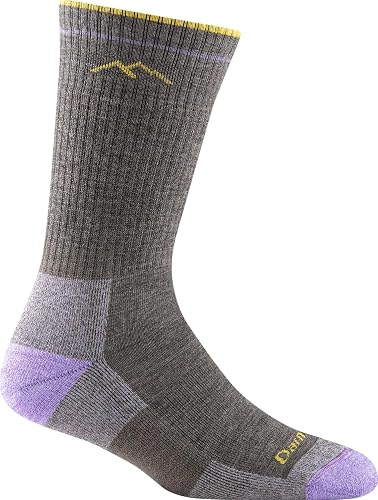
Darn Tough Women’s Hiker Boot Midweight Sock (1907)
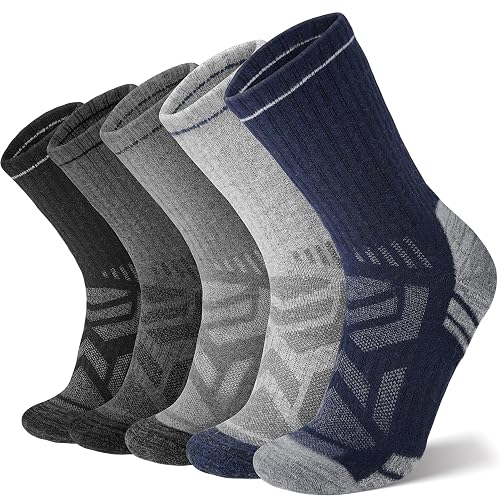
ANTSANG Merino Wool Hiking Socks

Time May Tell Merino Wool Hiking Socks
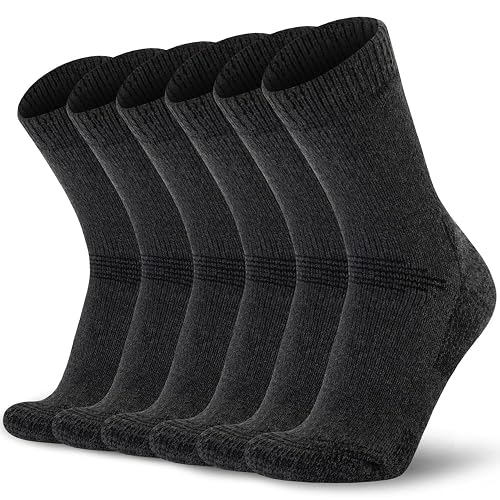
Time May Tell Merino Wool Hiking Boot Socks
A Deeper Look At The Lineup
The Homer Crew earns its spot by being the kind of sock you forget you’re wearing, which on a five-mile loop is exactly what you want. It’s a lightweight knit in Merino wool, so it breathes well on humid summer mornings and resists odor between washings more capably than synthetic-only socks. The cushioned footbed adds a layer of comfort under the ball of the foot and heel without bulking up the ankle, so the sock slips into trail runners as easily as mid-cut boots.
Compared with the heavier picks below, this one prioritizes airflow and moisture management over raw insulation. For most day-hike distances and shoulder-season weekends where the temperature climbs above freezing, that balance is the right one. Where It Delivers
Where It Delivers
- Lightweight knit keeps feet cooler than the heavyweight options, which matters on summer climbs where sweat is the main problem
- Merino wool blend naturally resists odor between washes, handy for multi-day trips without laundry access
- Terry loop cushioning underfoot absorbs impact on rocky terrain while staying thin enough for low-profile footwear
- Crew height protects the ankle against dirt and debris kicked up by trail runners
- Performance fit stays put on the foot, so you stop adjusting your sock mid-hike
Points To Keep In Mind
- Lightweight construction offers less insulation for cold-weather or winter hiking, where the heavyweight picks below make more sense
- Merino wool requires gentler washing cycles to maintain its shape and feel over time
Made For
Warm-weather day hikers and backpackers who want comfort and odor control without excess bulk. This is the sock to reach for on summer trail days and mild shoulder-season trips.
Swap It Out When
You head out in deep cold or on a late-season hunt, where the Darn Tough Vermont Over Calf Heavyweight Socks (2105) brings noticeably more warmth and leg coverage.
The 2105 is built for the kind of morning when your breath hangs in the air and the trail starts frozen. It’s an over-the-calf, heavyweight sock with full terry loop cushioning running the entire length, which means insulation wraps your calf as well as your foot. The Merino wool construction manages moisture while trapping warmth, useful on long sits in a tree stand or an alpine start before sunrise.
The first pick on this list focused on breathability for warm days. This one flips that script, trading airflow for thermal retention. For hunters and hikers working in genuinely cold conditions, that swap is exactly what the day demands.
What Earns Its Place
- Over-the-calf height keeps skin covered when wearing tall boots, reducing cold spots under gaiters
- Full-length terry loop cushioning insulates the calf and foot simultaneously, helpful on long cold sits
- Merino blend wicks perspiration so feet stay drier even under heavy insulation
- Heavyweight knit absorbs shock from heavy pack loads over rough ground
Honest Caveats
- The density and height can feel excessive on a casual day hike where mobility matters more than warmth
- Overkill for summer use, where the lightweight Homer Crew will keep you far more comfortable
- Thicker profile requires well-broken-in boots to avoid pressure points across the top of the foot
Key Product Details
Whose Shelf It Belongs On
Late-season hunters, alpine hikers, and anyone facing sub-freezing temperatures where losing heat through the lower leg becomes the limiting factor.
Consider Something Else When
You’re planning summer day hikes or anything in mild weather, where the Darn Tough Vermont Homer Crew Lightweight Socks deliver the breathability this sock intentionally leaves behind.
The 1907 sits between the lightweight Homer Crew and the heavyweight 2105, and that middle ground is exactly where most hikers live most of the year. It’s a midweight knit, 64% Merino wool with nylon and Lycra spandex for stretch, designed to give cushion density underfoot without overheating your foot. The mid-calf height adds protection when you’re wearing mid-cut boots and crunching through leaf litter or low scrub.
The seamless toe construction (a fine-gauge knitting technique that eliminates the raised seam across the toe box) is a quiet upgrade you stop noticing after a few miles, which is the point. For three-season hiking, this is the sock most people will reach for more than any other.
Where It Excels
- Midweight cushion strikes a practical balance between warmth and breathability across spring, summer, and fall
- Mid-calf height shields the lower leg from debris and boot rub without the bulk of an over-calf sock
- Merino and nylon blend holds shape wash after wash, useful for anyone running through a weekly laundry cycle
- Seamless feel across the toes prevents the irritation that ends hikes early for some hikers
Some Limits To Know
- Not warm enough for deep-winter hiking, where the 2105 heavyweight delivers meaningful extra insulation
- Not as breathable as the Homer Crew for hot summer ridge walks in direct sun
- Mid-calf height may feel short when wearing taller mountaineering boots
Right Fit For
Three-season hikers logging medium to long miles in mid-cut boots who want a versatile sock that doesn’t force a choice between warmth and cooling.
A Better Fit Elsewhere
Deep-winter backcountry trips call for the heavier Darn Tough Vermont Over Calf Heavyweight Socks (2105) over this one.
The ANTSANG sock targets a different shopper than the Darn Tough trio above: people dipping a toe into hiking who want the moisture-handling benefits of Merino without the higher sticker. The brand leans on breathability in its build, which matters on humid summer hikes where damp socks are the real enemy. It comes in options that fit both men’s and women’s sizing.
It’s a sensible pick for a first few hikes or for a pack of loaner socks in the gear closet. The honest read is that you give up some of the long-term durability of premium Merino socks, but you save money up front and still get a wool-based material on your foot.
Useful Strengths
- Lower price makes Merino-blend hiking accessible for beginners building a kit
- Enhanced breathability helps feet stay cooler on warm-weather hikes
- Available in men’s and women’s sizing, useful for households sharing a sock drawer
- A practical choice as a backup pair stashed in a daypack for unexpected weather
Worth Bearing In Mind
- Construction may not match the long-term durability of premium knit socks, so expect to replace these sooner with heavy use
- Limited cushioning info in the listing, which matters if you need serious underfoot padding for rocky terrain
- Brand-specific fit can vary, so sizing up or down may be necessary depending on foot shape
Feature Snapshot
Best Suited To
New hikers testing the waters and weekend walkers who rotate through several pairs and replace them more frequently.
Look Elsewhere When
You want a sock that survives years of weekly hikes; in that case, the Darn Tough Women’s Hiker Boot Midweight Sock (1907) is a stronger long-term value.
Time May Tell built this sock for the household where everyone has a different foot size and the same sock drawer. The unisex sizing covers both men and women, and the cushioned boot height lines up well with mid-cut hiking footwear. Merino wool handles the moisture and odor side of the equation, so even on a humid afternoon the socks stay serviceable.
It’s the kind of multipack-friendly option that works for family hikes, scout groups, or shared rental cabins. Where the ANTSANG above leans into breathability, this one leans into straightforward all-around comfort.
Notable Upsides
- Unisex sizing simplifies buying for households with mixed foot sizes
- Cushioned construction adds comfort underfoot on rocky or root-covered trails
- Merino wool content supports moisture control and odor resistance for longer days
- Boot height offers ankle protection that pairs with most mid-cut hiking footwear
Potential Compromises
- Brand recognition is lower than legacy names, which may matter if you prioritize established fit standards
- Material composition specifics are not detailed in the source listing, so verifying wool percentage requires checking the product page
- Not specialized for extreme cold like the Darn Tough 2105 heavyweight option
Perfect Match For
Couples, families, and small groups who want one multipack to cover several hikers in the same household.
Not Your Match When
You want a sock engineered for harsh alpine cold; the Darn Tough Vermont Over Calf Heavyweight Socks (2105) is purpose-built for that scenario.
The second Time May Tell entry on this list is built around durability where it counts most: the toe and heel. Reinforced yarn in those high-friction zones means the sock is engineered to resist thinning through repeated use, which matters if you wear the same pair for multi-day backpacking trips. The Merino content, reported at roughly 80% in the source description, supports thermal regulation across both summer and winter use.
It’s a step up from the lighter Time May Tell sock above, trading some breathability for reinforced construction. For backpackers logging serious miles, that durability focus is often the deciding factor.
Useful Highlights
- Reinforced toe and heel construction targets the two highest-wear zones, extending sock life
- High Merino wool content supports temperature regulation in both warm and cold conditions
- Cushioned profile absorbs impact on rocky descents with full pack weight
- Unisex sizing suits shared purchases between partners or households
Trade-Offs To Consider
- Cushioned and reinforced build runs warmer than minimal socks, so it can feel heavy on low-effort summer walks
- Higher wool content requires gentler laundering to avoid shrinkage or felting
- Durability-focused socks are usually thicker, so low-profile trail runners may feel snug
Feature Card
Who Should Grab It
Multi-day backpackers and through-hikers who need reinforced durability and warmth over long distances and varied terrain.
Reach For A Different Pick When
You’re hiking short summer trails where breathability matters more than reinforcement; the Darn Tough Vermont Homer Crew Lightweight Socks will run cooler on those days.
What To Weigh Before Choosing Socks For Hiking
Material And Moisture Management
The single biggest factor in hiking sock comfort is how the sock handles moisture. Merino wool naturally wicks perspiration away from your skin and resists odor between washes, which is why it dominates the higher end of the category. Synthetic blends dry faster but tend to hold onto smell after a long day. If your hikes tend to be shorter and gentler, a synthetic pair may be fine. For longer days or trips without laundry access, Merino earns its higher cost.
Cushion, Height, And Fit
Cushion density and sock height change how the sock performs on the trail. Lightweight socks breathe well and slip easily into low-profile trail runners. Midweight options balance warmth and ventilation for three-season use, which is where most hikers spend most of their year. Heavyweight socks insulate aggressively and fit best with broken-in mid- or full-cut boots. Match sock height to your boot height to avoid skin exposure above the sock line.
Durability And Long-Term Value
Reinforced heels and toes add material to the high-friction zones, which extends sock life under heavy use. Premium knit socks often cost more up front but last longer per wear, while budget options save money early and need replacing sooner. If you hike weekly, durability matters more. If you hike a few weekends a year, the upfront savings on a budget Merino blend may be the smarter move.
Key Considerations Across These Picks
Wrong Turns To Avoid
The most common mistake is choosing sock height or cushion density that doesn’t match your footwear, which causes bunching, hot spots, and pressure points within the first few miles. Another frequent misstep is grabbing the same heavy sock for summer and winter hikes, where a lighter or heavier knit would serve far better. Worth measuring your foot against the brand’s sizing chart before assuming a familiar size will translate, especially across unisex styles.
Where The Extra Money Goes
Premium hiking socks tend to use higher-grade Merino, tighter knit construction, and reinforced wear zones, all of which extend sock life and improve moisture handling. You also see finer-gauge knitting that eliminates bulky seams across the toe box, which prevents blisters on long descents. Whether the upgrade is worth it depends on how often you hike and how much comfort matters once you’re eight miles in.
Frequently Asked Questions
How Many Pairs Of Hiking Socks Do You Actually Need?
A rotation of three to four pairs covers most hikers well, giving each pair time to dry and recover its shape between uses. Day hikers can manage with two pairs, while multi-day backpackers often carry two to three pairs and wash on alternating days.
Can You Wear Regular Cotton Socks For Hiking?
Cotton absorbs moisture, dries slowly, and loses insulation when damp, which makes it a poor choice for any hike longer than a short loop. Wool or synthetic hiking socks handle moisture far more effectively and dramatically reduce the risk of blisters.
How Often Should Hiking Socks Be Replaced?
Replace hiking socks when you see visible thinning at the heel or toe, persistent odor that won’t wash out, or loss of elasticity around the arch. For most hikers using Merino socks weekly, replacement tends to come after one to three seasons depending on conditions.
Do Hiking Socks Go Over Or Under Gaiters?
Hiking socks go under gaiters, with the sock reaching at least to the top of the boot and the gaiter covering the upper boot and lower leg. This layering prevents debris from entering at the gaiter’s edge and reduces friction against the skin.
Are Merino Socks Worth The Higher Cost?
Merino socks cost more up front but tend to last longer, control odor more effectively, and manage moisture better than most synthetic alternatives. For anyone hiking more than a few times a year, Merino is generally worth the investment.
Final Verdict
The right hiking sock depends on where you hike and when. Warm-weather day hikers get the most out of the lightweight Darn Tough Homer Crew, while cold-weather backcountry trips call for the heavyweight 2105. Most people logging three-season miles will find their sweet spot in the midweight Darn Tough 1907. Budget-focused shoppers, family households, and multi-day backpackers each have a tailored pick in the lineup above, so the choice comes down to matching your trails to the sock built for them.