
Busking rewards gear that disappears into the routine. Your instrument and voice carry the show, and the speaker just needs to project clearly, run for hours, and survive a subway grate or a park bench. Most street performers learn fast that battery life and clean midrange matter more than flashy wattage claims.
This roundup covers portable Bluetooth speakers, acoustic guitar amps, an instrument cable, and a conference-style option for solo acts who loop backing tracks. You’ll find honest trade-offs for each pick, so the choice fits your usual corner, your crowd size, and how much weight you actually want to carry from home to set.
The Leading Options At A Glance
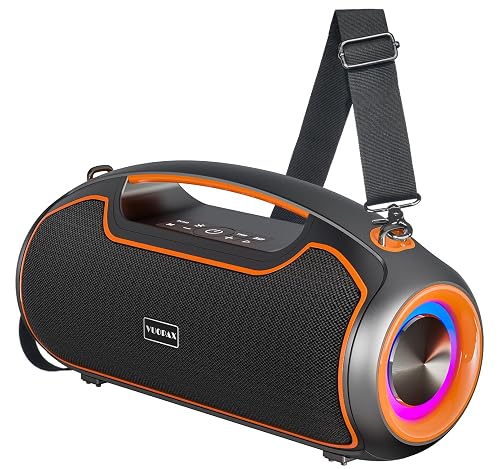
VUOPAX 200W Portable Bluetooth Speaker Deep Bass
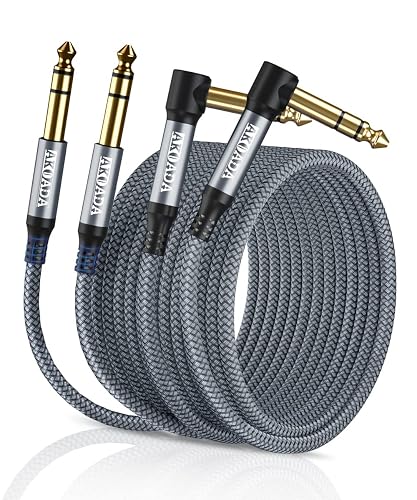
AkoaDa 1/4 inch TRS Audio Cable 2-Pack 15FT
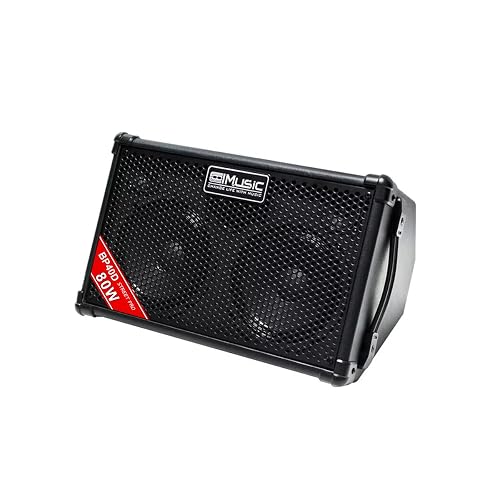
Coolmusic BP40D Powered Acoustic Guitar Amplifier 80W
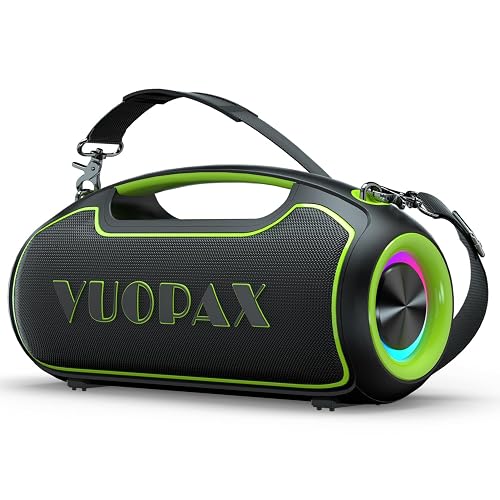
VUOPAX 200W Peak Bluetooth Speaker with Bass Boost
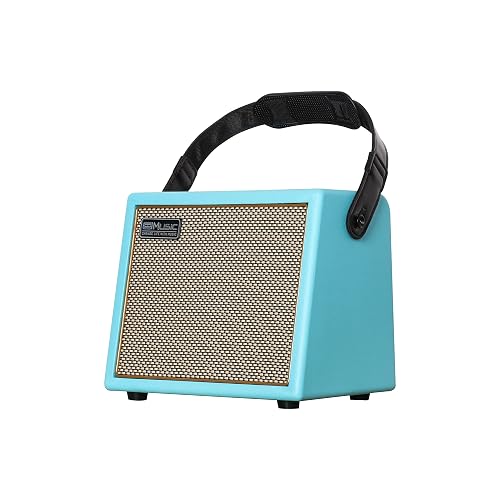
Coolmusic 30W Rechargeable Acoustic Guitar Amp (Blue)
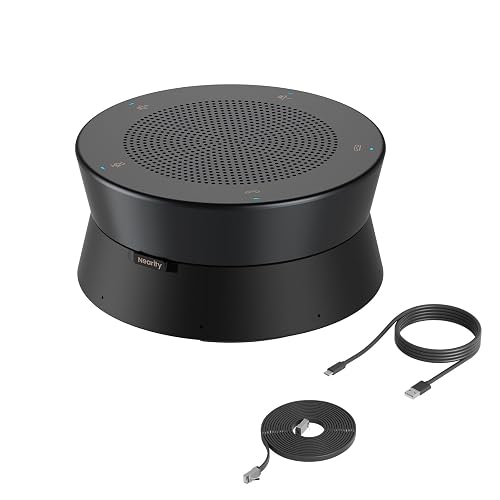
NEARITY A20S Conference Speaker with Daisy Chain
A Deeper Look At The Lineup
The VUOPAX 200W portable unit lands at the top for performers who need raw projection. Dual 3.5-inch woofers paired with dual 1.5-inch tweeters push a full-range signal that cuts through sidewalk noise, which matters when a train rolls past or a crowd gathers ten deep.
Compared to the Coolmusic BP40D, this is a Bluetooth-first box rather than an instrument amp, so anyone running backing tracks or a looper into a single source benefits most. The deep-bass tuning helps kick drums and bass guitar feel present, though purists may find the low end a touch coloured at lower volumes.
Notable Upsides
- High peak output handles noisy plazas and pedestrian traffic without straining.
- Four-driver array covers full frequency range, so vocals and rhythm tracks stay legible.
- Wireless streaming keeps the rig cable-light during quick setups and breakdowns.
- Deep-bass tuning suits hip-hop, EDM, and loop-driven acts where low-end presence matters.
Things To Consider
- Without an instrument input, guitarists and keyboardists need a separate amp or interface.
- Larger chassis means more weight on the walk to the pitch.
Key Specs
Made For
Street DJs, vocal loop artists, and electronic performers who want maximum projection without hauling a PA stack.
Consider Something Else When
Plugging a guitar straight in is the goal, because the COOLMUSIC BP40D has dedicated instrument inputs and built-in effects.
AkoaDa’s 1/4-inch TRS cable set is the unglamorous piece of busking kit that quietly holds the rig together. Two 15-foot runs arrive in the box, and the 6.35mm balanced connections cover electric bass, keyboards, mixers, and amps with one cable type.
For performers who run a pedalboard or stage mixer away from their amp, the extra length keeps the rig flexible. Unlike the VUOPAX speakers above, this isn’t a sound source, it’s the link between them, which is why a quality cable matters more than people expect.
Strengths Worth Knowing
- 15-foot length gives room to position amp and mixer apart without strain.
- Two-pack means a backup run stays in the gig bag for failed-cable emergencies.
- TRS balanced design reduces hum over long distances, useful near power cables.
Points To Note
- 15 feet can be excessive for tight setups, leaving slack to manage on stage.
- 1/4-inch TRS won’t fit instruments needing TS (mono) jacks without an adapter.
Best Suited To
Performers running mixers, multi-pedal boards, or longer cable runs between instrument and battery amp.
Not Your Match When
A single short instrument cable is all that’s needed, because the COOLMUSIC BP40D pairs with most standard guitar leads already in your bag.
The Coolmusic BP40D stands out for solo and duo acts who want one box that handles vocals, guitar, and a keyboard at the same time. Six inputs mean a small ensemble can plug in without a separate mixer, and the 80-watt battery-powered design covers most outdoor spots without mains power.
Built-in reverb, chorus, and delay effects give acoustic guitarists a polished stage sound without dragging a pedalboard. Three-band EQ (bass, mid, treble) shapes tone for different venues, and the Bluetooth pairing handles backing tracks straight from a phone.
Well-Handled Touches
- Six inputs support guitar, mic, keyboard, and more, replacing a separate mixer.
- Onboard reverb, chorus, and delay polish acoustic tone without extra pedals.
- Battery operation frees performers from hunting for outdoor power outlets.
- Bluetooth streaming handles backing tracks or click tracks alongside live playing.
Worth Noting
- Heavier than the smaller 30W Coolmusic amp, so transport gets real on longer walks.
- Effects suit acoustic guitar well, but electric guitarists may want a dedicated amp.
Feature Snapshot
Who It Suits Best
Solo or duo acoustic acts needing one battery-powered amp for guitar, vocals, and a second instrument.
Look Elsewhere When
Simpler guitar-only setups make sense, because the Coolmusic 30W amp keeps things lighter and cheaper.
The VUOPAX 200W Peak shares the same basic architecture as the first VUOPAX on this list, but the bass-boost profile tilts the sound toward beat-driven material. Hip-hop, drum-and-bass, and electronic loop artists get a more pronounced low end that carries across a busy plaza.
Compared to the COOLMUSIC BP40D, this box trades instrument inputs for stronger wireless streaming, so it’s a stronger fit for backing-track-only performers. Owners commonly report that bass boost adds punch at the cost of midrange clarity, which vocalists should weigh.
Practical Pluses
- Bass-boost mode shapes a thicker low end for beat-heavy genres.
- 200W peak output projects across noisy urban spaces.
- Wireless pairing cuts cable clutter for minimal-stage setups.
Trade Offs
- Bass boost can mask vocal detail, so singers may prefer a flatter EQ.
- No dedicated instrument input limits use for live guitar or keyboard.
- Larger footprint takes up busking pitch space.
The Right Fit
Beat-driven performers and backing-track vocalists who want extra low-end weight in their Bluetooth rig.
Skip It When
Live acoustic guitar sits at the centre of the act, because the COOLMUSIC BP40D accepts instruments directly.
The Coolmusic 30W amp keeps things simple and portable for singer-songwriters who just need guitar and voice. Three inputs cover guitar, mic, and a third source, while the rechargeable battery removes any hunt for wall outlets during outdoor sets.
Where the BP40D above offers six channels and a wider effects suite, this 30W model trims the feature set to a lighter, more grab-and-go build. The 6.5-inch speaker delivers a focused sound that suits small crowds and quieter corners, though larger plazas may need more headroom.
What It Does Well
- 30W output covers solo gigs and small duo setups without overkill.
- Reverb and chorus effects give acoustic guitar a polished live tone.
- Three inputs support guitar, vocals, and a third source simultaneously.
- Compact, lightweight design fits into one trip from the car to the pitch.
Honest Caveats
- 30W may struggle against heavy street noise and large crowds.
- Fewer inputs than the larger BP40D for multi-instrument acts.
- Charging between long sets requires planning.
Who Will Love This
Newer buskers and solo acoustic artists who prioritise portability over raw volume.
Another Choice May Suit
Larger ensembles and noisier pitches benefit more from the Coolmusic BP40D’s 80W and six-channel design.
The NEARITY A20S earns its place for a narrow but real use case: vocal duos, spoken-word poets, and acoustic storytellers who want clean voice pickup in noisy outdoor settings. Eight MEMS (micro-electromechanical systems) microphones capture multiple speakers, and the daisy-chain feature links units for wider coverage.
Compared to the VUOPAX speakers earlier on this list, this is not a music-first box. It shines where voice intelligibility matters most, like two performers trading lines or a poet working with a backing vocalist, rather than a guitar-and-drum setup.
The Good Stuff
- Eight MEMS mics pick up multiple voices clearly across a wide area.
- Daisy chaining extends coverage for larger pitches and crowds.
- Conference-style processing prioritises vocal clarity over music playback.
Points To Keep In Mind
- Not designed for instruments, so guitarists and loop artists need a separate amp.
- Conference-grade tuning may sound flat for music-only playback.
Built With In Mind
Spoken-word performers, poets, and vocal duos who want every word to land clearly outdoors.
A Better Fit Elsewhere
Instrument-led acts get more value from the Coolmusic BP40D, which accepts guitars and keyboards directly.
Choosing Speakers That Fit Your Pitch
Battery Life Over Wattage Claims
Busking rarely happens near an outlet, so runtime matters more than peak power. A 60W RMS (continuous) speaker that runs eight hours beats a 200W peak box that taps out at three, because you play longer and charge less. Check the battery cell size where listed, and plan around real outdoor conditions rather than lab figures.
Projection vs Portability
Loud boxes project further, but every extra kilogram shows up on the walk from transit to the pitch. Solo acoustic performers often find that 30 to 80 watts with a focused driver covers most street spots. Larger ensembles or electronic acts benefit from higher wattage, accepting the extra weight as part of the trade.
Inputs That Match Your Rig
Bluetooth alone handles backing tracks and looping phones, but anyone playing guitar or keyboard live needs an instrument input. The COOLMUSIC BP40D offers six inputs for multi-instrument setups, while the VUOPAX units stay wireless-only for streaming-first performers. Match the inputs to how you actually play.
Tone Shaping On The Street
Outdoor acoustics are unpredictable. Onboard EQ (equalisation, which adjusts bass, mid, and treble) and effects like reverb help acoustic instruments sit well against traffic and wind. Built-in EQ matters more for busking than for studio work, so look for at least a three-band EQ if you play guitar or voice.
What To Watch Before You Commit
Pitfalls Shoppers Hit
Chasing peak wattage numbers is the most common trap, since peak output describes short bursts, not sustained performance. RMS wattage gives a clearer picture of how loud a speaker actually runs without distorting. Another slip is ignoring inputs: Bluetooth-only speakers leave guitarists scrambling for a separate amp.
Where The Extra Money Goes
Higher-tier models typically add more inputs, larger batteries, and better driver arrays, which translate to cleaner sound at volume and longer runtime. For buskers, the upgrade usually pays off in fewer dropouts, less hiss, and gear that survives daily transport. Budget models still work for quieter corners and short sets, but anyone performing regularly in noisy spots tends to feel the difference quickly.
Frequently Asked Questions
What wattage do I really need for street performing?
For solo acoustic sets, 30 to 80 watts usually covers most spots. Larger crowds and electronic material benefit from higher output, but RMS wattage matters more than peak figures.
How important is battery life for busking speakers?
Very important, since most pitches lack power outlets. Look for batteries that support several hours of typical use, and bring a charger if longer sets are common.
Can I plug a guitar directly into a Bluetooth speaker?
Most Bluetooth speakers lack instrument inputs. For guitar and keyboard, choose an amp like the COOLMUSIC BP40D with dedicated instrument channels and built-in effects.
Do I need a subwoofer for outdoor busking?
Not usually. A full-range driver array with decent bass response handles most acoustic and vocal material. Bass-heavy electronic acts may want extra low-end support.
How do I protect my speaker during transport?
Padded bags or hard cases reduce damage from drops and weather. Owners commonly report that storing speakers in a dry bag during rain extends their working life.
Closing Remarks
The right speaker depends on your usual corner, your instrument, and how much you want to carry. Acoustic guitarists benefit most from dedicated amps with instrument inputs and on-board effects. Beat-driven performers get more from high-output Bluetooth boxes with strong wireless streaming. Whichever path fits, prioritise battery life and clean midrange, because those details shape every set more than wattage claims.