
A reliable trekking pack quietly shapes every mile on the trail. The right one balances load, breathes well on steep climbs, and stays out of the way when you’re scrambling over loose rock. With six strong options ahead, you’ll see how each handles fit, ventilation, volume, and the kind of weekend or week-long trip you’re planning.
The Main Contenders
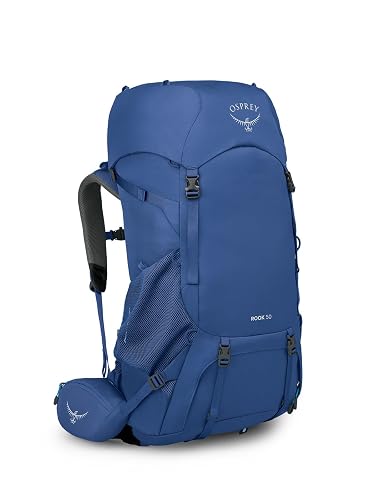
Osprey Rook 50L Men’s Backpacking Backpack, Blue
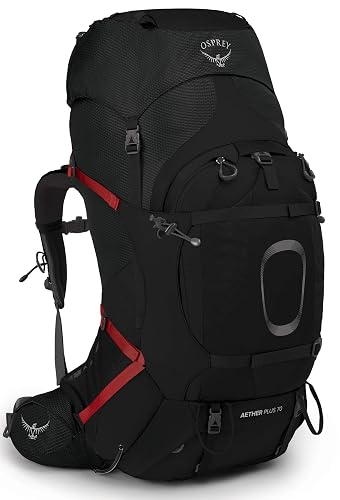
Osprey Aether Plus 70L Men’s Backpacking Backpack, Black L-XL
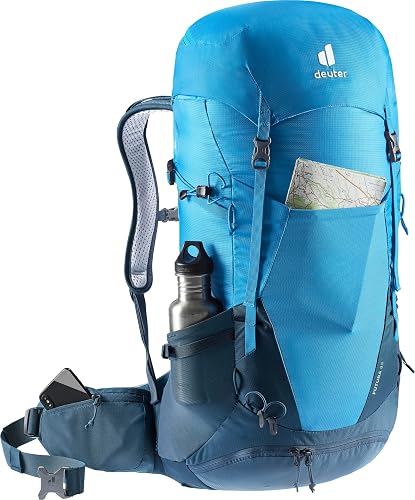
Deuter Futura 32 Hiking Backpack – Reef-Ink
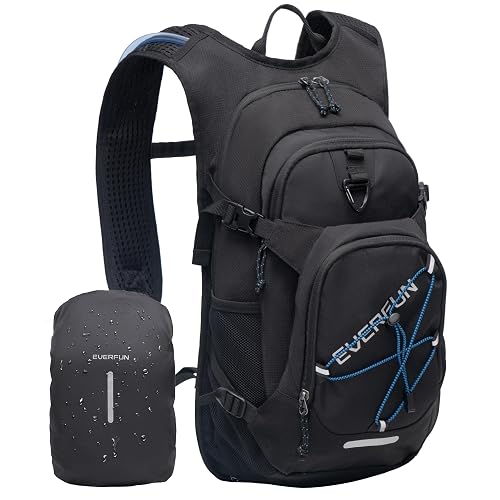
Everfun Hydration Backpack 18L with Water Bladder
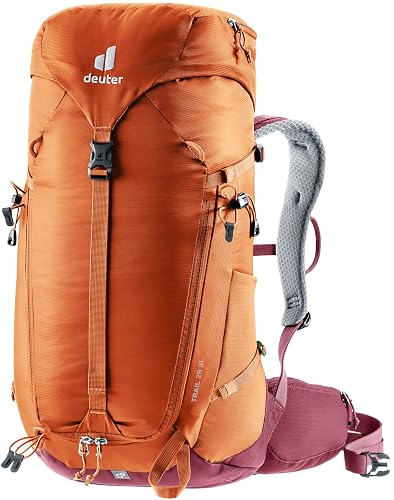
Deuter Trail 28L SL Backpack for Hiking & Trekking
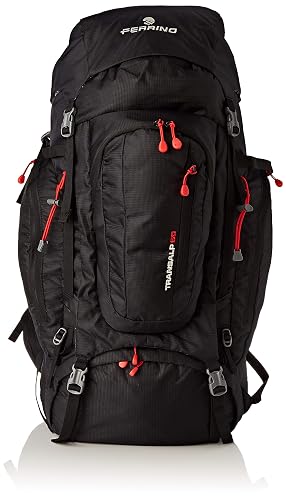
Ferrino Transalp Lady Backpack, Grey, 60 L
A Closer Look At Each Pick
Most first-time backpackers want a pack that fits right out of the box without a learning curve. The Rook 50 delivers exactly that, leaning on Osprey’s adjustable AirSpeed suspension, a trampoline-style back panel that creates a gap between the pack and your back for steady airflow. Dialing in the torso length takes one tug on the ladder-lock slider, which is genuinely helpful when you’re loaning the pack to a friend or sharing it between trips.
For two-to-four-night trips on moderate terrain, 50 liters hits a practical middle ground. You can stash a sleeping bag, pad, three-season shelter, layers, food, and a water reservoir without overpacking. Compared to the heavier Aether Plus covered next, the Rook sheds weight by trimming some of the custom-fit hardware, which is the right trade-off for newer hikers still figuring out their kit list.
Useful Touches
- Adjustable AirSpeed suspension lifts the pack off your lumbar region, cutting sweat on warm climbs
- Integrated raincover deploys from a zippered compartment for unexpected showers
- Top-lid and front shove-it pocket give you two quick-grab zones for layers and maps
- Hipbelt pockets hold a phone, snacks, or a GPS without unclipping the waist strap
Things To Consider
- Suspension feels less supportive once you push past 30 pounds of cargo
- Owners commonly mention the fabric scuffs easily on granite and volcanic rock
Key Attributes
Who It Suits Best
New backpackers and casual weekend hikers who want forgiving fit, straightforward organization, and a price tag that won’t sting if the hobby fizzles.
Consider Something Else When
Heavier loads and longer routes point to the Osprey Aether Plus 70L Men’s Backpacking Backpack, Black L-XL, which is engineered for the kind of 40-plus-pound carries this Rook wasn’t built to manage.
The Aether Plus 70 is what Osprey builds for hikers carrying real weight. Its Custom Fit-on-the-Fly hipbelt and shoulder straps mold to your body while you’re wearing the pack, which matters most when you’re seven days deep and your shoulders have nothing left to give. Toss in a removable top lid that converts to a DayLid daypack, and you have a system that splits cleanly between base-camp hauling and side-trip exploration.
Seventy liters sounds enormous until you load a bear canister, a four-season tent, group cooking gear, and a week’s worth of fuel. For resupply routes, mountaineering approaches, and gear-heavy weekends, the capacity is necessary, not indulgent. Compared to the slimmer Deuter Trail 28L SL coming up later, this is a different animal entirely: a load-hauler, not a fast-and-light daypack.
Well-Handled Touches
- Custom Fit-on-the-Fly hipbelt trims mid-trip without removing the pack
- Removable top lid doubles as a daypack for summit bids or resupply runs
- Stow-on-the-Go trekking pole holders clip and unclip without removing the pack
- Sturdy hipbelt transfers most weight to your legs, easing shoulder fatigue on long climbs
Trade Offs
- Empty pack weight is noticeably heavier than ultralight competitors
- Full capacity feels excessive on simple two-night routes
Right Fit For
Through-hikers, mountaineers, and gear-heavy expedition leaders who carry 35–50 pounds regularly and need a pack that distributes that load across the hips, not the shoulders.
A Better Fit Elsewhere
Light-and-fast enthusiasts will find the Deuter Trail 28L SL Backpack for Biking, Hiking & Trekking far more livable for sub-15-pound day carries and quick overnighters.
Hot-weather hikers know the misery of a soaked back panel. The Futura 32 attacks that problem with an ActiveFit pivoting S-shaped shoulder harness that shifts with your stride, plus contoured lumbar pads modeled on the actual 3D shape of human hips. Air circulates between the mesh back panel and your torso even on a 90-degree ascent, which is the difference between finishing strong and bonking from heat stress.
At 32 liters, this is firmly a daypack with overnight ambitions. It swallows a layer, lunch, a 3-liter reservoir, rain shell, first-aid kit, and a lightweight bivy for spontaneous campouts. Versus the Osprey Rook 50L, the Futura trades raw capacity for a lighter carry and far better ventilation, a worthwhile swap when you’re pushing hard on a single-day summit push.
Key Advantages
- ActiveFit shoulder harness pivots naturally as you walk, eliminating hot spots
- 3D-mesh back panel keeps airflow moving across the lumbar region
- Hipbelt pockets sit wide enough for a phone or trail map without bouncing
- Walking-pole attachments let you stash poles when the trail opens up
Worth Noting
- Not designed for multi-day loads above 15 pounds
- Hipbelt runs slim, which can dig in on bony iliac crests for some wearers
Quick Facts
Made For
Day hikers and fast-packers tackling warm, humid terrain who need breathability over raw carrying capacity.
Skip It When
A multi-day base-camp setup with bulky gear belongs in the Ferrino Transalp Lady Backpack, Grey, 60 L, which doubles the volume and adds rugged durability for true trekking.
For runners, cyclists, and festival-goers, a hydration pack earns its keep by staying light, staying put, and keeping water cold. The Everfun 18L checks those boxes by bundling either a 2L or 3L water bladder, an insulated hose sleeve, and a main compartment scaled for snacks, a lightweight layer, and a first-aid kit. The 18.5-by-10.5-by-6-inch profile sits high on the back and doesn’t swing when you’re moving fast.
Eight functional pockets earn real estate for a phone, keys, sunglasses, energy gels, and a velvet-lined pouch that protects sunglasses or a phone screen from scratches. Compared to the Deuter Futura 32, this pack gives up volume and back-panel breathability for a dedicated hydration system. That’s a smart trade when your main goal is covering distance without stopping to filter water.
A Strong Showing
- Insulated bladder sleeve keeps water cool for hours in summer heat
- Mesh-ventilated back panel reduces sweat during high-output movement
- Velvet-lined pocket protects sunglasses and phone screens from scuffing
- Reflective accents add visibility for early-morning or evening runs
- Lightweight nylon shell resists light rain without a separate cover
Minor Gripes
- Bite valve needs occasional cleaning to prevent mildew in the hose
- 18L capacity is tight for full-day hikes with extra layers and food
Feature Snapshot
Best Suited To
Trail runners, mountain bikers, and hikers tackling short, hot loops where continuous hydration matters more than hauling capacity.
Look Elsewhere When
You need a true trekking pack with overnight capacity. The Osprey Rook 50L Men’s Backpacking Backpack, Blue handles that workload with far more suspension support.
Women’s torsos and narrower shoulders often get shortchanged by unisex packs. The Trail 28L SL is Deuter’s answer: an SL (Slim Line) cut with shorter back panels, narrower shoulder straps, and a conical hipbelt shaped to female anatomy. The Airstripes back system uses a reduced contact surface and large ventilation channels, so the pack sits off your spine instead of against it, keeping your back noticeably drier on warm climbs.
The U-frame internal structure stabilizes the load without making the pack feel rigid, which matters when you’re transitioning between bike rides, day hikes, and quick overnights. Made from recycled polyester and polyamide, the construction holds up to abrasion from rock and branches. Versus the unisex Deuter Futura 32 covered earlier, the Trail 28L SL trades volume for a more dialed-in women’s fit.
Where It Helps
- Narrow SL fit eliminates shoulder-strap slip for smaller frames
- Airstripes back system creates real airflow across your lumbar region
- Perforated shoulder straps and hip fins wick moisture during high-output days
- Recycled fabric construction reduces environmental impact without sacrificing durability
Points To Note
- Smaller volume limits use to day hikes or featherweight overnights
- SL fit feels restrictive for wearers with broader shoulders
Spec Overview
Perfect Match For
Hikers with narrower torsos who want ventilation, women’s-specific ergonomics, and a sustainable build for active day use.
Another Choice May Suit
Longer expeditions call for the Ferrino Transalp Lady Backpack, Grey, 60 L, which doubles the carrying capacity while keeping a women’s-tuned fit.
Multi-day hut-to-hut routes, alpine traverses, and gear-heavy family treks demand a pack that shrugs off abrasion and gets out of your way. The Ferrino Transalp Lady 60 is built around that reality. Double access to the main compartment from the top and the bottom lets you reach a sleeping bag at the base without unpacking rain gear on top, a small thing that saves real frustration at camp.
Adjustable back height helps the pack adapt to different torso lengths, while the rugged fabric shell handles the inevitable scrapes from granite and brush. Compared to the Osprey Rook 50, the Transalp trades simplicity for added volume and tougher construction. Versus the Deuter Trail 28L SL, this is a serious step up in load capacity for trekkers who treat weekends like expeditions.
Points In Its Favor
- Top and bottom access to the main compartment saves time at camp
- Adjustable torso height fine-tunes fit across different wearers
- Dual hood pockets, side pockets, and waistband pockets distribute gear logically
- Robust fabric shell holds up to repeated abrasion on rocky terrain
- Integrated raincover shields contents during prolonged storms
- Safety pocket keeps a whistle, ID, and emergency contact card within reach
Practical Considerations
- Heavier empty weight than minimalist trekking packs
- Full 60L feels overkill for simple two-night trips
Whose Shelf It Belongs On
Serious trekkers, family adventure planners, and hut-to-hut hikers who need durability, adjustable fit, and organized storage for week-long routes.
Reach For A Different Pick When
Day-only hikes with technical terrain call for the Deuter Futura 32 Hiking Backpack – Reef-Ink, which is lighter and far more ventilated.
What Matters Most Before Choosing Trekking Packs
Fit And Torso Length
A pack that fits well carries 30 pounds like 20. The two measurements to take before shopping are torso length (the distance from C7 vertebra to iliac crest) and hip circumference. Most of the packs here use ladder-lock or ladder systems for on-the-fly adjustment. Women-specific SL fits, like the Deuter Trail 28L SL, address shorter torsos and narrower shoulders. Try a loaded pack in a store before committing.
Volume Matching Your Trip
Trekking packs sort into rough tiers. Sub-30L handles day hikes and trail running, with the Everfun and Deuter Futura as good examples. The 30–50L range, anchored by the Osprey Rook 50, covers weekend overnights. Anything above 50L, like the Aether Plus 70 and Ferrino Transalp, fits week-long or gear-heavy routes. Match volume to your longest typical trip, not your hypothetical dream expedition.
Ventilation And Back Panels
A soaked back panel drains energy. Mesh trampoline designs, like Osprey’s AirSpeed, and Airstripes systems, like Deuter’s, lift the pack off your spine for airflow. In hot, humid climates, that gap is the difference between finishing a climb comfortably and quitting early. For cooler, drier terrain, a closer-fitting back panel transfers weight more efficiently.
Materials And Long-Term Durability
Recycled polyester and polyamide shells, like the Deuter Trail 28L SL, balance environmental impact with abrasion resistance. Reinforced bottoms handle repeated set-downs on rock. Stitching and bar-tack reinforcement at stress points are common first-failure locations. Higher-denier fabrics cost more weight but last longer on rugged routes.
Key Considerations Across These Picks
Pitfalls Shoppers Hit
The most common buying mistake is choosing volume based on gear you don’t yet own. New trekkers often buy 70L packs for trips that need 50L, then overpack to fill them. The opposite happens too: experienced hikers underestimate winter gear bulk and end up with compression nightmares. Measure your typical kit first, then size up only one tier above your heaviest realistic load.
Where The Extra Money Goes
Premium trekking packs invest in suspension hardware, fabric quality, and adjustability. The Aether Plus 70’s Custom Fit-on-the-Fly hipbelt alone justifies the upgrade for anyone carrying over 35 pounds regularly. Cheaper packs save weight by using simpler foam back panels and fewer pockets, which works fine for casual use but shows its limits on multi-day trips with heavy loads.
Frequently Asked Questions
How Do I Measure My Torso For A Trekking Pack?
Stand with your hands on your hips and tilt forward slightly. Have someone measure from the bony bump at the base of your neck (C7 vertebra) down to the same level as the top of your hip bones. That number is your torso length, and it determines which size range fits you.
What Volume Trekking Pack Do I Need For A Three-Day Trip?
For three-season trips with a lightweight tent, sleeping bag, and pad, 50–60 liters handles most kits comfortably. That said, bulk matters: a down quilt packs smaller than a synthetic bag, and a tarp packs smaller than a double-wall tent. Always size up one tier if your gear runs bulky.
Are Women’s-Specific Trekking Packs Worth It?
Yes, for most women. SL designs use shorter back panels, narrower shoulder straps, and conical hipbelts shaped for wider pelvic structures. Men with narrower torsos can also wear many SL packs comfortably. Try one on with weight before deciding.
How Do I Clean And Maintain A Trekking Pack?
Spot-clean with mild soap and lukewarm water, then air-dry away from direct sunlight. Never machine-wash or tumble-dry: agitation breaks down coatings and stresses stitching. Store uncompressed in a dry closet to keep foam from taking a permanent set.
Can Trekking Packs Handle Rain Without A Cover?
Most trekking packs use water-resistant fabric, not waterproof. Sustained rain will eventually soak through seams and zippers. A pack liner inside the main compartment offers the most reliable protection, with an integrated raincover handling brief showers.
Bottom Line
The right trekking pack disappears into your stride, holding gear without fighting you for it. Match volume to your trip length, dial in fit with weight inside, and prioritize ventilation if you hike in warm climates. Any of the six packs above can serve you well; the trick is honest sizing over aspirational buying.