
A solid pair of trekking shoes decides whether your weekend hike feels like an adventure or a punishment. Bad footing means blisters, rolled ankles, and a damp pair of socks that never quite dries out. The right pair disappears under your feet and lets you focus on switchbacks, summit views, and a cold drink at the trailhead.
Trekking footwear also blurs into a strange middle ground between running sneakers and heavy-duty hiking boots, so picking one gets confusing fast. This list rounds up seven options that span technical trail runners, low-cut hikers, and mid-cut waterproof builds. Whatever your style of trail and budget, there’s a fit waiting below.
The Lineup, Simplified
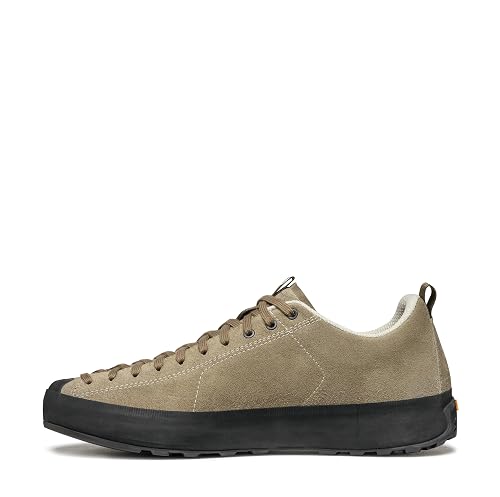
SCARPA Mojito Wrap Walking Shoes
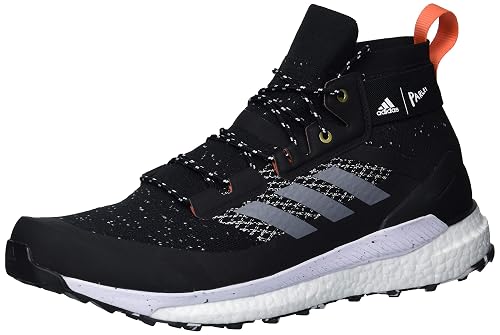
adidas Terrex Free Hiking Shoe
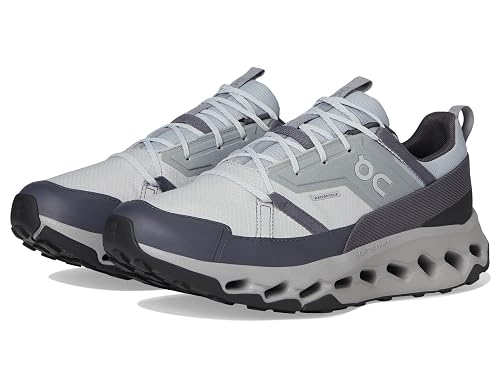
On Cloudhorizon Waterproof

Columbia Fairbanks Low
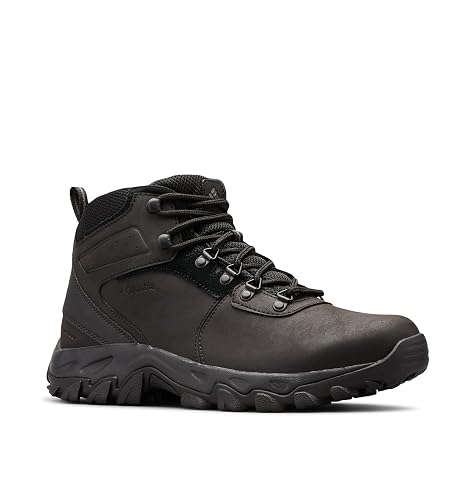
Columbia Newton Ridge Plus II Waterproof
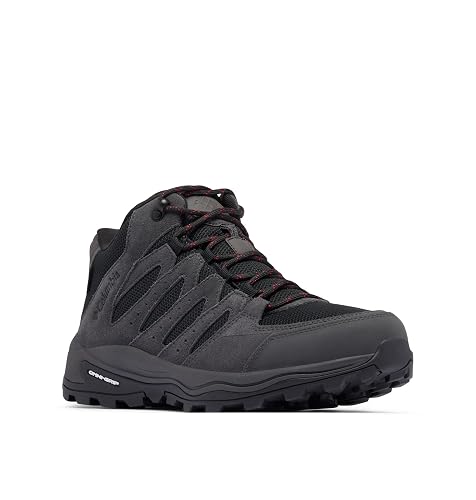
Columbia Redmond IV Mid Waterproof
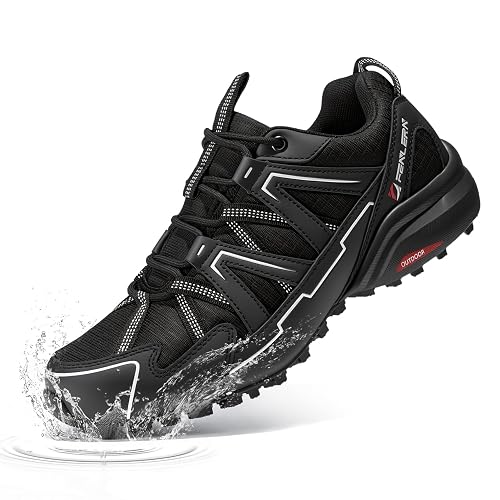
FENLERN Trail Running Hiking Sneakers
More On The Choices That Made The List
The Mojito Wrap sits in a sweet spot between casual sneaker and approach shoe, which makes it a friendly entry point for trekkers who don’t want something that screams “gear closet.” Unlike the heavier waterproof hiker in slot five, this SCARPA leans on a low-profile silhouette that handles dusty switchbacks and city sidewalks with the same ease.
Built around a wrap-style closure and a grippy Vibram-style outsole, the shoe gives you enough confidence on rocky terrain without weighing you down. It’s the kind of pair that disappears on your feet during a long travel day, then shows up ready for a spontaneous ridge walk at sunset.
What Works In Its Favor
- The low-cut profile keeps ankles free, which matters for fast movers who hate bulky collars
- Lightweight construction means less fatigue on multi-day trips where every gram counts
- Versatile styling doubles as a travel shoe, so you can pack one pair instead of two
- Sticky outsole compound grips well on wet rock and loose gravel alike
Worth Bearing In Mind
- Minimal waterproofing means damp socks after stream crossings or morning dew
- Less underfoot cushioning than the On Cloudhorizon, so long-distance hikers may want more padding
- Suede and fabric uppers tend to scuff and stain with heavy trail use
Key Attributes
Whose Trail It Belongs On
Day hikers, travelers, and urban explorers who want one pair that handles trailheads, hostels, and dinner reservations in the same evening.
A Better Fit Elsewhere
For deep wet conditions and ankle-twisting boulder fields, the Columbia Newton Ridge Plus II Waterproof offers sturdier shelter and weather protection.
The Terrex Free is adidas’s answer for hikers who want trail-ready footing without the stiffness of a traditional boot. Where the SCARPA Mojito Wrap leans casual, the Terrex pushes more aggressively toward grippy technical terrain while still feeling athletic underfoot.
You get a low-cut hiking silhouette built to handle rocky ascents, muddy descents, and everything between. For trekkers logging varied terrain on weekends, the versatility alone makes it worth a long look.
Everyday Advantages
- Continental-style rubber outsole gives reliable traction on wet roots and rock slabs
- Reinforced toe cap protects against hidden stones and root strikes
- Quick-drying mesh upper keeps the shoe lighter after stream crossings
- Neutral last accommodates a wide range of foot shapes
Trade-Offs To Consider
- Mesh-heavy upper runs warm in summer desert hiking
- Limited ankle protection on off-camber traverses
- Sizing can run narrow for wider-footed hikers
Built With In Mind
Active hikers covering mixed distances who want a fast, breathable shoe for dry-to-damp trails and varied elevation.
Swap It Out When
Trekkers carrying heavier packs across wet terrain should reach for the Columbia Redmond IV Mid Waterproof, which adds mid-cut stability and weather sealing.
The Cloudhorizon takes On’s signature CloudTec cushioning and angles it toward the trail, which sounds contradictory until you actually put it on. Soft underfoot landings meet a sturdier chassis than you’d expect from a brand known for city pavement.
Waterproof construction runs throughout the upper, sealing out rain and puddle splashes during shoulder-season hikes. Compared to the lightweight adidas Terrex, this shoe trades some agility for plush, all-day comfort over wet terrain.
Why It Works Well
- CloudTec Phase midsole softens every footfall on hard-packed and rocky trails
- Full waterproof build keeps feet dry through rain showers and stream-edge walking
- Plush interior lining reduces sock friction on multi-hour hikes
- Premium materials suggest long-term durability for regular trekkers
Things To Weigh Up
- Heavier than minimalist trail runners, which adds up on long mileage days
- Stack height feels tall for technical scrambling or steep, rocky terrain
- Premium pricing may not suit casual weekend walkers
Feature Overview
Right Match For
Trekkers who log serious miles on wet or variable terrain and want premium cushioning that softens every step.
Where Another Pick Shines
Hikers on tighter budgets will find the Columbia Fairbanks Low delivers solid trail footing at a much friendlier price.
Columbia’s Fairbanks Low is the trail shoe for trekkers who care more about the view than the gear catalog. It skips the headline-grabbing tech and focuses on the basics: leather durability, decent traction, and a comfortable ride.
The shoe uses suede leather uppers paired with breathable mesh panels, plus a Techlite midsole for cushioning and an Omni-Grip rubber outsole underneath. Compared to the premium On Cloudhorizon, the Fairbanks trades plush cushioning for a tougher, more casual construction.
Real-World Strengths
- Leather-and-mesh upper balances durability with breathability for fair-weather hikes
- Omni-Grip outsole handles wet rocks and muddy switchbacks with steady footing
- Techlite midsole absorbs impact well for a budget-priced hiker
- Low-cut collar makes the shoe easy to slip on for spontaneous trail walks
Honest Caveats
- Non-waterproof construction leaves feet wet in rain or puddles
- Heavier than the mesh-forward adidas Terrex, so it feels clunkier on long mileage
- Outsole lugs are less aggressive than true technical hikers
Best Suited To
Casual trekkers, beginner hikers, and anyone who wants a no-nonsense trail shoe for day hikes without spending premium prices.
Reach For A Different Pick When
Wet-weather hikers will appreciate the Columbia Newton Ridge Plus II Waterproof, which adds a sealed membrane for rainy trails.
The Newton Ridge Plus II is Columbia’s workhorse waterproof hiker, and it leans into the classic boot DNA without feeling like a clunky throwback. Where the Fairbanks skips waterproofing for breathability, this model wraps the foot in a sealed membrane that shrugs off puddles.
Built with a leather upper, cushioned midsole, and multi-terrain outsole, the shoe handles rocky ascents, muddy descents, and rainy shoulder seasons with equal confidence. It’s the kind of pair that shows up ready for whatever the trail throws at you.
Notable Gains
- Waterproof membrane keeps socks dry through rain and shallow stream crossings
- Leather upper delivers long-term durability against abrasion and scrapes
- Multi-terrain outsole grips well on loose dirt, wet rock, and gravel
- Cushioned midsole reduces foot fatigue on all-day outings
Points To Keep In Mind
- Heavier build than low-cut trail shoes like the SCARPA Mojito Wrap
- Break-in period of a few hikes is common with leather construction
- Less breathable than mesh hikers during hot summer hiking
Technical Snapshot
Made For
Rain-or-shine hikers tackling mixed terrain who want a sturdy, weatherproof shoe that lasts multiple seasons of regular use.
Consider Something Else When
Fast-paced hikers on dry, mild trails will find the lighter adidas Terrex Free Hiking Shoe more nimble for quick mile days.
The Redmond IV Mid splits the difference between a low-cut trail shoe and a heavy hiking boot. Its mid-cut collar wraps just above the ankle, giving you extra stability without the bulk of a full boot.
Waterproof construction handles wet trails and morning dew, while the grippy outsole manages mud, scree, and rocky sections. Compared to the Fairbanks Low, this Columbia adds ankle security that you really feel on uneven ground.
What Pays Off
- Mid-cut collar stabilizes the ankle on uneven, rocky, or root-strewn trails
- Waterproof build keeps feet dry through puddles and rain showers
- Traction pattern grips well across wet and dry surfaces alike
- Multiple color and size options make fitting easier for varied foot shapes
Possible Compromises
- Heavier than low-cut alternatives like the SCARPA Mojito Wrap
- Mid-cut collar may feel restrictive for hikers who prefer ankle freedom
- Break-in period is common before the leather softens fully
Perfect Match For
Weekly hikers and backpackers tackling rough terrain who want ankle support plus weather protection in one dependable package.
Look Elsewhere When
Fast-and-light day hikers on tame trails will prefer the breezier profile of the adidas Terrex Free Hiking Shoe.
FENLERN’s hybrid sneaker is the budget end of the trekking shoe spectrum, designed to bridge trail running and casual hiking in one affordable package. The mesh-knit upper keeps things light, while the waterproof lining tries to handle puddles and rain.
Compared to the premium On Cloudhorizon, this shoe makes obvious concessions in materials and refinement. For new trekkers, though, it offers a low-stakes way to test the trails before investing in something more substantial.
Notable Upsides
- Affordable price point makes it accessible for first-time trekkers
- Lightweight mesh upper keeps feet cool on warm-weather hikes
- Waterproof lining offers basic splash protection for casual trail use
- Hybrid sneaker styling works for errands, walks, and light trail days
A Few Limitations
- Construction and materials feel less durable than premium hikers over the long haul
- Outsole traction is best for groomed trails, not technical terrain
- Limited weather protection compared to fully sealed hiking boots like the Newton Ridge
- Support and structure fall short for heavier pack-carrying hikes
Product Snapshot
Who Should Grab It
New hikers testing the waters, casual walkers, and anyone needing an inexpensive backup pair for light trail days.
Not Your Match When
Regular trekkers logging rough terrain and serious mileage will find the Columbia Newton Ridge Plus II Waterproof a more durable long-term companion.
Choosing Trekking Shoes That Actually Fit Your Trails
Match The Shoe To Your Terrain
The single biggest decision comes down to where you actually walk. Smooth gravel paths and groomed state-park loops call for low-cut trail runners with breathable mesh, the kind you see in the adidas Terrex or FENLERN picks above. Rocky mountain trails with loose scree and stream crossings demand waterproof membranes, grippier outsoles, and tougher upper materials. Terrain dictates the shoe far more than brand loyalty ever will.
Get The Fit Right Before You Commit
Sizing varies wildly between trail shoes, even within the same brand. Columbia models tend to run slightly roomier through the toe box, while SCARPA and On often lean narrower. Trying on shoes with the actual hiking socks you plan to wear matters more than the number on the box. A thumb’s width of space at the front of the toe prevents bruised toes on long downhills.
Decide Between Waterproof And Breathable
Waterproof membranes like those in the On Cloudhorizon, Newton Ridge, and Redmond IV block rain and puddle splashes but run warmer in dry conditions. Mesh hikers breathe beautifully in summer but soak through in five minutes of wet weather. For three-season trekking in wet climates, waterproof builds pay off. For dry, hot summer hiking, breathable mesh wins every time.
Cushioning Versus Ground Feel
Plush midsoles, such as the CloudTec Phase stack in the On Cloudhorizon, absorb impact over long mileage. Firmer, low-profile builds offer better ground sensitivity for technical scrambling and uneven rock. Match the cushioning level to your typical hike length and terrain roughness.
Things Worth Watching Before You Click Buy
Common Buying Traps
Plenty of shoppers grab the most expensive shoe on the shelf and assume it’s the safest pick. That logic backfires fast, because the best trekking shoe is the one that matches your terrain, not the one with the biggest price tag. Equally common is ignoring fit, since most returns come down to sizing quirks, not quality complaints.
Another misstep is buying waterproof shoes for arid climates where breathability matters more, then wondering why feet feel clammy after two miles. Match the shoe’s strengths to the conditions you’ll actually face.
Where The Extra Money Goes
Premium hiking shoes like the On Cloudhorizon justify their higher cost through better midsole foam, more refined waterproof membranes, and tougher outsole compounds that resist wear over hundreds of trail miles. Budget picks like the FENLERN use simpler materials that handle light use well but may struggle with regular abuse.
Higher-tier pricing also often reflects better QC and tighter tolerances, so sizing tends to be more consistent. The upgrade makes sense once you’re logging multiple hikes per month or tackling longer distances where comfort compounds over time.
Frequently Asked Questions
How Do Trekking Shoes Differ From Hiking Boots?
Trekking shoes sit lower on the ankle and use lighter construction, making them nimbler for fast day hikes. Hiking boots rise above the ankle for added stability on rough terrain, with stiffer midsoles and heavier protection for multi-day backpacking trips with heavy loads.
Can Trail Running Shoes Work For Trekking?
Trail runners like the adidas Terrex or FENLERN work well on moderate terrain with light packs. They struggle on rocky routes with heavy loads, where the added support of the Columbia Newton Ridge or Redmond IV makes a real difference.
How Often Should Trekking Shoes Be Replaced?
Most trekking shoes last somewhere around 500 to 800 trail miles, depending on terrain and weight carried. Watch for compressed midsole cushioning, smooth outsole lugs, or recurring foot fatigue as your replacement signal.
Do I Really Need Waterproof Trekking Shoes?
Waterproof construction helps if you hike in wet climates, cross streams, or face morning dew on grass. For dry climates and summer hiking, breathable mesh dries faster and feels cooler on the foot.
Should Trekking Shoes Be A Half Size Larger Than Normal?
A half size up often works well for trekking shoes, especially on long downhills where toes slide forward. Trying on shoes with your actual hiking socks gives the clearest answer for your specific fit.
Closing Thoughts
The right trekking shoes turn rough trails into comfortable miles and keep small problems from becoming big ones. Match the build to your terrain, get the fit dialed in, and you’ll stop thinking about your feet halfway through the hike. Trust the features that solve your actual trail conditions, and the rest takes care of itself.