
A great pair of trekking shoes quietly decides how your day on the trail unfolds. Blisters, soaked socks, or ankle wobble on uneven rock all trace back to the wrong fit. The picks below cover light day hikes, multi-day routes, wet conditions, and fast-moving terrain, so you can match the shoe to the trail rather than the other way around.
A Snapshot Of The Selections
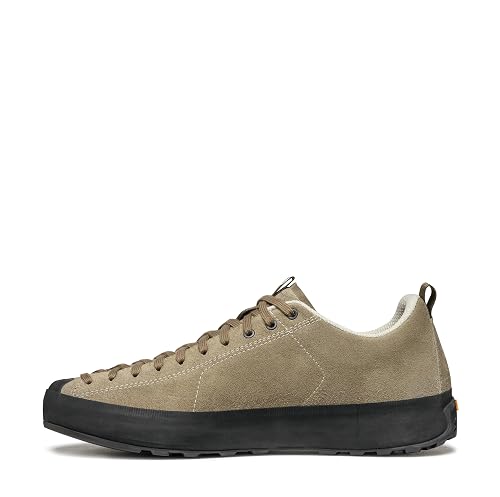
SCARPA Men’s Mojito Wrap Walking Shoes
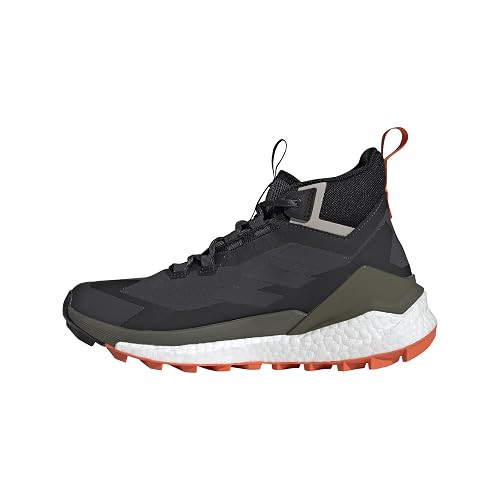
adidas Women’s Terrex Trailmaker 2.0 Mid GTX Hiking Shoes
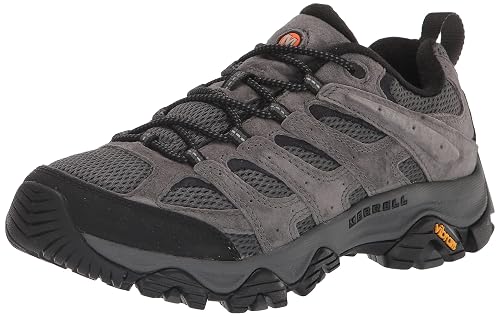
Merrell Men’s Moab 3 Hiking Shoe
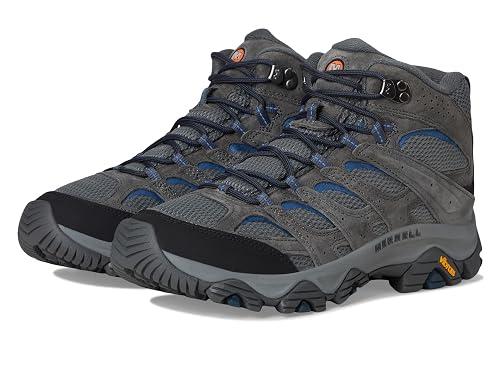
Merrell Men’s Moab 3 Mid Hiking Boot
Merrell Men’s Moab 3 Mid Waterproof Hiking Boots
KEEN Men’s Targhee 4 Low Height Hiking Shoes

KEEN Men’s KS86 Retro Style Sneakers
Merrell Moab Speed 2 GTX
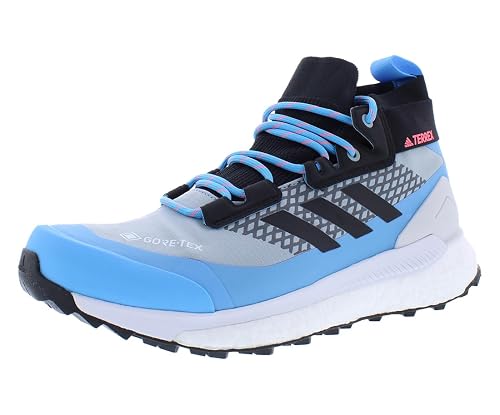
adidas Women’s Hiking Shoes
The Strengths Of Each Pick
The Mojito Wrap borrows its construction from approach shoes used by climbers, which translates into a flat, grippy sole that scrambles over rock without feeling clunky. The low-cut ankle suits travelers who spend their days switching between sidewalks, museum floors, and dusty trails.
For lightweight day routes, the leather-wrapped upper handles scuffs better than a mesh panel, and the lacing reaches well down toward the toe for a snug fit on technical ground. Trekkers crossing from city to trailhead on the same day get the most out of the design.
Practical Advantages
- Flat climbing-style sole grips rock edges well on scrambles.
- Leather wrap resists abrasion from scree and rough trail surfaces.
- Low weight keeps legs fresh on long travel days that mix walking and hiking.
- Casual styling transitions from trail to town without a shoe change.
Worth Noting
- Not fully waterproof, so wet grass and puddles soak through quickly.
- Low-cut design offers little ankle protection on uneven terrain.
Made For
Travelers and light hikers who want one shoe that handles a museum floor, a café, and a half-day trail without missing a beat.
Look Elsewhere When
You face muddy, multi-day routes, where the Merrell Men’s Moab 3 Mid Waterproof Hiking Boots offer far better weather protection.
The Terrex Trailmaker 2.0 leans on BOOST cushioning, a foam formulation that returns energy with each footstrike rather than compressing flat. Hikers notice the difference on the downhills, where tired quads absorb less shock and the knees stay happier through a long descent.
A GORE-TEX membrane lines the inner boot to seal out rain and stream splash while letting perspiration escape, and the mid-top profile adds ankle confidence over uneven ground. Wet-weather trekkers covering varied elevation gain get the most out of the build.
Real-World Strengths
- BOOST midsole reduces leg soreness through long descents.
- GORE-TEX lining blocks rain and puddle splash on shoulder-season hikes.
- Mid-top cuff steadies the ankle on rocky, root-covered paths.
Honest Caveats
- Mid-top height runs warmer than a low-cut, which can feel stuffy in summer.
- Cushioned feel trades some ground feel for comfort, so technical terrain reads blunter.
Best Suited To
Women hiking in damp climates who want plush cushioning and reliable weather protection across mixed terrain.
Consider Something Else When
Fast-moving day hikes are the goal, where the Merrell Moab Speed 2 GTX delivers a nimbler, lighter ride.
Few hiking shoes have the staying power of the Moab line, and version 3 refines the formula rather than reinventing it. A supportive insole sits on top of a cushioned midsole, while a Vibram outsole (a high-grip rubber compound developed for traction on varied terrain) chews into loose dirt and wet rock.
Out-of-the-box comfort has always been the Moab’s calling card, and that carries through to the latest update. Weekend hikers tackling established routes in fair weather get a comfortable, predictable shoe that handles everything from forest trails to gravel climbs.
Bright Spots
- Vibram outsole grips loose terrain and wet rock reliably.
- Updated insole and midsole add noticeable cushion over earlier versions.
- Roomy toe box suits hikers who prefer extra splay room.
Trade Offs
- Lacks a waterproof membrane in this standard version, so feet get wet in rain.
- Heavier than minimalist options, which adds up on very long miles.
Key Features
Who Should Grab It
Weekend hikers who want one trusted, comfortable shoe for varied trails in dry conditions.
Where Another Pick Suits Better
Wet climates call for the Merrell Men’s Moab 3 Mid Waterproof Hiking Boots, which add a weather-sealed membrane.
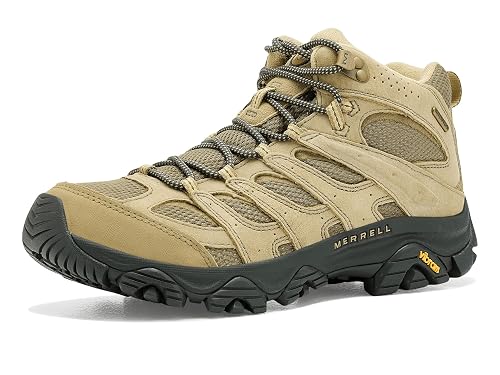
The mid-cut version of the Moab adds a collar that wraps above the ankle, which matters more than people expect on rocky descents. Compared to the low-cut Moab 3, this boot trades a touch of agility for a steadier platform when the trail tilts sideways.
A grippy lug pattern and the same Vibram outsole carry over from the standard model, so traction stays consistent. Hikers carrying a heavier pack or stepping onto boulder fields get the extra support the boot is built around.
What Stands Out
- Mid-cut cuff stabilizes the ankle on uneven ground and steep grades.
- Vibram outsole pattern bites into mud and loose rock.
- Familiar Moab last fits true to size for most shoppers.
A Few Limitations
- No waterproof membrane in this version, so stream crossings soak through fast.
- Bulkier than low-cut options, which slows down fast-paced trail running.
The Right Fit
Hikers with ankle concerns or heavier loads who tackle uneven terrain and want extra stability without a full backpacking boot.
Skip It When
Wet conditions are the norm, where the Merrell Men’s Moab 3 Mid Waterproof Hiking Boots handle rain without extra effort.
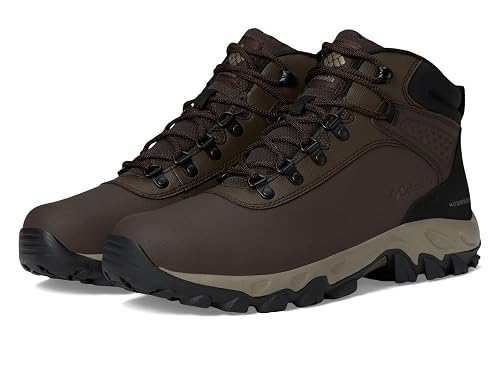
The Newton Explorer uses a waterproof leather shell paired with Columbia’s Omni-Tech membrane, a waterproof-breathable barrier that keeps rain out while allowing some vapor to escape. Compared to the lighter mesh builds seen in the Moab 3 and SCARPA Mojito, this shoe prioritizes long-term toughness over quick-drying breathability.
A Techlite midsole cushions footfalls without packing heavy weight into the shoe. Hikers who prefer a leather boot that takes a beating on brushy trails or worksite duty get the most from this construction.
Why It Works Well
- Leather upper shrugs off scrapes from brush and rocky ground.
- Omni-Tech membrane keeps feet dry through rain and shallow stream crossings.
- Techlite midsole adds cushioning without dragging weight up the trail.
Some Limits To Know
- Leather takes longer to dry than mesh after a thorough soaking.
- Heavier than minimalist hikers, which matters on long mileage days.
Quick Technical Notes
Perfect Match For
Shoppers who want a durable, weather-ready leather hiker that handles rough use and wet conditions with equal ease.
Swap It Out When
Fast, lightweight miles are the priority, where the Merrell Moab Speed 2 GTX moves much more easily.
The waterproof Moab 3 Mid answers a common complaint about hiking shoes: soaked socks by lunchtime. A weather-sealed membrane lines the boot, so rain, snow, and puddle splash stay outside while perspiration moves out at a moderate pace.
The mid-cut collar adds ankle stability for heavier packs, and the Vibram outsole keeps traction consistent on slick surfaces. Shoulder-season trekkers who refuse to hang up their boots when the weather turns will appreciate the dependable weather protection.
Positive Points
- Waterproof membrane keeps feet dry through wet grass and rain showers.
- Mid-cut collar steadies the ankle when carrying a heavy pack.
- Vibram outsole maintains grip on slick rocks and roots.
Points To Keep In Mind
- Waterproof lining reduces breathability in hot summer conditions.
- Heavier than non-waterproof alternatives, which adds up over long days.
Core Details
Whose Shelf It Belongs On
Trekkers facing damp conditions, early starts in dew-soaked grass, or cool shoulder-season hikes with rain in the forecast.
Not Your Match When
You want a nimble, fast-moving shoe for warm-weather day hikes, where the Merrell Moab Speed 2 GTX feels lighter and quicker.
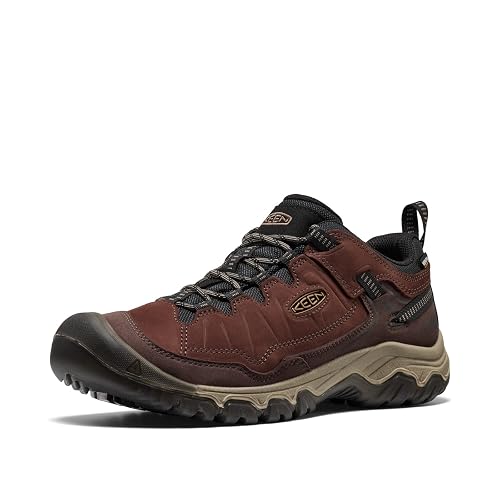
The Targhee line is built around KEEN’s wider footwear platform, meaning the toe box flares out more than most competitors. People who feel cramped in standard hiking shoes often find the extra room immediately comfortable, especially on long descents where toes slide forward.
A direct-attach construction fuses the upper to the sole for a durable, weather-resistant bond, and a KEEN.DRY waterproof lining keeps rain out. Hikers with wide feet or those who prioritize all-day comfort on moderate trails will get the most from this build.
Good Reasons To Consider
- Roomy toe box suits wide feet and prevents toe-jam discomfort on descents.
- KEEN.DRY waterproof lining handles wet conditions reliably.
- Fused upper-to-sole construction resists separation over years of use.
- Cushioned footbed softens impact on rocky trails.
Soft Spots
- Roomy fit may feel loose for shoppers with narrow feet.
- Low-cut height offers minimal ankle protection on rough terrain.
Who Will Love This
Wide-footed hikers and anyone who values all-day comfort on moderate trails over technical precision.
Reach For A Different Pick When
Narrow feet and ankle support matter more, where the Merrell Men’s Moab 3 Mid Hiking Boot delivers a snugger, more supportive fit.
The KS86 sits in the sweet spot between lifestyle sneaker and trail tool. A recycled mesh or environmentally friendly leather upper gives it a casual silhouette, while an aggressive lugged outsole keeps grip solid on dirt paths and gravel.
Unlike the more rugged Targhee 4, this shoe prioritizes everyday versatility over technical trail performance. Shoppers who want one pair that handles the coffee run, light trail, and casual office without changing shoes get the most value from the design.
Points In Its Favor
- Casual styling transitions easily from trail to town settings.
- Aggressive tread pattern grips dirt and gravel without feeling clunky.
- Sustainable upper materials appeal to environmentally minded shoppers.
Things To Consider
- Not designed for serious backcountry use or rough technical terrain.
- Lacks a waterproof membrane, so wet weather soaks through fast.
Right Fit For
Casual hikers who want a versatile shoe for light trails, daily wear, and weekend outings without packing a second pair.
Where A Sibling Pick Shines
Dedicated trail work calls for the KEEN Men’s Targhee 4 Low Height Hiking Shoes, which adds waterproofing and stronger support.
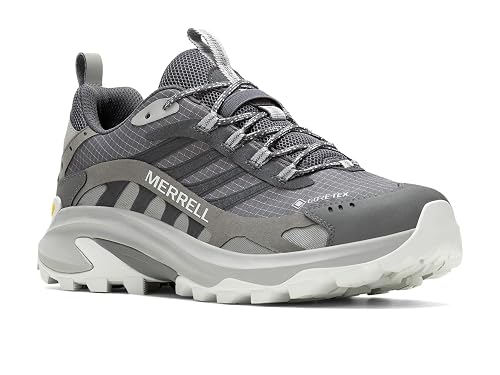
The Moab Speed 2 takes everything Merrell learned from the standard Moab and trims the weight while adding athletic-shoe DNA. A Vibram TC5+ outsole, a rubber compound engineered for grip without bulk, grips loose terrain, and the GTX membrane keeps rain outside the boot.
The low-cut profile moves more like a trail runner than a traditional hiker, so foot strikes stay quick and the legs feel less fatigued on long miles. Hikers who cover distance at a brisk pace and want weather protection in a nimble package benefit most from this design.
A Few Highlights
- Vibram TC5+ outsole delivers grip without the bulk of a standard hiker.
- GORE-TEX membrane blocks rain while allowing moderate vapor escape.
- Lightweight build suits fast-paced day hikes and longer trail miles.
Factors To Consider
- Less cushioning than cushioned hikers like the adidas Terrex Trailmaker 2.0.
- Low-cut cuff provides minimal ankle support for heavy loads.
Feature Overview
Built With In Mind
Fast hikers and distance trekkers who want a weatherproof shoe that feels closer to a trail runner than a traditional hiker.
A Better Fit Elsewhere
Plush cushioning matters more than speed, where the adidas Women’s Terrex Trailmaker 2.0 Mid GTX Hiking Shoes absorbs impact more softly.
The adidas women’s hiking shoe offers a straightforward entry point for anyone new to trekking. The low-cut profile keeps the design simple, while a grippy outsole handles typical trail surfaces without specialized tread patterns.
Compared to the more specialized picks above, this shoe leans toward versatility rather than peak performance in any one area. First-time trekkers tackling well-marked day trails and casual weekend routes get a comfortable, approachable foundation.
Where It Delivers
- Low-cut design feels familiar to anyone transitioning from running shoes.
- Grippy outsole handles dirt, gravel, and packed trail surfaces.
- Lightweight build suits shorter day hikes without fatigue.
- Simple styling works for casual wear beyond the trail.
Points To Note
- Lacks the heavy-duty features of more specialized picks like the Columbia Newton Explorer.
- Limited information on waterproofing or specific cushioning tech, so check the listing carefully.
Who It Suits Best
Beginners and casual hikers looking for an approachable, versatile shoe to start building trail experience.
Another Choice May Suit
Serious trail work or wet conditions are planned, where the Merrell Men’s Moab 3 Mid Waterproof Hiking Boots offer more specialized support.
How To Match Trekking Shoes To Your Trail
Picking the right hiking shoe starts with honesty about the trails you actually walk. Flat forest loops call for less support than steep, rocky ascents, and a five-mile loop differs from a 15-mile ridgeline. Matching shoe features to terrain matters more than chasing the most technical model.
A low-cut shoe gives up ankle security in exchange for a lighter, nimbler feel that suits day hikes with light packs. Mid-cut boots add a collar above the ankle for stability on uneven ground or rough descents, which matters when the pack gets heavy. Waterproof membranes seal out rain and puddle splash but reduce breathability, so warm-weather hikers may prefer a non-waterproof build.
Outsoles matter more than most shoppers expect. Vibram rubber compounds grip loose dirt, wet rock, and mud better than generic rubber, and lug depth (the height of the tread blocks) controls how aggressively the shoe bites into soft ground. Shallow lugs suit packed trails, while deep lugs handle mud and scree. Match the outsole to the conditions you face most, since the wrong choice makes even a great shoe feel unstable.
Fit, Comfort, And Break-In
A well-fitting shoe disappears on your foot. Roomy toe boxes like the one on the KEEN Targhee 4 prevent toe-jam pain on downhills, while snugger fits improve precision on technical ground. Try shoes on with the socks you plan to wear on the trail, since thick hiking socks change the fit dramatically. Break-in still happens with leather builds, so plan short shakedown walks before longer commitments.
Smart Choices Before You Buy
Wrong Turns To Avoid
Sizing runs small in many hiking models, especially leather builds that stretch less than mesh. Trying shoes on late in the day, when feet swell naturally, gives a more realistic fit. Skipping socks during fitting also misleads the read, since the sock layer changes volume inside the shoe.
The Case For Spending Up
Premium hiking shoes earn their higher cost through better outsoles, tougher upper materials, and weather protection that holds up over years. The added cost makes sense if you hike often or tackle rough terrain, but casual day walkers rarely benefit enough to justify the price gap.
Frequently Asked Questions
Do I really need waterproof trekking shoes?
Waterproof membranes help in wet climates, shoulder seasons, and snow, but they trap heat in dry conditions. Shoppers in warm, dry regions often prefer non-waterproof builds for better breathability.
How often should I replace hiking shoes?
Most trekking shoes last between 500 and 1,000 miles, depending on terrain and care. Worn-out tread, compressed cushioning, and separated soles signal that replacement time has arrived.
Can I use running shoes for trekking?
Light trail walking works fine in trail runners, but technical terrain, heavy packs, and wet conditions call for proper hiking shoes with stiffer soles and weather protection.
Should I size up for hiking shoes?
Many hikers size up by half a size to allow for foot swelling on long descents. Trying shoes on with hiking socks gives the clearest sense of the right fit.
How do I break in new trekking shoes?
Short walks on easy terrain let the materials flex without stressing the feet. Saving the first long hike for a broken-in pair prevents early blisters and discomfort.
Bottom Line
The right trekking shoe depends on where you walk, how often, and in what weather. Match the build to the trail rather than chasing the toughest-looking option, and your feet will thank you on every mile. Pick from the list above based on your usual terrain, and trust the fit over the feature sheet.