
Carrying less on your back changes everything about a hike. Your legs move faster, your shoulders stop burning by mile six, and that nagging “should I have brought this?” feeling disappears. Picking the right ultralight backpack for your trips comes down to matching volume, fit, and features to how you actually travel, whether that’s a week on the PCT or a quick summit push.
An Overview Of The Picks
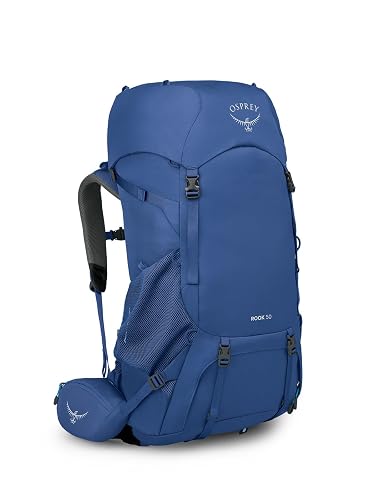
Osprey Rook 50L Men’s Backpacking Backpack
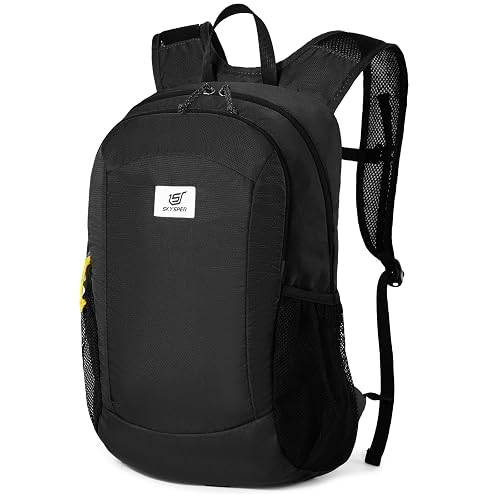
SKYSPER Hiking Backpack Ultralight Packable RFID Daypack 16L
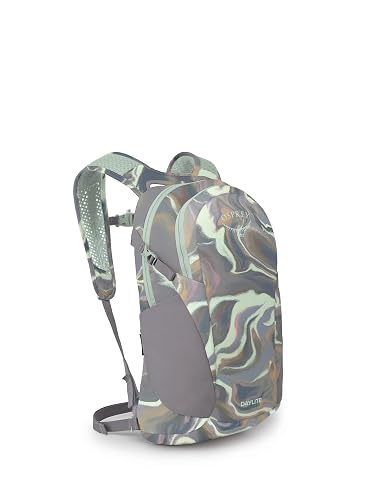
Osprey Daylite Commuter Backpack
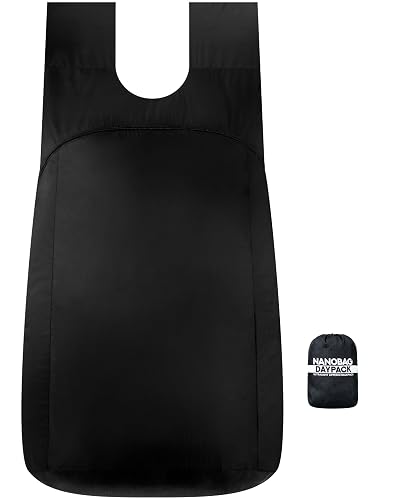
Nanobag Daypack 16L Ultralight Packable Foldable Backpack
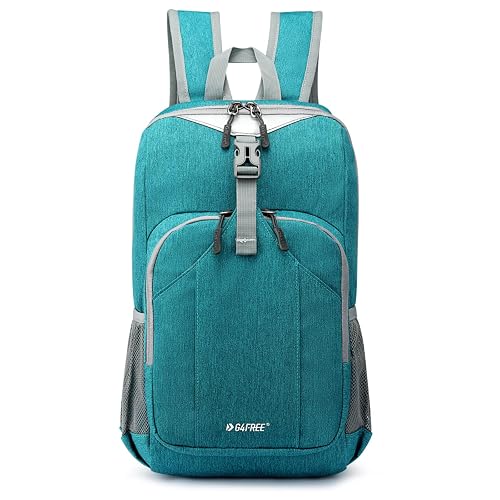
G4Free Mini 10L Hiking Daypack
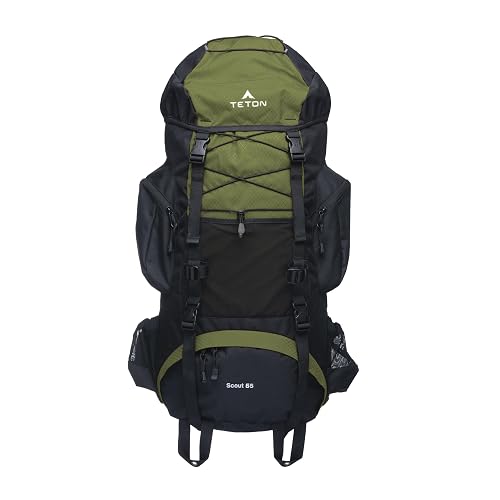
Teton 55L Scout Internal Frame Backpack (Olive)
The Strengths Of Each Pick
The Rook 50 lands at a 50-liter capacity that swallows a long weekend’s worth of gear without forcing you into a suitcase-sized haul. Where the SKYSPER and Nanobag aim for the smallest possible carry, Osprey’s pack aims for a real backcountry load with structure, a supportive suspension (the harness system that transfers pack weight to your hips), and an integrated raincover stashed in the bottom.
Most hikers will appreciate the straightforward feature set that doesn’t overcomplicate the experience. For backpackers stepping up from day-hike packs, the adjustable torso panel matters because dialing in your torso length is the difference between a sore shoulder hike and one that lets your hips do the work.
Why It Works Well
- 50-liter capacity handles three-to-five-day trips for most packers
- Integrated raincover protects gear in sudden storms, no extra purchase needed
- Adjustable AirSpeed suspension (Osprey’s ventilated back-panel system) lets you tune fit across torso lengths, useful for growing teens or households sharing a pack
- bluesign certification (an independent textile-safety standard that limits harmful chemicals in fabric production) signals cleaner materials
Things To Consider
- Heavier than the packable options ahead, so it isn’t the right call when every ounce counts
- External design skews traditional; users who prefer a minimalist look may find it busy
Key Specs
Made For
Backpackers tackling multi-day trips who want one pack that handles weather, weight, and varied trail conditions without babying it.
Consider Something Else When
The Nanobag 16L is a smarter pick when you only need a featherweight backup bag for day hikes away from base camp.
SKYSPER carves out a different lane than the Osprey Rook. This 16-liter packable backpack folds into a small stuff sack, then unpacks into a daily carry built around shielded pockets that block RFID (radio-frequency identification) scanners, the contactless card readers that can theoretically skim your card data without you noticing.
Frequent flyers and city commuters get the most from this design. The shielded pocket adds peace of mind on crowded metro rides and busy tourist queues, while the packable format means it lives in your luggage until you need it, no bulky carry-on wasted.
What Earns Its Place
- RFID-shielded pocket blocks 13.56 MHz and 125 kHz scanners (the two main frequencies used by payment cards and key fobs)
- Folds into its own attached pouch for storage in a carry-on or daypack
- 16-liter size swallows a day’s worth of essentials without bulking up
- Nylon build keeps weight down for travel days
Points To Note
- Smaller capacity than the Osprey Rook, so this won’t replace a backcountry pack
- Thin fabric feels less protective around cameras and electronics, which matters if you tend to toss packs into taxi trunks
Right Fit For
Travelers and commuters who want a lightweight daypack that tucks away and shields cards from digital skimmers on busy transit routes.
A Better Fit Elsewhere
The Osprey Rook 50L suits you better when the trip is multi-day and the trail is the priority, not the airport.
The Daylite plays a different role from the SKYSPER’s packable format: it lives on your back daily rather than waiting in your suitcase. It carries enough volume for a laptop, gym clothes, and groceries without feeling oversized, and the tonal print gives it a look that works on a subway as easily as a trailhead.
You get the most out of this one when one pack handles most of your week. The same bag that hauls your laptop on Monday shoulders a layer and snacks for an after-work hike on Friday, which removes the “grab the wrong pack” friction from your routine.
Bright Spots
- Versatile volume covers commuting, day hikes, and quick travel
- Compatible with other Osprey bags, so it can clip onto a larger pack as a day bag on longer trips
- bluesign-certified materials, a meaningful detail if you care about cleaner textile sourcing
- Durable construction holds up to daily use without looking worn
Soft Spots
- Not designed as a primary backpacking pack, so load it with over 20 pounds and comfort drops off
- Pattern may clash with formal wardrobes if your workday leans business-casual
Who Should Grab It
Urban commuters and weekend adventurers who want one pack to bridge office life, errands, and short trail days without swapping bags.
Skip It When
The Teton 55L Scout is the smarter call for hikers with smaller torsos who need a real internal-frame carry on overnight trips.
The Nanobag goes after a single goal with unusual focus: weigh as little as possible while still carrying a real day’s worth of gear. At roughly 1.15 ounces and built from an ultra-thin 0.05 mm fabric, it barely registers on a scale, which makes it the obvious “just in case” pack stuffed inside a suitcase or clipped to a larger bag.
For travelers who already own a primary pack, this fills the gap that the SKYSPER’s RFID pocket doesn’t quite cover. You get the lightest option here, but you trade away some of the digital-skimmer protection and the structured harness of the Daylite.
What Works In Its Favor
- Around 1.15 oz total weight, lighter than most phones
- 0.05 mm fabric packs into an attached pouch without careful folding
- 16-liter capacity covers daily essentials, sightseeing kits, and short hikes
- Costs little compared to structured packs, useful when you want a backup without commitment
Trade-Offs
- Ultra-thin fabric tears more easily when snagged on rocky trails or rough car trunks
- No RFID shielding, so you’ll want a separate wallet sleeve for travel days
- Comfort drops with loads above ten pounds because the straps are minimal
Feature Snapshot
Whose Shelf It Belongs On
Pack-first travelers and ultralight hikers who want a featherweight spare for side trips without adding real weight to their main bag.
Where A Sibling Pick Shines
The SKYSPER 16L is the stronger travel pick if you move through airports and crowded transit where RFID shielding matters more than absolute minimum weight.
G4Free trims capacity down to a focused 10 liters, which sounds tiny until you measure your typical day hike. Most quick loops and bike rides need water, a layer, snacks, and a phone. That’s exactly what this pack is built to carry, and the small dimensions keep it from bouncing on your back when you move fast.
The narrower scope pays off in two ways. It costs less than the larger Osprey packs, and the SBS metal zippers hold up better than plastic teeth when the pack gets tossed around, a small but real durability gain.
Benefits That Matter
- 10L capacity suits short hikes, cycling, and city walks without wasted space
- Waterproof and tear-resistant polyester shell handles drizzle and brush
- SBS metal zippers resist splitting under daily use
- Adjustable, breathable shoulder straps let you tune fit across body types
Potential Drawbacks
- Too small for a laptop or multi-day kit, so it stays a specialty pack
- Limited padding means comfort suffers with loads over eight pounds
Perfect Match For
Day hikers, cyclists, and travelers who want a small, durable pack for quick outings where minimal gear is the goal.
Swap It Out When
The Osprey Daylite is a better match when your day hikes stretch past a few hours and you carry layers, food, and electronics together.
Teton’s Scout closes the roundup with a 55-liter internal frame pack tuned for shorter torsos. Where the Osprey Rook assumes an adult-sized torso range, this one fits kids, teens, and petite adults who often get squeezed out of adult packs and end up with weight riding on their shoulders instead of their hips.
The included rain cover removes one more thing to buy, and the adjustable torso back panel lets the pack grow with a younger hiker. For families outfitting a first-time backpacker, that combination matters more than raw weight savings.
Notable Upsides
- Internal frame supports multi-day loads without sagging
- ¾-frame sizing fits shorter torsos, the segment most adult packs underserve
- Integrated rain cover ships with the pack, so no separate purchase
- Adjustable torso back panel and straps let the pack fit a growing teen over multiple seasons
A Few Limitations
- Not as ultralight as the Nanobag or SKYSPER packs, so weight-focused hikers will look elsewhere
- Color options are limited if you want a pack that stands out on the trail
Built With In Mind
First-time backpackers, younger hikers, and smaller-framed adults who need a real internal-frame pack that actually fits their torso instead of swallowing them.
Reach For A Different Pick When
The Osprey Rook 50L serves you better if you’re an adult hiker with an average torso length who wants Osprey’s suspension system for longer trips.
What To Weigh Before Choosing An Ultralight Pack
Volume drives almost every other decision. A 10 to 16 liter daypack handles a single trail, snacks, and a layer, while a 50 to 55 liter pack swallows overnight or multi-day kits. Backpackers stepping into their first season should size up rather than down, since an overstuffed small pack strains seams and wears faster than a properly loaded larger one.
Fit matters more than fabric. Torso length, not height, controls whether a pack rides on your hips or your shoulders. A pack that sits on your hips keeps 80 percent of the load off your upper body, which is the difference between a fun day and a sore one by mile five. Adjustable torso panels and hip belts turn a generic pack into yours.
Material choice trades weight against durability. Ultra-thin fabrics like the Nanobag’s 0.05 mm shell disappear in your luggage but snag on brush. Mid-weight ripstop (a woven fabric reinforced with thicker threads at regular intervals to stop small tears from spreading) polyester strikes a balance for most day hikes. Heavy-duty nylon and reinforced frames earn their weight when loads pass 25 pounds.
Pocket layout and access patterns change daily habits. Top-loading packs work for traditional backpacking setups; panel-loading packs open like a suitcase for organized access. Quick-access front pockets earn their keep on day hikes when you reach for snacks or a map every thirty minutes.
Key Considerations Across These Picks
Wrong Turns To Avoid
Chasing the lowest weight number often backfires on real trips. A 1.15 ounce pack sounds appealing until it tears on a granite boulder, leaving you with a soaked phone and no bag. Match the fabric to your environment: rocky desert trails and dense brush punish ultra-thin materials, while paved sightseeing routes treat them gently.
Another common miss is buying for the trip you want, not the trip you take. Weekend warriors who dream of thru-hikes end up with ultralight frameless packs that collapse under a real 30-pound load, while ultralight dreamers overbuy framed 55 liter packs that sit unused. Honest self-assessment saves both weight and money.
Where The Extra Money Goes
Higher-tier packs in this category put the budget into suspension systems, hip belts, and fabric coatings. An adjustable torso panel and a real hip belt transfer load to your legs, which is the single biggest comfort upgrade you can buy. Waterproof coatings, reinforced stitching, and metal zippers add real longevity over bargain versions.
The upgrade pays off most for hikers carrying loads over 20 pounds, anyone logging multi-day trips, and people who use the same pack three or four times a week. For occasional day hikers on easy trails, mid-tier packs deliver most of the comfort at a fraction of the price.
Frequently Asked Questions
How many liters do I really need for a day hike?
A 10 to 20 liter pack covers most day hikes with water, snacks, a layer, and a small first-aid kit. Move up to 25 to 30 liters if you carry a camera, tripod, or extra food for a longer route.
Are packable daypacks actually durable?
They handle light loads and fair weather well, but the thin fabrics snag easily on rough surfaces and offer little padding for electronics. Use them as backup or sightseeing packs rather than primary trail bags.
What is bluesign certification?
bluesign is an independent standard that screens textile manufacturing for harmful chemicals and environmental impact. Certified products limit those substances from the start of the fabric process, which matters if you care about cleaner sourcing.
How do I measure my torso length?
Tilt your head forward to find the bony bump at the base of your neck, then feel for the top of your hip bones. Measure between those two points while a friend helps, and use that number to set the pack’s torso length.
Can I use a daypack for overnight trips?
Occasionally, yes, if your overnight kit is genuinely small. Frequent overnights deserve a 40 liter or larger pack with a hip belt, because shoulder straps alone get uncomfortable past 15 pounds.
Wrap Up
The right ultralight backpack depends on how and where you carry it. Multi-day trekkers lean toward the Osprey Rook or Teton Scout for their structure and capacity. City travelers and frequent flyers find daily value in the SKYSPER and Osprey Daylite. The Nanobag and G4Free Mini serve the lightweight end of the spectrum, from spare bags to quick trail loops. Match the pack to your usual trip, and your shoulders will thank you by mile five.