
A reliable GPS watch does more than tell time on a trailhead. It tracks your route, monitors elevation changes, and keeps tabs on your vitals when you’re miles from a cell signal. Hikers planning overnight trips, multi-day section hikes, or weekend summits need a watch that holds up to weather, keeps a charge for days, and gives clear navigation cues without pulling out a phone. The right pick depends on how technical your terrain gets, how long you stay out, and whether you want basic route tracking or full mapping on your wrist. The list below covers rugged dedicated hikers, premium multisport watches, and budget-friendly fitness options that still handle trail duty well.
A Snapshot Of The Selections
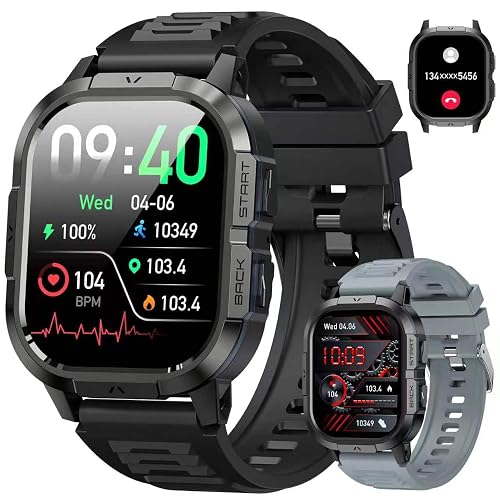
Smart Watch for Men Fitness Tracker with Call Function, Waterproof Design
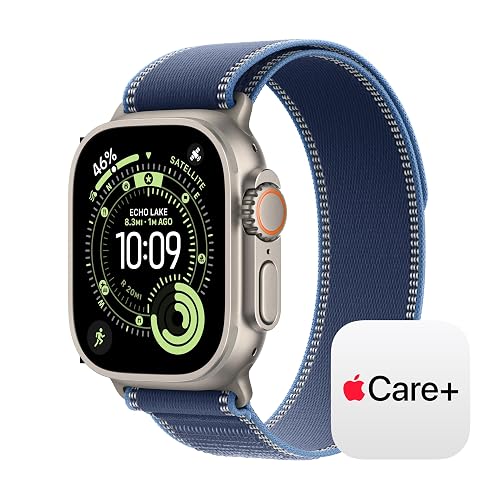
Apple Watch Ultra 3 GPS + Cellular 49mm Titanium Case with Trail Loop
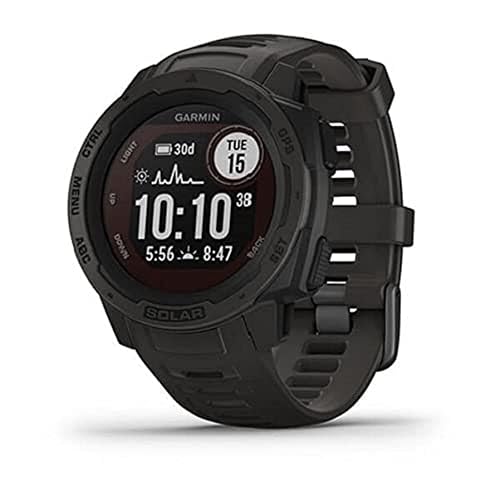
Garmin Instinct Solar Rugged Outdoor Smartwatch with Health Monitoring, Graphite
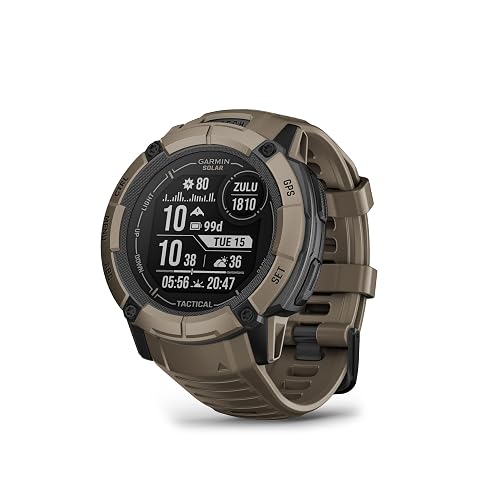
Garmin Instinct 2X Solar Tactical Edition with Flashlight, Coyote Tan

Garmin Forerunner 965 Premium GPS Running Smartwatch with AMOLED Display, Titanium Bezel

Garmin Venu GPS Smartwatch with Bright Touchscreen, Music, and Pulse Ox, Black

Smart Watch for Men Women Fitness with Call Function, Waterproof Design
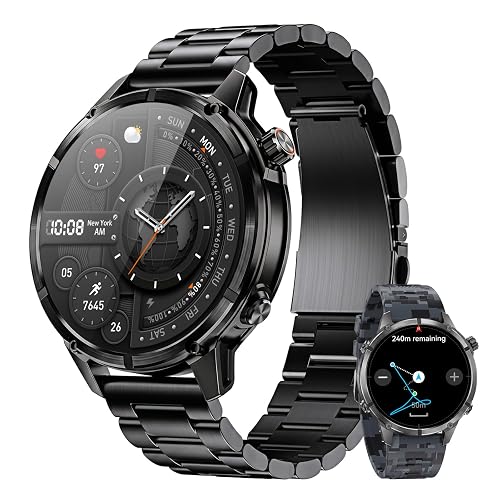
WalkerFit Rugged Smart Watch for Men with Standalone GPS and Altimeter
This TAEPOK model sits at the entry point of the list and makes sense for hikers who want basic fitness tracking without dedicated trail mapping. It supports Android phones and iPhone connections, handles call answering from the wrist, and pushes notifications from messaging apps so you don’t have to pull it out mid-step.
For day hikers on marked trails with cell coverage, the feature set covers the essentials: heart rate, step counting, and a waterproof build rated for typical rain and sweat exposure. You won’t get topographical maps or multi-band satellite accuracy here, but the trade-off keeps the cost low for casual weekend hikes.
The Practical Payoff
- Affordable price point makes it easy to step into wrist-based tracking
- Call and notification support keeps you connected on trailheads with signal
- Heart rate and step monitoring cover basic fitness goals
- Waterproof construction handles rain, splashes, and sweat
Things To Consider
- Lacks dedicated GPS navigation for unmarked or remote trails
- Battery life may fall short on multi-day trips without nightly charging
Key Product Details
Who It Suits Best
Casual day hikers who stick to marked trails and want basic fitness tracking at a low entry cost.
Consider Something Else When
The Garmin Instinct Solar is the smarter choice for multi-day backcountry trips where solar-assisted battery life and rugged construction matter more than budget.
The Apple Watch Ultra 3 leans into adventure with a rugged titanium case and sapphire crystal display that holds up to scrapes against granite and dense brush. Water resistance up to 100 meters (about 328 feet) covers swimming, snorkeling, and high-impact water sports, which makes it versatile beyond hiking alone.
Where it pulls ahead for Apple users is ecosystem integration: ECG readings, heart rhythm monitoring for AFib detection, and the bright Trail Loop band that sheds water and dries fast. The 49mm size gives generous screen real estate for reading maps and notifications at a glance, which matters when you’re stopping briefly on a switchback.
The Case For It
- Titanium case and sapphire crystal resist trail scratches and impacts
- 100m water resistance covers swimming and water sports
- ECG and heart rhythm monitoring add health-tracking depth
- Cellular option enables phone-free navigation and messaging
Worth Noting
- Cellular and titanium upgrades push it past typical multisport watches
- Battery life in continuous GPS mode falls short of dedicated outdoor watches
- Best experience requires an iPhone
Made For
Hikers already invested in the Apple ecosystem who want premium build quality and health tracking in one watch.
A Better Fit Elsewhere
The Garmin Forerunner 965 suits runners and triathletes who want longer battery life and an AMOLED touchscreen in a lighter package.
The Garmin Instinct Solar was built around the idea that you should be able to stay out longer without worrying about a dead battery. Solar charging extends runtime beyond traditional lithium-ion limits, and the watch meets U.S. military standard 810 for thermal, shock, and water resistance, meaning it shrugs off rough campsite handling.
Water-rated to 100 meters, it survives creek crossings and rainstorms without issue. Owners commonly appreciate the monochrome display’s readability in direct sunlight, where AMOLED screens on competing watches can wash out. The trade-off is a less colorful interface, but for trail use that becomes an asset rather than a compromise.
What Earns Its Place
- Solar charging extends battery life in smartwatch and Expedition modes
- U.S. military standard 810 construction for thermal, shock, and water
- Monochrome display stays readable in bright sunlight on exposed ridges
- Built-in GPS, heart rate, stress, and Pulse Ox sensors
Trade Offs
- Monochrome screen lacks the visual pop of AMOLED alternatives
- Solar gains depend on direct sun exposure and may disappoint in dense forest
Best Suited To
Multi-day backpackers tackling long routes where battery longevity and rugged durability matter most.
Reach For A Different Pick When
The Apple Watch Ultra 3 makes more sense for hikers who want a brighter AMOLED display and full Apple ecosystem integration.
The Instinct 2X Solar Tactical Edition takes the Instinct Solar formula and adds features most hikers don’t need but some can’t live without. The integrated flashlight handles camp tasks, late trailhead starts, and signal flashes. A built-in ballistics calculator and night vision goggle compatibility push it into territory geared toward hunters, range shooters, and tactical professionals.
Compared to the standard Instinct Solar, the 2X has a larger case size and bolder display, which improves readability for older eyes or for anyone who values at-a-glance data. The Coyote Tan finish blends with outdoor gear and avoids the glossy look of consumer fitness watches, depending on your taste.
Real-World Strengths
- Built-in flashlight eliminates a separate piece of gear on dark trailheads
- Tactical features add utility for hunters and field professionals
- Solar charging with the same Expedition mode benefits as the Instinct Solar
- Larger display improves readability over the standard Instinct
Points To Note
- Tactical features may feel like overkill for casual hikers
- Larger case may not suit smaller wrists
- Premium positioning over the standard Instinct Solar
Feature Card
Who Will Love This
Backcountry hunters, tactical users, and hikers who want a flashlight built into their watch.
Swap It Out When
The Garmin Venu works better for hikers who want a bright touchscreen and music storage over tactical extras.
The Forerunner 965 borrows from Garmin’s flagship Fenix line and slims it down for runners who also hike. The titanium bezel keeps weight manageable, and the AMOLED touchscreen adds color and crisp detail to maps and data fields. Traditional button controls remain for wet or gloved hands, which trail use requires.
Battery life reaches up to 23 days in smartwatch mode, and the bundle here includes Wearable4U earbuds for phone-free music on the trail. For hikers logging long days with frequent map checks, the bright display solves a common pain point with older Garmin watches that wash out in shade.
Reasons It Performs
- AMOLED touchscreen delivers sharp color in low-light conditions
- Titanium bezel keeps the watch light enough for long-distance wear
- Up to 23 days of battery life in smartwatch mode
- Full mapping capabilities support backcountry route planning
Honest Caveats
- Premium price bracket over standard Forerunner models
- AMOLED screen uses more battery in always-on mode
- Bundled earbuds add value but inflate the overall package
Perfect Match For
Runners and triathletes who also log serious trail miles and want a bright display with full mapping.
Skip It When
The Garmin Instinct Solar suits hikers who prioritize battery longevity and rugged simplicity over a colorful display.
The Garmin Venu occupies a middle ground: brighter and more lifestyle-oriented than the Instinct, more rugged than a basic fitness band. The bright touchscreen is its standout feature, paired with on-device music storage and animated workout visuals. Pulse Ox (a sensor that estimates oxygen saturation in your bloodstream) and respiration tracking add health depth that budget watches skip.
For hikers who split time between trails and the gym, the Venu’s versatility matters: it tracks runs, rides, and gym sessions with the same polish as outdoor activities. Battery life up to five days in smartwatch mode covers a typical hiking weekend without nightly charging, depending on GPS usage.
What Works In Its Favor
- Bright touchscreen readable in mixed trail and gym lighting
- On-device music storage for phone-free trail listening
- Animated workouts on the wrist for cross-training days
- Pulse Ox and respiration tracking for high-altitude hikes
Possible Compromises
- Less rugged than the Instinct line for serious backcountry use
- Battery life shorter than dedicated outdoor watches
Whose Shelf It Belongs On
Hikers who want one watch that handles trail duty, gym sessions, and everyday wear with a polished interface.
Not Your Match When
The WalkerFit Rugged Smart Watch suits hikers who need standalone GPS, an altimeter, and barometer for serious elevation work.
The Oiviato fitness watch lands in a similar budget bracket to the TAEPOK but adds a 1.43-inch AMOLED touchscreen that gives it a more modern look. Over 200 online watch faces and customizable photo dials let you match the watch to personal style, which matters more for everyday wear than hardcore trail use.
For new hikers who want basic fitness tracking plus call and notification handling, this covers the essentials without overwhelming the wrist. The waterproof rating handles typical outdoor conditions, though deep-water submersion isn’t its strong suit. Think of it as a starter watch that introduces wrist-based tracking before stepping up to a dedicated GPS unit.
A Few Strong Suits
- AMOLED touchscreen delivers clear visuals at an entry-level price
- Customizable watch faces add personal style variety
- Call and notification support across iPhone and Android
Areas To Watch
- Lacks dedicated GPS for unmarked trail navigation
- Waterproofing suitable for splashes, not deep submersion
- Battery life shorter than outdoor-specific models with all features active
Quick Facts
Who Should Grab It
First-time hikers who want a stylish entry-level watch with modern display tech at a low cost.
Look Elsewhere When
The WalkerFit Rugged Smart Watch fits better for hikers who need standalone GPS and outdoor sensors without paying flagship prices.
The WalkerFit Rugged Smart Watch targets hikers who want dedicated outdoor tools without flagship prices. Standalone GPS (meaning it tracks your route without needing a phone nearby) works independently from your phone, and the built-in altimeter, barometer, and compass (often called ABC sensors) provide elevation, air pressure, and direction data. For hunters and bushcraft hikers, that combination replaces several pieces of gear.
The 1.43-inch AMOLED display holds up in varied light, and three included bands let you swap between styles depending on the outing. Owners commonly report that the standalone GPS performs reliably for trail tracking on day hikes, though serious multi-day backpackers may still prefer the solar-charging endurance of a Garmin Instinct.
Why It Works Well
- Standalone GPS tracks routes phone-free on the trail
- ABC sensors cover elevation, pressure, and navigation basics
- 1.43-inch AMOLED display for clear menu and map viewing
- Three bands included for varied outdoor and casual wear
Factors To Consider
- Battery life in continuous GPS mode may require daily charging on long days
- Brand ecosystem less established than Garmin or Apple
- Mapping features less robust than flagship outdoor models
The Right Fit
Hunters, bushcraft enthusiasts, and hikers who want ABC sensors and phone-free GPS at a mid-tier price.
Where A Sibling Pick Shines
The Garmin Instinct 2X Solar Tactical Edition is the stronger upgrade if flashlight functionality and tactical tools matter for your use case.
What To Weigh Before Choosing A Trail Watch
A hiking watch earns its keep through three core capabilities: navigation accuracy, battery endurance, and durability under field conditions. GPS accuracy varies by watch, with multiband receivers (units that tap into multiple satellite frequencies for tighter positioning) holding lock better in canyons and dense tree cover than single-band units. Hikers tackling technical terrain in mountainous areas benefit most from multiband GPS, though the trade-off shows up in battery drain.
Battery life separates weekend watches from expedition-ready ones. Solar charging, like that on the Garmin Instinct models, extends runtime in smartwatch mode during prolonged sun exposure. For multi-day trips without charging access, longer battery life outweighs a brighter AMOLED display. AMOLED screens offer sharper visuals but consume more power; monochrome screens stay readable in direct sun and sip battery by comparison.
Durability matters when watches scrape against granite, take impact from falls, or get soaked in sudden downpours. Water resistance ratings of 100 meters or 10 ATM (a measure of pressure tolerance, roughly equivalent to 100 meters of static depth) cover swimming and heavy rain. Military standard certifications (like MIL-STD-810) signal resistance to thermal extremes, shock, and vibration, which matters for cold-weather hikers and rough handlers.
The honest read: match the watch to your typical trip length and terrain. Casual day hikers can skip solar and tactical features, while multi-day backpackers and hunters need the extra battery and sensor suite.
Key Considerations Across These Picks
Where Shoppers Go Wrong
The most common mistake is buying a fitness watch and expecting it to navigate unmarked trails. Standard fitness trackers rely on connected GPS through your phone, which fails in dead zones. Another slip-up is prioritizing display brightness over battery life: AMOLED screens look gorgeous indoors and drain faster when left always-on during long trail sessions. Buyers sometimes overlook water resistance ratings, expecting splash-proof watches to handle submersion, which they don’t.
When Paying More Pays Off
Premium tiers like the Apple Watch Ultra 3 and Garmin Forerunner 965 add titanium cases, sapphire crystals, and multiband GPS. Those upgrades matter most for technical hikers, divers, and people who keep watches for years. For casual trail use, mid-tier options like the Garmin Venu or Instinct Solar cover the essentials at a lower entry cost. The case for spending up depends on how often you push the watch into harsh conditions and whether longer battery life saves you from carrying a backup charger on multi-day trips.
Frequently Asked Questions
What GPS accuracy matters most for hiking?
Multiband GPS receivers hold position lock better in canyons and dense tree cover than single-band units. For technical terrain, multiband accuracy translates to fewer wrong turns and more reliable breadcrumb trails (a sequential track of your GPS points marking where you’ve been) on the map.
How long should a hiking watch battery last?
Day hikers need at least one to two days of battery with continuous GPS tracking. Backpackers should look for watches offering a week or more, or solar charging that extends runtime during prolonged sun exposure on the trail.
Do I need a touchscreen on a hiking watch?
Touchscreens speed up menu navigation and look sharper, but buttons work better with wet or gloved hands. Many outdoor watches pair both, giving flexibility across weather conditions and activity types.
Is waterproof rating important for hiking?
Yes, especially for creek crossings, rain, and accidental submersion. Look for at least 5 ATM (about 50 meters of static pressure tolerance) for swimming and rain resistance, and 10 ATM for diving and high-impact water sports.
Can fitness watches replace dedicated hiking GPS units?
For marked trails and day hikes, yes. For unmarked backcountry routes requiring detailed topographical maps, dedicated GPS watches with full mapping capabilities still outperform basic fitness trackers. Consider how technical your typical terrain gets before deciding.
Wrap Up
The right trail watch comes down to where and how you hike. Casual day hikers on marked trails find solid value in budget-friendly options, while multi-day backpackers and hunters benefit from solar charging, ABC sensors, and rugged construction. Premium picks add titanium builds and sharper displays for those willing to invest in long-term durability. Whatever your style, match the watch to your trip length, terrain difficulty, and the features you’ll actually use on the trail.