
Carrying extra load on a hike turns a casual walk into real training, and the right vest keeps that load from bouncing, sliding, or overheating you on a long climb. Trail-ready vests matter most when you want added resistance for fitness, prepping for a heavier pack, or simply turning local trails into a strength workout. The picks below cover adjustable iron-plate designs, slimmer everyday options, and even leg-weight alternatives for hikers who want a lighter touch.
The Essentials At A Glance

ERIC FLAG 40 lb Adjustable Weighted Vest (Iron Weights)
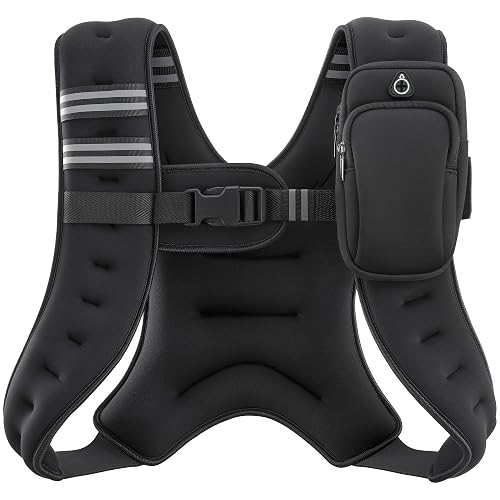
ZELUS Weighted Vest with Reflective Stripe
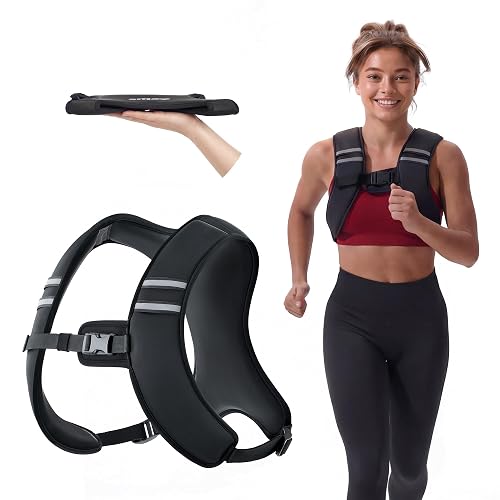
ZELUS Washable Z-Fit Weighted Vest

ZELUS Adjustable Ankle Weight Pair
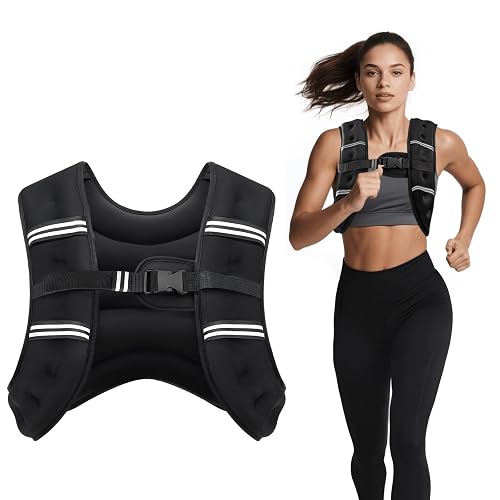
Ragebby Adjustable Weighted Vest
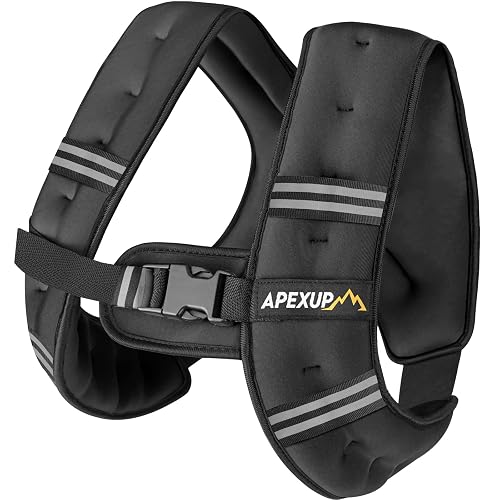
APEXUP Weighted Vest with Reflective Stripe

Northgym Adjustable Vest with 3D Plates
Inside Each Recommended Option
The ERIC FLAG vest is built around sixteen individual iron blocks that slide in and out of the 1000D Oxford body, so you can scale weight up or down without buying a second vest. For hikers chasing real resistance work, that adjustability matters: you start light on recovery walks and ratchet up for hill repeats. Compared to the ZELUS models covered below, this one trades a slimmer profile for raw load capacity.
The cut keeps shoulders and arms free, which helps on steep ascents where you want trekking-pole clearance without a bulky shoulder seam. Iron weights hold their shape in the pack and don’t shift like sand filling can during longer treks.
A Few Strong Suits
- Sixteen removable iron weights (each 2.4 lb) let you tune load precisely from zero up to 40 lb.
- 1000D Oxford shell handles abrasion from rocks, branches, and pack straps better than thinner nylon.
- Open shoulder cut preserves arm swing for poles and balance work on uneven ground.
- Iron inserts resist sloshing during longer hikes, where loose fill tends to migrate and throw off your center of gravity.
- Wide adjustment range suits households where multiple hikers share the same vest.
Trade Offs
- At full 40 lb load, the vest runs heavy and warm, so hot-weather hikers may want to back off weight on summer climbs.
- The iron-block design adds bulk under a backpack hip belt, layering oddly with some packs.
Made For
Strength-focused hikers prepping for long-distance or pack-carrying trips who want real resistance on shorter local trails.
Consider Something Else When
Hot-weather or sweaty-pace hikers who want a softer, washable option will find the ZELUS Washable Z-Fit Weighted Vest a more breathable daily choice.
The ZELUS weighted vest comes in a generous spread of load options, from 6 lb up to 30 lb, so you can match the resistance to the trail or training day without overloading. The reflective stripe earns its keep on dawn starts or dusk returns when you’re catching the last bit of light on a familiar loop. Iron-sand filling, meaning fine iron particles distributed evenly through pockets, keeps the profile low against the torso.
Adjustable buckle straps at the sides let you snug the vest across a wide range of body shapes, which helps when layering over flecks during shoulder-season hikes. The all-rounder framing here is earned: it’s not the heaviest option on this list, but the flexibility makes it easy to live with day after day.
Useful Touches
- Weight tiers (6–30 lb) cover most progression plans without needing a second vest.
- Reflective stripe improves visibility for early-morning or late-evening trail sessions.
- Adjustable buckle straps accommodate layering over flecks and base layers in cooler weather.
- Iron-sand fill sits flatter against the body, sitting more comfortably under a backpack hip belt than block-style vests.
Points To Keep In Mind
- Iron-sand filling can shift slightly during high-intensity movement, occasionally needing a quick strap tug to recenter.
- The vest is not washable, so expect to spot-clean after sweat-heavy sessions.
Key Specs
Right Fit For
Hikers who want one vest that flexes between light recovery days and heavier hill sessions without swapping gear.
A Better Fit Elsewhere
Hardcore trail runners chasing a 40 lb ceiling will get more headroom from the ERIC FLAG 40 lb Adjustable Weighted Vest.
The Z-Fit version of the ZELUS vest trades iron sand for soft iron pellets, which lay flatter and feel less abrasive against the chest on longer hikes. Where most vests on this list require spot-cleaning, this one is hand-washable, a quiet perk that pays off after repeat sweaty climbs. It comes in 5, 10, and 15 lb tiers, so it’s pitched at lighter everyday work rather than max-load training.
For hikers layering it under a backpack or running it during warm months, the slimmer profile helps it disappear under a hip belt. Compare that to the standard ZELUS vest above: same brand family, but a noticeably softer, more wearable build.
What Works In Its Favor
- Soft iron fill distributes evenly and lays flatter than sand-style filling.
- Hand-washable construction keeps the vest fresh after repeated sweaty sessions.
- Lighter tiers (5–15 lb) suit most warm-weather and recovery hikes.
- Slim profile layers cleanly under most daypack hip belts.
Worth Noting
- Max load of 15 lb rules it out for hikers chasing serious strength work or steep pack-prep climbs.
Feature Snapshot
Best Suited To
Hikers in humid climates or anyone who trains daily and wants a vest that can handle repeat washing without falling apart.
Swap It Out When
Trail runners chasing a 30 lb or higher ceiling will find more reach in the Ragebby Adjustable Weighted Vest.
Ankle weights aren’t a vest, but they earn a spot on a hiking-resistance list because they let you add load to your lower half while keeping your torso free. Each ZELUS strap fits ankles from roughly 7.5 to 12.5 inches and holds up to five removable 1 lb sandbags, so you can dial resistance per leg up to 5 lb. For warm-weather hikers, that means no sweaty chest layer on already hot trails.
The pair format keeps loading symmetrical, which matters more on uneven terrain where asymmetric load throws off stride. Compared to the heavier vest options above, this is a subtler tool that won’t break a sweat in summer heat.
What Pays Off
- Pair design ensures balanced load across both legs, important on uneven terrain.
- Five removable 1 lb sandbags per strap let you step load in small increments.
- Keeps torso cool during summer hikes where a vest traps heat.
- Compact form packs easily into a daypack pocket for trail-side adjustments.
Honest Caveats
- Ankle weights can aggravate knees or shins on long downhills, so heavier hikers should keep loads modest.
- Lower load ceiling than any vest on this list, so it doesn’t replace strength-focused training.
- Sandbag-style filling can settle after repeated use and may need occasional redistribution.
Who Will Love This
Hot-climate hikers who want gentle lower-body resistance without overheating under a chest rig.
Look Elsewhere When
Hikers building toward real pack-weight prep will get more useful load from the APEXUP Weighted Vest with Reflective Stripe.
The Ragebby vest comes in 6, 8, 12, 16, 20, and 30 lb tiers, which gives you room to grow from a beginner hiker into heavier pack-prep work without swapping vests. The reflective stripe is a small but useful touch for dawn starts on unlit trails. Its adjustment system relies on buckle straps similar to the ZELUS, so fit across layered clothing stays manageable.
This is a practical, no-frills pick for hikers who want to focus on progression rather than chasing max load. The 30 lb ceiling covers most recreational strength goals, even if it doesn’t match the ERIC FLAG’s 40 lb reach.
Useful Strengths
- Six weight options (6–30 lb) support gradual progression across training cycles.
- Reflective stripe adds low-light visibility for early trail sessions.
- Buckle strap system adjusts across base layers and changing weather.
- Practical price-friendly tier for everyday use without overbuilt features.
Small Caveats
- Iron-sand filling can shift during heavy movement, occasionally needing a tug to recenter.
- Spot-clean only, which can bother hikers who train hard and sweat heavily.
Quick Facts
Perfect Match For
Hikers building a steady training habit who want a flexible, progression-friendly vest that lasts through multiple load steps.
Another Choice May Suit
Hikers chasing the heaviest load ceiling in this list should look at the ERIC FLAG 40 lb Adjustable Weighted Vest instead.
The APEXUP vest is a versatile mid-range pick, available in 5, 10, 15, 20, 25, and 30 lb tiers, so you can match it to rucking-style hiking, strength days, or running sessions. The reflective stripe adds visibility for early-morning trailheads or evening returns. Compared to the heavier ERIC FLAG option, it trades some of that max-load ceiling for a friendlier everyday profile.
Hikers who split time between trail training and gym work will appreciate that this vest crosses over without feeling specialized to either world. It’s the kind of option that quietly fits into a varied weekly schedule.
Where It Excels
- Weight tiers from 5 to 30 lb cover most cross-training schedules.
- Reflective stripe supports safe low-light trail sessions.
- Profile suits both running-focused and rucking-focused workouts.
- Adjustable straps accommodate layered hiking clothing.
Less Ideal Details
- Spot-clean-only care, so plan for airing out after sweaty hikes.
- Filling can settle slightly over months of regular training, occasionally needing repositioning.
Who Should Grab It
Hikers who blend trail work with gym sessions and want a single vest to handle both without compromise.
Reach For A Different Pick When
Long-mileage hikers who want curved plate ergonomics for very long trail days should consider the Northgym Adjustable Vest with 3D Plates.
The Northgym vest stands apart on this list for using 3D curved weight plates instead of loose fill, a small design choice that helps the load hug the torso instead of pressing flat against your ribs. It comes in 14, 20, 30, and 42.5 lb options, including a serious ceiling for hikers prepping alpine mileage. The camo pattern (Black Camo across all listed tiers) suits trail aesthetics without screaming “gym bag.”
For long trail days, the curved plates reduce the pressure points that bother some hikers in sand-style vests after several hours. Compared to the ERIC FLAG 40 lb option above, the format is similar in reach but tuned for fit over sheer block count.
Strong Points
- 3D curved plates contour to the torso, reducing pressure points on long hikes.
- Weight options up to 42.5 lb cover advanced pack-prep training.
- Plate format stays put better than sand filling during high-intensity climbing.
- Optimized weight distribution helps the vest feel lighter in motion than its listed weight.
Trade Offs To Consider
- Higher tiers (30 and 42.5 lb) can overheat on warm-weather hikes, so summer use may demand lighter load choices.
- Bulkier than the slimmer ZELUS Z-Fit vest, making it less ideal for fast-paced running days.
Spec Overview
Built With In Mind
Long-mileage and pack-prep hikers who want plate-style load that stays put on climbs and descents.
Where A Sibling Pick Shines
Hikers wanting a lighter, washable everyday option will prefer the ZELUS Washable Z-Fit Weighted Vest.
How To Choose The Right Weighted Vest For Your Trail
A trail-ready vest should fit your torso without pinching, distribute weight evenly across the chest and shoulders, and leave your arms free for trekking poles. Adjustable weight, meaning removable pockets or inserts that let you change load, matters more than a single fixed weight, because your training load will move up and down through the year. Material matters too: 1000D Oxford resists abrasion from rocks and branches, while softer iron-sand filling trades durability for a flatter profile.
Match Load To Your Goal
For beginners easing into weighted hiking, 5 to 10 lb is plenty on rolling terrain. Intermediate hikers chasing pack-prep work usually settle into the 15 to 25 lb range, while advanced users prepping for multi-day trips push toward 30 lb and up. In most cases, starting lighter and progressing in small steps saves your knees and lets your stride adapt.
Fit, Comfort, And Trail Conditions
A vest that rides up on climbs pulls on your shoulders and throws off your stride. Look for adjustable buckle straps at the sides and shoulder shaping that doesn’t dig into your neck. For hot or humid hikes, hand-washable soft-iron fills breathe better than block-style iron weights, which is why the ZELUS Z-Fit model earns its spot for sweaty climates.
Reflective Details And Visibility
Reflective stripes matter more than they seem. Dawn and dusk trailheads often have low light, and a vest with reflective accents improves visibility for drivers at road crossings. It’s not a safety guarantee, but it’s a useful addition to any trail kit.
Picking Up What These Picks Reveal
Wrong Turns To Avoid
The most common mistake in this category is overbuying weight on day one. New hikers grab a 40 lb vest because it sounds capable, then strain on the first hill. A smarter start is a 5 to 15 lb vest you can grow into, then upgrade. Equally common: ignoring how heat builds under a vest in summer, which leads to early quitting on warm trails.
When Paying More Pays Off
Higher-tier vests like the Northgym option add plate-format design and curved ergonomics that earn their keep during multi-hour trail days. If your hiking involves longer miles or steeper climbs, the upgrade pays off in reduced pressure and better load stability. For shorter loops or gym-style work, the savings of a mid-range option are hard to argue with.
Frequently Asked Questions
How heavy should a weighted vest be for hiking?
Start with 5 to 10% of your body weight for general trail fitness, then progress upward in small steps. New hikers often do best beginning around 5 to 10 lb and working up over weeks.
Can I wear a weighted vest under a backpack?
Some hikers do, but a vest under a pack hip belt can create awkward pressure layers. Slim-profile vests like the ZELUS Z-Fit sit flatter under loaders, while bulkier block-style vests may layer better over the hip belt.
Is an ankle weight pair a good alternative to a vest?
For lower-body focus and hot-weather hiking, yes. Ankle weights like the ZELUS pair add resistance without trapping chest heat, though they max out at smaller loads than vests.
Do weighted vests help with hiking prep?
Used progressively, they can simulate pack weight and build trail strength. Most trainers recommend keeping load manageable and focusing on stride adaptation rather than chasing max weight.
How do I clean a weighted vest?
It depends on the fill. Sand-filled vests are spot-clean only, while soft-iron models like the ZELUS Z-Fit are hand-washable. Either way, fully drying the bag before storage prevents mildew in damp basements.
Final Verdict
The right vest depends on your trail, your climate, and how aggressively you plan to load up. For raw reach, the ERIC FLAG vest leads the list, while the ZELUS Z-Fit earns its spot for hot, sweaty hikes where washability matters. Lean into the pick that matches your actual trail days, and let the rest wait until you need it.