
A solid pack changes the feel of an entire trip. The right fit moves weight off your shoulders, lets you hike longer, and keeps your gear organized when the weather turns. This roundup covers eight backpacking backpacks for men across day hikes, weekend loops, and week-long expeditions, so you can match capacity and suspension to the way you actually travel.
The Lineup, Simplified
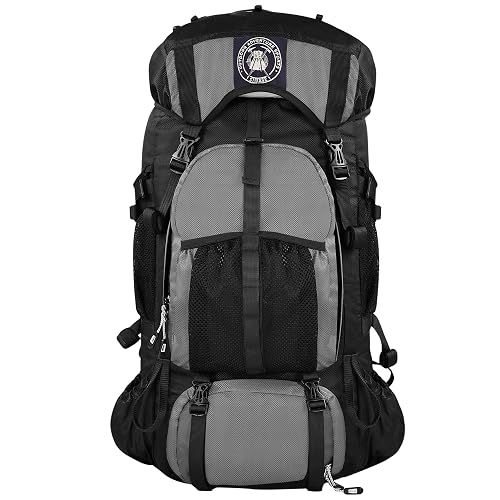
Expedition 58L Internal Frame Hiking Backpack
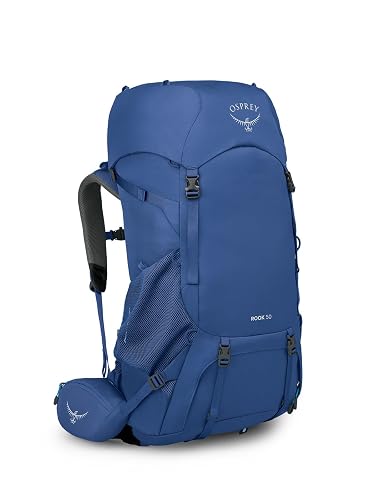
Osprey Rook 50L Men’s Backpacking Backpack
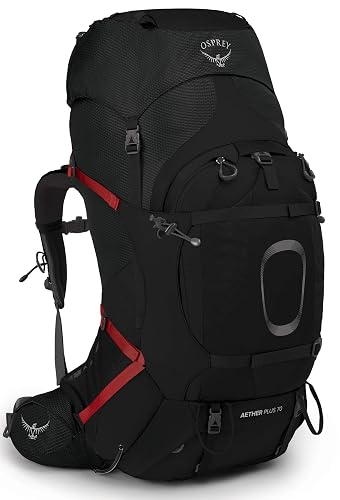
Osprey Aether Plus 70L Men’s Backpacking Backpack
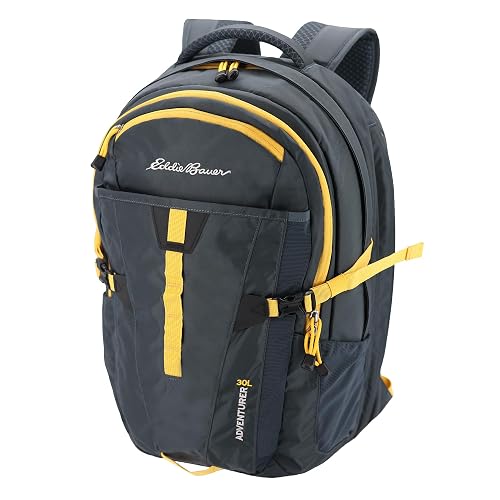
Eddie Bauer Adventurer Backpack 30L
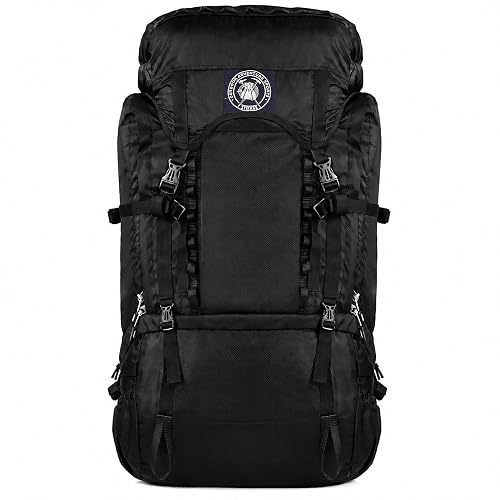
SuperSonik 72L Internal Frame Hiking Backpack
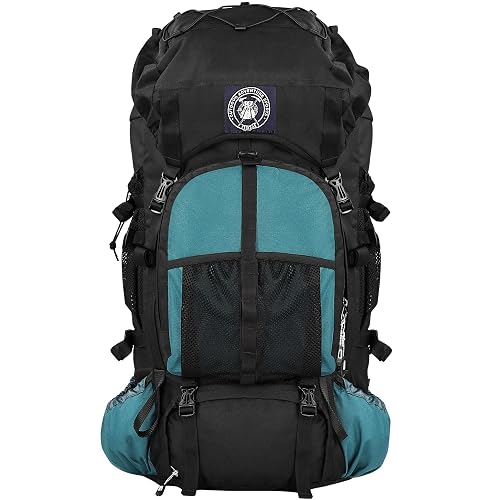
Expedition 80L Internal Frame Hiking Backpack

Military Tactical Backpack 40L Molle
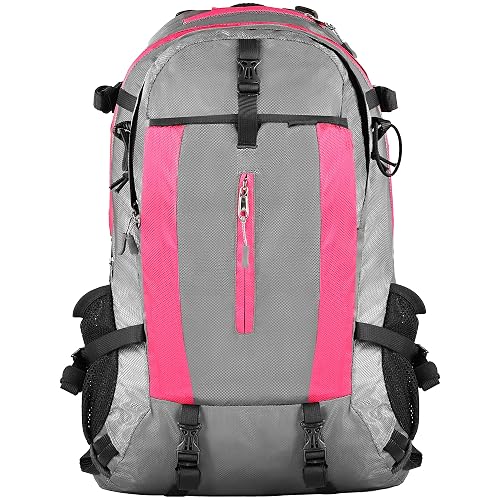
Nomad 30L Lightweight Carry-On Hiking Backpack
More Details On Our Top Picks
The Expedition 58L sits right in the sweet spot for hikers who want one pack that handles weekend trips and shorter multi-day routes without feeling oversized. A curved internal frame, reinforced by twin aluminum rods, transfers weight toward your hips instead of letting it tug at your shoulders.
The adjustable back system lets you dial in torso length so the load sits where it should, which matters most when you’re grinding out a long climb with thirty pounds strapped on. For most weekend warriors, this capacity covers a tent, sleeping bag, pad, and layers with room for a couple of days of food.
Useful Touches
- Internal frame with twin aluminum rods keeps the pack stable under load
- Adjustable back panel fits a range of torso lengths
- Water-resistant shell handles light rain and trail moisture
- 58L volume suits three-season weekend to multi-day trips
Things To Consider
- Water resistance handles drizzle but not sustained downpours, so a pack liner is worth adding
- Zippers and stitching tend to need a careful inspection after heavy brush use
Key Specs
Who It Suits Best
Weekend and multi-day backpackers who want one dependable 58L pack for varied terrain and three-season conditions.
Where Another Pick Suits Better
Trekkers packing for a full week should look at the SuperSonik 72L, which offers more room for bulkier cold-weather gear.
Osprey’s Rook 50 is the pack most first-timers end up trusting, and for good reason. The AirSpeed suspension, a mesh tensioned back panel that creates a channel of airflow between your back and the pack, takes the edge off sweaty climbs.
The injection-molded ladder lock lets you adjust torso length without yanking straps through complicated webbing, which is a small thing until you’ve tried fitting a cheaper pack at a trailhead. An integrated raincover lives in its own pocket, so sudden showers don’t catch you fumbling with plastic bags.
The Helpful Details
- AirSpeed suspension improves airflow on warm climbs
- Simple torso adjustment speeds up fitting
- Integrated raincover saves space and weight
- 50L volume covers most two-to-three-day trips
Points To Keep In Mind
- The 50L capacity may feel tight on longer expeditions with bulky winter gear
- Hood and hipbelt pockets are useful but limited compared to larger Osprey models
Made For
New backpackers who want a forgiving fit, predictable organization, and a pack that grows with their skills.
Consider Something Else When
Heavier loads on week-long routes will be more comfortable in the Osprey Aether Plus 70L with its sturdier hipbelt.
The Aether Plus 70 is the pack you reach for when food, fuel, and a four-season tent add up to a serious load. Its Custom Fit-on-the-Fly hipbelt and shoulder straps adjust independently, which is rare and genuinely useful for dialing in a precise feel.
The removable top lid converts into a DayLid daypack for side trips from basecamp, a clever trick that saves you from carrying a second small pack. An included raincover and Stow-on-the-Go trekking pole attachments round out the feature set.
What Pays Off
- Adjustable hipbelt and shoulder harness fine-tune the carry under load
- Top lid doubles as a small daypack for excursions
- Stow-on-the-Go trekking pole holders keep your hands free on climbs
- 70L volume swallows a week’s worth of gear and food
- Built-in raincover deploys fast when weather turns
Honest Caveats
- Empty pack weight is heavier than minimal ultralight options
- Bulkier profile can feel unwieldy on narrow brushy trails
Feature Snapshot
Right Fit For
Experienced backpackers hauling heavy, bulky loads on multi-day routes, including winter trips.
Skip It When
Day hikers and short-trip travelers will find more useful capacity in the smaller Nomad 30L with its carry-on-friendly shape.
The Eddie Bauer Adventurer 30L bridges trail and town better than most packs this size. A 420D nylon shell, with a water-repellent finish, shrugs off drizzle and resists abrasion on rocky approaches.
Fleece-lined pockets protect sunglasses and electronics, while a dedicated hydration or laptop sleeve lets you swap a water bladder for a 15-inch device on a travel day. The cooling back panel keeps airflow moving when the day heats up.
Useful Highlights
- 420D fabric with water-repellent finish handles light rain
- Fleece-lined pockets protect optics and screens from damage
- Hydration/laptop sleeve swaps between trail and travel use
- Cooling back panel channels air across your back
Worth Noting
- 30L capacity is too small for overnight or multi-day trips
- Lacks an internal frame, so heavy loads ride less comfortably than framed packs
Perfect Match For
Day hikers, commuters, and travelers who want one bag that handles short trails and city days alike.
A Better Fit Elsewhere
Backpackers needing real overnight capacity should step up to the Osprey Rook 50L with its dedicated frame and raincover.
The SuperSonik 72L shares the Stikage family DNA with the 58L and 80L packs but carves out its own niche at a generous capacity. The same curved internal frame and twin aluminum rods handle heavier loads without bowing under the weight.
A multi-position adjustable back panel customizes the fit for different torso lengths, which is the kind of detail that separates comfortable all-day carry from an aching back at mile twelve. Trekkers carrying winter kit or shared group gear will appreciate the extra volume.
Features That Help
- Curved internal frame with twin aluminum rods for stable carry
- Multi-position torso adjustment fits a range of body sizes
- 72L capacity handles winter trips and shared group loads
- Compatible with trekking, mountaineering, and multi-day backpacking
Trade Offs
- Larger frame is overkill for quick overnight trips
- More capacity means more temptation to overpack
Best Suited To
Thru-hikers and expedition backpackers packing cold-weather clothing, technical gear, and several days of food.
Look Elsewhere When
Casual weekend hikers may prefer the simpler fit and lower weight of the Expedition 58L.
The Expedition 80L is the largest pack in this roundup, built for trips where food, fuel, and shelter add up fast. The aluminum-reinforced curved frame keeps the load stable across long approaches, which matters most when you’re crossing uneven terrain with sixty-plus pounds strapped on.
The same adjustable back system found on the 58L and 72L versions means you can fine-tune the torso fit for comfortable all-day carry. For most hikers, this much volume only makes sense on winter expeditions, basecamp drops, or extended wilderness routes.
Practical Advantages
- 80L capacity handles winter expeditions and basecamp resupply
- Twin aluminum rods reinforce the curved frame under heavy load
- Adjustable back system customizes fit across body sizes
- Water-resistant shell protects gear from snow and rain
Room For Improvement
- Bulky profile can feel awkward on narrow single-track
- Empty pack weight is heavier than smaller capacity alternatives
Who Should Grab It
Winter campers, expedition leaders, and hikers tackling extended routes where food and fuel bulk up the load.
Another Choice May Suit
Three-season travelers will find more manageable weight in the Osprey Aether Plus 70L with similar volume.
The NWT XPEDITION tactical pack leans into utility rather than ultralight design. Molle webbing across the exterior accepts modular pouches, so you can customize the carry for range days, fishing trips, or hauling electronics.
At 40L with dimensions around 12.6 by 9.6 by 19.6 inches and a 3.2-pound empty weight, it slots between a daypack and a full backpacking pack. The multi-pocket compartment layout keeps gear organized in ways a single cavernous bag can’t match.
Why It Works Well
- Molle-compatible exterior accepts modular add-on pouches
- Multi-pocket layout keeps gear separated and accessible
- Foam-padded shoulder pocket holds a phone within quick reach
- 40L capacity bridges daypack and overnight use
- 3mm precision stitching holds up under heavy loads
- Affordable option for utility-focused users
Softer Spots
- No hydration bladder included despite the dedicated sleeve area
- Tactical styling looks out of place on casual trails or in offices
Whose Shelf It Belongs On
Range-goers, anglers, and utility-focused users who want modular storage and don’t mind a rugged look.
Reach For A Different Pick When
Hikers planning multi-day routes will get more comfort from the Osprey Aether Plus 70L and its adjustable suspension.
The Nomad 30L pulls double duty between trailhead and airport gate. A curved internal frame with twin aluminum rods is uncommon in packs this compact, and it shifts weight to where your hips can handle it on longer day hikes.
The padded laptop sleeve doubles as a hydration bladder pocket, so swapping between work commute and weekend trail takes seconds. Carry-on compliant sizing means you can roll it under a seat without checking a bag.
Strong Points
- Internal frame uncommon at 30L improves load balance
- Padded sleeve fits a laptop or hydration bladder
- Carry-on size avoids checked bag fees on most airlines
- Trail-to-travel hybrid cuts down on packing redundancy
Less-Strong Areas
- 30L is too small for overnight camping trips
- Carry-on framing can feel snug on taller torsos
Quick Facts
Built With In Mind
Hybrid travelers and day hikers who want one pack for trails, airports, and city commutes.
Swap It Out When
Backpackers planning multi-day routes will find better fit and capacity in the Expedition 58L.
What To Weigh Before Choosing Your Next Backpacking Backpack
Picking a pack is mostly about matching suspension and capacity to how you actually hike. Get those wrong, and even the nicest fabric feels miserable after ten miles.
Capacity That Matches Your Trip Length
The 30L packs work for day hikes and travel, 50L handles two-to-three-day weekends for most hikers, and 70L plus covers week-long routes with cold-weather gear. Match liters to nights out, not to your wish list.
Suspension and Frame Type
An internal frame uses aluminum or composite rods inside the pack to transfer weight toward your hips, which is essential for any load over twenty pounds. Frameless daypacks flex more and weigh less, but they buckle under heavy gear. Look for adjustable torso length so the weight sits on your hips instead of your shoulders.
Fit and Adjustability
A pack that fits a friend perfectly may not fit you at all. Adjustable hipbelts, shoulder straps, and torso panels let you dial in the carry, which matters most for multi-day trips where small pressure points turn into real pain.
Hydration and Organization
Hydration compatibility (a sleeve that holds a water bladder with a drinking tube routed over the shoulder) is standard now, but pocket layouts vary. Hipbelt pockets, stretch side pouches, and lid compartments each serve different habits. For most hikers, a balance beats a pack that’s all cavernous main compartment with no organization.
Key Considerations Across These Picks
Common Shopping Slip Ups
The most frequent mistake is buying a pack by liter count alone. A 70L pack that’s poorly fitted transfers less weight than a well-fitted 50L, so torso adjustment matters more than nominal capacity for most backpackers. Another trap is chasing ultralight weight without considering durability, since thin fabrics fail fast on brushy trails.
Why Top Tier Costs More
Premium packs justify their higher cost through better suspension systems, more adjustable components, and stronger fabrics. The Osprey Aether Plus uses independently adjustable hipbelt and shoulder harness parts that simply aren’t present on entry-level packs. You pay for materials that hold up over years of rough use, plus features like removable daypack lids and included raincovers that budget packs usually skip.
Frequently Asked Questions
How do I choose the right pack size for backpacking?
Match liters to the length of your trip. A 30 to 50L pack handles most two-to-three-day weekends for one person, while 60 to 80L suits week-long routes, winter camping, or trips carrying group gear.
What is an internal frame backpack?
An internal frame pack has aluminum or composite rods sewn inside the pack body, hidden from view. These rods transfer load to your hips and keep the pack stable on uneven terrain, making them the standard for any trip with more than twenty pounds of gear.
Can a 30L pack work for backpacking?
A 30L pack works for ultralight overnight trips or fastpacking where you carry minimal shelter and food. For most backpackers carrying a tent, sleeping bag, and pad, 50L is a more comfortable starting point.
How important is an adjustable torso fit?
Very important for multi-day trips. An adjustable torso length lets the hipbelt sit at the right height to bear the load, which prevents shoulder strain on long climbs and descents.
Do I need a raincover for my backpacking pack?
Most internal frame backpacks benefit from a raincover for sustained rain, since water-resistant fabric handles drizzle but not downpours. Some packs include integrated covers; others require a separate purchase or a pack liner.
The Takeaway
A good backpacking backpack matches capacity to your trip length, suspension to your load, and torso fit to your body. Start with the volume you actually need, then prioritize adjustable fit over features you won’t use. The eight packs above cover most hiking styles, from quick day hikes to full winter expeditions, so the right choice comes down to how far and how heavy you plan to carry.