
A solid daypack does more than hold gear; it shapes how the trail feels. The wrong bag bounces on every step and pinches by midday, while the right one disappears on your back and keeps water, layers, and snacks exactly where you need them. With hundreds of daypacks on the market, the challenge is finding one that matches your route, climate, and gear habits without overpaying for features you won’t use.
A Quick View Of The Lineup
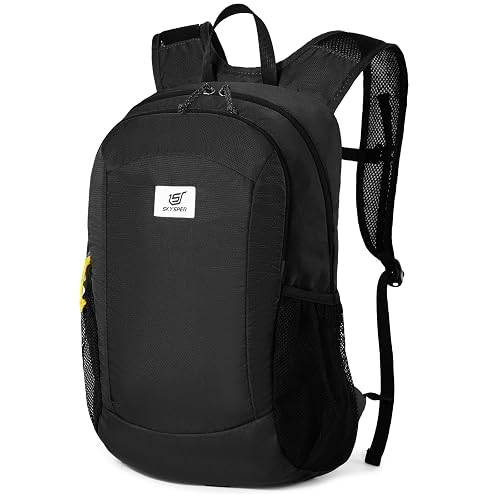
SKYSPER Ultralight Packable RFID Daypack 16L
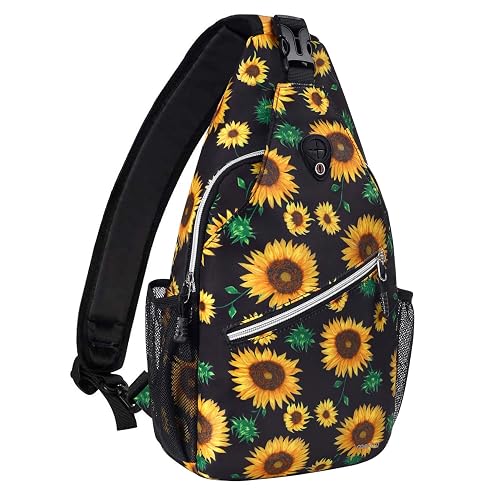
MOSISO Crossbody Sling Travel Daypack
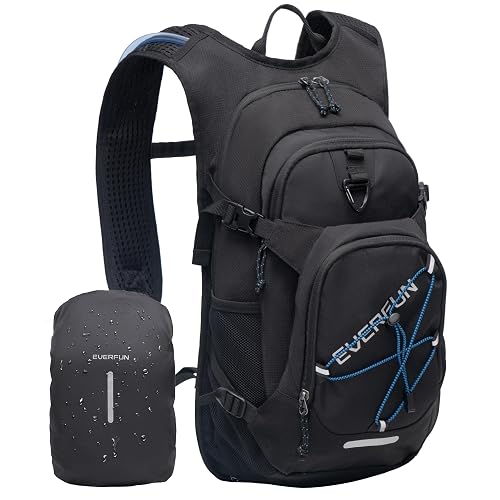
Everfun 18L Hydration Backpack with Bladder

YETI Crossroads Backpack
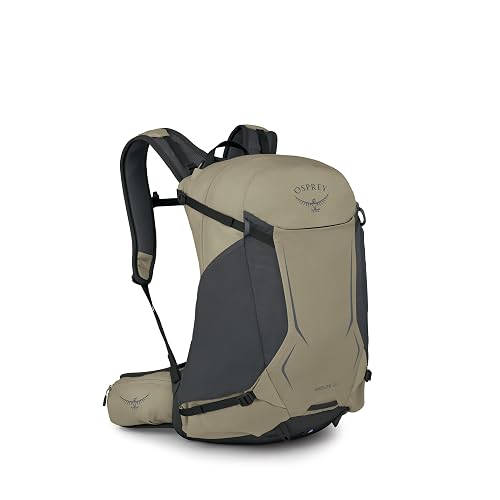
Osprey Hikelite 28L Hiking Backpack

10L Lightweight Hiking Daypack
More On The Choices That Made The List
The SKYSPER Ultralight Packable RFID Daypack earns its spot as a travel-first daypack. RFID shielding refers to a lining that blocks radio-frequency scanning of credit cards and passports; here, that lining sits inside dedicated pockets, which matters when you move through airports, train stations, and crowded markets.
The whole bag folds into its own stuff sack (a built-in pouch the bag packs down into for storage), which makes it a smart backup companion next to a roller or a larger pack. Sixteen liters handles a layer, snacks, a water bottle, and a tablet. You can clip it on for a long walk or keep it tucked inside a suitcase for unexpected day trips.
Where It Excels
- RFID-blocking pockets add a real layer of protection against contactless theft in transit hubs.
- Packs down into its own pouch, leaving room in your main luggage for souvenirs or extra shoes.
- Lightweight nylon construction stays comfortable during long walking days without weighing you down.
- Sixteen-liter capacity holds daily essentials plus a light jacket without feeling oversized.
Trade-Offs Worth Knowing
- The thin nylon shell handles light loads well, though rougher trails may show wear faster than a thicker pack.
- Minimal padding on the straps means heavier contents can dig into shoulders over many hours.
Feature Snapshot
Who It Suits Best
Travelers who want a stashable daypack for airports, sightseeing, and casual urban trails benefit most.
Consider Something Else When
Trail hikers tackling rough terrain should reach for the Osprey Hikelite 28L Hiking Backpack, which offers more support and structure.
The MOSISO Crossbody Sling is a single-strap backpack that swings from your back to your chest with a quick pull. That design pays off in cities and crowded markets where you want your phone, wallet, or camera within reach without taking the pack off.
Compared to the SKYSPER bag above, this one trades RFID tech for a streamlined sling silhouette. It feels less like a hiking pack and more like a daily carry item that doubles as a trail companion for short, casual walks and travel days.
A Few Highlights
- Single-strap sling rotates to your front for fast access to phone and passport without removing the pack.
- Compact footprint stays out of the way on busy sidewalks and crowded transit.
- Lightweight shell is easy to wear for hours during sightseeing or city walking.
Points To Consider
- One-strap carry can fatigue one shoulder faster than a two-strap pack on longer routes.
- Smaller volume means layering for cold-weather hikes may not fit comfortably.
- The slim build lacks internal frame support, so heavy loads sit closer to your back.
Made For
Urban explorers and travelers who want a low-profile sling for quick access during sightseeing days.
Look Elsewhere When
Anyone needing real trail support and hydration capacity should pick the Everfun 18L Hydration Backpack with Bladder instead.
The Everfun 18L Hydration Backpack is built around a dedicated water bladder compartment. A hydration bladder is a soft water reservoir that sits inside the pack and feeds a drinking tube over your shoulder, letting you sip hands-free while walking or running.
That setup, paired with an 18L main compartment, makes this a go-to for trail running, biking, and festival days where staying hydrated matters more than carrying a laptop. Eight functional pockets keep small items organized without digging through the main space, and an insulated sleeve helps moderate the water temperature on warm routes.
Advantages To Know
- Integrated bladder sleeve supports either a 2L or 3L reservoir, so you pick capacity based on route length.
- Insulated hydration section slows warming on summer hikes and long cycling rides.
- Multiple pockets separate snacks, keys, phone, and a first-aid kit without cluttering the main bay.
- Lightweight frame keeps the pack stable during running and faster-paced movement.
Honest Caveats
- The bladder adds bulk and weight; owners commonly note the pack feels heavier than its size suggests when fully loaded.
- Cleaning the bladder and tube takes extra effort, since most reservoirs need regular sanitizing to stay fresh.
Feature Rundown
Best Suited To
Runners, cyclists, and festival-goers who want hands-free hydration and organized storage for active days.
Skip It When
Travelers wanting a packable backup bag will get more mileage out of the SKYSPER Ultralight Packable RFID Daypack 16L.
The YETI Crossroads is a 35-liter daypack that opens clamshell-style, meaning it unzips flat like a suitcase for easy packing. Compared to the smaller picks above, this one is sized for long days where you’re hauling extra layers, a meal, or camera gear.
The build feels closer to YETI’s cooler construction than to a featherweight trail pack. Heavy-duty fabric and structured panels give the bag its shape even when half-empty, which matters when you load it with tools, tech, or travel kit. It also has a luggage pass-through, a panel on the back that slides over a roller bag handle, for moving through airports with a roller.
The Good Stuff
- 35L capacity swallows a full day of food, layers, and electronics without strain.
- Clamshell opening lets you pack flat and find items without unpacking the whole bag.
- Luggage pass-through simplifies airport travel when paired with a roller bag.
- Structured panels protect contents and keep the bag standing upright when set down.
Some Limits To Know
- Larger volume and stiffer build make it heavier than ultralight picks like the SKYSPER daypack.
- Higher price point means the value shows most on days you actually fill the capacity.
- Bigger profile can feel bulky on narrow singletrack trails or quick neighborhood walks.
Feature Snapshot
Whose Shelf It Belongs On
Heavy users and travelers who pack for long days, work trips, or gear-heavy outings will get the most from this bag.
Swap It Out When
Fast hikers chasing a lightweight carry should consider the Osprey Hikelite 28L Hiking Backpack for trail-focused trips.
The Osprey Hikelite 28L is a trail-tuned daypack with Osprey’s AirSpeed suspension, a tensioned mesh backpanel that creates a gap between the pack and your back for airflow. That ventilation matters most when temperatures climb or your pace picks up.
Twenty-eight liters gives you space for a rain shell, lunch, water, and a light first-aid kit without ballooning the silhouette. A built-in raincover deploys from a dedicated pocket when weather shifts, and the padded hipbelt (the strap that wraps your waist to transfer load off your shoulders) includes pockets for snacks or a phone.
Real Benefits
- AirSpeed mesh keeps airflow moving across your back during warm hikes and fast ascents.
- 28L capacity balances storage with a streamlined silhouette that doesn’t snag on brush.
- Integrated raincover stows neatly and deploys fast when storms roll in.
- Padded hipbelt with pockets shifts weight off shoulders and keeps snacks in reach.
Small Caveats
- Hipbelt pockets feel snug for larger smartphones, so check your device fit before committing.
- Specialized trail features add cost that casual users may not fully use.
Feature Rundown
Who Should Grab It
Active trail hikers and fast movers who want ventilation, support, and weather coverage in one bag.
Reach For A Different Pick When
Urban commuters chasing a clean, office-friendly look will prefer the YETI Crossroads Backpack for its structured travel design.
The 10L Lightweight Hiking Daypack keeps things small and simple. Ten liters is enough for a water bottle, a snack, a thin layer, and a phone, which covers neighborhood loops, short nature walks, and quick errands where a full pack would feel excessive.
Compared to the 16L SKYSPER pack at the top of this list, this one shaves capacity and structure for a more minimal carry. The lightweight build suits walkers who don’t need frame support or technical features and just want a comfortable bag for short outings.
Everyday Wins
- Compact 10L size stays out of the way on quick walks and short outings.
- Lightweight construction keeps the bag itself from adding noticeable weight.
- Simple layout works for beginners who don’t need technical compartments.
What To Weigh
- Limited volume rules out full-day hikes that require extra layers, food, and gear.
- Minimal padding means heavier contents can feel less comfortable against your back.
Perfect Match For
Casual walkers and beginners who want an easy, low-bulk bag for short routes and everyday outings.
A Better Fit Elsewhere
Anyone planning longer hikes with more gear should pick the Osprey Hikelite 28L Hiking Backpack for its superior support and capacity.
Factors To Consider When Choosing Backpacks For Day Hiking
Capacity and Trip Length
Ten to twenty liters covers short loops and travel days, while twenty-five to thirty-five liters handles full-day adventures with extra layers and food. Match the bag to your longest typical outing rather than your shortest, since overstuffing a small pack ruins comfort fast.
Fit, Suspension, and Ventilation
A tensioned mesh backpanel, like Osprey’s AirSpeed system, keeps airflow moving and prevents the sweaty-back feeling on warm days. Padded hipbelts transfer weight off your shoulders, which becomes essential once you load the pack past ten pounds.
Hydration and Organization
Built-in bladder sleeves make sipping easier on runs and rides, while multiple pockets keep small items from sinking to the bottom of the main compartment. Think about whether you prefer to drink from a reservoir tube or a stored water bottle, since that shapes which pack style fits you.
Materials and Weather Protection
Lightweight nylon packs are comfortable but show wear faster on rocky trails, while heavier fabric bags like the YETI Crossroads handle rough handling and heavier loads. Built-in raincovers or coated fabric (fabric treated with a water-resistant layer) add peace of mind in unpredictable weather without buying a separate cover.
Key Things To Remember Across These Picks
Common Slip Ups Shoppers Hit
One trap is choosing capacity based on the trail you want, not the trail you actually hike. A 35L pack sounds appealing, but on a two-hour neighborhood loop it just adds bulk and weight. Another mistake is ignoring suspension; a roomy pack without hip support will wear you down long before the trail does.
Where The Extra Money Goes
Higher-tier picks like the YETI Crossroads and Osprey Hikelite invest in tougher fabric, structured backpanels, and proven suspension systems. That extra cost pays off when you carry heavier loads, hike in variable weather, or use the pack weekly. For occasional short walks, a budget-friendly 10L or 16L option handles the job without the premium build.
Frequently Asked Questions
What size daypack do most hikers need?
Most day hikers find 20 to 30 liters hits the sweet spot, holding layers, food, water, and a first-aid kit without feeling oversized. Shorter routes can get by with 10 to 16 liters, while longer or gear-heavy days may push you toward 30 to 35 liters.
Are hydration backpacks worth it for casual hiking?
Hydration packs shine for running, biking, and warm-weather routes where sipping on the move matters. For slower-paced walks with planned water breaks, a bottle-friendly pack like the YETI Crossroads or Osprey Hikelite works just as well.
How important is a hipbelt on a daypack?
A padded hipbelt shifts load off your shoulders and improves stability on uneven terrain. Lightweight packs under 15 pounds can skip one, but anything heavier benefits from the support.
Can I use a travel daypack for hiking?
Travel-friendly bags like the SKYSPER pack work well for casual trails and city walks, though they lack the suspension of trail-specific packs. For longer or rougher routes, a hiking-focused pack handles the load better.
How do I clean and maintain a hiking daypack?
Empty all pockets, shake out debris, and hand-wash the pack with mild soap and water. Air-dry it fully before storage, and clean hydration bladders separately with a bladder-safe cleaning solution to prevent mold and odors.
Closing Remarks
Your trail, climate, and gear habits matter more than any brand label. Match the pack to your longest typical outing, pay attention to how it sits on your back, and pick the features you’ll actually use. The right daypack fades into the background and lets the hike take center stage.