
A solid daypack shouldn’t feel like a compromise, yet it often does. You want a hiking backpack that carries water, snacks, and a shell without bouncing, sagging, or soaking through the first downpour, all without draining your wallet. The ten hiking backpacks under 100 below cover the realistic range: ultralight stuff sacks for summit pushes, roomy 40 to 50 liter haulers for overnight trips, and a few that split the difference. Each one leans into a different strength, and the trade-offs are honest.
The Lineup, Simplified
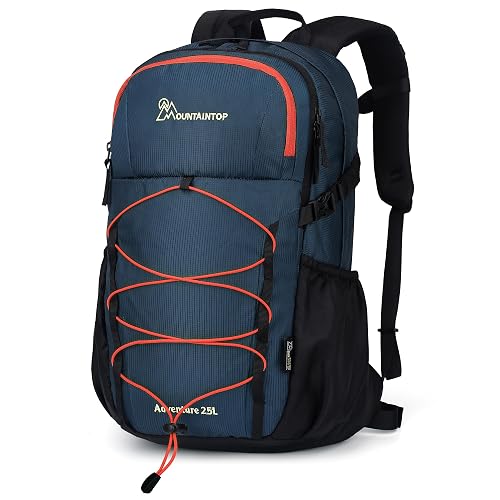
MOUNTAINTOP 25/30L Lightweight Hiking Backpack
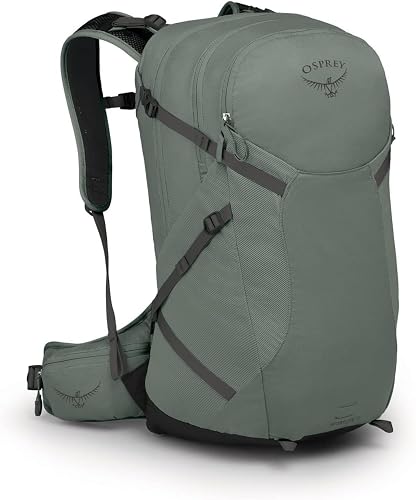
Osprey Sportlite 25L Lightweight Hiking Backpack
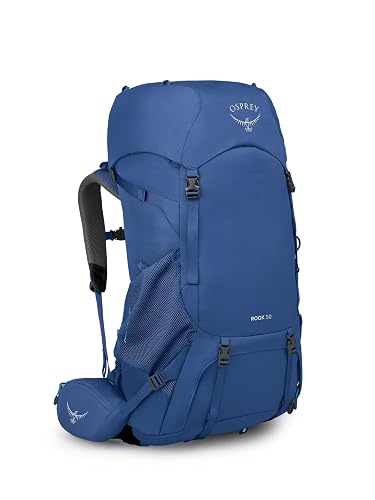
Osprey Rook 50L Men’s Backpacking Backpack
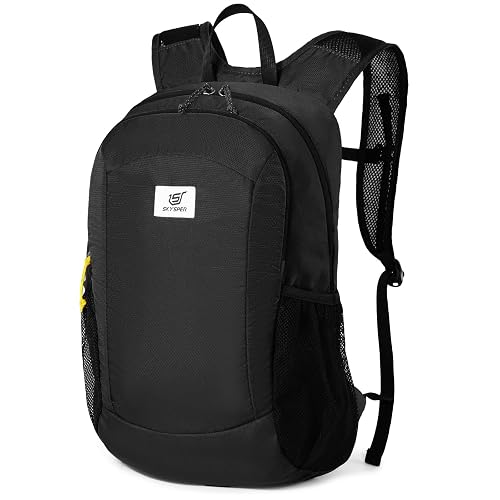
SKYSPER Ultralight Packable RFID Hiking Backpack 16L
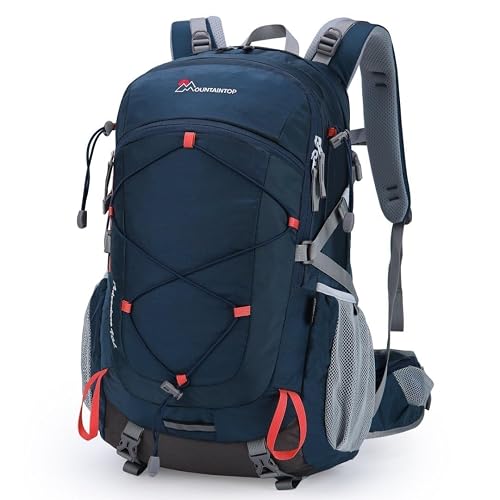
MOUNTAINTOP 40L Lightweight Hiking Backpack
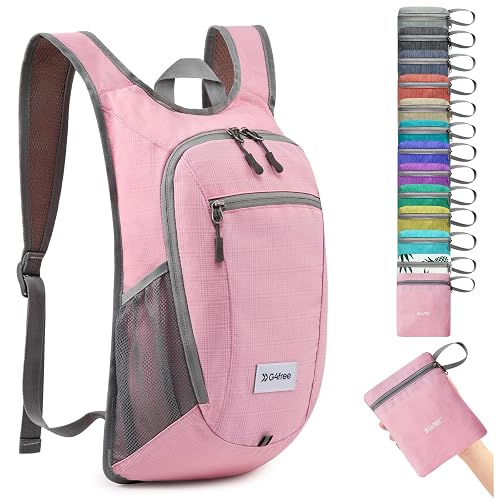
G4Free 10L/15L Packable Hiking Daypack
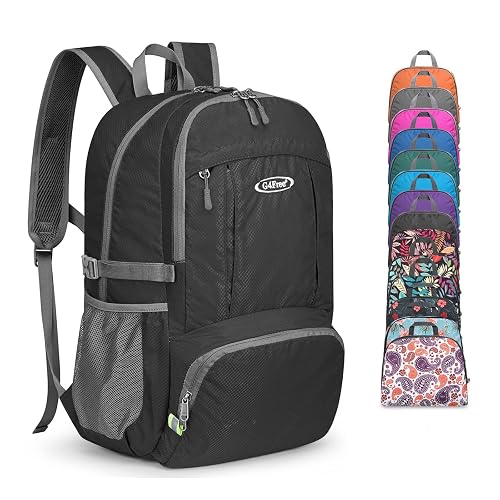
G4Free 40L Packable Waterproof Hiking Backpack
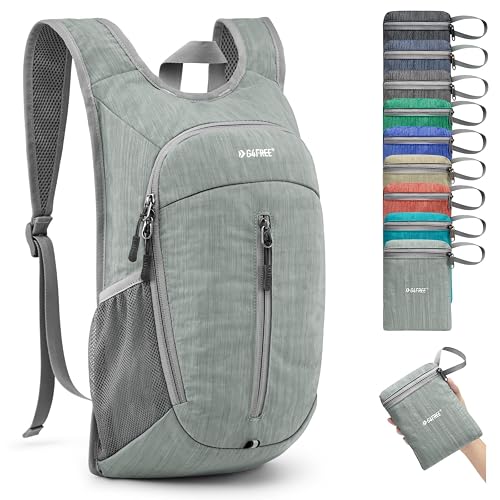
G4Free 10L Packable Travel Hiking Daypack
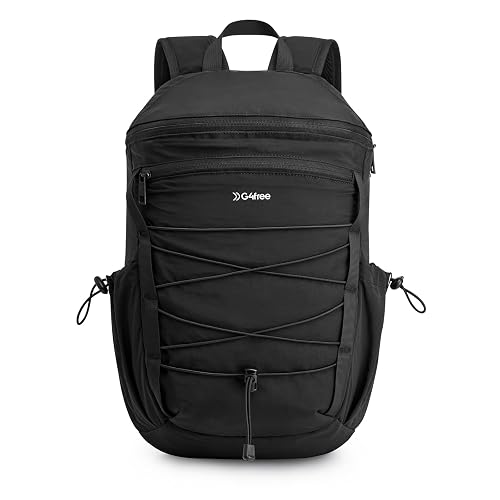
G4Free 20L Hiking Travel Backpack
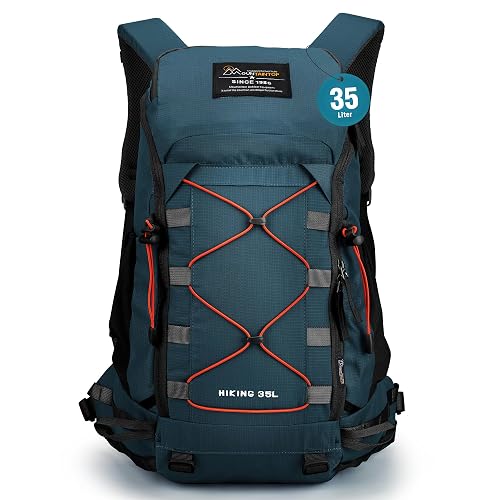
MOUNTAINTOP 35L Hiking Backpack with Rain Cover
Inside Each Recommended Option
The MOUNTAINTOP 25/30L lands at the top of the list because it threads a needle many packs in this price tier miss: it adapts to your day rather than forcing your day to fit the pack. The dual sizing option is genuinely useful for hikers who split their time between a quick ridge walk with a water bottle and shell, and longer loop hikes that demand extra room for a layer and lunch.
For commuters who want one bag to cover both the trailhead and the train platform, the lightweight shell and stripped-down silhouette keep it from looking like technical gear. The honest read is that this is a versatile workhorse rather than a specialist. It won’t match the ventilation of the Osprey Sportlite 25L you’ll see later, but it gives you more room and a lower entry point.
What Helps Most
- Dual capacity lets you size up or down depending on trip length, a real perk for mixed-use owners.
- Lightweight construction means the pack itself stays out of the way on longer miles.
- Daypack form factor transitions cleanly from trail to office or weekend travel.
- Wide-opening main compartment simplifies packing layers and gear without wrestling zippers.
Small Caveats
- Lacks the breathable back panel you’d want on humid, high-output days.
- Not designed for overnight loads, so a sleeping bag won’t fit comfortably inside.
Who It Suits Best
Day hikers and commuters who want a single pack that covers quick trail outings and weekday carry without swapping bags.
Where Another Pick Suits Better
Choose the Osprey Sportlite 25L if you run hot on the trail and need a back panel that actually breathes.
Where the MOUNTAINTOP 25/30L above leans into flexibility, the Osprey Sportlite 25L leans into fit. Osprey built this one around the AirScape back panel, a foam-and-mesh system designed to create a small air gap between your back and the pack. On a hot summer ridge walk, that gap is the difference between finishing strong and finishing soaked.
The clean internal layout also helps. Panel-loading access means you aren’t digging through the bag from the top down to find a buried rain shell. For hikers who run warm, sweat through shirts, or just hate the clammy back syndrome, this is the pack to shortlist.
Useful Touches
- AirScape back panel promotes airflow, a real benefit on steep, sweaty climbs.
- Panel-loading design means the whole main compartment opens flat for easy access.
- Available in men’s and women’s fits with multiple torso sizes, which most budget packs skip.
- Hip belt stabilizes the load on technical terrain.
Trade Offs
- Higher price than most 25L daypacks in this category.
- No built-in rain cover, so you’ll want to add one for shoulder-season storms.
Key Specs
Built With In Mind
Hot-weather hikers and anyone whose current pack leaves a sweaty patch down the middle of every shirt.
Look Elsewhere When
Skip it for the MOUNTAINTOP 35L if you regularly carry a laptop or camera gear and want the extra room without a price jump.
The Osprey Rook 50L is the only pack in this lineup that genuinely belongs in the overnight and multi-day category. At 50 liters, it holds a sleeping bag, pad, shelter, food, and layers for two to three nights without forcing you to strap everything to the outside. That’s a meaningful difference for anyone moving from day hikes to real backpacking.
The integrated rain cover, AirSpeed-style suspension, and ladder-lock torso adjustment tell you Osprey is treating this as a serious piece of gear rather than a budget placeholder. For new backpackers who want one pack that scales up as their ambitions do, the Rook is the most obvious long-term investment on this list.
A Strong Showing
- 50-liter capacity handles multi-day loads including shelter and sleeping system.
- Adjustable AirSpeed suspension keeps heavier loads stable over long miles.
- Built-in rain cover deploys from a dedicated compartment when weather turns.
- Ladder-lock torso adjustment dials in the fit for different body sizes.
Worth Bearing In Mind
- 50L is overkill for day hikes, so this is a dedicated backpacking pack.
- Heavier than the smaller MOUNTAINTOP and G4Free options when empty.
- Higher price than the rest of the list, even before adding accessories.
Whose Shelf It Belongs On
New and intermediate backpackers planning two to three night trips who want a single pack that won’t need replacing in a year.
Skip It When
Choose the SKYSPER 16L packable daypack instead if your trips stay in the day-hike zone and you mostly want something that disappears in your luggage.
The SKYSPER 16L is the most unusual pack on this list, and probably the most useful for a specific type of owner. The defining feature is the RFID-blocking pocket, designed to shield credit cards, passports, and IDs from the kind of contactless skimming that happens in crowded transit hubs. For international travelers, that’s a quiet form of insurance.
Beyond security, it folds into its own internal stuff sack and weighs very little, so you can stash it in your main luggage as a day bag for the second half of a trip. The 16L size is small for hiking, but plenty for a city day, beach run, or short nature walk.
Advantages To Know
- RFID-blocking pocket protects cards and passports from digital skimmers in airports and metros.
- Packable design folds into itself for stashing in luggage or a coat pocket.
- Lightweight nylon shell is easy to clean with a damp cloth after travel grit.
- Compact 16L capacity works well for day trips and city outings.
Possible Compromises
- 16L is too small for full-day hikes with food, layers, and a liter of water.
- No ventilated back panel, so it isn’t ideal for strenuous trail use.
Quick Facts
Right Fit For
International travelers and urban commuters who need a day bag that can be packed away in a suitcase between trips.
A Better Fit Elsewhere
Pick the MOUNTAINTOP 40L instead if you want one pack for a real trail day with room to spare for food, water, and rain layers.
The MOUNTAINTOP 40L sits in the sweet spot for hikers who want real volume without paying for a full backpacking suspension system. The water-repellent 400D polyester shell shrugs off light rain and brush scrapes, and the YKK zippers are a meaningful detail at this price: cheaper zippers are the most common failure point on budget packs.
For weekend trips where you carry shelter, food, and a sleeping bag, this 40L gives you enough room without forcing you to compress everything into a 30L. It is bulkier than the 25L and 30L MOUNTAINTOP, but for the extra capacity the price jump is modest.
Useful Highlights
- 40-liter main compartment holds a 16-inch laptop alongside trail gear, useful for travel days.
- Water-repellent 400D polyester handles light rain and trail dust.
- YKK zippers tend to outlast the generic equivalents on competing budget packs.
- Multiple compartments keep smaller items easy to find without unpacking the whole bag.
A Few Limitations
- Lacks a built-in rain cover for sustained wet weather.
- No dedicated hip belt for heavier weekend loads.
- Less ventilated back panel than the Osprey Sportlite 25L.
Who Will Love This
Weekend hikers and travelers on a budget who want one pack to cover trail days and laptop carry without juggling bags.
Not Your Match When
Step up to the Osprey Rook 50L if you need a true multi-day pack with a proper suspension and integrated rain cover.
The G4Free 10L/15L is the kind of pack you forget you own, until you suddenly need it. It folds down small enough to live in a car glove box, a day-hike hydration vest, or the bottom of a larger pack. On quick trail loops where you only carry water, a snack, and a phone, that is genuinely all the room you need.
The dual 10L or 15L size is a small but real benefit, letting you size up when an extra layer or lunch box tags along. Owners commonly report using this as a beach bag, farmer’s market tote, and emergency day pack rolled into one.
What Stands Out
- Folds flat into a tiny stuff pocket for stashing in luggage or larger packs.
- Available in 10L or 15L depending on how much room you need.
- Lightweight polyester shell handles casual use without weighing you down.
- Reinforced stitching helps the seams hold up under repeated folding and unfolding.
Honest Caveats
- No frame or back panel support, so heavier loads become uncomfortable fast.
- Not suited to multi-hour hikes with real gear.
Made For
Casual hikers, travelers, and anyone who wants a backup daypack that takes up almost no space until it is needed.
Reach For A Different Pick When
Choose the G4Free 20L Hiking Travel Backpack if you need a similar packable design with more room for a half-day outing.
The G4Free 40L earns its slot in the lineup for one specific reason: the dedicated waterproof wet pocket. The back panel houses a sealed compartment sized for wet swimsuits, damp towels, or rain-soaked layers, so your dry clothes, phone, and documents stay separated. For coastal hikes, lake swims, and tropical climates, that separation solves a real problem most packs ignore.
The 40L capacity is generous for a packable daypack, and the multi-compartment layout gives you a place for everything from a water bottle to a light shell. Compared to the MOUNTAINTOP 40L above, the trade-off is less abrasion-resistant fabric in exchange for a true wet/dry split.
Where It Excels
- Sealed waterproof wet pocket keeps damp gear away from electronics and dry clothes.
- 40-liter main capacity handles day hikes with food, layers, and a towel.
- Packable construction stows into a small footprint for travel.
- Multiple compartments keep smaller essentials organized without rummaging.
Points To Note
- Packable fabrics are less durable than the framed 40L options on heavier trips.
- No rigid back panel for support under full loads.
Feature Snapshot
Perfect Match For
Swim hikers, beach-goers, and anyone in wet climates who needs to keep damp gear away from phones, wallets, and dry layers.
Where Another Pick Suits Better
Pick the MOUNTAINTOP 40L for trail-only use where abrasion resistance matters more than a dedicated wet pocket.
For everyday errand runs and quick park walks, the G4Free 10L is the smallest of the packable options here, and that is the point. The folded footprint is roughly the size of a paperback, so it lives in a coat pocket, glove box, or the bottom of a tote until you need it. When unfolded, it expands into a 10L bag large enough for water, keys, a phone, and a light layer.
Versus the larger G4Free 10L/15L reviewed earlier, this one stays strictly compact. It is the right tool for owners who want a “just in case” pack rather than a primary hiking bag.
Notable Upsides
- Fits into a 7.5 by 6 inch folded footprint for stashing anywhere.
- 10L capacity is enough for a phone, wallet, water bottle, and a thin layer.
- Unisex design works for both casual and travel use.
- Internal storage pocket doubles as the folding pouch, so there is nothing to lose.
Points To Keep In Mind
- Limited padding means heavier contents can feel lumpy against the back.
- Not large enough for trail snacks, multiple water bottles, or layers.
Best Suited To
Casual walkers, city travelers, and anyone who wants a backup daypack that takes up almost no space in their main bag.
Swap It Out When
Choose the G4Free 20L Hiking Travel Backpack if you find 10L too tight for a real day out and want the same packable convenience with more room.
The G4Free 20L sits in the comfortable middle of the G4Free packable line. Smaller than the 40L wet-pocket model and roomier than the 10L and 10L/15L options, it covers the most common day-out scenarios without forcing you to leave something behind. For travelers who want one packable bag for both city wandering and short trail stops, 20L is a sensible size.
The casual daypack silhouette also means it doesn’t look out of place in a coffee shop or on a train. If you want one bag to cover a half-day hike plus an afternoon of errands, this is the unsung middle option.
Benefits That Matter
- 20L hits a versatile middle ground between mini packs and full daypacks.
- Packable design stows into luggage for travel days.
- Clean silhouette works for casual and outdoor settings alike.
- Lightweight shell keeps the bag itself out of your load calculation.
Details To Watch
- Packable fabrics are less abrasion-resistant than the MOUNTAINTOP 25/30L or 40L.
- Limited internal organization compared to framed daypacks.
Who Should Grab It
Travelers and casual hikers who want a single packable bag that handles both city days and short trail stops without swapping.
Another Choice May Suit
Choose the MOUNTAINTOP 25/30L if you want more durable construction and a wider range of compartments for true trail use.
The MOUNTAINTOP 35L rounds out the list by addressing the single most common daypack failure mode: getting caught in weather without protection. The integrated rain cover deploys from a hidden compartment, so you aren’t fumbling with a separate stuff sack when the sky opens up mid-ridge. That alone earns it a place on the shortlist for shoulder-season hikers.
At 35 liters, it covers the same use cases as the 40L MOUNTAINTOP above with slightly less room in exchange for the included cover. YKK zippers and buckles also help it outlast competitors that cut corners on hardware. For trail days in unpredictable weather, the honest read is that the rain cover justifies the choice.
Key Advantages
- Integrated rain cover deploys quickly for unexpected showers.
- High-wear fabric resists scratches and brush on overgrown trails.
- YKK zippers and buckles tend to outlast generic hardware on budget packs.
- Front-facing zipper provides quick access to the main compartment without unpacking.
Points To Note
- 35L is generous for a daypack but tight for true overnight trips.
- Bulkier silhouette than the packable G4Free options.
Core Details
Right Fit For
Wet-climate hikers and shoulder-season trail users who want rain protection built into the pack rather than packed separately.
A Better Fit Elsewhere
Choose the Osprey Rook 50L instead if you also need room for overnight gear and want a more advanced suspension system.
Sizing Up the Right Hiking Backpack for You
Capacity is the first decision, and it should match your longest realistic trip, not your shortest. Day hikers who only carry water, snacks, and a shell usually fit comfortably into 10 to 25 liters. If you also bring a laptop, camera, or a packed lunch, 25 to 35 liters is a safer zone. Anything 40 liters and up is moving into true backpacking territory, where you’ll need a real suspension system, a hip belt, and ideally a frame.
Fit and comfort matter more than capacity once you’re past the 20L mark. A ventilated back panel (the AirScape system on the Osprey Sportlite 25L is the clearest example in this list) makes a noticeable difference on warm days and steep climbs. A proper hip belt transfers weight off your shoulders when loads exceed roughly 15 pounds. Without those features, a bigger pack just feels bigger and worse.
Weather and durability considerations come down to material and hardware. Water-repellent polyester (a coated fabric that causes water to bead rather than soak through) like the MOUNTAINTOP 40L, or a dedicated rain cover like the MOUNTAINTOP 35L, are the practical answer for most climates. YKK zippers are worth seeking out because they tend to outlast generic alternatives, which are the most common failure point on budget packs.
Specialty features should match your actual lifestyle. RFID-blocking pockets matter for international travelers. Packable stuff-sack designs matter for people who treat their main luggage as the real pack. A dedicated waterproof wet pocket matters for swim hikes. None of those are worth paying for if they don’t fit how you use a bag.
Key Considerations Across These Picks
Where Shoppers Go Wrong
Treating capacity as the only spec. A 40L pack without a hip belt or ventilation will feel worse than a 25L pack with both, especially on longer days. Pick the volume you actually need, then prioritize fit, fabric, and hardware over raw liters.
Ignoring weather features until the first storm. Rain covers and water-repellent shells cost almost nothing when chosen up front, and far more once you’re replacing soaked gear. The MOUNTAINTOP 35L and 40L are the clearest examples in this list of packs that treat weather as a primary feature rather than an afterthought.
When Paying More Pays Off
Premium models in this category usually earn the higher price through suspension, ventilation, and material quality. The Osprey Sportlite 25L’s AirScape back panel and the Osprey Rook 50L’s adjustable suspension are the kinds of features that show up after hours of wear, not in the first five minutes. For serious trail users logging weekly miles, that comfort and durability difference is worth the extra spend. For occasional day hikers, the budget-friendly MOUNTAINTOP and G4Free options deliver genuine value without the cost jump.
Frequently Asked Questions
How big should a hiking backpack be for day hikes?
For most day hikes carrying water, snacks, a light layer, and basic essentials, 20 to 30 liters is the comfortable range. You want enough room to add a rain shell or an extra layer without compressing everything, but not so much space that the load sloshes around loose.
Are packable hiking backpacks durable enough for real trails?
Packable packs use thinner, lighter fabrics to fold down small, which means they handle casual use and light trails well but tend to wear faster than framed packs on abrasive surfaces. For most day hikes, they hold up fine; for off-trail bushwhacking, a more durable pack is the safer choice.
What is a ventilated back panel and why does it matter?
A ventilated back panel uses foam ridges, mesh, or suspended frames to keep the pack slightly off your back, allowing air to circulate. On warm days or steep climbs, that airflow reduces the sweaty back that plain panel designs cause.
Do I need a built-in rain cover?
A built-in rain cover is convenient and means you don’t have to remember to pack a separate one. If you hike in unpredictable weather or shoulder seasons, that convenience tends to pay off. If you only hike on clear summer days, a packable rain cover stored in your existing pack works just as well.
Can a daypack work for overnight trips?
Most daypacks under 35 liters cannot comfortably hold a sleeping bag, pad, and shelter alongside food and layers. The Osprey Rook 50L is the only pack in this list designed for true overnight loads, and even there, careful packing is required for longer trips.
Bottom Line
A hiking backpack under 100 should match the trip you actually take, not the trip you might take someday. Day hikers and commuters will get the most from the MOUNTAINTOP 25/30L or the Osprey Sportlite 25L, depending on how much ventilation matters. Backpackers heading out for multiple nights should look straight at the Osprey Rook 50L. Everyone else, from travelers to swim hikers to errand runners, will find a packable G4Free option that fits their real life. Pick the one that matches your mileage, your weather, and your gear, and it will earn its place in your kit for years.