
Finding the right pack changes how the trail feels. A poorly matched bag pulls at your shoulders within the first mile, while the right one disappears against your back so the climb becomes the point. Men heading out for day loops, weekend overnights, or week-long hauls need different volumes, suspensions, and fits, and the category has quietly matured with smarter ventilation and lighter frames. This list walks through eight solid picks across budgets and trip lengths, weighing capacity, suspension design, and the small details that show up after a few hours on the trail.
The Shortlist At A Glance
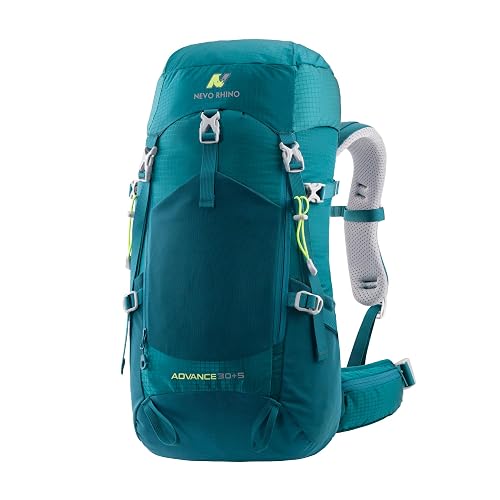
N NEVO RHINO 35L Internal Frame Backpack with Rain Cover
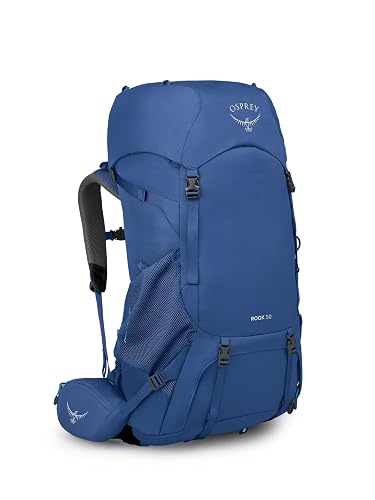
Osprey Rook 50L Men’s Backpacking Backpack (Blue)
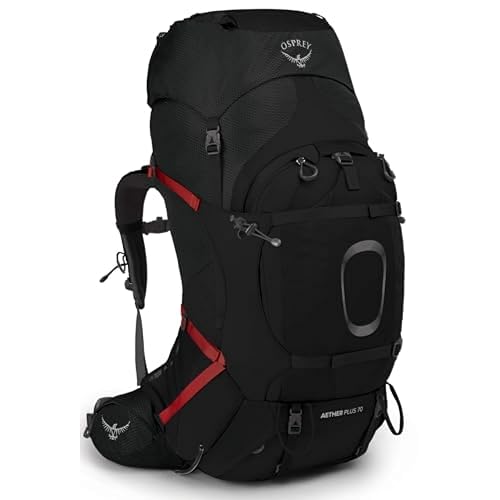
Osprey Aether Plus 70L Men’s Backpacking Backpack (Black)
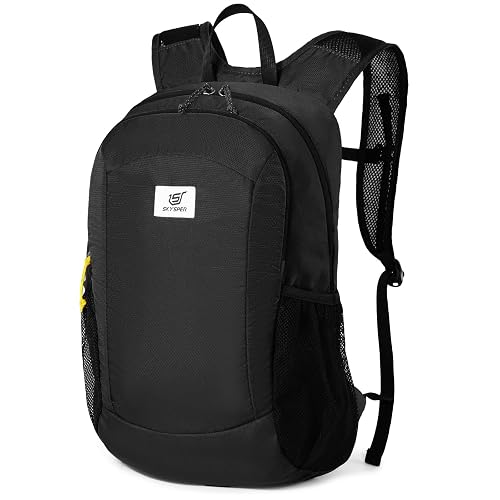
SKYSPER Ultralight Packable RFID Travel Daypack 16L
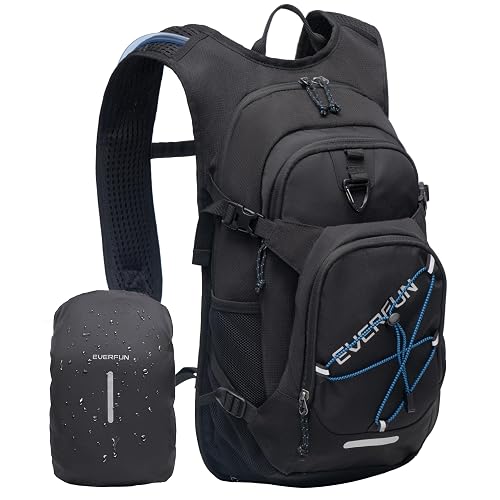
Everfun Hydration Backpack 18L with Water Bladder
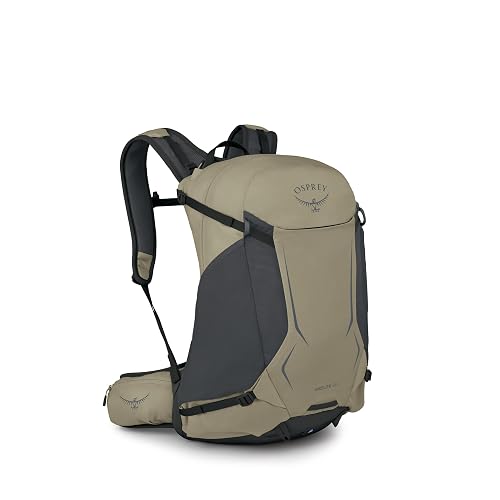
Osprey Hikelite 28L Hiking Backpack (Tan)
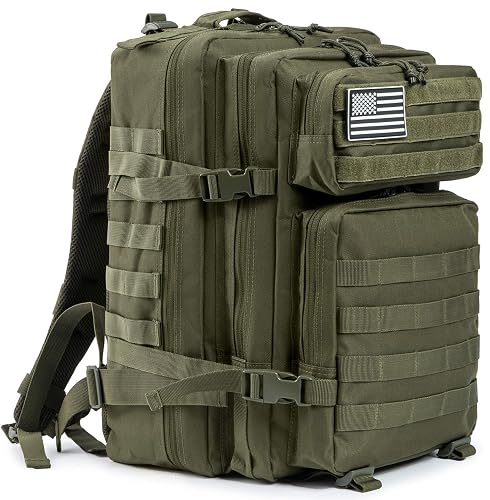
QT&QY 45L Military Tactical Backpack (Molle)

CamelBak Cloud Walker 18 Crux Reservoir Hydration Backpack
The N NEVO RHINO 35L sits in the sweet spot where weekend backpackers tend to land. Thirty-five liters is enough room for a sleeping bag, pad, food, and a shell without forcing you to compress everything down to a science. The internal frame (the rigid stays inside the pack that transfer weight to the hips) keeps the load close to your back, which helps when you’re moving through uneven terrain.
Compared to the larger Osprey options later in this list, this one is friendlier on the wallet and lighter on the shoulders for shorter trips. It’s a sensible match for newer hikers stepping up from daypack territory.
Strengths Worth Knowing
- Ripstop polyester and nylon shell holds up well against brush and abrasion.
- Built-in rain cover pouch at the bottom keeps you covered in sudden showers.
- Reinforced stress points and shoulder straps handle weekend loads without early wear.
- 35L capacity swallows one-to-two-night trips without overpacking.
Worth Noting
- Internal frame ventilation is basic; hot weather hikers may want a mesh-back option.
- Fewer external attachment points than tactical packs, so dangling items get awkward.
Right Fit For
Weekend backpackers and newer hikers who want a real overnight pack without committing to a high-end brand.
Swap It Out When
Multi-day hikers carrying heavier gear should look at the Osprey Aether Plus 70 instead, since it handles heavy loads more comfortably.
The Rook 50 is Osprey’s way of welcoming newcomers to multi-day backpacking. The 50L volume swallows enough kit for most three-season trips without turning packing into a math problem. A ladder-style torso fit system (a hook-and-loop panel letting you slide the harness up or down to match your back length) lets you dial in your fit without guessing at sizing.
It’s a logical step up from the N NEVO RHINO 35L reviewed above, trading a bit of weight savings for a more refined suspension. First-time backpackers tend to find the carry friendly even when fully loaded.
Useful Touches
- Injection-molded ladder lock torso adjustment makes fit changes quick and repeatable.
- Integrated rain cover deploys fast when storms roll in.
- bluesign certification (a textile safety standard that limits harmful chemical use) signals cleaner material sourcing.
- AirSpeed suspension keeps air moving across the back panel during long climbs.
Trade Offs
- 50L can feel bulky on day hikes where a smaller pack would breathe better.
- Hipbelt padding is functional but not plush; you’ll feel loads over 30 pounds.
Key Specs
Who Will Love This
First-time backpackers heading into three-season overnights will appreciate the forgiving fit and clean design.
Look Elsewhere When
Long-distance hikers needing week-long capacity should check the Osprey Aether Plus 70, which spreads heavy loads better.
The Aether Plus 70 is the pack you reach for when the trip gets serious. Seventy liters gives room for a week’s worth of food, a bear canister, cold-weather layers, and the small comforts that make a long trek livable. The Custom Fit-on-the-Fly hipbelt and shoulder straps let you tune the load transfer on the trail, and the removable top lid converts into a DayLid daypack (a smaller detachable pack used for side trips from base camp) for summit pushes or camp-foraging runs.
It dwarfs the Rook 50 and the smaller N NEVO RHINO 35L, but that extra volume pays off when you’re hauling real weight into remote terrain.
Why It Works Well
- Custom Fit-on-the-Fly hipbelt and harness adjust while wearing the pack.
- Removable top lid doubles as a summit pack for side excursions.
- Stow-on-the-Go trekking pole holders secure poles without removing the pack.
- Stable carry under heavy loads keeps the load close to your center of gravity.
Practical Considerations
- 70L is overkill for day hikers and quick overnights.
- Larger frame adds weight; ultralight hikers may find it overkill.
Built With In Mind
Week-long backpackers, gear-heavy winter trips, and remote routes needing bear canisters.
Reach For A Different Pick When
Casual day hikers get a friendlier fit from the Osprey Hikelite 28, which is much lighter on the back.
The SKYSPER 16L plays a different game than the rest of this list. It stuffs down to roughly the size of a softball and weighs almost nothing, making it the kind of pack you toss into a suitcase as a backup. The RFID-blocking pockets (lined compartments that shield cards and passports from wireless skimming) are a small but useful touch for crowded airports and metro rides.
It’s not built to compete with the 50L and 70L Osprey packs reviewed above, but as a secondary daypack for travel or quick trail walks, it’s a smart addition.
A Strong Showing
- Packs into its own pouch for easy stashing in luggage.
- RFID-blocking pockets protect cards and passports from wireless skimming.
- Lightweight nylon shell won’t bog down day-to-day carry.
Less-Strong Areas
- 16L is too small for any real backpacking or layering.
- Minimal suspension means heavier loads dig into shoulders fast.
Feature Snapshot
Whose Shelf It Belongs On
Frequent travelers and city walkers who want a stowable second pack.
Skip It When
Day hikers needing real load support should grab the Osprey Hikelite 28, which carries weight more comfortably.
The Everfun Hydration 18L is purpose-built for keeping water within reach without breaking stride. The included 2L or 3L bladder sits in an insulated sleeve, which slows warming on hot days, and the routed drinking tube clips over the shoulder strap for hands-free sipping. Eight pockets keep phones, snacks, and tools within easy reach on a moving trail.
Compared to the SKYSPER 16L above, this one is heavier and more structured but offers far better hydration management for long runs and bike rides.
Noteworthy Benefits
- Insulated bladder sleeve keeps water cooler in summer heat.
- Eight functional pockets keep small items organized and accessible.
- Front quick-access pouch fits phones and keys for fast grabs.
- Velvet-lined pocket prevents scratches on glasses or screens.
Points To Keep In Mind
- Bladder cleaning requires occasional thorough rinsing to prevent mildew.
- Less supportive than framed packs for general backpacking.
Feature Rundown
Right Fit For
Trail runners, cyclists, and festival goers who want water always within reach.
A Better Fit Elsewhere
Long-haul backpackers will find more support and volume in the Osprey Rook 50, since hydration alone isn’t the priority.
The Hikelite 28 is Osprey’s take on the active daypack, the kind of volume that handles a layer, lunch, water, and a few extras for a fast day on the trail. The AirSpeed tensioned mesh back panel (a suspended mesh sheet that creates space between the pack and your back for airflow) keeps air moving when the climb gets sweaty, and the panel-loading design makes packing gear less of a puzzle than top-loading alternatives.
Compared to the SKYSPER 16L, it carries weight far better and adds serious trail features; compared to the Osprey Rook 50, it leaves out the bulk.
What Stands Out
- AirSpeed tensioned mesh back panel reduces back sweat during climbs.
- Panel-loading main compartment makes packing straightforward.
- Integrated rain cover deploys fast for sudden weather.
- Padded hipbelt with pockets keeps small items close at hand.
Soft Spots
- 28L is roomy for a daypack but tight for overnight trips.
- Hipbelt padding is light; overloading causes discomfort on longer days.
Who Should Grab It
Active day hikers, gym-to-trail commuters, and anyone logging quick miles under load.
Consider Something Else When
Overnighters needing to carry a sleeping bag should pick the N NEVO RHINO 35L, which has the volume for true overnights.
The QT&QY 45L leans into the tactical end of the category. The full Molle webbing (rows of heavy-duty stitching across the outside that let you clip on compatible pouches and accessories) wraps the entire exterior, turning the pack into a modular base for adding pouches, holsters, or external carry. At roughly 18″ x 13″ x 11″, it sits between the N NEVO RHINO 35L and Osprey Aether Plus 70 in usable volume.
It’s built for users who want a configurable rig, whether that’s prepping a bug-out bag or organizing range and field gear.
Real-World Strengths
- Molle webbing across the exterior accepts modular accessories.
- Multi-layer interior compartments keep gear organized.
- 45L capacity covers three-day kits and tactical loads.
- Reinforced construction handles rough use and frequent loading.
Points To Note
- Tactical styling reads heavier than casual hikers expect.
- Hipbelt support is minimal compared to framed backpacking packs.
At A Glance
Best Suited To
Tactical users, preppers, and outdoorsmen building modular setups that change per outing.
Skip It When
Pure trail comfort seekers will prefer the Osprey Rook 50, which has a much friendlier carry.
The Cloud Walker 18 is CamelBak leaning hard into its hydration roots. The 85oz Crux reservoir (a flexible water bladder with a wide-mouth opening and a high-flow bite valve) moves more water per sip than older CamelBak designs, and the Air Support back panel uses body-mapping tech (ventilation zones placed where your back runs hottest) to keep air moving across sweaty spots. Side compression straps cinch the load tight, which keeps the bag from sloshing on the run.
Compared to the Everfun 18L earlier in this list, the CamelBak leans more refined and road-tested, though it sits at a noticeably higher price tier for similar volume.
Positive Points
- 85oz Crux reservoir delivers high-flow sips without hard sucking.
- Air Support back panel uses body mapping for targeted ventilation.
- Side cargo pockets and compression straps keep gear locked in place.
- Sustainable, durable materials hold up to repeated trail and bike use.
Things To Consider
- Reservoir cleaning requires periodic deep cleaning to avoid taste carryover.
- 18L is small for anything beyond a full day’s outing.
Made For
Long trail runs, all-day hikes, and bike rides where constant hydration matters.
Where Another Pick Suits Better
Tactical users who want modular external carry will get more out of the QT&QY 45L Molle pack reviewed above.
What Separates A Good Pack From A Frustrating One
Capacity always sounds like the headline number, but it barely tells you how the pack will carry. Match volume to your longest typical trip with a little room to spare, and you’ll rarely regret it. A 35L like the N NEVO RHINO handles overnights; 50L like the Osprey Rook covers most three-day weekends; 70L like the Aether Plus only earns its weight on week-plus routes or winter trips.
Suspension matters more than capacity once you’re past hour three on the trail. AirSpeed systems on the Rook and Hikelite move air across the back, which keeps sweat manageable when the temperature climbs. For load hauling, look for a hipbelt that actually wraps your iliac crest (the top of your hip bones) rather than floating above it.
Fit is the silent dealbreaker. Torso length, not height, determines pack size. The injection-molded ladder lock on the Rook 50 and the Custom Fit-on-the-Fly system on the Aether Plus 70 exist to solve exactly this problem: most men trying packs off the rack without dialing torso fit end up with sore shoulders by mile five.
Use case shapes the right pick more than brand ever will. A hydration-first CamelBak Cloud Walker makes sense for cyclists and trail runners, but a backpacker heading into the Sierra needs a framed pack. Material quality varies widely: tactical packs lean into abrasion resistance, daypacks lean into weight savings, and mid-range backpacking packs usually split the difference.
Pick The Volume That Fits, Not The One That Sounds Big
Most buying mistakes in this category come down to sizing, both in volume and torso length. Newcomers often buy a 70-liter pack for a day hike because it “feels safer,” then end up with a half-empty bag bouncing around their shoulders. Volume should match your longest planned trip with maybe 20% headroom, not your imagined future expedition.
Frame and suspension are the next decision point. Frameless packs like the SKYSPER 16L work for ultralight day use but break down under real loads. Internal frames (the rigid stays inside the pack that transfer weight to the hips) like the N NEVO RHINO and Osprey Rook handle weekend loads; external frames are mostly a relic now. If you’ll carry more than 25 pounds regularly, prioritize suspension over weight savings.
Pitfalls Shoppers Hit
The biggest trap is buying on capacity alone. A 70-liter pack on a day hike feels oversized and unstable, even if the price looks tempting. Conversely, stuffing a 28-liter daypack with overnight kit just creates a stretched and overloaded carry that nobody enjoys. Match the bag to the longest realistic outing.
Where The Extra Money Goes
Premium tier packs invest in suspension, materials, and fit adjustability. The jump from a budget tactical pack to the Osprey Aether Plus 70 buys a Custom Fit-on-the-Fly harness, removable DayLid daypack, and load-handling under serious weight. Higher tiers also tend to use cleaner materials with certifications like bluesign (a textile safety standard that limits harmful chemicals), which matters if you’re hard on fabrics or care about manufacturing footprint.
Frequently Asked Questions
What size backpack do most men need for day hikes? Most men day hiking fit comfortably in 20 to 35 liters, enough room for water, a layer, food, and small essentials without bulk. The Osprey Hikelite 28 and N NEVO RHINO 35L both fall right in this sweet spot.
Is a 50L backpack enough for a three-day trip? Yes, for most three-season three-day routes, 50 liters is plenty when packing efficiently. The Osprey Rook 50 handles this range cleanly for most backpackers.
Do hydration packs replace water bottles? Hydration packs complement bottles rather than fully replacing them. The CamelBak Cloud Walker 18 and Everfun 18L both hold enough water for long activity days, but many hikers still tuck a bottle into a side pocket for backup.
How do I clean a hydration bladder? Most bladders benefit from a warm water rinse after each use and a deep clean with bladder-safe tablets or diluted bleach monthly. CamelBak and Everfun both recommend letting bladders air dry upside down to prevent mildew.
Are tactical packs good for regular hiking? Tactical packs like the QT&QY 45L work fine for hiking but lean heavier and more rigid than purpose-built hiking packs. They’re best when you want modular external carry rather than pure trail comfort.
Bottom Line
The right pack disappears on the trail, and the wrong one announces itself by mile two. Match volume to trip length, dial the torso fit, and pick suspension that handles your typical load. The eight packs above cover most realistic uses, from travel backups to week-long expeditions, and any of them earns its place when matched to the right outing.