
A solid hydration pack quietly changes a trail day. Water stays within reach, snacks find a home, and your shoulders stop complaining halfway up the climb. The trick is matching the pack’s volume, fit system, and reservoir size to how far and how hard you actually move outside.
A Fast Comparison Of The Options
A Fast Comparison Of The Options
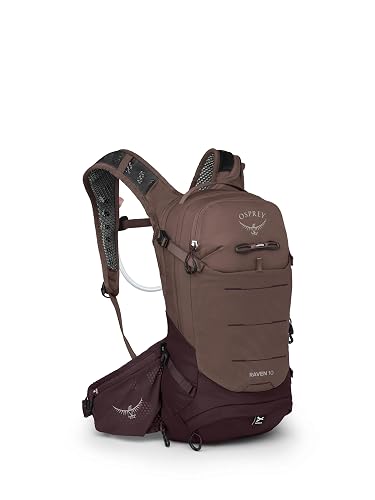
Osprey Raven 10L Women’s Mountain Biking Backpack

SOG Opcon Hydration Day Pack 2L Reservoir
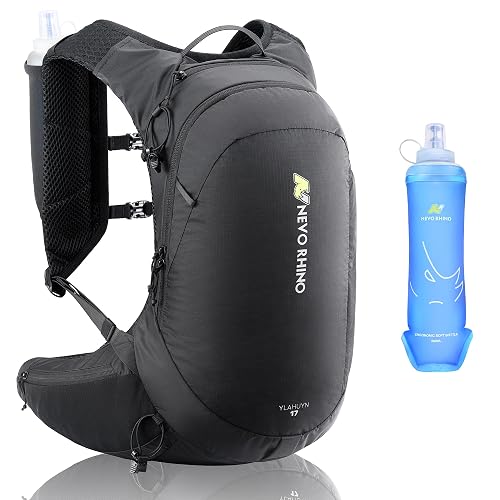
N NEVO RHINO 17L Hydration Backpack with 500ml Flask

MARCHWAY Tactical Molle Hydration Pack 3L Bladder
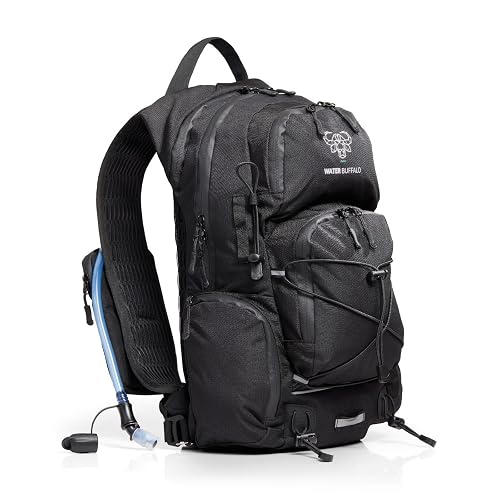
Water Buffalo Sherpa 22L Hiking Hydration Backpack
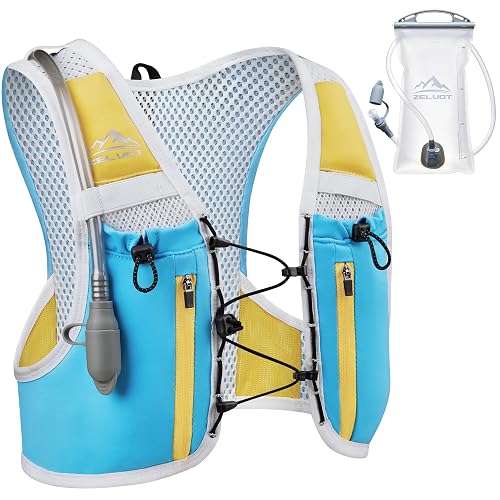
Zelvot Kids Hydration Backpack with Water Bladder
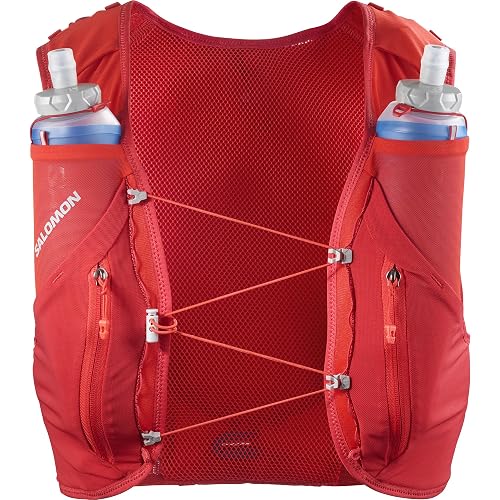
Salomon Unisex Advance Skin 12 Hydration Vest

CamelBak Cloud Walker 18 Crux Reservoir Pack
Why These Options Stand Out
The Raven is built for riders who log real miles on rough singletrack, not casual park loops. At 10 liters it sits in that sweet spot where you can carry a tube, a multi-tool, snacks, and a layer without the load ever feeling oversized.
Compared to the larger packs lower on this list, the Raven keeps the profile snug against your back so it doesn’t swing during descents. The women’s-specific winged harness wraps the shoulders in a way that spreads pressure across the chest rather than the collarbone. If you spend weekends chasing berms and flow trails, the geometry difference is obvious within the first climb.
A Few Strong Suits
- Bike-focused winged harness holds the pack stable when the trail gets choppy.
- Internal organizer keeps tools and a tube accessible without unpacking the whole bag.
- Lower-profile 10L volume suits riders who want hydration and tools, not a full kit.
- Hydraulics reservoir routes the drinking tube over the shoulder for quick sips on climbs.
- Wide hipbelt wraps the lower back to share weight on longer pedal sessions.
Points To Keep In Mind
- 10 liters caps how much extra clothing or food you can carry on cooler rides.
- Women’s-specific cut won’t suit riders who prefer a unisex torso length.
Quick Facts
Built With In Mind
Female mountain bikers who want a low-bounce pack for trail centers and after-work loops.
Look Elsewhere When
The CamelBak Cloud Walker 18 suits hikers more than riders who need bike-specific geometry.
The Opcon leans into a military-inspired layout that translates well to anyone running a range day, scouting a course, or just wanting more pockets than the average daypack offers. The 18.2L storage swallows more than its silhouette suggests.
Where the Osprey Raven at pick 1 is tailored for riders, the Opcon is built to disappear into whatever you’re doing on foot. Yoke-style padded straps and an adjustable sternum slider give it that classic rucksack stance, while a webbed waist belt takes some load off the shoulders once the pack is fully loaded.
Notable Upsides
- Included 2L bladder with bite valve means no separate purchase to start hydrating.
- Front accessory pocket with internal organizer keeps small gear from migrating to the bottom.
- Webbed waist belt and sternum slider spread the load for heavier hauls.
- Generous 18.2L main compartment fits a packed lunch and an extra layer.
Honest Caveats
- Military styling adds weight that minimalist hikers may not want.
- Layout prioritizes pockets over streamlined back-panel ventilation.
- Reservoir tube routing can feel stiff until the pack is broken in.
Made For
Range-goers, airsoft players, and hikers who want organized storage more than ultralight construction.
Not Your Match When
Long-distance trail runners should reach for the Salomon Advance Skin 12 instead for a closer, vest-like fit.
The N NEVO RHINO is the pack to look at when you want hydration capability without a major investment. The included 500ml soft flask covers shorter routes, and the 17L storage has room for trail basics.
Versus the tactical MARCHWAY below, the RHINO trades MOLLE webbing for a cleaner nylon shell. High-density foam on the back panel adds airflow that helps on warmer hikes, and the smaller flask slot suits quick neighborhood trails where carrying two liters would be overkill.
Benefits That Matter
- Strong, abrasion-resistant nylon shell survives brushy overgrown paths.
- Ventilated foam back panel helps manage sweat on summer hikes.
- 500ml soft flask keeps total carried weight low for short routes.
- 17L volume handles a rain shell, snacks, and a basic first-aid kit.
Some Limits To Know
- 500ml flask is small for longer hikes in warm weather.
- Brand has less name recognition than Osprey or CamelBak.
Best Suited To
Casual hikers, beginners, and anyone assembling a starter trail kit on a tight spend.
Skip It When
The Water Buffalo Sherpa 22L is a stronger match for full-day hikes that need more capacity.
The MARCHWAY brings a sculpted, close-to-body profile that suits anyone who moves fast across multiple sports. The included 3L TPU bladder carries more water than most packs on this list, which matters on dry climbs or long cycling loops.
Its 19.5 by 8.7 by 2.6 inch footprint hugs the torso instead of swinging. Adjustable sternum, waist, and shoulder straps lock the load down for running, climbing, and rougher terrain where a floppy pack would throw off your balance.
A Few Highlights
- Sculpted profile minimizes bounce during runs, rides, and climbs.
- 3L TPU bladder carries enough water for longer, hotter outings.
- Adjustable sternum, waist, and shoulder straps customize the fit.
- Air-mesh back panel adds airflow on warm climbs.
- Tactical styling accepts add-on pouches for modular storage.
Trade Offs To Consider
- TPU bladder requires careful cleaning to prevent biofilm buildup over time.
- Tighter profile holds less bulky gear than looser daypack designs.
Feature Snapshot
Right Fit For
Multi-sport users who want one pack that handles cycling, hiking, and running without switching bags.
Reach For A Different Pick When
Casual strollers who don’t need tactical styling should consider the N NEVO RHINO for a simpler setup.
The Sherpa 22L is the pack for days when you carry more than just water. Six storage pockets give it a place for everything, and the 2L BPA-free bladder uses a wide opening so refilling at a trailhead spigot takes seconds rather than minutes.
Stacked against the lower-volume N NEVO RHINO at pick 3, the Sherpa trades minimalism for genuine carrying capacity. Where the RHINO suits a short loop with minimal gear, the Sherpa handles full-day hikes with lunch, layers, and a packed-out first-aid kit.
Bright Spots
- Six pockets keep snacks, layers, and gear sorted and reachable.
- BPA-free 2L bladder uses a wide opening for fast refills.
- 22L volume handles full-day and even light overnight loads.
- Bite valve stays clean and easy to use on the move.
Room For Improvement
- Larger size can feel bulky on shorter, faster outings.
- More pockets mean more zippers to keep an eye on for long-term durability.
Feature Card
Whose Shelf It Belongs On
All-day hikers and casual backpackers who carry layers, food, and water for changing mountain weather.
A Better Fit Elsewhere
Speed-focused trail runners will find a closer, lighter fit in the Salomon Advance Skin 12.
The Zelvot hydration pack is sized down to the actual torso and stride of younger hikers. The XS/S size pairs with a 1L bladder, while bigger sizes step up to 1.5L or 2L as kids grow, which means you aren’t cramming a full adult reservoir onto a small frame.
The vest-style shape spreads the load across the chest and shoulders rather than hanging off the lower back. On family hikes, the practical payoff is fewer “my pack is heavy” complaints and more independence as kids learn to sip on the move.
Real Benefits
- Size-matched bladders in 1L, 1.5L, and 2L versions fit smaller frames.
- Pull-up bite valve is simple enough for kids to operate without help.
- Vest layout reduces back strain versus traditional kid-sized backpacks.
- BPA-free and PVC-free materials keep drinking water safer.
Factors To Consider
- Vest harness may not suit very young children who aren’t used to chest straps.
- Smaller bladder capacities need refill planning on hot days.
Perfect Match For
Families introducing children to hiking who want a hydration pack sized for smaller bodies.
Where Another Pick Suits Better
Adult hikers will find more useful capacity in the CamelBak Cloud Walker 18.
The Advance Skin 12 is Salomon’s flagship vest-style pack for trail runners, especially those racing long ultras beyond 60 kilometers. The 12L capacity is purpose-built for the gels, salt tabs, layers, and mandatory kit those distances demand.
Versus the larger Water Buffalo Sherpa, the Skin trades full-backpack volume for a vest-style fit that moves with your torso. Soft flask compatibility means flasks sit on the chest for quick sips at race pace, and the updated Sensifit-style construction keeps weight close to the body during climbs.
Where It Delivers
- Vest construction keeps load close to the body for technical terrain.
- Front flask pockets enable race-pace sipping without breaking stride.
- 12L volume handles long-race mandatory kit and nutrition.
- Storage layout suits soft flasks and collapsible bottles.
- Updated design improves stability on demanding ultras.
Softer Spots
- Premium build comes at a higher price tier than most daypacks.
- Vest fit can bounce slightly when fully loaded with bottles.
Feature Snapshot
Who Should Grab It
Trail runners training for ultras and anyone who wants running-focused storage and fit.
Swap It Out When
Hikers who carry bulkier layers should consider the Water Buffalo Sherpa 22L instead.
The Cloud Walker 18 is CamelBak’s classic day-hiker formula refined with an Air Support back panel that uses body-mapping to move air where your torso runs hottest. The 85oz Crux reservoir delivers more water per sip than older CamelBak designs, which means less sucking and more drinking.
Compared to the Osprey Raven at pick 1, the Cloud Walker is built for hikers and commuters rather than bike-specific geometry. The trade-off shows up in riding situations, where the Cloud Walker’s wider profile can shift more than a bike-tailored harness. On trails, that same profile gives you room for snacks, layers, and a packable rain shell.
What Earns Its Place
- Air Support back panel maximizes ventilation where the back runs hottest.
- 85oz Crux reservoir improves flow so you drink more, not less.
- Side cargo pockets and compression straps keep loads organized.
- Sustainable, durable materials balance weight and longevity.
Possible Compromises
- 18L volume suits day hikes, not full overnight trips.
- Not bike-specific, so it may shift more on a mountain bike.
Who Will Love This
Day hikers, commuters, and casual weekend trekkers who want one pack that handles a wide range of outings.
Consider Something Else When
Mountain bikers should choose the Osprey Raven 10L for its bike-tailored fit.
What To Weigh Before Choosing Hiking Backpacks With Water Bladder
Reservoir size should match your typical outing. Two liters is plenty for a few hours, while 3L packs like the MARCHWAY make sense for dry climates and longer routes. Carry more than you need and the pack gets heavy; carry less and you’re filling up at every stream.
Fit matters more than specs on paper. A winged harness like the Osprey Raven or a vest-style construction like the Salomon Advance Skin locks the load close to your body. Without that close fit, an 18L pack full of water will swing on every step and tire your shoulders well before the trail ends.
Back-panel ventilation changes summer comfort. Foam panels like the N NEVO RHINO add airflow that helps on hot climbs, while body-mapped designs such as the Cloud Walker route air where sweat collects most. Mesh panels do help, though they usually add a touch of weight compared to flat foam.
Think about how you’ll clean the bladder. TPU and BPA-free bladders last for seasons when you hang them open after each trip. Skipping that habit tends to leave residue that affects taste over time, especially on packs you use for flavored mixes or sports drinks.
Key Considerations Across These Picks
Pitfalls Shoppers Hit
Choosing by reservoir size alone ignores how the pack actually carries weight. A 3L bladder on a pack with poor straps can feel heavier than a 2L pack with a tight, vest-style fit. Try to balance the bladder capacity with the harness system rather than maxing out water.
Another trap is assuming all “hydration packs” fit the same torso. The Osprey Raven is women’s-specific, the Zelvot is sized for kids, and the Salomon Advance Skin runs as a vest. Picking the wrong fit family usually means hot spots, bouncing, or straps that won’t tighten enough on a smaller frame.
Where The Extra Money Goes
Premium models like the Salomon Advance Skin 12 spend the extra cost on lighter fabrics, refined harness systems, and construction that survives season after season of running. For trail runners logging weekly mileage, those refinements tend to justify the higher tier.
Higher-tier daypacks also tend to add body-mapped back panels and improved reservoir flow, like the CamelBak Cloud Walker’s Crux reservoir. The trade-off is cost versus the simpler foam panels on budget picks like the N NEVO RHINO, which still get the job done on shorter routes.
Frequently Asked Questions
How big should the water bladder be for a day hike?
Two liters covers most half-day hikes comfortably, while 3L suits longer routes or hot, dry climates. Bigger bladders add weight, so sizing to your typical distance matters more than maxing capacity.
Can you put a hydration bladder in any backpack?
Only packs with a dedicated reservoir sleeve and tube port work well for bladders. Backpacks without these can be used, yet the tube routing and the bladder stability are typically less convenient on the trail.
How do you clean a hydration bladder?
Most bladders clean well with warm water, mild soap, and a hanging dry cycle after each use. TPU and BPA-free designs tolerate gentle brushes, and leaving them to air out prevents the residue buildup that affects taste.
Are hydration backpacks good for running?
Vest-style packs like the Salomon Advance Skin 12 are purpose-built for running, with soft flask pockets and a snug fit. Larger daypacks can be used for easy runs, yet they tend to bounce more at faster paces.
What is the difference between a hydration pack and a hydration vest?
A hydration pack uses traditional shoulder straps and a backpack-style harness, while a hydration vest hugs the chest with smaller pockets and a closer fit. Vests tend to suit runners, while packs suit hikers carrying more gear.
Closing Remarks
The right hydration pack depends less on specs and more on the trails you actually walk. Riders should lean toward the Osprey Raven, trail runners toward the Salomon Advance Skin, and family hikers will get the most use from the CamelBak Cloud Walker or Water Buffalo Sherpa. Pick the fit, then let the bladder size follow your typical day on the trail.