
The right hiking shoes change how you experience the outdoors. Whether you’re logging weekend miles, tackling rocky terrain, or just want footwear that handles a wet trail without weighing you down, the right pair keeps your feet dry, supported, and blister-free. This roundup looks at five strong options across different price points and use cases, so you can match your next pair to the way you actually hike.
An Overview Of The Picks

adidas Terrex Trailmaker 2.0 Mid GTX Hiking Shoes

OUTJET Women’s Lightweight Waterproof Mid Hiking Boots
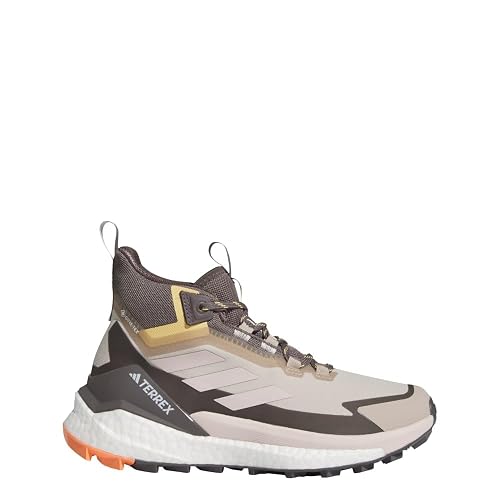
adidas Terrex Free Hiker Gore-TEX 2.0

OUTJET Women’s Waterproof Lightweight Hiking Shoes
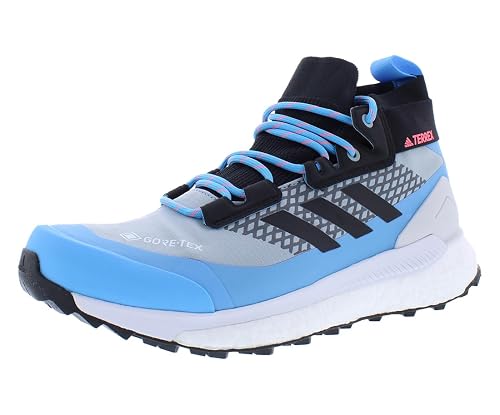
adidas Women’s Hiking Shoe
Inside Each Recommended Option
The adidas Terrex Trailmaker 2.0 Mid is built for hikers who want one shoe that handles just about every trail condition. The mid-top cut wraps higher around the ankle than a standard trail runner, giving you extra stability on uneven ground without the bulk of a full boot. Pair that with a GORE-TEX membrane, which is a thin waterproof layer sandwiched inside the shoe that blocks water while letting heat escape, and you get a shoe that shrugs off stream crossings and surprise rain.
What makes this pair stand out is the BOOST midsole. That cushioning system stores energy as your foot lands and releases it on push-off, so the shoe feels springy even after hours on the trail. For most day hikes and lighter overnight trips, the Trailmaker hits a nice middle ground between supportive and lightweight.
Standout Benefits
- BOOST midsole adds noticeable energy return on long ascents, so your legs feel less beaten up at the trailhead
- GORE-TEX membrane keeps feet dry through puddles, wet grass, and brief stream crossings
- Mid-top design supports the ankle on rocky or root-covered terrain without restricting movement
- Lightweight construction compared to traditional hiking boots, which matters when you add miles to your day
Things To Consider
- May run warm on hot, dry days since the waterproof membrane traps some heat inside the shoe
- Break-in period of a few hikes is common before the upper softens to your foot shape
- Outsole grip is solid but not as aggressive as technical mountaineering boots on loose scree
Who It Suits Best
Hikers who tackle varied terrain in unpredictable weather and want one shoe that does it all, from weekend backpacking to all-day trail days.
Consider Something Else When
Shoppers who stick to easy, dry paths should look at the OUTJET Women’s Waterproof Lightweight Hiking Shoes, which costs less and feels less overbuilt for casual walks.
OUTJET’s mid-ankle hiking boot is the kind of pick that makes sense when you want waterproof coverage without the premium price tag. The mid-ankle height gives you a bit more structure than a low-cut shoe, which is helpful when you’re carrying a small pack or walking on loose dirt. The waterproof build handles morning dew, shallow puddles, and the occasional muddy section without soaking through.
For casual hikers and weekend trail walkers, this boot covers the basics. It won’t match the energy return of the Trailmaker or the long-distance comfort of the Terrex Free Hiker, but it doesn’t need to. If your hikes stay under a few hours and the terrain is moderate, the value here is hard to ignore.
The Helpful Details
- Lower price point makes it accessible for new hikers testing the sport before investing more
- Waterproof construction handles wet grass, light rain, and shallow puddles with ease
- Mid-ankle design offers modest ankle support for uneven or root-strewn paths
Worth Noting
- Cushioning is basic, so multi-hour hikes may leave your feet feeling flat
- Sizing can run slightly different from other brands, so trying them on with hiking socks is wise
- Traction is fine for groomed trails but may feel underpowered on loose rock or steep descents
Quick Facts
Made For
Casual hikers on a budget who mostly walk established trails and want waterproof protection without paying for premium materials.
Not Your Match When
Anyone planning multi-day treks or rough terrain should consider the adidas Terrex Free Hiker Gore-TEX 2.0, which offers noticeably more support and cushioning for longer miles.
The Terrex Free Hiker 2.0 is the shoe to reach for when the trail demands more than a casual walk. It’s designed for longer days, heavier packs, and rougher miles, with the kind of structural support that holds up after hours of impact. The GORE-TEX membrane keeps water out without turning the shoe into a swamp on warm days, and the BOOST-style cushioning carries you through descents without that usual foot-pad ache.
Compared to the Trailmaker 2.0, this model leans harder into long-distance performance. It feels a touch more substantial underfoot, which is the trade-off for the extra support. For thru-hikers and weekend backpackers, that balance is exactly what you want.
Everyday Wins
- Engineered for sustained hiking, so comfort holds up across full days on the trail
- GORE-TEX membrane handles wet conditions while still allowing airflow on warmer hikes
- Sturdy midsole support reduces foot fatigue when carrying a loaded pack
- Durable upper materials stand up to brushy trails and rocky scrambles
Trade Offs
- Heavier than a low-cut trail runner, which adds up over long distances
- Premium build comes at a higher cost than entry-level options like the OUTJET mid boot
- Stiffer feel out of the box, so a few short hikes before a big trip is a smart call
At A Glance
Right Fit For
Long-distance hikers and backpackers who need a shoe that stays comfortable across full days and unpredictable weather.
A Better Fit Elsewhere
For lighter day hikes on well-maintained trails, the adidas Terrex Trailmaker 2.0 Mid offers similar GORE-TEX protection with a slightly lighter, more nimble feel.
OUTJET’s low-cut hiking shoe is a practical option for trail walkers who don’t need ankle-height support. The low profile feels closer to a running shoe than a boot, which is a real plus on flat or rolling terrain where extra structure just adds weight. The waterproof build keeps things simple when the trail gets damp.
It’s a sensible pick for dog walkers, casual hikers, and anyone who spends time on gravel paths and forest tracks. Think of it as a step up from a sneaker without committing to a full hiking boot.
Useful Touches
- Low-cut design feels light and flexible, so feet don’t get tired as quickly on easier trails
- Waterproof construction handles puddles and wet grass without soggy socks
- Moderate price point works for shoppers who want real hiking features without overspending
Honest Caveats
- Limited ankle support means rough or uneven terrain can feel less stable than a mid-cut boot
- Cushioning is moderate, so very long days may wear on your feet faster than a more padded option
Best Suited To
Trail walkers and casual hikers who stick to easier terrain and prefer a lighter, more flexible shoe over a bulkier boot.
Look Elsewhere When
Anyone tackling rocky, technical trails should consider the OUTJET mid-ankle boot, which adds ankle support at a similar price point.
The adidas Women’s Hiking Shoe rounds out this list as a dependable option for hikers who want a recognized brand without the higher cost of the Terrex line. It covers the basics a recreational hiker actually needs: a grippy outsole, a supportive midsole, and a build that handles a range of trail conditions. You don’t get the GORE-TEX membrane of the Trailmaker, but for fair-weather hiking that’s often a non-issue.
For hikers who mostly hit local trails on dry days and want something versatile, this shoe does the job. It’s the kind of option you can wear to the trailhead, on the trail, and back without thinking much about it.
Points In Its Favor
- Recognized brand build with quality materials that hold up over multiple seasons
- Versatile enough for hiking, casual walks, and travel days on foot
- Lower price than the Terrex models, while still offering solid trail performance
Points To Keep In Mind
- Without a GORE-TEX membrane, wet conditions will soak through faster than waterproof options
- Less specialized cushioning than the BOOST-equipped Terrex shoes for very long miles
Quick Facts
Who Should Grab It
Recreational hikers who want a trusted brand for fair-weather day hikes and don’t need waterproofing as a must-have feature.
Skip It When
Hikers who often deal with wet trails or stream crossings should step up to the adidas Terrex Trailmaker 2.0 Mid, which adds GORE-TEX protection for a small step up in capability.
How To Pick The Right Pair For Your Trails
Choosing hiking shoes comes down to matching the shoe to where you actually walk. Start with terrain. Easy, groomed trails and gravel paths work fine with low-cut options like the OUTJET lightweight shoe, since ankle support isn’t critical. Rocky, root-covered, or uneven ground benefits from the structure of a mid-cut boot or a model like the adidas Terrex Free Hiker, where extra stability pays off across a long day.
Next, think about weather. Waterproof membranes like GORE-TEX add real value if you hike in wet climates, cross streams, or deal with morning dew on grass. They’re less essential for fair-weather hikers on dry terrain, where a non-waterproof shoe breathes better in summer heat. Pick waterproofing based on your climate, not as a default.
Fit matters more than features. Always try hiking shoes on with the socks you plan to wear on the trail, and leave a thumb’s width of room at the toe for downhill comfort. A shoe that feels snug in the store will feel tight after ten miles, and a roomy toe box prevents the black toenail situation that comes from feet sliding forward on descents.
Weight is the final lever. Lighter shoes reduce leg fatigue but usually trade away some cushioning and durability. For short day hikes on tame trails, lighter wins. For long days, heavy packs, or rough terrain, the extra grams of a more substantial shoe earn their keep in support and protection.
What Most Shoppers Overlook
Common Shopping Slip Ups
Picking shoes based on color or style instead of fit is the most common regret. Pretty shoes that pinch your toes or rub your heels will ruin a hike faster than rain, so prioritize how a shoe feels over how it looks. Another trap is assuming waterproof always means better. If you mostly hike dry, arid trails, a non-waterproof shoe breathes noticeably better and stays more comfortable in summer heat.
Where The Extra Money Goes
Premium hiking shoes like the adidas Terrex line cost more because of better midsole cushioning, higher-grade waterproof membranes, and more durable outsole rubber. The real question is whether those upgrades matter for your hiking style. If you log short walks on easy trails, the basics cover you. If you’re putting in long days with a loaded pack, the extra support and energy return from a BOOST midsole become worth the investment. The honest read is that the upgrade pays off when miles and weight add up, and adds less value for occasional weekend strolls.
Frequently Asked Questions
How do I know if I need a low-cut, mid-cut, or high-cut hiking shoe?
Low-cut shoes work for easy, flat trails where ankle support isn’t critical. Mid-cut boots add stability for uneven terrain, while high-cut boots are best for heavy backpacking or technical routes. Most casual hikers find mid-cut hits the sweet spot.
Is GORE-TEX really necessary for hiking shoes?
GORE-TEX is worth it if you regularly hike in wet weather, cross streams, or deal with muddy trails. For dry climates and fair-weather hiking, a non-waterproof shoe breathes better and feels cooler in warm conditions. Match the feature to your local climate.
How much should I spend on women’s hiking shoes?
Entry-level options around the $50 range handle easy trails just fine, while mid-range shoes offer better cushioning and waterproofing. Premium models in the $150+ range add long-distance comfort and durable materials. Your typical hike length and terrain drive the right spend.
Can I use running shoes for hiking instead?
Running shoes work for short, easy hikes on smooth trails, but they lack the grip, support, and protection of dedicated hiking shoes. Once you add distance, weight, or rough terrain, hiking-specific features start to matter for foot comfort and injury prevention.
How should hiking shoes fit when I try them on?
Leave about a thumb’s width of space between your longest toe and the front of the shoe, and make sure your heel doesn’t slip when you walk. Try them on with the socks you plan to hike in, and test a few minutes on an incline if possible to feel how the shoe flexes.
The Takeaway
The best hiking shoes for women are the ones matched to your trails, your climate, and how far you usually go. Casual trail walkers get plenty from a lightweight, low-cost option like the OUTJET pair, while hikers logging longer miles in variable weather will appreciate the support and waterproofing of the adidas Terrex line. Match the shoe to the way you actually hike, give fit the priority it deserves, and your next trail day will feel a lot better from the first step to the last.