
Trail cameras have quietly become some of the most useful gadgets you can hang in a tree, whether you’re scouting a deer lease, tracking what’s digging up the garden, or just curious about the fox that crosses your fenceline every Tuesday. The category has exploded with cellular and solar options, and plenty of them cost less than a decent pair of binoculars. Below are six picks worth your attention this year, sorted by what kind of user each one actually serves.
The Lineup, Simplified

Loatos 48MP AI Cellular Trail Camera 2K Live
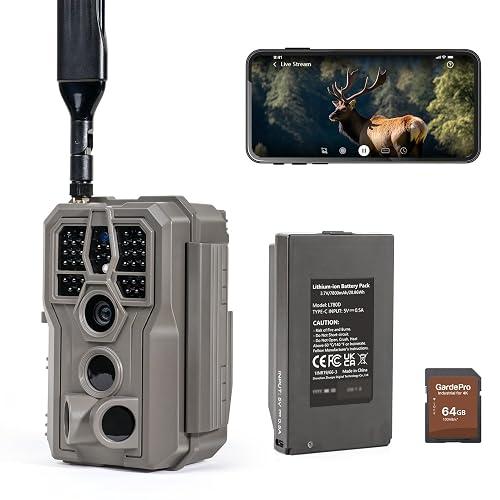
GardePro X66 Pro Cellular Trail Camera Rechargeable
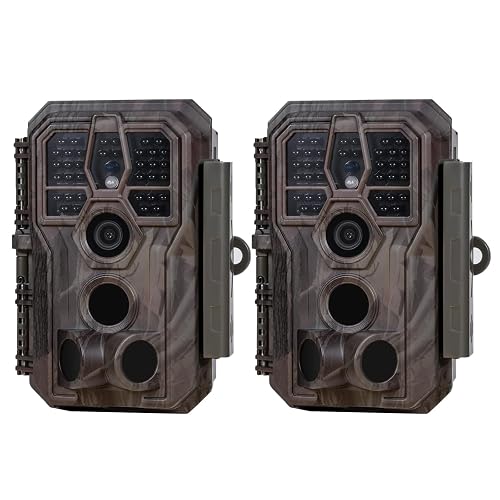
GardePro E5S 2-Pack Trail Camera 64MP 1296P
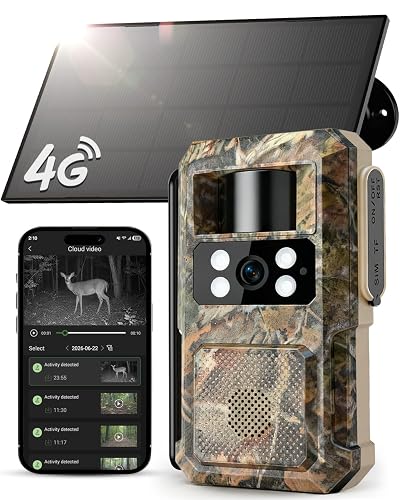
Solar 4G LTE Trail Camera 4K Live Night Vision
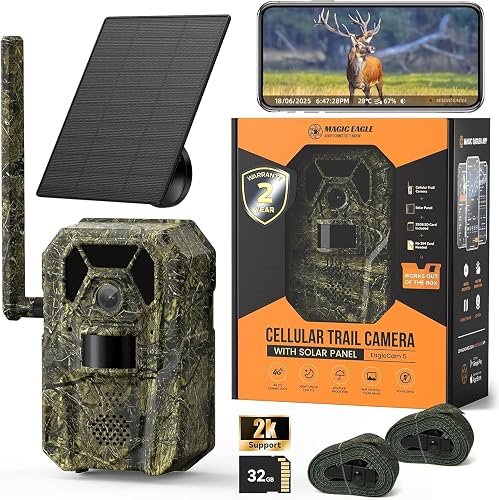
MagicEagle Cellular Trail Camera 4G Solar 2K
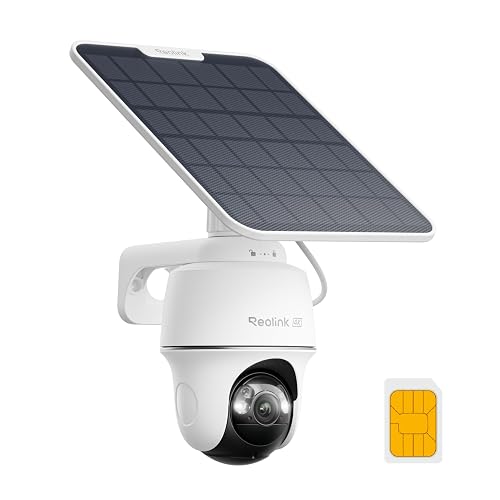
REOLINK 4K Solar 4G LTE Wireless Outdoor Camera
Why These Options Stand Out
The Loatos pairs a high-resolution image sensor with 2K live video streaming, which means you can pull up the feed on your phone and watch deer wander past in near real time. Built-in AI animal detection sorts critters from swaying limbs and helps cut down on empty SD cards. For hunters who want fewer wasted trips to the field, this kind of remote access is a genuine upgrade over the older card-swapping routine.
It also handles the basics well: daytime color shots, monochrome night imagery, and motion-triggered capture. In a typical suburban backyard or rural lease, you’ll see antler detail and feather barbs clearly enough to ID the regular visitors. The honest read is that this is a feature-dense pick priced well below the legacy name brands.
What Helps Most
- 48MP stills plus 2K live streaming let you identify animals without hiking out
- AI animal filtering reduces blank triggers from branches and weather
- Cellular upload means your phone becomes the viewer, not a tiny LCD screen
- Day color and night monochrome imaging covers the full light cycle
Things To Consider
- Cellular features require an active data plan, which adds to total ownership cost
- App-based setup can feel fiddly for first-time cellular camera owners
- Live streaming drains battery faster than standard trigger-and-sleep modes
Who It Suits Best
Hunters and remote-property owners who want real-time eyes on a location and are comfortable managing a cellular data plan.
Consider Something Else When
You’d rather skip subscriptions entirely, in which case the GardePro E5S 2-Pack offers a card-only workflow that needs no monthly fee.
The GardePro X66 Pro leans into the “leave it and forget it” side of cellular scouting, with a rechargeable battery pack and shared data plans across multiple cameras. If you’re running two or three units on a hunting lease, pooling their HD uploads under one account keeps monthly overhead manageable. Compared to the Loatos above, this pick trades a slight resolution dip for a more flexible multi-cam ecosystem.
On-demand HD requests and live view both work through the companion app, so checking a camera after a storm doesn’t require driving out to swap cards. The rechargeable pack is also a quiet win for the environment over disposable AAs, assuming you keep a charging routine.
Benefits That Matter
- Rechargeable pack cuts down on disposable battery waste over years of use
- Shared data plans let multiple cameras draw from a single monthly bucket
- Live view and on-demand HD requests suit “I need to check right now” moments
- Cellular upload removes the trail-walk entirely for routine scouting
Honest Caveats
- Active data subscription is mandatory for the headline features
- Rechargeable pack needs a power source on hand during long deployments
- Plan pooling works best when all units see similar traffic volumes
Feature Snapshot
Right Fit For
Property managers and lease hunters running multiple cameras who want one plan instead of six separate SIMs.
Look Elsewhere When
You only want a basic card-based unit for occasional backyard use, where the MagicEagle Solar Cellular Trail Camera would be overkill.
The E5S bundle ships two cameras in the box, which is where most of the value lives for new users. It’s a non-cellular, non-WiFi design, so there’s no app, no data plan, and no cloud subscription to manage. You mount the cameras, swap SD cards when full, and review footage on a laptop at home.
Resolution lands at 64MP stills and 1296P video, both respectable for the price tier. Low-power operation also stretches battery life compared to always-connected models, so a set of AAs often lasts a full season. The honest take is that this two-pack suits hobbyists who enjoy the trail-walk routine rather than wanting a remote feed.
Practical Pluses
- Two cameras per box doubles coverage for the same outlay
- No subscription or app means zero recurring costs
- Low-power design stretches battery life across a full hunting season
- 64MP photo resolution captures identifying marks clearly in good light
Worth Noting
- Card-swapping requires physical visits to each camera
- No live view, so you only see what’s triggered after the fact
- Two units at once means more placement planning for the two spots you choose
Whose Shelf It Belongs On
Casual wildlife watchers and weekend hunters who don’t mind swapping cards and want two units for the price of one cellular camera.
A Better Fit Elsewhere
You want remote access from your phone, where the Loatos 48MP AI Cellular Trail Camera delivers live streaming instead of post-trip reviews.
This Cadrali model leans into the upper end of the category with 4K live video streaming, a 64MP still sensor, and integrated night vision. The solar panel on top keeps the internal battery topped up during daylight hours, which matters for off-grid placement where swapping AAs is impractical. Compared to the X66 Pro above, you trade multi-cam plan pooling for sharper live video.
Waterproofing rounds out the package, so a rainy week or two won’t knock it offline. For most backcountry users, the practical sweet spot is a remote ridge or a food plot miles from the nearest outlet.
Points In Its Favor
- 4K live video streams over 4G LTE for sharp remote viewing
- Built-in solar charging extends deployment windows without battery swaps
- Waterproof housing suits rainy seasons and humid creek-bottom sites
- Night vision captures clear monochrome footage after dark
Small Caveats
- Solar charging slows significantly in heavy tree cover or short winter days
- 4G LTE coverage is required; dead zones will limit live streaming
- Higher resolution clips fill SD cards faster than 1080P alternatives
Quick Facts
Built With In Mind
Backcountry hunters and landowners with reliable 4G signal who want sharp live video without running extension cords.
Skip It When
Your placement site sits in a weak-signal hollow, where the REOLINK 4K Solar 4G LTE Wireless Outdoor Camera might fare similarly but warrants a coverage check first.
The MagicEagle arrives with the largest battery in this lineup, a 13,000 mAh pack paired with an integrated solar panel. For long deployments where you won’t visit the camera for weeks, that combination is the headline feature. No-Glow IR keeps the flash invisible to deer and trespassers alike, and an IP66 weather rating handles storms without complaint.
Audible video capture is a thoughtful add for security use cases, since you get sound along with the 2K footage. Where the Cadrali above leans into 4K sharpness, this pick prioritizes runtime and ruggedness over peak pixel count.
A Few Strong Suits
- 13,000 mAh battery plus solar panel supports multi-week remote sessions
- No-Glow IR flash stays invisible to wildlife and people at night
- IP66 weather rating shrugs off sustained rain and dust
- Audible video adds a second data stream for security-focused deployments
A Few Limitations
- 2K resolution falls short of the Cadrali’s 4K live stream
- Larger battery pack adds weight to the mounting setup
- Army Green finish may stand out against bare-bark or snow backgrounds
Made For
Property owners running long-term wildlife or perimeter monitoring where runtime and weather resistance matter more than peak resolution.
Reach For A Different Pick When
You want the highest live resolution and can keep an eye on battery levels, in which case the Solar 4G LTE Trail Camera 4K Live Night Vision is the stronger match.
The REOLINK sits in the security-camera lane more than the hunting lane, which makes it a natural fit for cabins, job sites, and other places you can’t easily run power or ethernet. Continuous solar charging plus 4G LTE means no wiring and no Wi-Fi dependency, so placement is largely a matter of signal strength and sunlight. 4K imaging carries over well into pitch darkness, where detail often falls apart on cheaper units.
Compared to the MagicEagle above, you trade the massive battery and No-Glow IR for sharper color reproduction and a more polished app experience. For most remote installations, it’s a worthy upgrade if your budget has room.
Useful Strengths
- 4K imaging maintains detail in low-light and night conditions
- Truly wireless setup removes power and ethernet constraints
- Solar power supports continuous operation in sunny placements
- 4G LTE connectivity works at sites without Wi-Fi infrastructure
Factors To Consider
- Cellular data plan required for full feature access
- Solar output drops sharply in shaded or north-facing spots
- Higher cost than card-only options like the GardePro E5S 2-Pack
Core Details
Best Suited To
Owners of remote cabins, construction sites, or large lots who want a polished security-grade camera with off-grid power.
Where Another Pick Suits Better
You mostly hunt public land and value runtime over peak sharpness, in which case the MagicEagle Cellular Trail Camera 4G Solar 2K is the more rugged pick.
How To Choose The Right Affordable Trail Cameras for Your Setup
Picking a trail camera comes down to how you actually plan to use it, not just the spec sheet. Start with the workflow question: do you want to walk out and review cards, or do you want a feed on your phone? That single decision rules out half the category. Card-based cameras cost less up front and skip monthly fees, but they demand regular trips. Cellular cameras cost more over time but turn scouting into something you can do from a coffee shop.
Image Quality vs Trigger Speed
Megapixel counts get the headlines, but trigger speed (how fast the shutter fires after motion) decides whether you catch the animal or just its tail. For fast deer and small birds, faster triggers matter more than resolution. Resolution matters more when you want to identify individual animals or read ear tags from a distance.
Power Source and Deployment Length
Disposable AAs suit short seasonal use. Rechargeable packs and solar panels suit long-term placement where you can’t easily visit. In cold climates, lithium AAs hold up better than alkalines, and solar panels slow down with shorter winter days. Plan the power system for the longest gap between visits, not the average.
Cellular Coverage and Signal Strength
A cellular trail camera is only as good as the signal at your mounting site. Before you commit to a subscription, check carrier coverage maps for the actual lat and lon of the spot. Hollows, dense forest canopy, and metal outbuildings can all knock a strong signal down to unusable.
Smart Buying Advice Worth Knowing
Common Shopping Slip Ups
The biggest trap in this category is buying on megapixels alone. A 64MP sensor paired with a slow trigger will still miss the buck you wanted. Equally common is ignoring the subscription cost on cellular models, which can quietly double the lifetime cost over a few seasons. Always price the data plan before you commit.
What The Higher Tier Buys
Stepping up to a premium tier typically gets you faster triggers, better low-light sensors, and longer battery life through solar or larger lithium cells. You also tend to get a more refined app experience and sturdier weather sealing. For most users running one or two cameras on a small property, the mid-tier delivers the best balance. Premium tiers earn their place across larger leases and remote security use.
Frequently Asked Questions
What is a cellular trail camera?
A cellular trail camera connects to mobile networks and sends photos or live video to your phone, so you don’t need to visit the camera in person. It requires an active data plan from a carrier.
Do trail cameras need Wi-Fi?
No, most trail cameras work independently of Wi-Fi. Card-based models store footage on an SD card, while cellular models use mobile networks for remote access.
How long do trail camera batteries last?
Battery life depends heavily on trigger frequency, temperature, and whether the camera streams live video. Disposable AAs can last several months in low-traffic spots, while solar-assisted units can run for a year or more.
Are trail cameras legal everywhere?
Laws vary by state and by land ownership. Public lands often have specific rules about placement and use, and private land always requires the owner’s permission. Check local regulations before mounting.
What memory card works best?
Most trail cameras work with standard SD or microSD cards, but high-capacity cards (64GB and up) suit 4K video capture. Class 10 or U3 speed ratings help avoid dropped frames during high-resolution recording.