
Long-range glassing changes the hunt. You sit on a ridge scanning a treeline two valleys over, and the difference between a tagged tag and a missed opportunity comes down to whether your binoculars can pull clean detail from heat shimmer at dusk. Glass for these scenarios has to balance magnification, exit pupil, and ruggedness without turning into a brick in your pack. This roundup walks through seven options built to handle that reality, from proven full-size binos to digital night-vision units and a high-power spotting scope for glassing at extreme distance. Each pick earns its place for a specific reason, and the notes below should help match the right optic to the way you actually hunt.
The Main Contenders

Vortex Diamondback HD 10×42 Binoculars

Bushnell Trophy XLT 10×42 Waterproof Binoculars

Maven CS2A 26-66x85mm Spotting Scope
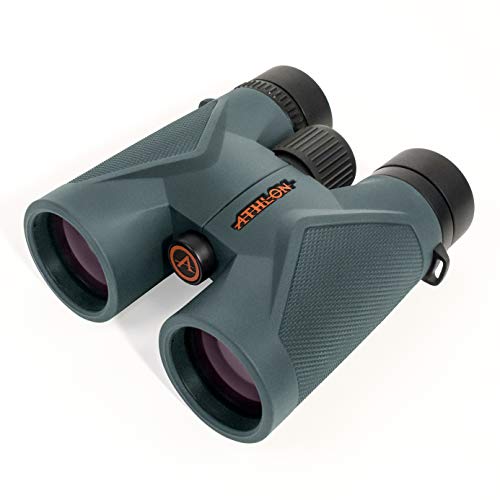
Athlon Optics 8×42 Midas UHD Binoculars

Vortex Crossfire HD 10×42 Binoculars

WARMTUYO 4K Night Vision Binoculars 3.5″ HD Screen

WARMTUYO 4K Night Vision Binoculars 3.0″ HD Display
Taking A Closer Look At The Options
The Diamondback HD 10×42 sits at the top of this roundup because it threads the needle most hunters actually need: enough magnification to pull deer-sized detail from a far ridge, paired with a 42mm objective (the large front lens that gathers light) that still delivers a usable image in low-light windows at dawn and dusk. The fully multi-coated lenses (multiple anti-reflective coatings on every glass surface) keep the picture bright without a massive footprint. You should expect a comfortable arm weight for full-day carries and a chassis that shrugs off light rain and accidental knocks.
Western spot-and-stalk hunters, mule deer glassers working open basins, and anyone needing a do-it-all pair for mixed terrain will get plenty of value here. Compared to the Bushnell Trophy XLT covered below, this Vortex leans toward better edge sharpness and color fidelity. Phase-corrected prisms (prism coatings that align light properly for higher contrast) keep the image crisp into the corners of the field of view.
Notable Upsides
- HD optical system delivers sharp, high-contrast images with strong low-light performance
- 10x magnification balances reach with a steady handheld image
- Argon-purged, waterproof, and fogproof chassis for foul weather
- Tripod-adaptable for extended glassing sessions on a ridge
- Rubber-armored body protects against drops on rocky ground
Points To Note
- 10x magnification shows handshake shake at full magnification without bracing
- Slightly heavier than compact 8×42 alternatives for long walks
- Owners commonly report eye relief is tight for users wearing thick glasses
Key Specs
Made For
Western hunters and spot-and-stalk users who glass big country from ridgelines and need sharp optics that survive rough terrain and weather.
Skip It When
Athlon Optics 8×42 Midas UHD Binoculars suit you better if you want steadier handheld views and a wider field for scanning fast.
Bushnell’s Trophy XLT 10×42 leans into a generous 6.2-degree angle of view, which is wider than what most 10×42 rivals offer. In practical terms, you see more country per sweep of the glass, so finding moving animals in heavy cover or open timber feels less like panning a narrow slit. The waterproof, fogproof construction also holds up through coastal rain, sleet, and sudden temperature swings, making it a sensible pick for hunters who refuse to let weather shorten their trips. Fully multi-coated optics and BaK-4 glass (high-quality optical glass that transmits more light than standard glass) keep the image bright enough for credible dawn and dusk use.
Where this Bushnell shines is wet-climate hunting, marsh and river-bottom work, and any scenario where scanning speed matters more than maximum reach. Compared to the Diamondback HD above, the Trophy XLT trades a touch of edge sharpness for a noticeably wider field and a tough, weather-tite build. For glassing in poor light at long distance, you might find yourself wishing for a bit more magnification, but the wider sweep makes finding the target faster.
What Pays Off
- Wide 6.2-degree field of view helps locate moving animals quickly
- Waterproof and fogproof chassis for rain, sleet, and river work
- Fully multi-coated optics with BaK-4 prisms for bright, sharp images
Trade Offs
- 10x reach shows handshake without bracing on the pack or a tripod
- Edge sharpness falls off slightly compared to premium HD glass
- Coated exterior lenses commonly require frequent cleaning in coastal spray
Right Fit For
Hunters working wet climates, coastal or river-bottom terrain, and anyone who values a fast, wide scan over maximum magnification.
Reach For A Different Pick When
Vortex Diamondback HD 10×42 Binoculars suit you better if you want crisper edge-to-edge image quality for serious long-range glassing on open ridges.
The Maven CS2A is a different beast entirely. It is a spotting scope, not binoculars, but for hunters who need to read antler detail at a half mile, it earns a place on this list. The 26-66x zoom range is a serious range: at 66x, a buck across a canyon reads like it is standing next to you, and the 85mm ED objective (a large front lens made with extra-low dispersion glass that reduces color fringing) pulls meaningful light even in heavy timber. ED glass, which minimizes chromatic aberration (color fringing around high-contrast edges), is the single biggest upgrade you can buy for long-distance clarity.
Precision shooters, western elk hunters, and long-range sheep or goat glassers will appreciate the magnesium frame that shaves weight without sacrificing rigidity. Digiscoping with a phone adapter also makes this scope useful for documenting animals at extreme range. Compared to binoculars like the Diamondback HD, you trade portability and quick target acquisition for serious magnification you can only get from a tripod-mounted optic.
Where It Helps
- ED glass minimizes color fringing for clean detail at high magnification
- 85mm objective gathers strong light for dawn and dusk glassing
- Magnesium chassis cuts weight versus aluminum-bodied spotting scopes
- Waterproof and fogproof sealed for foul weather field use
Soft Spots
- Requires a tripod or stable mount for usable long-range viewing
- Too large to function as a walk-along binocular alternative
- Premium-grade glass drives a noticeably higher cost than 10×42 binos
Who Should Grab It
Long-range shooters, western elk and sheep hunters, and anyone who needs antler or hide detail readable from a half mile or more.
Look Elsewhere When
Vortex Diamondback HD 10×42 Binoculars suit you better if you need a quick, handheld glass for scanning on the move rather than tripod-precision reading.
Drop down to 8×42 and the whole feel of glassing changes. The Athlon Midas UHD uses ED glass to push chromatic aberration out of the image and keep colors true, which matters when you are picking a brown deer out of brown brush at first light. The 8x magnification makes the image noticeably steadier in your hands, which is the difference between a useful scan and a shaky blur when you are glassing for long stretches.
For hunters still building their long-range skills, families sharing optics between adults and older kids, and anyone who walks miles before they sit, the Midas UHD rewards steady, patient scanning. Compared to the Diamondback HD above, the Athlon trades magnification for a steadier, more forgiving image and a slightly wider field. It is a more beginner-friendly entry into long-distance glassing.
Everyday Advantages
- ED glass delivers clean color and reduces fringing in high-contrast scenes
- 8x magnification holds steady handheld without bracing
- Compact 42mm body fits comfortably in a pack or chest harness
Honest Caveats
- Less reach than 10x rivals at very long distances
- UHD glass commands a meaningful step up from basic multi-coated binos
Quick Facts
Best Suited To
Beginners, family households, and spot-and-stalk hunters who want steadier handheld views over maximum magnification.
Consider Something Else When
Vortex Diamondback HD 10×42 Binoculars suit you better if you need the extra magnification for ridge-top glassing at extreme distance.
The Crossfire HD is Vortex’s budget-friendly sibling, and for many hunters it is the smartest dollar in this roundup. You get the same 10×42 footprint as the Diamondback HD reviewed above, but at a friendlier cost. The HD optical system still delivers a sharp, color-true image that is a clear step up from older non-HD designs, and the included GlassPak harness makes long glassing sessions easier on the neck and shoulders.
New hunters building a first serious kit, weekend hunters who do not want to overspend, and anyone outfitting a family of glassers will find the Crossfire HD hard to argue with. Compared to the Bushnell Trophy XLT above, the Crossfire HD typically delivers a tighter, more contrasty picture at the cost of a slightly narrower field of view. You give up a bit of edge sharpness versus the Diamondback HD, but the magnification, weight, and field usability stay remarkably similar.
A Few Highlights
- HD optical system delivers sharp, color-true images at friendly cost
- Included GlassPak harness adds comfort for long glassing days
- 10x magnification handles ridge-top scanning on western hunts
Small Caveats
- Edge sharpness trails the pricier Diamondback HD
- Field of view is slightly narrower than the Bushnell Trophy XLT
Perfect Match For
First-time buyers, weekend hunters, and anyone building a serious kit on a tighter budget who still wants trusted HD glass.
A Better Fit Elsewhere
Bushnell Trophy XLT 10×42 Waterproof Binoculars suit you better if you prioritize a wider field of view for fast scanning in heavy cover.
Long-distance hunting does not always stop when the sun drops, and that is where this WARMTUYO 4K night vision unit earns its slot. Instead of standard glass, you are looking through a digital sensor with infrared illumination, which lets you scan open fields and food plots after dark for hogs, predators, and trespassers. The 3.5-inch built-in HD screen takes some getting used to coming from traditional optics, but it lets you share the view with a hunting partner in real time and review 4K footage later.
Predator hunters calling at night, hog hunters managing problem animals, and property owners checking fencelines after dusk will get the most from this unit. The 5000mAh battery is rated for extended runtime, and the included 32GB card stores hours of footage. Compared to every traditional binocular reviewed above, this is a different tool for a different hour, not a direct replacement for daylight glassing.
Noteworthy Benefits
- 9-level infrared lets you tune brightness for different night conditions
- 16x digital zoom and 4K sensor reach meaningful distance at night
- 5000mAh battery extends runtime on long predator or hog sets
- 3.5″ HD screen shows the view without eyepiece strain
Things To Weigh
- Digital zoom degrades image quality at the highest magnification levels
- Heavier and bulkier than traditional 10×42 binoculars
- Battery life commonly drops fast at the highest IR brightness settings
Built With In Mind
Predator hunters, hog hunters, and property owners who need a digital tool for scanning and recording wildlife after dark.
Where Another Pick Suits Better
Vortex Diamondback HD 10×42 Binoculars suit you better if you do most of your glassing in daylight and want a much lighter, sharper optic for the daytime hunt.
The smaller sibling in the WARMTUYO lineup trims the screen to 3.0 inches and shrinks the body, but keeps the same core capability of 9-level infrared, 16x digital zoom, 4K capture, and that long-running 5000mAh battery. For hunters packing light, slipping through brush to a stand, or chasing predators on rough ground, the smaller footprint makes this unit easier to keep in a jacket pocket than its 3.5-inch brother reviewed above.
Mobile hunters and anyone who values portability over screen size will like where this lands. The trade-off is a slightly smaller viewing area when you pull the unit up to your eye or share the screen with a partner. Compared to the larger WARMTUYO model, you give up some screen real estate in exchange for a more packable body.
Useful Strengths
- Compact body slips into a pack or large jacket pocket
- 9-level IR illumination works across varied night conditions
- 5000mAh battery supports long predator or hog sets
- 16x digital zoom with 4K recording capability
Things To Consider
- Smaller 3.0″ screen is harder to share between two viewers
- Digital zoom image quality drops at maximum magnification
- IR brightness commonly reduces usable battery life on high settings
Whose Shelf It Belongs On
Travel-friendly hunters and mobile predator or hog hunters who want a packable night vision unit with strong battery life.
Swap It Out When
WARMTUYO 4K Night Vision Binoculars 3.5″ HD Screen suit you better if you want a larger viewfinder for group viewing and easier menu navigation.
What To Weigh Before Choosing Long-Range Hunting Glass
Magnification Versus Steady Holding
Magnification is not free. A 10x binocular pulls a deer across a basin at distance, but it also magnifies the shake in your hands. An 8x unit steadies the image at the cost of reach, and a spotting scope like the Maven CS2A reviewed above delivers extreme reach only when tripod-mounted. Match magnification to how you actually hunt, whether that means quick handheld scans or patient tripod reading.
Objective Size And Exit Pupil
The objective lens is the large front lens that gathers light, and exit pupil is the beam of light that exits the eyepiece into your eye. For dawn and dusk hunting, a 42mm objective with a 5mm or larger exit pupil keeps the image bright as your pupils dilate. Bigger objectives gather more light but add bulk; smaller objectives are packable but dimmer in low light.
Glass Quality And Coatings
ED glass (extra-low dispersion glass) reduces chromatic aberration, the colored fringing around high-contrast edges. Fully multi-coated lenses (multiple anti-reflective coatings on every glass surface) maximize light transmission. These upgrades matter most at long distance and in tough light, where every percentage point of light transmission improves what you can see.
Weather Sealing And Durability
Hunting glass lives a hard life. Argon or nitrogen purging (filling the body with inert gas to prevent internal fogging) and rubber armor protect against rain, fog, and the inevitable drop on a rock. For wet climates and rough terrain, sealing and chassis toughness are not optional extras.
Smart Choices Before You Commit
Common Shopping Slip Ups
Chasing the highest magnification number is the most common trap. A 12x binocular sounds impressive until you try to hold it steady in cold hands at dawn. The second trap is ignoring exit pupil, since a small exit pupil kills low-light performance no matter how sharp the daytime image looks. The third is buying on looks: a sharp-looking rubber-armored body can hide budget glass inside, so prioritize optical specs over cosmetics.
What The Higher Tier Buys
Spending more on premium glass typically buys better ED glass, tighter prism alignment, and tougher chassis construction. These upgrades show up at long distance and in tough light, which is precisely the work long-range hunting demands. The upgrade pays off most for hunters who glass in low light, shoot at long range, or log enough hours that ergonomic and sealing improvements matter day after day. Beginners and casual weekend hunters often do just fine with a mid-tier option like the Vortex Crossfire HD.
Frequently Asked Questions
What magnification is best for long-distance hunting?
Most hunters do well with 8x or 10x binoculars. Higher magnification like 12x or 15x magnifies handshake, so a tripod or image stabilization becomes necessary. For extreme distance, a spotting scope like the Maven CS2A reviewed above is the more practical choice.
Are ED glass lenses worth the extra cost?
ED glass (extra-low dispersion glass) reduces chromatic aberration, the colored fringing around high-contrast edges like antler tines against sky. For long-range glassing in dawn and dusk light, the upgrade is meaningful. For casual daylight use, mid-tier glass is often sufficient.
Can I use hunting binoculars for bird watching?
Yes. Most hunting binoculars work well for birding as long as the close-focus distance is reasonable. The Bushnell Trophy XLT reviewed above is a popular crossover pick for that reason.
How do I clean binocular lenses without damaging them?
Use a blower brush to remove loose grit first, then a microfiber cloth with lens cleaning fluid. Avoid household cleaners and paper products, which can scratch coatings. Owners commonly report that a soft camel-hair brush and clean microfiber are enough for routine field cleaning.
Do I really need waterproof binoculars?
For most hunting scenarios, yes. Waterproof and fogproof construction protects against rain, snow, and sudden temperature changes that can fog standard optics. The Vortex Crossfire HD and Bushnell Trophy XLT reviewed above both deliver sealed chassis at accessible cost.