
Spotting a mature buck before he spots you usually comes down to a few quiet seconds at the edge of a clearing. The right glass helps you read body language, pick apart antlers from the tangle of hardwood, and confirm a target in the last fifteen minutes of legal light. This roundup walks through nine solid options across daytime optics and thermal imaging, so you can match magnification, objective lens size, and low-light behavior to your hunting style.
An Overview Of The Picks
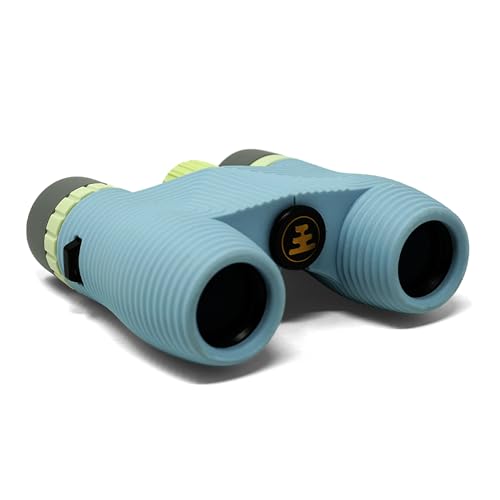
Nocs Provisions Standard Issue 10×25 Binoculars
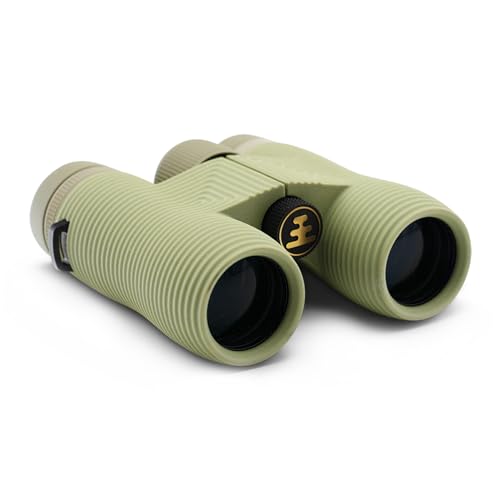
Nocs Provisions Field Issue 10×32 Waterproof Binoculars

Vortex Diamondback HD 10×42 Binoculars

Bushnell 10x42mm Trophy XLT Binoculars

Nocs Provisions Zoom Tube 8×32 Monocular

Vortex Crossfire HD 10×42 Binoculars

ATN BlazeSeeker 6 207-1.2-9.6X Thermal Monocular

ATN BlazeSeeker 6 210-1.7-13.6X Thermal Monocular

ATN BlazeHunter XD 2-16x Thermal Monocular
A Closer Look At Each Pick
The Standard Issue sits in that rare zone of glass that genuinely disappears into a jacket pocket. At roughly 11.85 ounces and built around a fully multi-coated optical path with a Bak4 prism (a high-index glass prism that brightens edge-to-edge clarity), it pulls double duty as a quick-reference tool when you pause mid-trail to scan a distant bench.
For hunters who cover a lot of ground on foot, the appeal is the form factor more than raw brightness. You can pull it out one-handed, get a reading, and keep walking without breaking stride. Compare that to the larger Vortex options later in this list, and the trade-off becomes obvious: less low-light reach, more mobility.
Positive Takeaways
- Pocketable size means it actually gets carried on long hikes
- Anti-reflective multi-coating helps in shaded draws and north-facing slopes
- Sealed and fog-proof body shrugs off morning dew and light rain
- Central focus wheel adjusts quickly during a moving glass session
Honest Caveats
- 25mm objective lenses gather less light than the 42mm options in this list, so the final twenty minutes of legal light feel muted
- The compact chassis is less stable for extended viewing without bracing against a tree
Right Fit For
Walk-in hunters and still-hunters who want a binocular that disappears into a coat until the moment a buck steps out at 80 yards.
Skip It When
The Vortex Diamondback HD 10×42 is a better match when dusk glassing is the priority, since the larger objective lens pulls in noticeably more light.
Step up in objective size to 32mm and you get a meaningfully brighter image without the bulk of full-size 42mm glass. The Field Issue tips the scale near 16.7 ounces, which most hunters find reasonable to hang around the neck from first light to the final sit.
An oversized focus wheel is the quietly important detail. With cold fingers or gloves, you can dial in a sharp image from 9.3 feet to infinity without fumbling, which matters when a buck pops up while you’re still settling into position. Versus the pocket-friendly Standard Issue, this is the more honest “real binocular” pick.
Why It Works Well
- 32mm objective balances brightness with pack-friendly weight
- Fully coated optics paired with a Bak4 prism keep colors true at the edges
- Scratch- and fog-resistant housing handles truck-bed storage between hunts
- Close-focus distance around 9.3 feet is useful for checking trail-cam setups
Things To Consider
- Still not as bright in the last ten minutes of light as a 42mm roof prism binocular
- Mid-size chassis requires a slightly wider harness pocket than pocket-binocular designs
Built With In Mind
Whitetail hunters who bounce between a climber, a tripod, and long walks to a stand and want one binocular that covers all three scenarios.
A Better Fit Elsewhere
Reach for the Bushnell Trophy XLT 10×42 if you regularly glass wide ag fields at first light and want every photon you can get.
The Diamondback HD earns its place in any whitetail conversation because of the optical recipe behind the lens cap. Select glass elements and full multi-coating on every air-to-glass surface work together to tame chromatic aberration (the colored fringing you sometimes see around high-contrast branches) and keep color fidelity honest across the field of view.
At 10×42 it lands in the sweet spot for most Eastern and Midwestern hunting: enough magnification to read body language across a 200-yard food plot, enough objective lens to keep the picture bright when the sun is dipping behind the treeline. Where the smaller Nocs picks ask you to compromise, this one stops negotiating.
Good Reasons To Consider
- 10×42 format pulls in extra light for extended dusk glassing
- Multi-coated lens system delivers crisp, high-contrast images in dim cover
- HD glass elements help separate antler tines from bare branches at distance
Trade-Offs
- Full-size 42mm chassis adds noticeable neck weight on long stalks
- Higher price tier than entry-level 10×42 models, which may stretch a starter budget
Feature Snapshot
Best Suited To
Whitetail hunters who spend more time at the edge of a clearing than on the move and care about image quality in fading light.
Reach For A Different Pick When
The Vortex Crossfire HD 10×42 is the smarter call for hunters who want a binocular harness included out of the box.
The Trophy XLT has been a quiet workhorse in hunting camps for years, and the 6.2-degree apparent angle of view (the angular width of what you see at 1,000 yards) is its sleeper feature. That wide window means you spend less time hunting for the deer through the optic and more time watching movement at the edge.
On long sits, that wider field reduces eye strain and helps you track a cruising buck without losing him in the lens edges. The 10×42 format delivers familiar brightness, and the waterproof housing shrugs off a rain squall on an exposed ridge.
Useful Strengths
- Generous 6.2-degree field of view simplifies tracking moving deer
- 10×42 size handles full-day glassing without excessive bulk
- Waterproof construction survives long sits in wet weather
- Time-tested optical formula known for dependable color rendering
Small Caveats
- Not as bright in the deepest twilight as premium HD glass competitors
- Body styling skews traditional, which may feel dated next to sleeker roof-prism designs
Made For
Stand hunters and food-plot watchers who sweep a wide edge multiple times an hour and want easier target acquisition.
Consider Something Else When
The Vortex Diamondback HD 10×42 is the better choice for hunters who put a premium on edge sharpness and chromatic control.
The Zoom Tube bends the rules a bit by being a monocular rather than binoculars, and that is exactly why it earns a spot here. At about 9.5 ounces it is the lightest optic on this list, which makes it appealing when every ounce in the pack matters on a multi-mile approach.
You give up the depth perception (the brain’s ability to judge distance using slightly different views from each eye) that two-eyed glassing provides, but you gain a single tube that lives in a jacket pocket or chest rig. A 384-foot field at 1,000 yards is generous for an 8x monocular and works well for quick reads on a buck’s direction or antler count.
Practical Advantages
- Sub-10-ounce weight is genuinely backpack-friendly
- Bak4 prism and multi-coating preserve edge brightness for a monocular
- Simple one-handed operation helps during a stalk
Less Ideal Details
- Single-eye viewing means less depth perception for judging exact distance
- Only water-resistant rather than fully waterproof, so it wants a dry pocket in heavy rain
Who Should Grab It
Spot-and-stalk hunters who already carry binoculars on a harness and want an ultralight backup optic for quick reference.
Look Elsewhere When
The Nocs Provisions Field Issue 10×32 is the right pick when depth perception and steadier two-handed viewing matter more than absolute weight.
The Crossfire HD borrows much of the optical philosophy that makes the Diamondback so effective, then wraps it in a kit that solves a real-world problem: how to actually carry the glass all day without it swinging into your rifle scope or snagging on brush.
The included GlassPak harness distributes weight across both shoulders and lets the binocular ride tight against your chest until needed. For hunters who log long days in the woods, that carrying system can matter more than a small bump in optical quality.
Standout Benefits
- GlassPak harness included for comfortable, snag-free carry
- HD optics deliver sharp resolution at 10×42 in low-light cover
- Rugged chassis tolerates cold mornings and truck-cab storage
Points To Note
- GlassPak harness adds a learning curve for first-time users
- Marginal optical edge over the Diamondback may not justify a step up in cost for some
Quick Facts
Whose Shelf It Belongs On
Whitetail hunters who want a complete carry solution straight out of the box rather than buying a binocular and harness separately.
Swap It Out When
The Bushnell Trophy XLT is the better match when a wide field of view at the stand is your top priority and the harness is less important.
Once legal light fades, conventional binoculars stop being useful, and thermal imaging takes over. The BlazeSeeker 6 207 reads heat signatures (infrared radiation given off by warm bodies) through a 256×192 sensor, which is the entry-tier resolution for nighttime scouting but enough to pick a bedded buck out of a dark food plot.
SharpIR AI image enhancement is the underappreciated feature here: it cleans up the raw sensor image enough that small details like ear position or a curled-up bedded deer read clearly at moderate distance. This model is also the more affordable entry into the ATN thermal line compared to its larger siblings.
Everyday Perks
- Variable 1.2-9.6x magnification covers wide scans and close-in reads
- SharpIR AI processing improves target identification
- 32GB of onboard storage for photos and video of recovery and scouting work
Potential Drawbacks
- 256×192 sensor resolution is modest next to higher-tier thermal units
- Battery life on handheld thermals is shorter than daytime binocular use, so charging habits matter
Who It Suits Best
Hunters who want a thermal scouting tool for after-dark blood-trailing and stand prep without stepping up to the priciest thermal units.
Where A Sibling Pick Shines
The ATN BlazeHunter XD 2-16x is the better match when a 1280-resolution sensor and a built-in laser rangefinder matter more than budget.
The 210 version of the BlazeSeeker 6 is the same thermal platform as the 207 above but with a longer focal length lens. That extra reach means you start at 1.7x and can push to 13.6x magnification, which is genuinely useful for picking apart a wide field at night where the deer might be four or five hundred yards out.
For hunters working agricultural areas, larger woodlots, or open ridgetop pastures, that base magnification pays off in fewer missed bucks. The trade-off is a narrower field of view at the low end, so scanning wide takes more panning motion.
What Stands Out
- Higher base magnification reaches farther across open terrain
- SharpIR AI keeps edges crisp at the top of the zoom range
- Same 32GB storage and handheld form factor as the 207 model
A Few Limitations
- Narrower field at low magnification means slower wide-area scanning
- Sensor resolution still capped at 256×192, which limits fine detail at distance
Feature Rundown
Perfect Match For
Whitetail hunters working larger properties or wide food plots where deer might show up at distances conventional glass struggles with after dark.
Not Your Match When
The ATN BlazeSeeker 6 207-1.2-9.6X is a better fit for tighter woodlots where a wider scanning field matters more than long reach.
The BlazeHunter XD is what you reach for when a thermal monocular has to do real work across a full season. The 1280×1024 sensor is a big step up from the 256-pixel platform of the BlazeSeeker models, and the difference shows up as cleaner edges, easier ID of partially concealed deer, and readable antler shape at range.
A built-in 1000-meter laser rangefinder adds distance data on the same screen, which removes one tool from your pack on evening stalks. The 1920×1080 OLED display, Wi-Fi connectivity, and 32GB of storage round out a system that doubles as a scouting camera and recovery tool.
Noteworthy Benefits
- 1280×1024 sensor resolution delivers sharp thermal detail
- Integrated 1000m laser rangefinder cuts weight and gear in the pack
- IP67 weather rating handles dust, rain, and brief immersion in a creek crossing
- SharpIR AI plus Wi-Fi streaming support modern scouting workflows
Things To Weigh
- Premium thermal systems cost meaningfully more than entry-tier models
- Full feature set has a learning curve for hunters new to thermal menus and overlays
Feature Card
Who Will Love This
Whitetail hunters who scout hard after dark, run larger properties, and want one device that handles thermal imaging, distance reading, and recording in the field.
A Better Fit Elsewhere
The ATN BlazeSeeker 6 207-1.2-9.6X is the friendlier starting point for hunters new to thermal who want the learning curve kept simple.
What Matters Most When Choosing Glass For Whitetail Hunting
Magnification and Objective Lens Match
The two numbers on every binocular tell most of the story. Magnification, the first number, controls how much detail you see. Objective lens size, the second number, controls how much light the optic gathers. For most whitetail scenarios, 10x magnification is a reliable middle ground: enough reach to read a buck at 200 yards, not so much that hand shake makes the image unusable without bracing.
Field of View and Edge Sharpness
A wider field of view makes it easier to find deer that suddenly appear at the edge of your scan. The Bushnell Trophy XLT’s 6.2-degree field is a good example of how this number changes real-world hunting. Edge sharpness matters too: cheaper optics tend to soften the picture at the edges, which is exactly where a moving buck often appears.
Low-Light Behavior and Coatings
Fully multi-coated optics, where every air-to-glass surface receives an anti-reflective coating, deliver noticeably brighter images at dawn and dusk. HD glass elements help by reducing the colored fringing you sometimes see around branches at high magnification. If you regularly hunt the last fifteen minutes of legal light, these features earn their place in your kit.
Form Factor, Weight, and Carry System
A binocular that lives in a truck is no binocular at all. For all-day hunts, weight and harness design matter as much as optical quality. Compact models disappear into a jacket, while full-size 42mm glass rewards a proper harness for hours of carry.
Things Worth Thinking Through Before You Commit
Wrong Turns To Avoid
A common trap is buying the highest magnification you can afford, only to discover that 12x or 15x glass turns every heartbeat into a wobble. Another is chasing sensor pixel counts in thermal units without considering the lens focal length, since a higher-resolution sensor behind a short lens rarely helps. Hunters new to thermal also tend to skip the menu setup, then blame the unit for fuzzy output that a quick configuration would have solved.
Where The Extra Money Goes
Stepping up from entry-level glass to mid-tier buys you better coatings, HD glass elements, and a more comfortable chassis. Stepping up to premium thermal units buys you a denser sensor, an integrated rangefinder, and the kind of weather sealing that lets you hunt in weather you would otherwise skip. The honest question is how often those features matter for the way you actually hunt, because gear that stays in a drawer never earns its keep.
Frequently Asked Questions
What magnification is best for whitetail deer hunting?
Ten-power is a strong all-around choice for whitetail hunting because it gives enough reach to read body language and antler shape at typical stand distances, while still staying steady enough for handheld use. Eight-power works better for hunters who walk long distances and want a wider, steadier image.
Are 42mm binoculars better than 32mm for low light?
Generally yes, because the larger 42mm objective lens gathers more light and produces a brighter image in dim conditions. The trade-off is extra weight and bulk, so hunters covering a lot of ground on foot often prefer the lighter 32mm format.
Do I need thermal for whitetail hunting?
Thermal is not required, but it is extremely useful for after-dark scouting, blood trailing after a shot, and identifying bedded deer in thick cover. Many hunters run conventional binoculars for daytime sits and add a thermal monocular as a complementary tool.
Can I use the same binocular for hunting and birdwatching?
Most 10×42 binoculars work well for both because the optical priorities, sharpness, color accuracy, and low-light performance overlap heavily. Compact 10×25 or 10×32 models also bridge both hobbies, though they trade a bit of brightness for portability.
How do I care for binoculars in the field?
Lens caps on when the glass is in your pack, a lens wipe or microfiber cloth for fog and grit, and a dry storage spot in the truck go a long way. Avoid hanging binoculars on the rearview mirror, where heat and vibration slowly degrade the chassis over a season.