
Spotting a buck in the next ridge before it spots you changes everything about a hunt. The right glass pulls distant terrain close enough to read body language, antler shape, and movement, without giving away your position. This roundup pulls together eight binocular and spotting scope options covering different budgets, magnifications, and hunting styles, so you can match the optic to the way you actually hunt.
The Choices Worth Comparing

Vortex Diamondback HD 10×42 Binoculars

Bushnell 10x42mm Trophy XLT Binoculars

Vortex Copperhead HD 10×42 Binoculars

Maven CS2A 26-66x85mm Spotting Scope
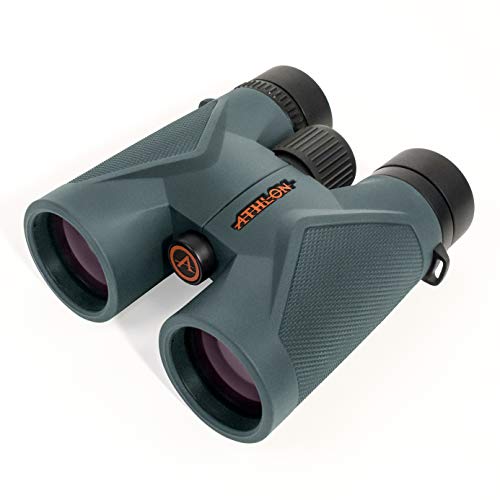
Athlon Optics 8×42 Midas UHD Binoculars

Steiner Marine 7×50 Binoculars

Vortex Crossfire HD 10×42 Binoculars

Vortex Viper HD 12×50 Binoculars
A Closer Look At Each Pick
For most hunters chasing deer and elk across ridgelines, the Vortex Diamondback HD 10×42 lands in a sweet spot. The 10x magnification pulls distant game close enough to judge antler width, while the 42mm objective lens gathers enough light for dawn glassing sessions. Compared to the Bushnell that follows, this optic leans harder toward color purity and edge sharpness.
The armored housing shrugs off bumps against saddle horns and pack frames. Adjustable eyecups work well for users who wear glasses during scouting hikes. For most western hunts at moderate distances, the glass-to-weight ratio is hard to argue with.
Advantages To Know
- HD optical system reduces color fringing around high-contrast edges like antler tines against open sky.
- Fully multi-coated lenses keep the image bright during the last hour of legal shooting light.
- Rubber armor over a magnesium chassis holds up to repeated pack-in hunts without weighing you down.
- Long eye relief suits glass wearers on long days behind the optic.
Things To Consider
- 10x magnification shows handshake on a tripodless stand, especially after a long climb.
- Lens caps can rattle loose during a fast stalk.
Quick Facts
Right Fit For
Spot-and-stalk hunters covering big western basins who want a versatile optic that handles both dawn glassing and midday scouting.
Consider Something Else When
For glassing from a fixed truck window or blind where stabilization matters most, the Steiner Marine 7×50 offers a steadier image thanks to its lower magnification.
The Bushnell Trophy XLT 10×42 brings waterproofing that matters more than the spec sheet suggests. Anyone who has watched rain roll sideways across a coastal ridge or fog form in a humid river-bottom knows wet optics end hunts early. This pair shrugs off weather that sidelines cheaper glass.
The wide 6.2-degree angle of view (the width of the visible scene measured in degrees) makes tracking moving animals easier than narrower binos. Where the Vortex Diamondback emphasizes sharpness, this Bushnell leans into situational awareness across a wider field.
Noteworthy Benefits
- Waterproof sealing keeps internal fogging out during cold-weather hunts.
- Wide field of view simplifies following deer running through brush.
- Rubberized body grip stays secure with cold hands or gloves.
Points To Keep In Mind
- Color fidelity trails HD-class glass in flat overcast light.
- 10x weight adds up across a full day of constant carry on a chest harness.
Whose Shelf It Belongs On
Hunters in the Pacific Northwest, Great Lakes region, or anywhere rain is a real variable during peak season.
Reach For A Different Pick When
For glassing pronghorn across wide prairie flats where magnification matters more than weatherproofing, the Vortex Viper HD 12×50 pulls in more detail.
The Copperhead HD sits as Vortex’s gateway to HD glass. New hunters upgrading from a department-store binocular notice the difference immediately: edges stay sharp toward the rim of the view, and color doesn’t bleach out at the edges the way budget optics tend to.
Adjustable eyecups and a diopter adjustment (a small ring that fine-tunes focus for each eye separately) let users dial in a custom fit, which matters more than spec sheets admit. For someone borrowing gear, sharing between family members, or buying a first “real” binocular, this hits a sensible tier.
What Works In Its Favor
- HD optical system brings color and clarity above typical entry-level performance.
- Waterproof, fogproof, and shockproof build handles rain, temperature swings, and the occasional drop.
- Custom-fit diopter and twist-up eyecups suit varied users.
Worth Bearing In Mind
- Low-light performance falls behind the Diamondback HD.
- Lens coating is less robust than higher Vortex lines, so cleaning requires care.
Technical Highlights
Right Fit For
First-time hunters stepping up from borrowed or basic glass who want HD clarity without crossing into premium pricing.
Skip It When
For dedicated western hunters chasing elk all season, the Diamondback HD offers stronger low-light performance worth the upgrade.
Unlike any binocular on this list, the Maven CS2A is a spotting scope, which changes how you hunt. You set up on a ridge, tripod-mounted, and read animals at distances where handheld binos turn everything to a shake. The 26 to 66x zoom handles everything from mid-range deer to sheep across a canyon.
ED glass (extra-low dispersion glass that reduces color fringing) and an 85mm objective push this into premium territory. The magnesium frame keeps weight reasonable for the size, though it is still a tripod piece, not a walk-around optic.
Why It Works Well
- ED glass produces clean, high-contrast images at the high end of the zoom range.
- 85mm objective gathers light for long sessions deep into dusk.
- Magnesium frame balances strength and pack weight better than aluminum alternatives.
- Wide magnification range replaces multiple fixed-power scopes for varied terrain.
Trade Offs
- Requires a tripod for usable images, which slows mobile hunting styles.
- Premium pricing puts it out of reach for casual weekend hunters.
The Key Facts
Made For
Open-country hunters working sheep, goat, or mule deer in basins where distance and tripod-supported glassing define success.
A Better Fit Elsewhere
For hunters covering thick timber and short shots, the Vortex Crossfire HD 10×42 keeps you mobile and handles the brush work better.
The 8×42 Midas UHD earns its place by trading magnification for stability. At 8x, hand shake is barely noticeable, which matters when glassing from a kneeling position on uneven ground. The 426-foot field of view at 1000 yards is wider than the 10x competition.
ED glass and phase-corrected prisms (prism coatings that align light for sharper contrast) push the optical performance past what most expect at this tier. The longer 17.2mm eye relief helps glasses wearers see the full field cleanly.
Standout Benefits
- Wider field of view makes finding and tracking moving animals easier than 10x binos.
- ED glass with phase correction sharpens contrast across the image.
- Long eye relief accommodates glasses and sun protection side-by-side.
- Close focus of about 6.5 feet covers mid-range butterfly and insect observation on slow days.
Possible Compromises
- Lower magnification means judging distant antlers requires more glass time.
- 25-ounce weight sits in the middle of the pack for full-size binos.
Best Suited To
Hunters who glass from knees, blinds, or uneven ground and value a steady image over extra reach.
Where Another Pick Suits Better
For western elk hunters needing to read 800-yard ridges, the Vortex Viper HD 12×50 adds the magnification distance the Midas trades away.
The 7×50 Marine does one thing better than every other optic on this list: it gathers light at dawn and dusk. The 50mm objectives and 7x magnification yield a 7.1mm exit pupil (the disc of light your eye receives, larger pupils mean brighter images in dim conditions), which is wide enough to fill dark-adapted pupils. When legal light is short, that matters.
The Sports Auto Focus system holds focus from about 20 yards out, so you stop cranking the wheel during fast action. The trade is heavier carry and lower magnification for distance reads.
Positive Points
- Bright image during low-light windows when most big game moves.
- Sports Auto Focus eliminates constant refocusing during action.
- Rugged marine-grade build handles boat spray and rain.
Things To Weigh
- 7x magnification requires tripod or rest for distant target ID.
- Heavier 7×50 body sags on long neck strap carries.
Who Should Grab It
Whitetail hunters who hunt the first and last legal minutes and need every photon the optic can pull.
Swap It Out When
For sheep or sheep-country hunting across open basins at long range, the Maven CS2A spotting scope is a better reach tool.
The Crossfire HD comes bundled with the GlassPak binocular harness, which sounds like a small detail until you spend eight hours wearing binos around your neck. The harness distributes weight across the shoulders, keeps glass ready at chest height, and prevents the neck-strap swing that spooks nearby game.
Optically, the Crossfire HD runs just behind the Diamondback HD but ahead of the Copperhead. For hunters who already own a tripod and want a comfortable carry system, this package saves buying a separate harness.
The Good Stuff
- Included GlassPak harness improves all-day comfort and quick glass access.
- HD optical system keeps image quality well above entry tier.
- Rubber armor and sealed construction handle rough field use.
Honest Caveats
- Sharpness at the edge of the view trails the Diamondback HD.
- Harness sizing runs large for smaller-framed hunters.
Right Fit For
Run-and-gun hunters who already own a tripod and want a binocular-and-carry system ready to use out of the box.
Look Elsewhere When
For hunters wanting maximum optical performance for the money, the Vortex Diamondback HD edges out the Crossfire in clarity.
The 12×50 Viper HD is the reach tool for open country. Where the Diamondback pushes 10x, this one pushes 12x, and the larger 50mm objective keeps light transmission high enough to justify the magnification. Spotting pronghorn across a 1,000-yard flat gets noticeably easier.
It is also the lightest 12×50 in this roundup, which softens the usual penalty of extra magnification. The included GlassPak chest harness matches the Crossfire setup.
The Practical Payoff
- 12x magnification reads distant game that 10x leaves as a moving dot.
- Lightweight for a 12×50 keeps all-day carry realistic.
- HD glass with full coatings preserves color fidelity at the higher magnification.
- GlassPak harness ready for long stalk sessions.
Trade-Offs To Consider
- 12x amplifies handshake, so tripod or braced position helps.
- Field of view narrows compared to 8x or 10x binos, slowing target acquisition.
Who Will Love This
Western plains and prairie hunters pursuing pronghorn, mule deer, and sheep where distance is the rule and magnification pays off.
Not Your Match When
For dense timber or eastern whitetail hunts with most shots under 200 yards, the wider field of the Athlon Midas 8×42 suits the close country better.
Factors To Weigh Before Buying Binoculars For Long Range Hunting
Match magnification to your terrain. Open country and western basins reward 10x to 12x, while eastern timber and close-cover hunting favors 8x for stability and a wider field.
Look at objective size versus weight. A larger objective gathers more light but adds pack weight. Most hunters carrying glass all day settle on 42mm as the practical sweet spot.
Check optical quality markers. ED glass reduces color fringing at long distances, and fully multi-coated lenses (multiple anti-reflective coatings on every glass surface) keep images bright in low light. These features matter more than brand badges when comparing two similarly priced binos.
Consider how you carry them. A binocular harness or chest rig keeps glass ready and prevents neck fatigue. The included harness on the Crossfire and Viper packages is a real-world bonus.
Key Considerations Across These Picks
Mistakes Worth Dodging
Buying more magnification than your terrain needs leaves you with shaky, narrow views. Most eastern hunters rarely need 12x, and most western hunters struggle past 10x without a tripod. Match the optic to the hunt.
Skipping weather sealing to save money usually backfires. A single wet morning can fog internal optics and end a season. Sealed, waterproof construction is worth the small step up in tier.
Where The Extra Money Goes
Higher-tier optics put money into glass quality, coatings, and mechanical precision. The difference shows up in edge sharpness, color accuracy, and how well the optic handles cold-weather use.
For most hunters, the upgrade from entry HD to mid-tier HD pays off in years of use, not weeks of bragging. Spending up makes more sense when you hunt often and in varied conditions, rather than once a year.
Frequently Asked Questions
What magnification works best for long-range hunting?
For most western hunters, 10x covers the practical range of binocular use. Anything past 12x usually needs a tripod or steady rest to be useful on game.
Are 10×42 binoculars enough for spotting elk at long distances?
Yes, for typical mid-range glassing on foot. A 10×42 pair with HD glass reads body and antler shape out to several hundred yards, which covers most hunting situations.
Do I need ED glass in a hunting binocular?
ED glass reduces color fringing around high-contrast edges. It is most noticeable at long distances and in flat light, so it is worth prioritizing if you hunt open country.
Should I buy a binocular harness separately?
A harness keeps binos at chest level, prevents swing, and distributes weight across the shoulders. Hunters covering ground all day usually find a harness more comfortable than a neck strap.
Can I use a spotting scope instead of binoculars?
For glassing from a fixed setup on open terrain, a spotting scope reaches further than binoculars. For moving through timber or spot-and-stalk hunting, binoculars remain the better all-around tool.