
You spend more time looking down than ahead on any decent hike, and the wrong pair of shoes will remind you of that fact within the first mile. Blisters, soggy socks, and ankle wobble on loose gravel can turn a great trail into a slog. The ten pairs below cover the spectrum: light hikers for fast loops, burly boots for rough terrain, retro sneakers for casual walkers, and waterproof shells for wet climates. Pick by terrain, mileage, and how often you lace up.
A Fast Comparison Of The Options
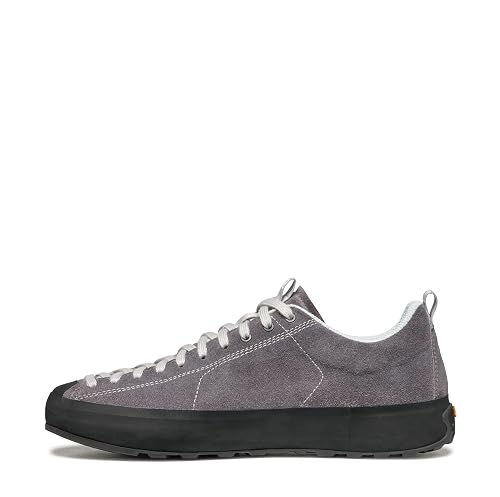
SCARPA Men’s Mojito Wrap Walking Shoes
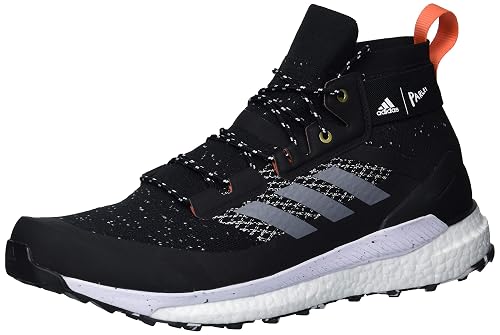
adidas Men’s Terrex Free Hiking Shoe
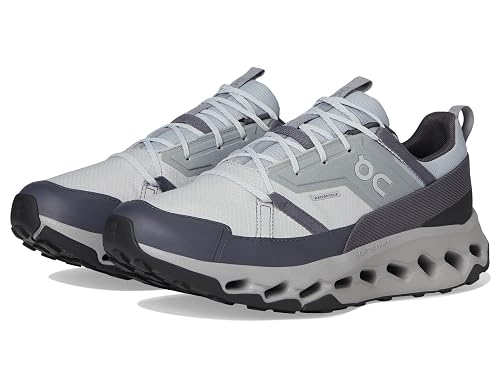
On Mens Cloudhorizon Waterproof
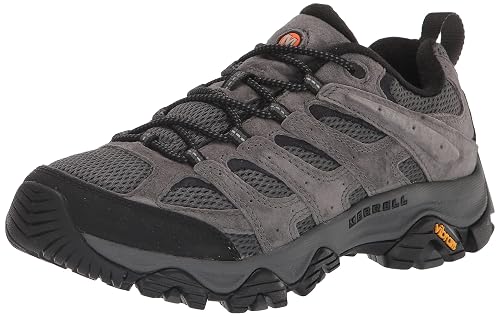
Merrell Men’s Moab 3 Hiking Shoe
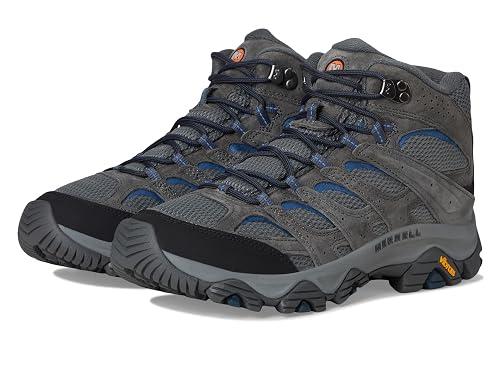
Merrell Men’s Moab 3 Mid Hiking Boot
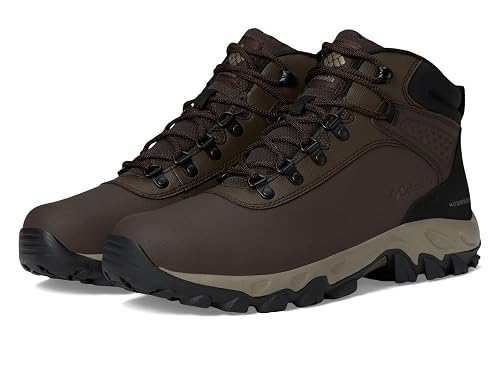
Columbia Newton Explorer
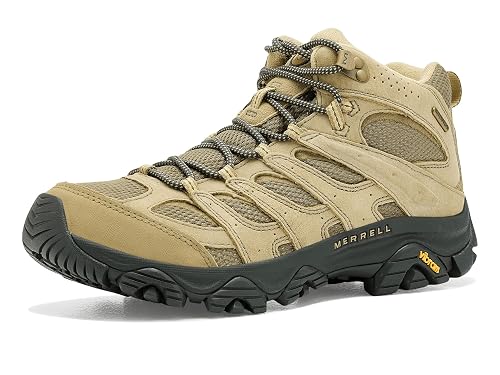
Merrell Moab 3 Mid Waterproof Hiking Boots
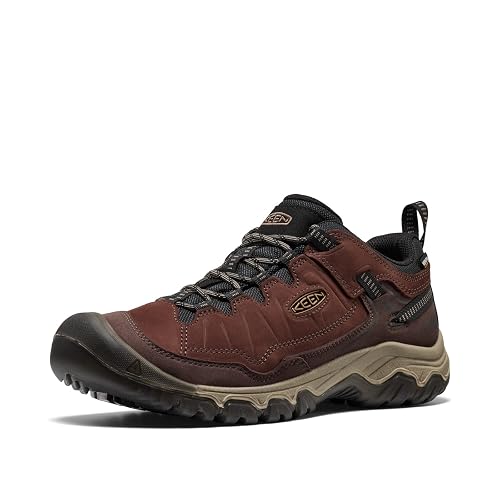
KEEN Men’s Targhee 4 Low Height Waterproof Hiking Shoes

KEEN Men’s KS86 Comfortable Retro Style Sneakers
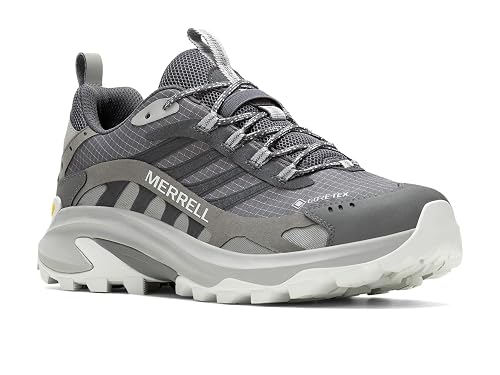
Merrell Mens Moab Speed 2 GTX
A Closer Look At Each Pick
SCARPA built the Mojito Wrap for hikers who want approach-shoe confidence without the clunky boot look. The wraparound design borrows from climbing shoes, which means the rand (the rubber band that wraps the toe and sides) protects your feet when you kick loose rocks or scuff against boulders. For someone easing into trail life on mellow fire roads and well-marked loops, that extra protection feels reassuring.
The shoe sits low to the ground and runs on the casual side, so it doubles nicely for post-hike errands. Sizing runs narrow, and anyone with a broader forefoot should try a pair on before committing. Compared to the On Cloudhorizon later in this list, you trade plush cushioning for a more grounded, sticky feel on rock.
Standout Benefits
- Climbing-shoe rand protects toes from scuffs and trail debris on rocky approaches.
- Sticky rubber outsole grips well on wet rock and dusty slabs alike.
- Low profile and casual styling work for trail-to-town wear without a shoe change.
- Light enough for fast-moving day hikes where agility matters more than armor.
Things To Consider
- Limited cushioning underfoot means long miles on hard-packed trail may leave your feet tired.
- Narrow last (the molded foot shape inside the shoe) can squeeze wider feet; sizing up may be needed.
- Suede upper tends to show wear and absorb mud, so plan on brushing them down after muddy walks.
Who It Suits Best
A new hiker tackling easy to moderate terrain who wants one shoe that handles trail days and casual weekends without looking overly technical.
Where Another Pick Suits Better
The KEEN Men’s Targhee 4 Low Height Waterproof Hiking Shoes will suit you better if you have a wider forefoot or hike through wet grass and creek crossings often.
Where the SCARPA Mojito leans casual, the adidas Terrex Free leans athletic. The Continental rubber outsole (a high-grip compound borrowed from adidas’s running lineup) chews into dirt and scree with confidence, and the wide forefoot gives toes room to splay on long descents. For hikers who treat trails like a workout, this shoe reads more like a trail runner with extra protection than a traditional hiker.
The fit skews roomy, so people with narrow heels may want to cinch the laces carefully. Compared to the Merrell Moab 3 ahead, the Terrex Free is noticeably lighter on foot, which matters when you stack vertical gain on every outing. You give up some ankle security and weather sealing in exchange.
A Few Strong Suits
- Continental rubber outsole grips confidently on wet rock and loose dirt.
- Lightweight build reduces fatigue on long, rolling terrain where every ounce adds up.
- Roomy toe box lets feet spread naturally on downhill sections.
- Reinforced toe cap resists rock strikes on rugged trails.
Trade Offs
- Lacks a waterproof membrane, so wet grass and shallow crossings will soak through quickly.
- Low-cut design offers minimal ankle support on uneven, rocky ground.
- Mesh upper can snag on thorny underbrush, depending on your trail’s vegetation.
Made For
Fitness-minded hikers logging fast miles on dry, rocky terrain who want a runner’s feel with trail-ready grip.
Look Elsewhere When
The Merrell Men’s Moab 3 Hiking Shoe will suit you better if you want a more cushioned ride for all-day comfort on varied terrain.
The Cloudhorizon brings On’s signature CloudTec cushioning to the trail. Helion superfoam (a nitrogen-infused EVA blend that bounces without packing out) sits inside a fully waterproof bootie-style construction, so puddles and morning dew stop being obstacles. For hikers who log long days on hard-packed surfaces, the cushioning reduces the knee and lower-back ache that builds after ten miles of concrete-grade trail.
Compared to the SCARPA Mojito Wrap ahead in this list, the Cloudhorizon is a far softer ride, but it’s also a chunkier shoe. The platform feels planted rather than nimble, so technical scrambles demand more foot placement attention. Fit runs slightly narrow through the midfoot, depending on your foot shape.
Positive Points
- CloudTec cushioning softens impact on long, hard-packed trails and reduces joint fatigue.
- Waterproof membrane keeps feet dry through wet grass and shallow puddles.
- Speed-lacing system (a thin cord and toggle closure) lets you dial fit quickly at trailheads.
- Cushioned collar (the foam ring around the ankle opening) prevents rubbing on long descents.
Worth Noting
- Stack height (the distance from ground to foot) feels tall, lowering agility on rocky scrambles.
- Cushioning softens ground feel, which can mute traction feedback on loose terrain.
- The waterproof membrane reduces breathability, so hot-weather hikers may find them clammy.
Key Specs
Right Fit For
Long-distance hikers on well-maintained, hard-packed trails who prioritize cushioning and weather protection over technical agility.
Reach For A Different Pick When
The adidas Men’s Terrex Free Hiking Shoe will suit you better if you want a lighter, nimbler shoe for fast, dry scrambles and trail running style outings.
The Moab 3 sits at the center of this list for good reason. Merrell refined the midsole cushioning and updated the insole support compared to earlier Moab versions, while keeping the roomy toe box that has made the line famous. Out of the box, the break-in period is minimal, which removes one of the most common barriers between new hikers and a comfortable first season.
The Vibram outsole (a high-traction rubber compound produced by the Italian Vibram brand) handles everything from dry dirt to wet roots without complaint. Compared to the On Cloudhorizon just above, the Moab trades plushness for better ground feel, which helps when you’re picking lines through rocky stretches. It’s heavier than trail runners but quieter and more protective underfoot.
The Helpful Details
- Updated supportive insole reduces arch fatigue on multi-hour hikes.
- Vibram rubber grips confidently across rock, dirt, and root-strewn terrain.
- Roomy toe box accommodates thicker socks and lets toes splay on downhills.
- Reinforced heel cup (the structured cup that cradles the heel) keeps the foot centered over rough ground.
- Minimal break-in means comfortable first hikes without a painful warmup phase.
Minor Gripes
- Heavier than trail-running style shoes like the adidas Terrex Free.
- Mesh sections collect fine debris, so a quick brush-down after trail use keeps the upper breathable.
Quick Facts
Best Suited To
All-purpose day hikers who want one shoe that handles varied terrain, modest loads, and shifting weather without specializing.
A Better Fit Elsewhere
The Merrell Men’s Moab Speed 2 GTX will suit you better if you want a lighter, more athletic Moab for faster hikes on mixed trails.
The mid-cut Moab 3 trades the low-top version’s breathability for ankle security, and the difference shows on rocky, off-trail terrain where your foot can roll unexpectedly. The shaft rises above the ankle bone, so a twisted step on loose scree is far less likely to send you stumbling. For hikers carrying a daypack across uneven ground, that extra support earns its weight back in confidence.
Compared to the standard Moab 3 above, this version is heavier and warmer, which is a fair trade in shoulder seasons and a poor one on summer desert hikes. The same updated insole and softened midsole carry over, so the comfort story stays consistent with the rest of the Moab family. If you’ve ever rolled an ankle on a flat-looking trail, this is the safety net within the lineup.
Useful Touches
- Mid-cut shaft stabilizes the ankle on rocky, root-strewn terrain.
- Vibram outsole delivers consistent traction across wet and dry surfaces.
- Roomy toe box reduces pressure points during long descents with a loaded pack.
- Updated insole support reduces foot fatigue over multi-hour outings.
Room For Improvement
- Heavier than low-cut alternatives, so it’s not the pick for fast-paced hikes.
- Less breathable in hot weather, which can leave socks damp on summer trips.
Who Will Love This
Hikers tackling uneven terrain with daypacks who want ankle support without committing to a full backpacking-weighting boot.
Swap It Out When
The Merrell Moab 3 Mid Waterproof Hiking Boots will suit you better if you regularly cross wet terrain, creek beds, or muddy stretches where a sealed membrane matters.
The Newton Explorer leans into Columbia’s outdoor heritage with a waterproof leather upper, metal hardware, and a supportive Techlite midsole. Leather takes a bit longer to break in than synthetic mesh, but it pays you back with better weather sealing and longer wear life. For hikers who hit wet grass, snow patches, or muddy early-spring trails, that sealed construction stops being a luxury and starts being essential.
Compared to the Merrell Moab 3 Mid above, the Newton Explorer feels stiffer and more structured on initial wear. After a handful of hikes, the leather softens and the fit relaxes into something more forgiving. The Omni-Tech membrane (Columbia’s proprietary waterproof-breathable lining) keeps water out while letting some heat escape, depending on conditions.
What Earns Its Place
- Waterproof leather upper blocks rain, snow, and shallow puddle soak-through.
- Techlite midsole delivers long-lasting cushioning with high energy return on hard trails.
- Metal hardware and reinforced build extend the shoe’s usable lifespan.
- Omni-Tech waterproof membrane handles wet weather without bulk.
Honest Caveats
- Leather upper requires a longer break-in than mesh alternatives.
- Periodic leather conditioning (applying a cream or wax to keep leather supple) maintains water resistance over the years.
Feature Snapshot
Perfect Match For
Wet-climate hikers and early-season walkers who face rain, mud, or snow patches and want a durable, weather-resistant shoe.
Not Your Match When
The KEEN Men’s KS86 Comfortable Retro Style Sneakers will suit you better if you mostly hike dry park paths and want a lighter, sneaker-style option.
The waterproof version of the Moab 3 Mid adds a sealed membrane inside the leather and mesh upper, which keeps creek crossings and rain showers from ending your hike early. For hikers in the Pacific Northwest, the Northeast, or anywhere with regular shoulder-season weather, the upgrade from the non-waterproof Moab 3 Mid above pays for itself the first time you step in a hidden puddle.
The mid-cut shaft still wraps the joint without restricting motion, and the Vibram outsole handles wet roots and slick rocks with confidence. The trade-off shows up in breathability. On warm, dry days, the membrane holds in heat and moisture, so the boots run warmer than the non-waterproof Moab versions. Most hikers accept that trade happily once a wet trail proves the point.
Everyday Perks
- Sealed waterproof membrane keeps feet dry through creek crossings and rain.
- Mid-cut shaft adds ankle support for uneven terrain with daypacks.
- Vibram outsole maintains traction on wet, muddy trails.
- Updated insole support eases arch strain on multi-hour hikes.
- Roomy toe box lets toes spread naturally during steep downhills.
Points To Note
- Waterproof membrane reduces breathability, so feet run warmer in hot, dry weather.
- Heavier than low-cut or non-waterproof alternatives, which adds fatigue over very long distances.
Built With In Mind
Hikers in wet climates or shoulder seasons who tackle muddy trails, shallow creek crossings, and rain without wanting to change plans around the forecast.
Consider Something Else When
The Columbia Newton Explorer will suit you better if you want a sleeker, waterproof shoe for groomed trails and lighter loads.
KEEN built its reputation on a wider, more accommodating last than most hiking brands, and the Targhee 4 keeps that heritage alive. The toe box gives broad feet room to breathe, and the company’s signature rubber toe cap (a thick bumper wrapping the toes) protects against rock strikes that would punish narrower shoes. If you’ve ever felt squeezed by a standard hiking fit, the Targhee 4 changes the conversation.
The fused upper construction (where the upper and outsole are bonded directly rather than stitched) reduces water entry, and the KEEN.DRY membrane (a proprietary waterproof-breathable lining) keeps rain and puddle splash out. Compared to the Merrell Moab 3 above, the Targhee runs wider and slightly more protective up front, depending on your width and toe shape.
Where It Excels
- Wide, accommodating fit suits broader feet that struggle with standard lasts.
- Rubber toe cap protects against rock strikes on rugged terrain.
- KEEN.DRY waterproof membrane blocks water while letting heat escape.
- Fused upper construction reduces seam failures over time.
- All-terrain outsole grips confidently on dirt, gravel, and wet rock.
Potential Drawbacks
- Wider fit may feel loose for hikers with narrow heels.
- Cushioning is firmer than plush competitors like the On Cloudhorizon.
Spec Overview
The Right Fit
Hikers with broad forefeet or anyone who has struggled to find a hiking shoe that doesn’t squeeze their toes on long descents.
Where A Sibling Pick Shines
The Merrell Men’s Moab 3 Hiking Shoe will suit you better if you prefer a slightly narrower, more athletic fit with comparable traction.
The KS86 is the wildcard on this list. It wears like a retro sneaker, with a recycled mesh upper and casual styling, but underneath sits a genuine aggressive tread designed for outdoor grip. For hikers who mostly hit park paths, gravel rail trails, and easy dirt loops, that balance of style and function hits a sweet spot the rest of this list doesn’t quite reach.
Compared to the SCARPA Mojito Wrap at the top of this roundup, the KS86 trades approach-shoe precision for casual versatility. It’s not the shoe for technical scrambles or backcountry terrain, but for dog walks that turn into hikes and weekend errands that lead to trailheads, it’s an easy grab. The wider KEEN fit returns, which broad-footed hikers will appreciate.
A Favorable Mix
- Retro sneaker silhouette works for daily wear without looking like a hiking shoe.
- Aggressive tread grips dirt paths and gravel trails confidently.
- Recycled mesh upper keeps the shoe light and breathable.
- Wider KEEN last suits users with broader forefeet.
Where It May Fall Short
- No waterproof membrane, so wet conditions soak through quickly.
- Limited ankle support rules it out for rocky or uneven terrain.
Whose Shelf It Belongs On
Casual walkers and town-to-trail users who want one shoe that handles errands and easy hikes without a wardrobe change.
Skip It When
The Merrell Men’s Moab 3 Hiking Shoe will suit you better if you want a more traditional hiking build for varied terrain and longer miles.
The Moab Speed 2 GTX is what happens when Merrell takes the Moab DNA and lightens the chassis. Vibram TC5+ rubber (a high-performance Vibram compound tuned for grip-to-weight balance) anchors the outsole with redesigned traction lugs, while the Gore-Tex liner seals out water without adding much weight. For hikers who want Moab’s trail credibility in a faster, more athletic package, this is the answer.
Compared to the standard Merrell Moab 3 Hiking Shoe earlier in this list, the Speed 2 trades some plushness and break-in ease for agility and weight savings. It’s the shoe for people who treat a day hike like a workout and don’t want to lug a traditional hiker underfoot. Depending on your foot volume, you may find the athletic fit snug through the midfoot.
Points In Its Favor
- Vibram TC5+ rubber with redesigned traction lugs for better grip on mixed terrain.
- Gore-Tex waterproof membrane keeps feet dry through wet conditions.
- Lighter than the standard Moab 3 for faster, more athletic hikes.
- Updated chassis balances cushioning with ground feel for confident foot placement.
Some Limits To Know
- Athletic fit may feel snug for hikers used to roomier traditional lasts.
- Lighter build offers less underfoot armor than burlier hiking boots.
- Higher cost reflects the Gore-Tex and Vibram premium components.
Quick Facts
Who Should Grab It
Fast-paced hikers who want Moab’s trail credibility in a lighter, athletic shoe that handles wet conditions and varied terrain.
Another Choice May Suit
The On Mens Cloudhorizon Waterproof will suit you better if you prioritize plush cushioning over athletic agility on long, hard-packed trail days.
What Matters Most Before Choosing Day Hiking Shoes
Fit And Foot Shape
Foot shape matters more than any feature on the spec sheet. A shoe that cramps the toes on a downhill grade will ruin the day faster than a missing waterproof membrane. Brands lean in different directions. KEEN runs wide and accommodating, while SCARPA and adidas trend narrower. Trying on shoes with the socks you plan to hike in saves a season of regret.
Terrain And Climate
Mileage means little without terrain context. Smooth rail-trail walking punishes feet differently than rocky scrambles with a loaded daypack. Match the shoe to the hardest terrain you expect, not the easiest. Climate matters too. Waterproof membranes like Gore-Tex and Omni-Tech add warmth and seal out water, but they trap heat in dry summer hiking. Hot, dry hikers may prefer breathable mesh versions like the adidas Terrex Free.
Cushioning Vs Ground Feel
Cushioning softens impact on long, hard-packed trails, but it can mute traction feedback on technical terrain. Plush shoes like the On Cloudhorizon reduce joint fatigue. Grounded shoes like the SCARPA Mojito Wrap give you better feel for what’s underfoot. The right call depends on the surfaces you walk most often and any joint history you bring to the trail.
Construction And Weight
Traditional hikers balance protection, weight, and durability in ways that suit most day hikers. Athletic hiking shoes (hiker-hybrids that borrow from trail running) cut weight at the cost of armor. Mid-cut boots add ankle support but bring extra ounces. Each gram matters less than you think, but the cumulative weight of a poorly matched pair shows up by mile eight.
Smart Buying Advice For Trail Shoppers
Common Shopping Slip Ups
The most common mistake is buying shoes that feel fine in the store but fail on the trail. Store floors are flat and short, while trails pitch and roll for hours. Try shoes with your hiking socks, walk downhill on an inclined surface, and give the toe box a squeeze. Another misstep is assuming waterproof always wins. In dry, hot hiking, that membrane holds in sweat and heat, which creates its own discomfort.
The Case For Spending Up
Higher-priced hiking shoes usually add waterproof membranes, premium outsoles like Vibram, and more durable construction. For hikers who log frequent miles in rough conditions, those upgrades extend shoe life and improve comfort enough to justify the difference. For occasional park-path walkers, a budget pair handles the workload without the extra cost. The honest read is to match the spend to your mileage and terrain, not the brand name on the box.
Frequently Asked Questions
How should day hiking shoes fit?
A proper fit leaves about a thumb’s width of space at the front of the toe box, with the heel locked in place and no pinching across the ball of the foot. Your toes should be able to wiggle freely inside the shoe, even after the laces are cinched.
Do I need waterproof hiking shoes?
Waterproof membranes matter most in wet climates, shoulder seasons, and trails with stream crossings or morning dew. In dry, hot conditions, they trap heat and moisture, which can be more uncomfortable than the rain they would otherwise block.
How long do day hiking shoes typically last?
Most day hikers see 500 to 800 miles from a quality pair before cushioning and outsole grip noticeably fade. Heavy pack loads and rocky terrain shorten that window, while lighter use on smooth trails extends it.
Can I use running shoes for day hiking?
Trail running shoes work for fast, dry hikes on maintained trails, but they lack the toe caps, aggressive outsoles, and protective uppers of dedicated hiking shoes. On rocky or wet terrain, hiking-specific construction pays off.
How do I break in new hiking shoes?
Start with short walks on flat ground, then gradually add distance and uneven terrain over a week or two. Wearing them around the house and on errands before a big hike helps the upper materials conform to your foot without trail pressure.
Closing Remarks
The best day hiking shoe is the one that fits your foot, matches your terrain, and stays comfortable after mile five. The Moab 3 Hiking Shoe covers most hikers well, but narrower feet may prefer the SCARPA Mojito Wrap, while broader feet often land on KEEN. For wet climates, the Moab 3 Mid Waterproof or Moab Speed 2 GTX make stronger sense than breathable mesh options. Pick by what your trails ask of you, and your feet will thank you somewhere around mile eight.