
Building trophy-class antlers takes more than luck; it takes the right nutrition poured into a herd season after season. Whitetail bucks drop and regrow their racks every year, and the mineral density, protein level, and trace nutrients available in late summer and fall directly shape next season’s score. The shelf is full of options, from bagged pellets and pressed blocks to seed blends you actually plant, and each works differently depending on your land, your herd size, and how hands-on you want to be. This roundup sorts the practical options from the overhyped ones, with a clear look at who each product suits and what trade-offs come with it.
The Lineup, Simplified

Ani-Logics Outdoors ANI-Supplement Gold Deer Attractant 50 lb
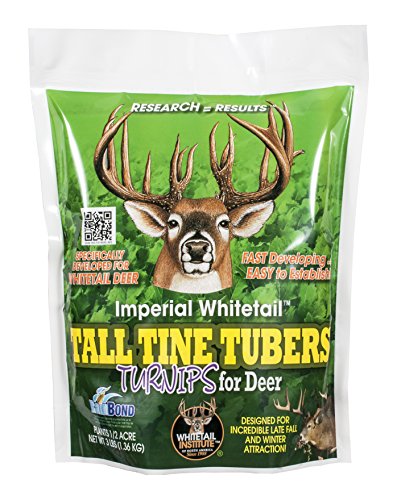
Whitetail Institute Tall Tine Tubers Deer Food Plot Seed
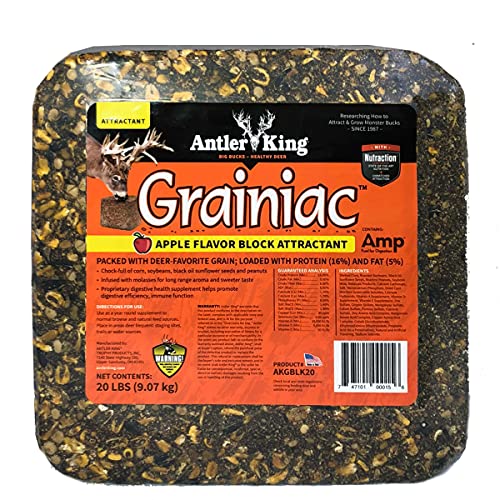
Antler King Apple Flavored Grainiac Block for Deer 20 lb

Whitetail Institute FUSION Deer Food Plot Seed Clover and Chicory

Ani-Logics Outdoors Crush Acorn Block Deer Attractant 20 lb

Ani-Logics Outdoors ANI-Supplement Gold 20 lb
A Deeper Look At The Lineup
For landowners managing a real herd across an entire year, the 50-pound bag of Ani-Logics Outdoors ANI-Supplement Gold is built around the long game rather than a quick attraction play. The formula carries the brand’s Ani-Shield TX4 additive alongside chelated trace minerals (trace minerals bound to organic molecules for easier absorption) and probiotics that help deer actually break down what they’re eating. You pour it into a trough or gravity feeder and let it do the work while you focus on glassing edges and checking cameras.
Unlike the Tall Tine Tubers seed we’ll look at next, this is a feed, not a plot, so you don’t need tilling equipment or a wait window before rain. It fits properties where you want nutrition on the ground every week of the year, especially through summer stress and the post-rut recovery window when bucks are burned down and need rebuilding protein.
Benefits That Matter
- Year-round usability from spring through late winter, so you don’t swap products with the season
- Protein-forward profile designed to support hard-antler development in growing bucks
- Ani-Shield TX4 inclusion aimed at immune response alongside mineral uptake
- Mold inhibitors built in, helping the feed hold up in humid southern climates
- Large 50-pound format that fits serious herd managers running multiple feeders
- Works as both a nutrition source and a steady draw to keep deer cycling through your property
Trade Offs To Consider
- 50 pounds is heavy to haul and store; you’ll want a dry bin or chest on-site
- Higher per-bag cost than smaller bagged options like the 20-pound version we’ll cover later
- Works best paired with a covered trough, since rain exposure can clump the finer portions
Feature Snapshot
Right Fit For
Landowners running year-round feeding programs across mid-to-large parcels who want one product to cover spring, summer, fall, and winter without swapping bags.
Skip It When
Smaller acreage owners may prefer the lighter 20-pound Ani-Supplement Gold bag, which carries the same formulation in a more manageable size.
Whitetail Institute Tall Tine Tubers takes a different angle than the ANI-Supplement Gold we just looked at: you don’t pour it, you plant it. The mix is built around turnip varieties that produce both leafy greens above the soil and bulbous roots below, giving deer two food sources from one plot through fall and into the cold months when natural forage thins out. For hunters in northern climates with a hard frost on the way, this is the plot that keeps drawing does and bucks after most native browse is gone.
It’s a true food plot product, which means you need workable ground, a way to prep the seedbed, and a sense of timing. Plant too late and you’ll get sparse germination; plant at the right window and the tonnage can be remarkable. The payoff is a forage field that feeds the herd and your trail cameras at the same time.
Where It Delivers
- Dual-purpose turnips create both top-growth forage and below-ground bulbs deer paw through snow to reach
- Strong cold tolerance suits northern hunting properties with long winters
- Available in 3-pound and 12-pound sizes so you can match the bag to your acreage
- Draws does and bucks consistently through the late season when pressure peaks
Worth Noting
- Requires tillable ground and basic seedbed prep, unlike bagged feed you just pour
- Single-season annual, so you’ll replant yearly rather than getting multi-year stands
- Dry summer weather during germination can thin stands without irrigation
Right Fit For
Northern and transitional-zone hunters with tillable plots who want a heavy late-season draw after frost and during the post-rut window.
Consider Something Else When
Landowners without tilling equipment or seedbed prep will get more reliable results from a perennial like Whitetail Institute FUSION covered further down.
The Antler King Grainiac Block trades hands-on feeding for a set-and-forget approach that suits people who can’t check troughs every week. The pressed 20-pound block carries 16% protein and 5% fat, which is a meaningful calorie load for late summer and the post-rut recovery window when bucks need to rebuild body condition. Apple flavoring drives initial curiosity, and once deer key in on a site, the block becomes a regular stop rather than a one-time visit.
Compare that to Ani-Logics’ crushed-grain feed approach: the block format is less wasteful in wet weather and doesn’t require a covered trough. You drop it where you want activity and let the herd work it down at its own pace.
What Pays Off
- 16% protein supports antler-building nutrition through the critical summer-to-fall window
- 5% fat content helps bucks recover body condition after the rut
- Pressed-block format sheds rain better than loose grain, suiting wet climates
- Apple flavoring draws deer consistently from the first placement
- No feeder equipment required, ideal for remote or hard-to-access stands
Honest Caveats
- Soft blocks can occasionally crumble in transit, so inspect on arrival
- 20-pound size runs out fast on high-density herds, requiring multiple blocks per site
- Raccoons and other wildlife sometimes work the block before deer find it
Right Fit For
Property owners who want a low-effort, year-round nutrition station without buying a feeder or checking troughs on a strict schedule.
Look Elsewhere When
Landowners managing heavy herd pressure across multiple stations may prefer the bulk 50-pound Ani-Supplement Gold bag for less frequent restocking.
FUSION is what you plant when you don’t want to redo a plot every year. The blend pairs the brand’s proprietary clover with WINA perennial forage chicory, a deep-rooted forb (a broad-leaved, non-grass plant) that punches through dry spells and keeps producing when shallow-rooted crops quit. The result is a perennial plot that returns season after season and pushes protein content high enough to matter for antler growth during the critical late-summer window.
Where Tall Tine Tubers gives you a heavy fall-and-winter draw, FUSION delivers steady forage across spring, summer, and fall from a single planting. That makes it the right call for managers who’d rather till once and manage for years.
Useful Strengths
- Perennial blend reduces yearly replanting cost and labor
- Heat and cold tolerance widens the planting geography significantly
- Drought-tolerant chicory component keeps forage producing through dry spells
- High protein content supports both antler growth and lactation in does
- Available in 3.15-pound and 9.25-pound bags sized to small and larger plots
Some Limits To Know
- Establishment year produces less volume than mature stands, so plan patience
- Soil pH (acidity level) matters; you’ll likely need lime on acidic ground for strong clover
- Doesn’t deliver the cold-season bulb draw that turnip-based plots provide
Feature Snapshot
Right Fit For
Multi-season food plotters who want a perennial clover-chicory stand they can establish once and manage across several hunting seasons.
Swap It Out When
Hunters focused on a heavy late-season draw should consider Whitetail Institute Tall Tine Tubers, which is tuned for cold-weather attraction.
The Crush Acorn Block from Ani-Logics Outdoors leans into a flavor profile deer genuinely key on in hardwood country: acorn. The 20-pound pressed block is built to last between site visits, which matters when you’re running a trail-camera survey and want a steady stream of hit-list bucks passing through a single location over weeks rather than days. Compared to the loose-grain ANI-Supplement Gold, this block format slows consumption and spreads activity across a longer window.
It’s also one of the easier products on this list to deploy. You open the package, set the block, walk away, and let the camera do the rest of the work for you.
Key Advantages
- Acorn flavoring resonates with deer in oak-heavy regions where natural mast is familiar
- Long-lasting format reduces how often you need to visit remote sites
- Nutrient profile aimed at herd health and antler development simultaneously
- Ingredients designed to keep the block fresher longer than typical pressed blocks
- Effective for holding deer between feeder fills and creating reliable camera targets
Points To Keep In Mind
- Acorn flavor may pull less response in regions without oak mast as a familiar scent
- Hard pressed blocks can occasionally arrive chipped from shipping pressure
- Best paired with a flat ground site or stump rather than soft soil that holds moisture against the block
Feature Snapshot
Right Fit For
Landowners running trail-camera surveys in oak-dominant regions who want bucks cycling past a predictable site over several weeks.
Reach For A Different Pick When
Managers in non-oak regions may get stronger response from the Antler King Grainiac Block, whose apple flavor works independent of local mast.
The 20-pound version of ANI-Supplement Gold carries the same grain-based formula as the 50-pound bag covered earlier, just in a smaller package that fits small-acreage owners and weekend properties. You still get the Ani-Shield TX4 additive, the balanced protein profile, and the year-round usability, but in a form a single person can comfortably lift and pour. It’s a sensible starter size if you’re testing how your herd responds to a free-choice supplement before committing to a larger bulk bag.
For people managing a hunting lease with shared costs, the smaller bag also spreads investment more evenly across a season without a giant upfront outlay.
Practical Advantages
- Manageable 20-pound size suits single-person handling and small storage setups
- Same Ani-Shield TX4 additive and protein profile as the larger 50-pound version
- Year-round feeding usability from spring green-up through late winter
- Lower upfront cost than the bulk bag, easier on seasonal budgets
- Works as a year-round whitetail supplement without seasonal swapping
Less-Strong Areas
- Runs out faster than the 50-pound bag, requiring more frequent restocking on busy sites
- Per-pound cost runs higher than the bulk option when feeding year-round at scale
- Same storage considerations as the larger bag: keep it sealed and dry
Right Fit For
Small-acreage landowners and new managers testing a year-round supplement program before scaling up to bulk feeding.
Not Your Match When
Managers running multiple stations across larger acreage will find the 50-pound Ani-Supplement Gold more economical over a full season.
Picking The Right Deer Nutrition Program For Your Property
Choosing deer feeds for antler growth comes down to three practical decisions: do you want to plant forage, pour supplement, or drop a block. Each format suits a different property type and level of hands-on management, and mixing them across a season usually beats betting everything on a single approach.
Match Product Format to Your Time and Equipment
Bagged supplements like the Ani-Logics Outdoors ANI-Supplement Gold line require a trough or gravity feeder but no ground prep, which suits properties where you can drive a truck to a site but don’t want to till soil. Food plot seeds like Whitetail Institute Tall Tine Tubers and FUSION need workable ground, a basic seed drill or broadcaster, and a sense of planting windows. Blocks like the Antler King Grainiac and Ani-Logics Crush Acorn are the lowest-effort option: set the block, walk away, check back in a few weeks.
Match Protein and Mineral Density to Your Herd’s Needs
Bucks build antlers from late spring through early fall, with peak mineral demand hitting during the velvet stage in summer. Look for products listing protein in the mid-teens or higher, paired with chelated trace minerals for better absorption than standard mineral salts. Does in late gestation and lactation pull similar protein loads, so a herd-wide supplement benefits more than just the bucks you’re after.
Match Seed Selection to Your Region and Soil
Clover-chicory blends like FUSION thrive in transitional and northern zones with reliable moisture, while turnip-heavy mixes like Tall Tine Tubers push hard late-season tonnage in colder climates. Soil pH drives clover performance significantly, so a lime application the season before planting pays off in stand density. Southern hunters may prefer warm-season blends over these cool-season picks.
Layer Multiple Approaches Across the Year
The strongest nutrition programs usually combine a planted perennial like FUSION for baseline forage, a poured supplement like ANI-Supplement Gold during the antler-growth window, and a block like the Crush Acorn at trail-cam sites for inventory work. Each covers a different weakness the others leave open.
Key Considerations Across These Picks
Pitfalls Shoppers Hit
The most common mistake is buying a 50-pound bag without confirming a dry storage spot, only to find the feed clumps or molds before you use it. Another frequent trap is assuming a single product covers both spring planting and summer supplementation; a clover seed blend won’t feed deer in May while you’re waiting on germination, and a poured supplement won’t replace a tonnage-producing plot in October. Match the format to your real timeline rather than buying one product and forcing every season to fit it.
Where The Extra Money Goes
The bulk 50-pound bags like the ANI-Supplement Gold carry a higher sticker but lower cost per pound, which matters on year-round programs. Premium blends like Whitetail Institute FUSION charge for years of proprietary clover breeding, and that research shows up in stand persistence and protein content. Blocks with extended-release additives like the Crush Acorn cost more per pound than basic mineral blocks because the flavor and freshness chemistry are tuned, not generic. Paying up makes sense when you’re managing serious acreage or running trail-cam inventory; for casual weekend feeding, the smaller bags and simpler blocks do the job.