
Paddling a canoe means accepting one truth from the start: water finds everything. A reliable dry bag keeps spare clothes, electronics, and lunch safe during swamped crossings, summer thunderstorms, and the inevitable capsizes that come with learning. The right pick depends on how much you haul and how rough your stretch of water gets.
A Side-By-Side Look

Sea to Summit Big River Dry Bag 13L
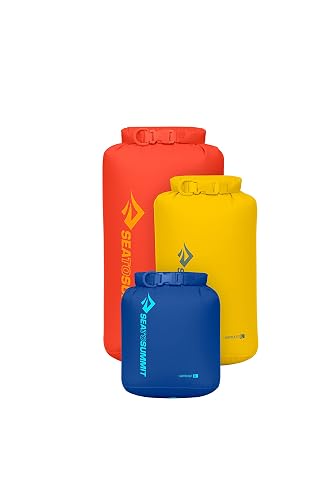
Sea to Summit Lightweight Dry Bag 3-Piece Set
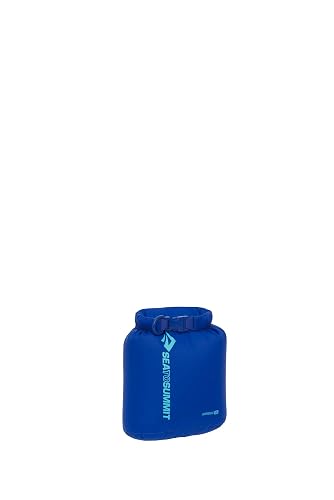
Sea to Summit Lightweight Dry Bag 1.5L
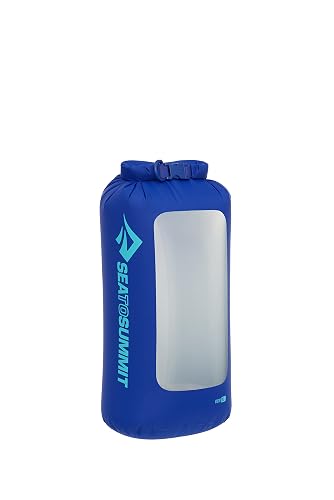
Sea to Summit View Dry Bag See-Thru
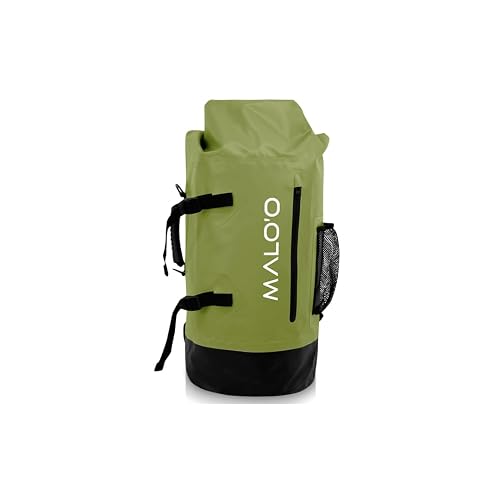
Malo’o 45L Waterproof Dry Bag Backpack
A Closer Look At Each Pick
When your canoe trip stretches beyond a single afternoon, the Big River earns its name. At 13 liters, it swallows a change of base layers, a rain shell, and a small electronics pouch without crowding the bow tank. The bag is built around a TPU-coated 420D nylon shell (TPU, or thermoplastic polyurethane, is a flexible waterproof film laminated to fabric), with a triple-coated base that takes the worst of rocky landings and barnacle-scraped launches.
Inside, a white laminate lining helps you spot a buried battery pack instead of digging blind. Compared with the lighter Lightweight Dry Bag 3-Piece Set that follows, this one trades packability for sheer durability. Recreational paddlers running Class I and II rivers will appreciate that margin of safety most.
What Stands Out
- Heavy-duty 420D TPU-coated fabric shrugs off abrasion from gunwales and gravel landings
- Triple-coated base spreads wear over the part of the bag that touches ground
- White interior lining makes small items visible in low light under a canoe thwart
- Roll-top closure folds clean for quick portage around a rapid
Points To Note
- Heavier than ultralight options, which adds up on long portages
- 13-liter capacity can feel tight for multi-day camp-and-paddle trips
Feature Snapshot
Right Fit For
Weekend paddlers and gear-haulers running rivers with rocky landings who want one tough bag instead of several.
Where Another Pick Suits Better
If you need to carry 45 liters and want backpack straps for portage, the Malo’o 45L Waterproof Dry Bag Backpack makes more sense.
A trio of dry bags gives you staging space that a single sack cannot. The Lightweight Dry Bag 3-Piece Set nests smaller-to-larger so you pack electronics in one, layers in another, and camp kitchen in the third, then nest them for storage at home. For canoeists running shuttled day trips with a small group, that organization removes a lot of digging at the lunch stop.
Where the Big River 13L fights back abrasion with thick fabric, this set trims weight to keep the canoe light on the portage trail. The thinner PU-coated shell is easier on shoulders but asks more of you when setting the bag down on rough terrain.
Strong Points
- Three sizes let you separate wet, dry, and shared items without extra sacks
- Lighter overall carry than carrying one giant dry bag plus extras
- Nesting design saves closet space during the off-season
Honest Caveats
- No internal divider, so contents shift unless you pack tight
- Thinner fabric than the Big River 13L, so the base scuffs faster on gravel put-ins
- No transparent window, so locating small items takes a moment
Best Suited To
Day-trippers and short-trip paddlers who like separating electronics, layers, and food into their own sacks.
Look Elsewhere When
You want quick visual access to contents; the Sea to Summit View Dry Bag See-Thru serves that need better.
Sometimes a canoe trip demands less, not more. The Lightweight Dry Bag 1.5L handles the small essentials that ruin a day if soaked: a phone, a slim wallet, a car key fob. Its PU-coated 70D nylon body with a DWR finish (durable water repellent, meaning the outer fabric sheds light rain and spray before any moisture soaks through) keeps weight minimal, which is a real virtue on a portage-heavy route.
The Hypalon roll-top closure uses a rubberized strip for a tight fold, and the white interior laminate, similar to the Big River 13L, helps you spot tiny items quickly. Most paddlers will use it as a personal pouch tucked inside a larger bag, not as a primary dry storage piece.
Useful Touches
- 1.5L size fits a phone and keys without bulky padding
- 70D PU-coated nylon keeps total pack weight low
- Hypalon roll-top strip seals tighter than plain fabric folds
- White interior coating improves small-item visibility in a dark canoe
Things To Consider
- Capacity is too small to replace a clothing dry bag on overnight trips
- Lightweight fabric shows wear faster under heavy abrasion
Quick Facts
Whose Shelf It Belongs On
Solo canoeists and short-trip paddlers who need a featherweight pouch for essentials.
Skip It When
You need to stow bulkier items like sleeping bags; the Malo’o 45L Waterproof Dry Bag Backpack carries far more.
Finding a headlamp in a dark dry bag is its own small adventure. The View Dry Bag solves that with a transparent panel that shows everything inside without unrolling the top. Paddlers who route-finding from waterproof maps, packing allergy meds, or sorting snacks at a campsite get real time savings from that one detail.
Unlike the Lightweight Dry Bag 1.5L, which buries small items, the View lets you scan and grab. For recreational canoeists running calm lakes and lazy rivers where abrasion is not the main concern, the visibility trade-off is well worth it.
Bright Spots
- Transparent window saves time hunting for small items
- Roll-top closure matches the rest of Sea to Summit’s line
- Lighter than the Big River 13L for casual day use
Small Limitations
- Clear panel can scuff and cloud with heavy use over time
- Not the toughest shell for rocky portages
- Capacity may run small for bulky camp clothing
Who Should Grab It
Organized paddlers who want to spot maps, snacks, or first-aid kits without rummaging.
Reach For A Different Pick When
You expect to drag the bag across rough ground; the Big River 13L handles abrasion better.
Some canoe trips end in a carry. The Malo’o 45L is built for that handoff between water and trail. Thermo-welded seams and an IPX6 rating (a water-resistance standard meaning it resists powerful jets and heavy spray, though not full submersion) keep contents protected through rain, splash, and the inevitable dunk when stepping off a slippery gunwale.
Padded shoulder straps free up both hands, which is critical when portaging a canoe and gear in stages. At 45 liters, it outclasses the Big River 13L and the entire Lightweight set in raw capacity. Front zip and side mesh pockets add quick-access storage, though as always, mesh is not waterproof.
A Few Highlights
- 45L capacity handles multi-day loads in a single bag
- Backpack straps simplify portages over trail sections
- Thermo-welded seams reduce the chance of leak points
- IPX6 rating stands up to rain and heavy spray
Trade Offs
- Larger than most canoeists need for short paddles
- Side mesh pockets are not waterproof and should not hold electronics
Key Product Details
Built With In Mind
Wilderness paddlers and anglers who haul gear between water and trail on longer outings.
A Better Fit Elsewhere
For quick day trips where capacity is not the issue, the Sea to Summit Lightweight Dry Bag 1.5L is easier to carry.
Picking Dry Bags That Match Your Paddle
Match the bag to the trip, not the other way around. Capacity tops the checklist, because under-buying forces you to leave dry gear behind or strap a soggy pile on deck. A 13-liter bag like the Big River covers a day’s worth of layers for one paddler. A 45-liter pack earns its weight on multi-day wilderness routes where clothing, shelter, and food all need protection.
Material matters next. TPU-coated 420D nylon shrugs off abrasion from rocky landings, while lighter PU-coated 70D nylon trims ounces for short carries. Closure type is the third filter. Roll-top designs with reinforced strips seal cleaner than zippers when folded correctly, and they keep working after a dunk in muddy water. For mixed water-and-trail routes, padded backpack straps can save your shoulders during portages between lakes.
Finally, think about visibility. Transparent panels and white laminate interiors both reduce fumbling, but the panel wears faster. Storage during the off-season matters too: nesting sets save closet space, while a single large pack stands upright and easier to grab.
Picking The Right Capacity For Your Trip
Capacity choices come down to how many people share the load and how long you stay out. A solo day trip usually runs clean with a 1.5L pouch for essentials plus one mid-size bag for layers. Two paddlers on an overnight need a 45-liter bag or a stacked trio of medium sacks to cover clothing, food, and shelter.
Higher-tier bags buy you tougher fabric, welded seams, and backpack straps. You pay more per liter, but the upgrade pays off on rocky rivers where lighter bags scuff through in a season. For calm lake paddling, the lighter tier serves fine and keeps the canoe nimble.
Pitfalls Shoppers Hit
Buying by advertised size alone is the most common slip. Capacity listed as liters can mislead because roll-top closures reduce usable space once you fold them down for sealing. Look for closure depth and bag height together before you commit.
Another trap is treating IP ratings as waterproof promises. An IPX6 rating handles spray and rain but not submersion. Anyone planning a canoe trip that includes wet exits should still pack a backup dry layer in case the bag spends time fully underwater.
Where The Extra Money Goes
Higher-tier pricing reflects fabric weight, seam construction, and carry features. Thermo-welded seams replace stitching, which removes common leak points at the stitch holes. Heavier-denier coatings resist puncture from sharp gear tucked inside the bag. Padded backpack straps, like those on the Malo’o 45L, add cost but transform how a large bag handles on portage.
For casual paddlers on calm water, the upgrade rarely justifies itself. For wilderness travelers, the heavier tier pays for itself across a few rough seasons.
Frequently Asked Questions
How big should a canoeing dry bag be?
A 10 to 20-liter bag handles day-trip clothing and electronics, while overnight and multi-day routes call for 30 to 50 liters of total dry storage across one or more sacks.
Are roll-top closures truly waterproof?
A properly rolled and buckled closure keeps out rain and splash for hours, though full submersion can eventually push water past the fold on most bags.
Can I use a regular backpack as a dry bag?
Standard backpacks use water-resistant fabric and stitched seams that leak at the needle holes, so they fail quickly in heavy spray or any submersion.
How do I clean a dry bag?
Rinse with fresh water, hang open to air-dry away from direct sunlight, and store loosely folded to avoid creasing the coating over time.
Should I get one large bag or several smaller ones?
Several smaller bags help you organize clothing, food, and electronics separately and let you grab what you need without unpacking, which most paddlers prefer on the water.
Bottom Line
The right dry bag depends on trip length, group size, and how rough your water gets. Tough multi-day runners gravitate toward the Big River 13L or the Malo’o 45L, while day paddlers organize well with the Lightweight 3-Piece Set. Match capacity and material to your stretch of river, and your gear stays dry where it counts.