
Salt spray, sudden rain, and a wet deck are part of any boat day, and nothing protects your gear better than a purpose-built dry bag. Whether you’re a weekend angler, a kayak explorer, or a cruiser who wants phones and documents safe, the right dry storage makes the trip calmer. After comparing capacity, materials, closure systems, and how each option holds up in actual boat conditions, these eight picks cover the most common on-water needs for 2026.
A Snapshot Of The Selections
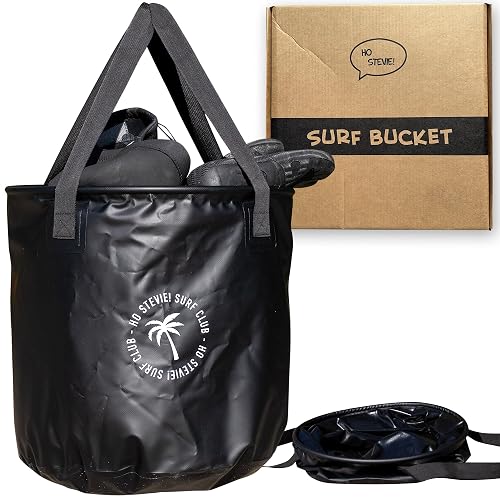
Ho Stevie! Surf Bucket 50L Collapsible Bucket
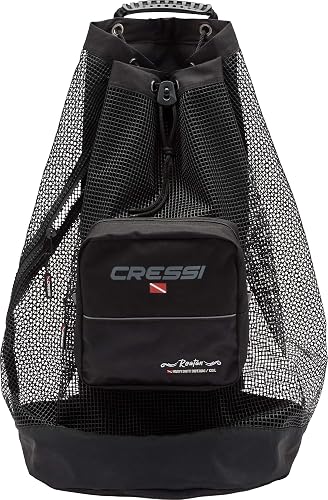
Cressi Roatan Heavy Duty Mesh Backpack 90L

Sea to Summit Big River Dry Bag 13L
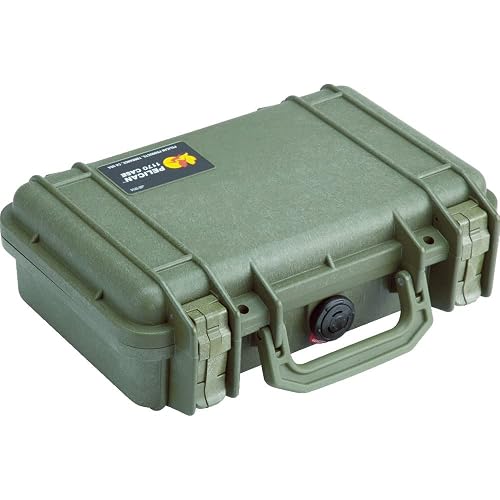
Pelican 1170 Case With Foam (OD Green)
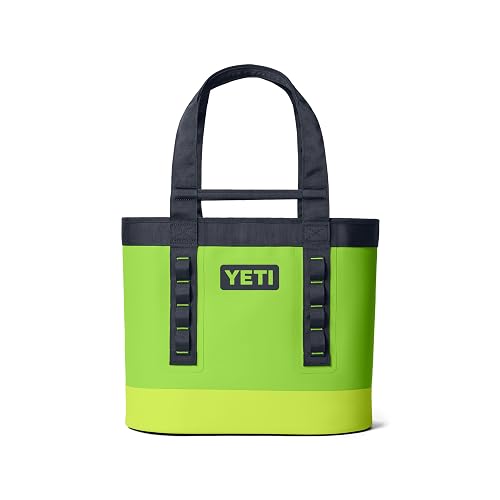
YETI Camino 35 Carryall with Internal Dividers
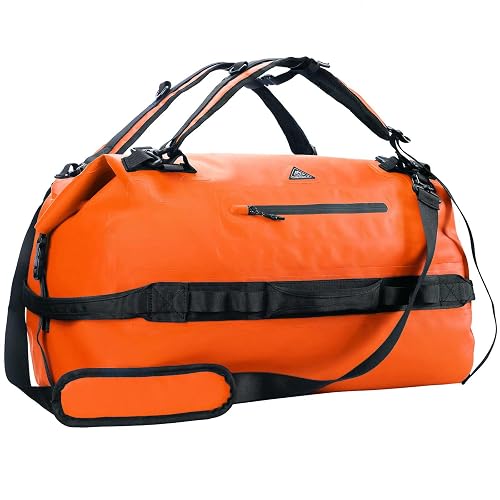
Haimont IPX7 Waterproof Roll-Top Dry Duffel Backpack
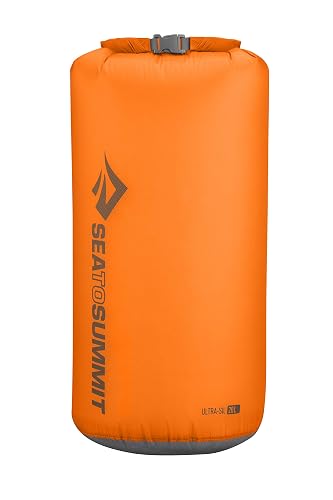
Sea to Summit Ultra-Sil Dry Sack 20L
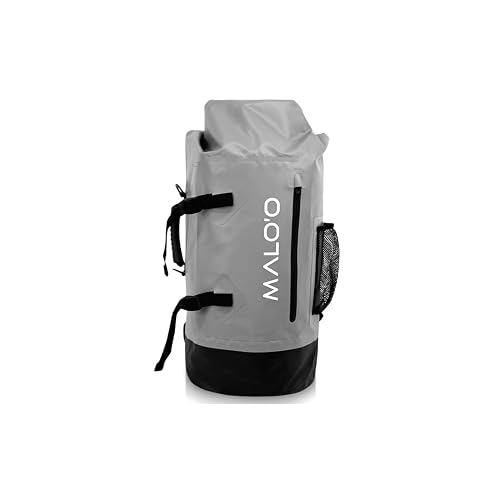
Malo’o 45L Waterproof Dry Bag Backpack
The Picks, Examined More Closely
The Ho Stevie! Surf Bucket leans into a specific frustration: you’ve just finished a long surf session, your wetsuit is soaked, and your car seats are next. Designed as a 50L collapsible waterproof bucket, it gives you somewhere to drop wet gear the moment you leave the water, which is a small habit that pays off every single time.
Measuring roughly 16 inches wide and 15 inches tall, it swallows multiple wetsuits and towels without complaint. Compared to the harder-shell Pelican 1170 Case later on this list, the Ho Stevie! is soft, simple, and far more forgiving when you’re loading damp gear in a moving parking lot.
Advantages To Know
- 50L capacity fits several wetsuits, towels, and a change of clothes at once
- Carry handles make a long beach walk back to the car much easier
- Folds flat when empty for under-seat or trunk storage
- Waterproof construction keeps salty, sandy wet gear contained
Honest Caveats
- Soft walls mean it can slump or tip when not fully packed
- Not built for rough boating decks the way a welded tarpaulin duffel is
Who It Suits Best
Surfers, paddleboarders, and casual beach-goers who want a no-fuss wet-gear handoff from sand to car.
Swap It Out When
Boaters who need true submersible protection should look at the Haimont IPX7 Waterproof Roll-Top Dry Duffel Backpack instead.
The Cressi Roatan is built around a very different idea of dry. Rather than sealing water out, it lets water drain through, which is exactly what you want from a bag that hauls a dripping regulator, BCD, and boots back to the dive shop. A reinforced PVC bottom and high-density polyester construction give it the structure to handle a full scuba kit.
With roughly 90 liters of capacity, it dwarfs the compact Sea to Summit Ultra-Sil Dry Sack later on. Two access points, a drawstring top and a full-length side zipper, make grabbing a fin or mask far easier than digging through a rolled closure.
Bright Spots
- Mesh body and PVC drain bottom let wet gear rinse and air out on the way home
- Semi-dry front pocket keeps phone, logbook, and keys away from soaked kit
- Two openings cut down on the usual scuba-gear fishing expedition
- Italian design pedigree from a respected dive brand
Worth Bearing In Mind
- Mesh design is not waterproof, so dry electronics need a separate inner bag
- Large size can be unwieldy on a small skiff or kayak deck
Made For
Scuba divers and snorkelers hauling bulky, soaking gear between boat and rinse station.
Not Your Match When
If you need to keep items genuinely dry on a wet deck, the Haimont IPX7 Waterproof Roll-Top Dry Duffel Backpack is the more dependable choice.
The Sea to Summit Big River 13L is a serious piece of kit. Its body uses a TPU-coated 420D nylon, which is the brand’s heavy-duty fabric, and a triple-coated base stands up to the kind of abrasion a river or rocky shore dishes out. For a small dry bag, it feels reassuringly overbuilt.
A white laminate interior does something easy to underestimate: you can actually see what you packed. Reinforced waterproof seams are double-stitched and tape-sealed at the stress points, so the bag earns its reputation among kayakers and rafters.
Reasons It Performs
- 420D TPU-coated nylon resists abrasion on rough surfaces
- White interior lining makes contents visible in low light
- Triple-coated base adds life where most dry bags fail first
- Compact 13L size works as a deck-accessible essentials pouch
Things To Consider
- 13L is too small for clothing or full-day kit
Quick Facts
Best Suited To
Kayakers, rafters, and motorcyclists who need a compact, hard-wearing dry bag for essentials.
A Better Fit Elsewhere
For a larger soft bag with more capacity, the Malo’o 45L Waterproof Dry Bag Backpack handles full-day loads.
The Pelican 1170 is not really a dry bag in the rolled-top sense. It’s a hard-shell protective case built around an IP67 rating, meaning it’s both dustproof and submersible to a meter for a limited time. That distinction matters: where the Haimont duffel below keeps splashes out, this case shrugs off full dunkings.
Inside, Pick N Pluck foam lets you shape custom slots for a camera body, lens, GoPro, or a compact rangefinder. An automatic pressure equalization valve keeps the seal reliable across temperature swings, a real plus if your boat runs between morning chill and midday sun.
Features That Help
- IP67 rating means full dust sealing and brief submersion protection
- Ultra High Impact polycarbonate shell resists drops and rough handling
- Pick N Pluck foam lets you customize interior fit
- Automatic pressure equalization valve maintains the seal in changing conditions
- Double-throw latches reduce accidental opening on a moving boat
Some Limits To Know
- Hard shell limits capacity and won’t flex around odd-shaped gear
- Foam inserts add bulk and a small amount of weight to what you carry
Right Fit For
Photographers, anglers with electronics, and anyone carrying fragile gear that needs crush protection as well as water protection.
Skip It When
For soft, packable storage of clothing or larger kits, the Malo’o 45L Waterproof Dry Bag Backpack is a more flexible pick.
The YETI Camino 35 takes a different angle on the category. Instead of a roll-top closure, you get an open-top tote with internal dividers and a Thickskin shell that resists punctures and abrasion. For boaters who hop between sand, dock, and cabin, that tote shape is easier to load with a cooler or a folded towel than a roll-top.
The Camino’s waterproof base handles puddles and wet decks cleanly. Compared to the lighter Sea to Summit Ultra-Sil Dry Sack, this is heavier but built for daily abuse.
Notable Upsides
- Thickskin shell shrugs off punctures from hooks, pliers, and sharp gear
- Internal dividers separate wet from dry items
- Wide tote opening beats roll-tops for fast loading and unloading
- Easy to rinse clean after a sandy beach day
- Holds up as a general-purpose boat, beach, and road-trip bag
Practical Considerations
- Open top is not submersible, so electronics still need inner protection
- Heavier than a basic dry sack when empty
Feature Snapshot
Who Will Love This
Boaters, beach regulars, and road-trippers who want a rugged tote that doubles as a dry carryall.
Reach For A Different Pick When
If you need a fully submersible bag for electronics, the Pelican 1170 Case is a stronger fit.
The Haimont IPX7 dry duffel is aimed at people who treat their boat like a small adventure. It carries an IPX7 rating (meaning it can handle temporary submersion), built from a 500D tarpaulin with high-frequency welded seams, which is the same construction logic you see in whitewater gear.
Where the Sea to Summit Big River is a compact essentials pouch, the Haimont opens up as a duffel-sized pack for full-day kit. Reinforced stress points handle the typical load of clothing, snacks, and a dry layer.
Notable Gains
- IPX7 rating covers brief submersion, useful on rough boat days
- 500D tarpaulin is highly abrasion resistant
- Welded seams eliminate the stitched-leak weak points
- Roll-top plus duffel design works as both carry and pack
Factors To Consider
- Heavier than ultralight dry sacks like the Sea to Summit Ultra-Sil
- Tarpaulin can feel stiff in cold weather
Key Attributes
Built With In Mind
Boaters, kayakers, and motorcyclists who hit wet conditions and want packable, submersible storage.
Where A Sibling Pick Shines
For everyday soft-sided storage at lower weight, the YETI Camino 35 Carryall handles casual boat and beach days.
The Sea to Summit Ultra-Sil 20L is the bag you throw inside a larger pack to keep a sleep system or down jacket dry. At 30D Ultra-Sil Cordura nylon, it’s remarkably light, and the translucent finish makes finding contents straightforward.
A hypalon roll-top closure and a 2,000mm waterhead rating (a measure of how much water pressure the fabric can withstand before leaking) put it well above casual dry sacks. Reinforced seams and stress-point stitching keep it from falling apart after a season of stuffing.
The Upside
- 30D Cordura build keeps weight to nearly nothing
- 2,000mm waterhead rating handles rain and brief splashes
- Translucent fabric lets you spot items quickly
- Packs down small when empty, ideal for stashing on a boat
Possible Compromises
- Thin fabric is not meant for rough, abrasive surfaces
- Not designed to be carried alone under heavy loads
Perfect Match For
Backpackers, bike-packers, and paddlers who want dry organization inside a larger bag.
Look Elsewhere When
For an outer bag that can take real abuse, the Sea to Summit Big River Dry Bag 13L is the tougher sibling.
The Malo’o 45L sits in a useful middle ground. It carries enough kit for a full beach or fishing day yet wears as a backpack, leaving both hands free to handle rods, paddles, or a dock line. An IPX6 rating (meaning it resists strong water jets) covers heavy spray and rain.
Construction relies on DryCore Technology with thermo-welded seams, plus a front zip pocket and side mesh pouches for quick-grab items. Compared to the rigid Pelican 1170, this is a flexible pack for clothing and soft kit rather than fragile electronics.
Everyday Wins
- 45L capacity covers towels, clothes, snacks, and a small tackle kit
- Backpack straps free up both hands for boat handling
- IPX6 rating holds up against rain and spray
- Front zip and side mesh pockets keep small items accessible
- Thermo-welded seams improve long-term leak resistance
Where It Is Less Suited
- Not a substitute for a hard case if you carry fragile electronics
- Empty pack straps can feel floppy until you load it
Whose Shelf It Belongs On
Kayakers, surfers, and shore anglers who want wearable, all-day dry storage.
Consider Something Else When
If you’re hauling scuba gear that needs to drain, the Cressi Roatan Heavy Duty Mesh Backpack is the better tool.
Choosing Dry Storage That Works On Real Boats
Picking dry bags for boating comes down to matching the closure style and rating to the way you actually use the boat, not just to the label on the shelf.
Closure Type And How You Load
Roll-top dry bags use a folded-and-buckled seal that doubles as a handle. They shine when you want fast, sealed access and a slim profile. Open-top totes like the YETI Camino 35 trade sealing for easy loading, which matters when you keep hopping in and out of a boat with a cooler and a towel. Hard cases like the Pelican 1170 are sealed with O-rings and latches, prioritizing impact and submersion protection over flexibility.
Waterproof Rating And Real Conditions
An IP67 rating covers dust and brief submersion, while IPX7 handles temporary dunking. IPX6, like the Malo’o 45L, is built for spray and rain, not full submersion. Match the rating to the worst typical scenario you’ll actually face, not the best-case day.
Materials And The Long Run
TPU-coated nylon (Sea to Summit Big River) and 500D tarpaulin (Haimont) are tougher than lightweight Cordura (Ultra-Sil). Welded seams generally outlast stitched seams on water-resistance. For abrasive boat decks, the heavier fabrics earn their weight back over time.
Key Considerations Across These Picks
Mistakes Worth Dodging
A common slip is choosing the lightest dry sack for a heavy-duty boat day. Thin 30D fabrics survive backpacking, but rough decks will wear through them. Another mistake is treating any bag as waterproof when only a few on this list carry a verified IP rating. Assume nothing stays dry unless the bag is rated and properly closed, especially with roll-tops that need a tight fold.
What The Higher Tier Buys
Premium options like the YETI Camino 35 and Pelican 1170 spend the extra money on shell materials, hardware, and verified sealing. That upgrade matters most for frequent boaters, salt exposure, and electronics. For occasional calm-water days, mid-tier picks like the Haimont duffel still deliver solid protection at a lower cost.
Frequently Asked Questions
What size dry bag do I need for a boat day?
A 20 to 35 liter bag handles a day’s worth of clothing, towels, and snacks for one person. Bigger 45L packs suit full-day or group loads.
Are all dry bags fully waterproof?
No. Mesh bags like the Cressi Roatan drain by design. Among sealed options, ratings vary from splash-resistant IPX6 to submersible IP67.
Can I trust a roll-top closure in rough water?
Yes, when the top is rolled three or more times and buckled. A loose fold is the most common leak point.
How do I clean a dry bag after saltwater use?
Rinse with fresh water, hang open to dry fully, and store loosely rolled. Salt buildup shortens seam life if left behind.
Do I still need a hard case for electronics on a boat?
Often, yes. A hard case like the Pelican 1170 adds crush protection that soft bags can’t match.
Wrap Up
The right dry bag depends on how your boat days actually unfold: divers hauling rinsing gear, paddlers in whitewater, cruisers protecting cameras, or surfers keeping the car dry. Match the closure, rating, and capacity to your most common scenario, and the eight picks above give you a reliable place to start.