
A soaked phone or a damp sleeping bag can ruin a paddle trip faster than rough water. The right dry bag keeps your essentials sealed when spray flies or a capsize hits, so you stay focused on the paddle. Kayakers, rafters, and weekend campers all need storage that holds up to wet conditions and rough handling. This guide walks through five strong options across different sizes and use cases, so you can match the right bag to your next outing.
The Leading Options At A Glance

Sea to Summit Big River Dry Bag 13L
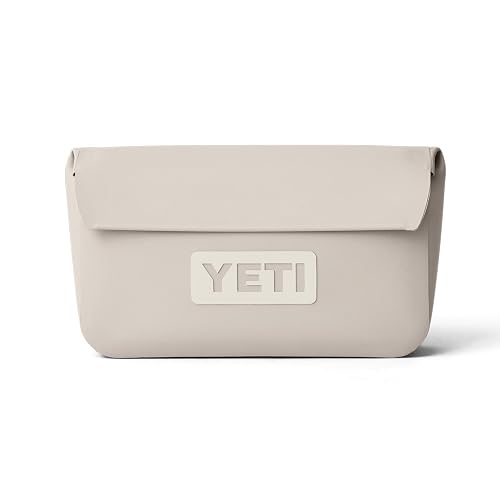
YETI Sidekick Dry 1L Gear Case
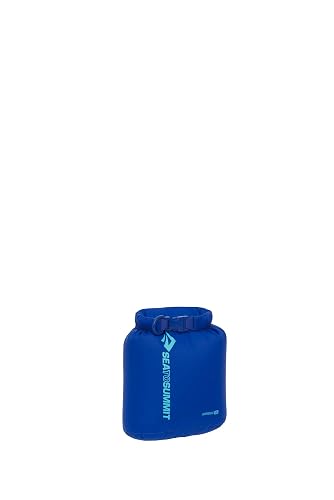
Sea to Summit Lightweight Dry Bag
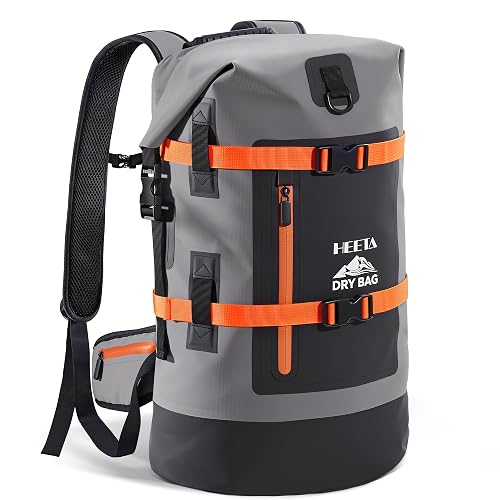
HEETA Waterproof Backpack 40L
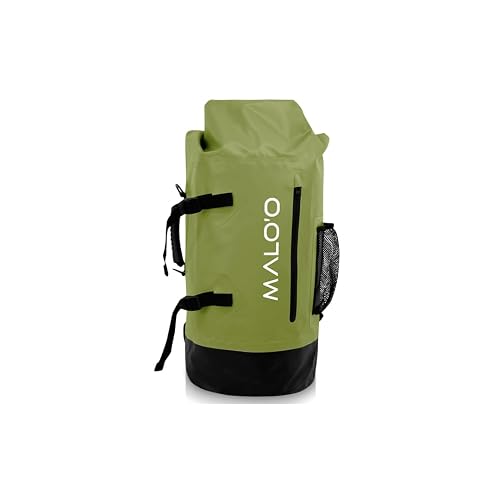
Malo’o 45L Waterproof Backpack
The Picks, Examined More Closely
For paddlers logging multi-day trips, a 13-liter dry bag hits a useful middle ground, big enough for a change of clothes and a sleeping layer, small enough to stow behind a seat. The Sea to Summit Big River leans into a burly build with a TPU-coated (thermoplastic urethane, a flexible waterproof film bonded to fabric) 420D nylon shell, which gives the fabric a noticeably thicker hand than the lightweight option below. A reinforced triple-coated base helps the bag hold up when you drag it across gravel put-ins or rocky riverbanks. The roll-top closure seals across the top once you fold it down three times and clip the buckle.
Unlike the compact YETI pocket case reviewed next, this bag is sized for real cargo, but it still rides comfortably inside a sea kayak hatch or strapped to a deck. The white laminate interior brightens the inside, so you’re not fishing around blind for a headlamp at dusk.
Notable Gains
- Reinforced base resists abrasion on rough launch sites, which matters for rafters unloading at rocky ramps.
- 13-liter volume covers a day’s worth of clothing, snacks, and a mid-layer for most paddlers.
- White interior laminate makes contents easy to spot without unpacking the whole bag.
- 420D nylon with TPU coating handles repeated spray and brief submersions during typical paddle conditions.
Things To Consider
- Heavier than the lightweight Sea to Summit option, so backpackers counting grams may want something smaller.
- Roll-top closures only seal reliably when you remember to fold and buckle them correctly every time.
- Stiff fabric can be noisy when rubbed against deck rigging on calm evenings.
Feature Snapshot
Made For
Recreational kayakers and rafters on multi-day trips who need a rugged, mid-size dry bag for clothing and sleeping layers.
Consider Something Else When
The HEETA Waterproof Backpack 40L is a smarter pick for paddlers who want backpack straps and hands-free carry between launch and camp.
The YETI Sidekick fills a different niche than the roomy Big River above: it’s a small, flat gear case built to ride on a pack strap or a belt, sized for a phone, wallet, and keys. Outside dimensions land around 9.5 by 5.5 by 2.5 inches, which keeps it slim against your chest rather than bulging like a stuffed sack. The HYDROSHIELD closure uses magnets to snap the seal shut, a design that avoids the buckled roll-top of larger dry bags.
The DryHide shell borrows construction cues from whitewater raft materials, and the seams are RF-welded (radio-frequency welded, a process that fuses the fabric layers using electromagnetic energy rather than stitching). For kayakers who dread the idea of a soaked phone after a sudden rain squall, that level of sealing is reassuring. You won’t fit a fleece inside, but you won’t need to.
The Value In It
- Magnetic HYDROSHIELD closure is fast to open with cold or wet hands.
- RF-welded seams eliminate stitch holes, the usual weak point in budget dry bags.
- Slim 1-liter profile slips onto a pack hip belt or kayak deck without shifting around.
- DryHide shell holds up to scrapes against PFD (personal flotation device) buckles and zippers.
Honest Caveats
- 1-liter capacity limits use to essentials, so you’ll still need a larger bag for clothing.
- Premium construction places it above the budget tier, which may not suit casual users.
Who It Suits Best
Kayakers and anglers who want their phone, cards, and keys sealed in a small, packable case during paddle trips.
A Better Fit Elsewhere
The Sea to Summit Lightweight Dry Bag covers paddlers who want to organize clothing and gear inside a larger dry system at a lower cost.
When you need dry storage for small items without adding bulk, the Sea to Summit Lightweight steps in at a notably lower cost than the Big River reviewed earlier. The 1.5-liter volume handles a phone, a power bank, or a packed lunch, and the 70D nylon (denier, a measure of fabric thread thickness, where lower numbers mean lighter weight) with PU (polyurethane) coating keeps the bag flexible enough to stuff into a tight hatch. A Hypalon roll-top closure adds a grippy patch for sealing the fold, which helps when your hands are wet.
Compared to the YETI Sidekick, this bag trades premium welded construction for a lighter, less expensive package. The trade-off shows up in long-term abrasion resistance, but for fair-weather paddlers and casual campers, the savings can be worth it.
Key Advantages
- Low weight and small packed size make it easy to carry as a backup organizer.
- Hypalon roll-top patch adds grip when buckling up a wet closure.
- White interior coating improves visibility of small contents.
- Affordable enough to buy several for color-coded packing across a group.
Worth Noting
- Thinner 70D fabric won’t shrug off abrasion like the 420D Big River.
- 1.5-liter size runs out fast for clothing, so it works best for electronics and small items.
- PU coating can degrade faster than TPU with prolonged UV exposure.
Feature Snapshot
Right Fit For
Day-trippers and sea kayakers who want a featherweight, low-cost bag for organizing electronics and small items inside a larger hatch.
Look Elsewhere When
The Malo’o 45L Waterproof Backpack fits paddlers heading out with full clothing, towels, and tackle who need a backpack-style carry.
The HEETA flips the script from the smaller bags above by adding padded backpack straps and a 40-liter main compartment. The 500D PVC (a heavier, more rigid waterproof fabric than TPU or PU coatings) shell feels closer to a duffel than a stow sack, which makes sense for paddlers who hike into a put-in. The roll-top closure closes over the top, and the bag doubles as a regular backpack between paddling days.
For travelers bouncing between kayaking, beach lounging, and overnight trips, the all-in-one design trims the gear list. Unlike the YETI Sidekick, which is sized for pocket essentials, this bag carries a full change of clothes and then some.
What Pays Off
- Padded straps free up your hands for kayaking, paddleboarding, or short portages.
- 500D PVC fabric handles rougher treatment than lightweight nylon options.
- 40-liter volume swallows clothing, towels, and camp basics for overnight trips.
- Roll-top seal doubles as a handle for hauling between launches.
Room For Improvement
- PVC construction adds weight compared to coated nylon alternatives.
- Lacks dedicated internal organization, so small items can rattle around loose.
Best Suited To
Paddlers and travelers who want hands-free carry between launch, campsite, and lodging without juggling a separate dry bag and daypack.
Swap It Out When
The Sea to Summit Big River Dry Bag 13L suits kayakers who want a sturdier, kayak-specific dry bag rather than a backpack-shaped hybrid.
The Malo’o 45L lands at the larger end of the list, with a roll-top main compartment and a front zip pocket for quick-access items. DryCore construction pairs with thermo-welded seams (heat-fused rather than stitched) and an IPX6 water resistance rating (a standard that covers powerful water jets but not full submersion) for surf, beach, and fishing days. The 45-liter size covers towels, tackle boxes, and a change of clothes without bulging at the seams.
Compared to the HEETA above, the Malo’o leans more toward beach and surf use, with mesh side pockets and a layout that works well for fishing kit. Paddlers needing a hybrid kayak-and-hike bag will find it versatile, though pure river running may push the limits of the IPX6 rating.
A Favorable Mix
- Thermo-welded seams remove the usual stitch-hole leak paths found in budget bags.
- Front zip pocket gives quick access to keys, sunscreen, or a phone without unrolling the top.
- Mesh side pockets stash water bottles or wet sandals outside the main compartment.
- IPX6 rating handles spray, rain, and brief jet exposure during surf and beach sessions.
Points To Keep In Mind
- IPX6 resists strong spray but is not rated for full submersion, so wipeouts may still let water in.
- 45 liters is generous, which means the bag stands tall when stuffed and can be awkward in smaller kayaks.
Feature Snapshot
Who Should Grab It
Kayakers, anglers, and surfers who want a high-volume backpack that handles spray and sand on beach-heavy days.
Reach For A Different Pick When
The YETI Sidekick Dry 1L Gear Case suits paddlers who only need a compact, premium seal for phone and keys on shorter outings.
Matching A Dry Bag To Your Paddle Style
Capacity matters more than people expect. A 1.5-liter bag works for electronics, but a multi-day kayaker needs at least 13 liters for clothing, while overnight or fishing trips push toward 40 to 45 liters. Match the bag size to the trip, not to what you wish you were carrying.
Material choice comes down to how rough you treat your gear. TPU-coated nylon (thermoplastic urethane bonded to nylon fabric) strikes a balance of weight and durability for most paddlers. PVC shells add toughness but stack on weight, while PU-coated lightweight fabrics save grams but wear faster with heavy use.
Closure style affects real-world reliability. Roll-top bags depend on consistent folding and buckling, which works fine once it becomes habit. Magnetic or RF-welded (radio-frequency welded, fusing layers with electromagnetic energy) hard cases eliminate that step but limit capacity. For most kayakers, a well-rolled top is the practical answer.
Key Considerations Across These Picks
Mistakes Worth Dodging
Buying by volume alone is a common slip. A 45-liter bag tempts you to overpack, which stresses seams and adds awkward bulk in a kayak hatch. Pick the smallest bag that fits your trip’s essentials, and use color-coded organizers if you need to sort smaller items.
Another trap is trusting any “waterproof” label. A DWR finish (durable water repellent, a surface treatment that makes water bead up) sheds light rain but fails under submersion. Look for roll-tops with taped or welded seams when you’ll face real spray, and remember that IPX6 ratings cover jets, not full dunking.
When Paying More Pays Off
Premium picks like the YETI Sidekick earn their cost through welded construction and faster access. You pay more for thinner walls, lighter weight, and a closure that snaps shut with one hand. For paddlers who treat their gear hard or want a phone that survives every outing, the upgrade covers real peace of mind. Casual weekend paddlers in calm water can save with the budget-friendly options without much practical loss.
Frequently Asked Questions
How big should a kayak dry bag be?
For day trips, a 5 to 15-liter bag covers layers and snacks. Overnight trips usually need 20 to 45 liters for clothing and a sleeping bag.
Are roll-top dry bags truly waterproof?
Yes, when you fold the top down at least three times and clip the buckle. Skipping folds is the most common reason water gets inside.
What’s the difference between waterproof and water-resistant?
Waterproof means the bag handles submersion or jet spray under a tested rating. Water-resistant only sheds light rain and will eventually leak under pressure.
Can I use a regular backpack as a dry bag?
No. Standard backpacks use stitched seams and breathable fabric that soak through quickly in real paddle conditions.
How do I clean a dry bag?
Rinse with fresh water, wipe with mild soap if needed, and air dry fully before storing. Avoid harsh detergents that strip coatings over time.
Final Verdict
The right dry bag comes down to trip length, carry style, and how rough you paddle. Match volume to your gear, pick a closure you’ll actually use correctly, and lean toward welded or taped seams if you face real spray. Any of the five picks above will serve you well when paired with the outing you have planned.