
A soaked phone, a waterlogged lunch, a sleeping bag that smells like the lake for the rest of the trip. Most paddlers have been there, and most paddlers eventually learn the same lesson: a dry bag earns its place on every deck. The right one keeps gear dry through splash, rain, and the occasional swim, and it packs down small enough to live in your hatch without a fight. With more options on the market every season, sorting through the noise gets harder, so this roundup narrows the field to five solid picks built for real water time.
The Lineup, Simplified

Sea to Summit Big River Dry Bag, 13 Liter
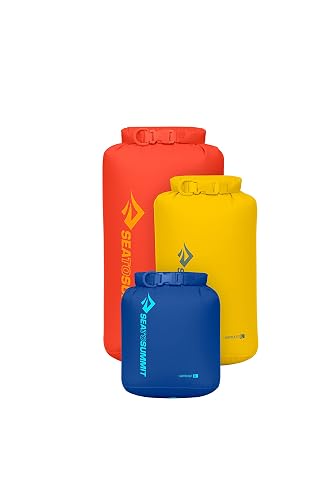
Sea to Summit Lightweight Dry Bag 3-Piece Set
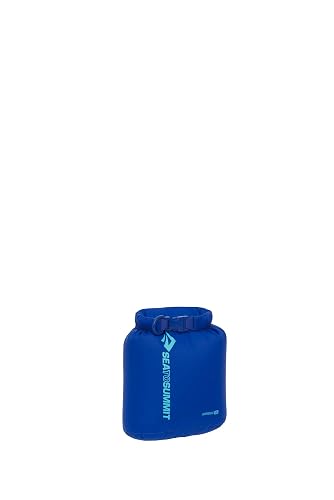
Sea to Summit Lightweight Dry Bag
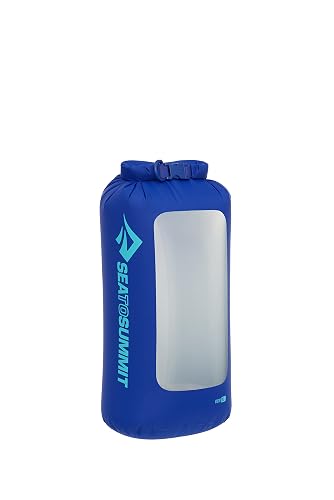
Sea to Summit View Dry Bag, See-Thru
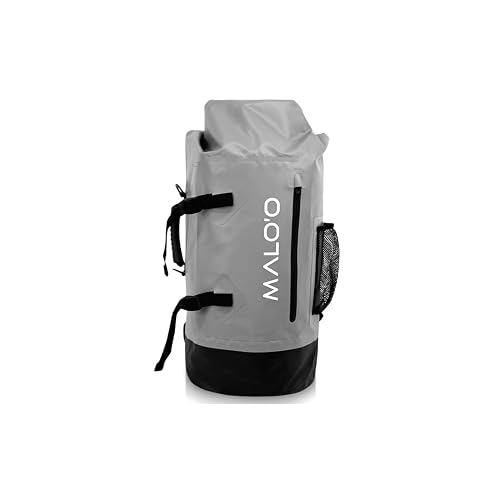
Malo’o 45L Waterproof Dry Bag Backpack
A Deeper Look At The Lineup
Built for trips where the river throws real abuse at your gear, the Sea to Summit Big River earns its spot at the top of the list. The shell is a thick TPU-coated (thermoplastic polyurethane, a tough flexible waterproof film) 420D nylon fabric, which is heavier than the ultralight options but shrugs off abrasion from rocky shores and boat hulls. A triple-coated base adds strength right where bags tend to wear through first, and the white interior laminate helps you spot that missing carabiner at the bottom.
Compared to the lighter Sea to Summit picks below, this one feels like the workhorse: a bit chunkier, a bit heavier, and far more forgiving when you drag it across gravel. Paddlers running overnight trips or multi-day floats, where a single leak can ruin a sleeping bag, get the most value out of that extra material.
Bright Spots
- Heavy-duty 420D nylon shell resists punctures and abrasion on rough launches.
- Triple-coated base handles the drag-and-scrape that destroys thinner bags.
- White laminate interior improves visibility so small items stop disappearing.
- 13-liter capacity swallows a full change of clothes plus electronics for a weekend trip.
- Roll-top closure is simple, field-repairable, and easy to teach to newer paddlers.
Things To Consider
- Heavier and bulkier than the lightweight options in this lineup, so it adds weight to short day trips.
- Stiffer fabric takes up more space inside tight kayak hatches compared to lighter dry sacks.
Key Specs
Made For
Kayakers and rafters running multi-day trips on abrasive rivers who want a bag that survives drag-outs and rough landings.
Consider Something Else When
The Sea to Summit Lightweight Dry Bag suits you better for fast day paddles where cutting every gram matters more than ruggedness.
Most dry bag headaches come from mismatched sizes: one bag is too small, another is half-empty, and somehow nothing fits right. The Sea to Summit Lightweight Dry Bag 3-Piece Set solves that by handing you three coordinated volumes in one purchase. You get small, medium, and large sacks that nest together for storage, so they vanish into a hatch when not in use and expand as you fill them.
This is the pick for paddlers who treat their kayak like a packing puzzle. Sorting a phone, layers, and food into separate bags keeps things organized and stops the eternal hunt for the one thing buried at the bottom. For campers running shuttles or families sharing gear, the matched set removes a lot of guesswork.
Positive Points
- Three nested sizes cover electronics, clothing, and bulkier items without overlap.
- Sets pack down small when empty, freeing hatch space for other gear.
- Coordinated sizes simplify group packing and family trips.
- Lightweight shell keeps total carry weight low on long approaches.
Room For Improvement
- Shared fabric across all three pieces means none are as rugged as the Big River option.
- Owners commonly report that the largest sack can feel undersized for multi-day loads.
Who It Suits Best
Paddlers who want a tidy, organized dry-storage system without buying single sacks one at a time.
Reach For A Different Pick When
The Malo’o 45L Waterproof Dry Bag Backpack makes more sense for hauling one big load rather than splitting it across multiple sacks.
The smallest dry bag in the lineup punches well above its size, especially on day trips where every cubic inch of hatch space matters. At 1.5 liters, the Sea to Summit Lightweight Dry Bag is sized for the things you actually reach for during the paddle: phone, wallet, snacks, a thin layer. The PU-coated (polyurethane-coated, a lighter waterproof finish) 70D nylon shell with a DWR (durable water repellent) finish keeps weight and bulk to a minimum while still shedding splash.
Where the Big River feels like a tank, this one feels like a feather. It tucks behind your seat, clips to a deck line, and stays out of the way until you need it. Paddlers who like a minimalist cockpit or run tight, technical kayaks appreciate how little room it asks for.
Real Benefits
- Lightweight 70D shell adds almost no weight to a day kit.
- Compact 1.5-liter size fits phone, keys, and a snack without crowding the cockpit.
- Hypalon roll-top closure (Hypalon is a tough, UV-resistant rubber-like material used in dry bag seals) grips well even with cold or wet hands.
- Folds flat for stashing in a PFD pocket when not in use.
Honest Caveats
- Capacity is too small for clothing layers or electronics beyond a phone.
- Thinner shell will not survive the same abuse as the Big River option.
Quick Facts
Right Fit For
Minimalist day paddlers who need quick access to a phone, snack, or keys without weighing down the boat.
A Better Fit Elsewhere
The Sea to Summit Big River Dry Bag suits overnight paddlers who need to protect clothing layers and electronics, not just small essentials.
Most dry bags turn into a black hole: open the roll-top, dig around, hope you grabbed the right thing. The Sea to Summit View Dry Bag flips that around with a transparent panel, so you can see what is inside without unrolling. For paddlers who sort gear into labeled stuff sacks or carry first-aid kits, camera batteries, or camp tools, that visibility saves real minutes on the water.
The design works best as a complement to a heavier bag rather than a stand-alone. You might keep the Big River for overnight loads and the View for the items you reach for during the paddle. You may find that running two of these in the same hatch, one for electronics and one for first aid, ends a lot of mid-trip rummaging.
Everyday Perks
- Transparent window identifies contents at a glance, no digging required.
- Ideal for organizing first-aid kits, electronics, or small tools by category.
- Roll-top keeps the seal familiar and easy to use.
- Pairs well with an opaque bag as a “find-it-fast” companion piece.
Points To Note
- Clear panel can be more vulnerable to scuffs than fully opaque fabrics.
- Lacks the rugged base of the Big River for rocky put-ins.
Best Suited To
Paddlers who carry several small dry sacks and want to stop guessing which one holds the right item.
Skip It When
The Sea to Summit Big River Dry Bag makes more sense if you only run one bag and want maximum durability over visibility.
The Malo’o 45L behaves less like a stuff sack and more like a piece of luggage. At 45 liters, it swallows a full day kit, towels, snacks, and a change of clothes, then wears like a backpack when you need to hike that load from the truck to the put-in. The roll-top closure combined with thermo-welded seams (seams fused with heat rather than stitched, which reduces leak points) and an IPX6 water resistance rating (a standard that means protection against powerful water jets, though not full submersion) targets paddlers who move between water and shore.
Where the Sea to Summit picks lean toward small, organized dry sacks, the Malo’o leans toward hauling. Beach days, kayak fishing trips, and surf sessions where you need to carry cold drinks, dry clothes, and electronics all benefit from that single big bag. Compared to the Big River, you trade abrasion resistance for capacity and the convenience of shoulder straps.
Everyday Advantages
- 45-liter volume handles towels, food, electronics, and a full change of clothes.
- Backpack straps let you hike the load hands-free to the launch.
- Thermo-welded seams reduce potential leak points common in stitched bags.
- IPX6 rating holds up against spray, rain, and brief dunks.
- Works across fishing, beach, surf, and travel beyond just kayaking.
Factors To Consider
- Larger size can be overkill for short day paddles, where lighter sacks work better.
- Backpack form factor takes more cockpit space than a simple stuff sack.
- Single big compartment makes small-item organization harder than with a multi-sack set.
Feature Snapshot
Whose Shelf It Belongs On
Paddlers, anglers, and beachgoers who haul one big load all day and want backpack-style carry to and from the water.
Not Your Match When
The Sea to Summit Lightweight Dry Bag 3-Piece Set suits you better for short trips where organizing gear across several small sacks matters more than capacity.
What To Weigh Before Picking Your Dry Bag
Dry bags look similar from across the shop, but the differences show up the first time you actually use one. Fabric weight, closure type, and volume each change how a bag performs on the water, so matching those traits to your paddling style matters more than chasing the heaviest-duty option on the shelf.
Fabric Weight And Durability
Denier (the “D” rating on fabrics like 70D or 420D) measures fiber thickness, and higher numbers mean tougher, heavier cloth. A 70D shell, like the Sea to Summit Lightweight, packs small and sheds weight for day trips, but it scuffs faster on rocky launches. A 420D shell, like the Big River, costs more in carry weight and pays you back in puncture resistance. Pick based on the water you run: smooth lakes forgive lighter fabric, while boulder-strewn rivers punish it.
Closure Style And Seams
Roll-top closures are the standard across this category because they fold away neatly and seal well when rolled three or more times. Seams matter just as much as the closure: stitched seams rely on tape or coating to stay dry, while thermo-welded seams fuse the panels together and reduce leak paths. For paddlers who push into splash and spray, a roll-top plus welded seams is the safer bet.
Size And How You Pack
Capacity should match how you pack, not just how much you carry. A single large bag works for hauling kit end-to-end, while a nested set of smaller bags helps you sort layers, electronics, and food into logical groups. Beginners tend to overestimate how much they need; experienced paddlers often run one large bag plus one small essentials bag they can grab mid-paddle.
Real-World Use Profiles
A sea kayak tour, a fishing kayak, and a weekend raft trip all want different things. Touring paddlers usually pick a couple of mid-size bags for organized packing inside hatches. Anglers lean toward waterproof backpacks they can carry to remote launches. Rafters want heavy-duty bags that survive drag-outs and stacked loads. Picking a bag that matches your discipline saves frustration on day one.
Smart Shifts Before You Choose
Where Shoppers Go Wrong
The most common mistake is buying a bag that is too big for the hatch, then cramming it in anyway. Dry bags need a little slack to seal properly, and an overstuffed bag leaks at the roll-top. The other trap is trusting any waterproof label as the same thing as submersible. IPX6 ratings handle spray and rain, not full dunks. Read the rating and pick the level that matches your real water exposure.
Where The Extra Money Goes
Stepping up to a heavier-denier shell, welded seams, or a backpack-style harness adds cost, and the upgrade shows up where it counts. Tougher fabric survives more seasons on rough rivers. Welded seams reduce the slow leak points that ruin electronics over time. Backpack straps make hauling a loaded bag to remote put-ins far easier. For weekend paddlers on calm water, basic options do the job, but for those pushing into rougher water or longer trips, the upgrade pays off in gear that lasts.
Frequently Asked Questions
What size dry bag do I need for kayaking?
Most day paddlers do well with a 10 to 20 liter bag for layers, snacks, and a phone. Multi-day trips usually call for 30 liters or more, plus smaller sacks for items you reach for mid-paddle.
Are roll-top dry bags actually waterproof?
Most roll-top bags handle splash, rain, and brief immersion when sealed with at least three folds, but few are rated for sustained submersion. Check the IP rating when full waterproofing matters.
Can I use a dry bag as a flotation device?
No. Dry bags are not designed or rated as PFDs (personal flotation devices, the life jackets required for paddling). You still need a properly fitted Coast Guard-approved life jacket for safety.
How do I clean and store a dry bag?
Rinse with fresh water, hang open to dry fully, and store loosely rolled in a cool, dry spot. Keeping them out of direct sunlight extends the life of the waterproof coatings.
What is the difference between dry bags and dry sacks?
The terms are used interchangeably for the same roll-top storage bags. Some brands reserve “sack” for smaller sizes and “bag” for larger ones, but the construction and use are identical.
Closing Remarks
The right dry bag comes down to your water, your trip length, and how you like to pack. Match fabric weight to the rivers you run, pick sizes that fit your hatch space, and you will spend more time paddling and less time worrying about wet gear. Any of these five picks will keep your kit dry, so choose the one that fits your style and head for the water.