
A quality footbed quietly does the heavy lifting in a hiking boot. The right one absorbs rocky impact, supports a stubborn arch, and keeps a long descent from turning your forefoot into a hot, blister-prone mess. Pick the wrong one and even a well-broken-in pair of boots will punish you on mile six. This roundup walks through ten footbed options that suit different foot shapes, trip lengths, and carry weights, so you can match the insert to the trail instead of the other way around.
A Snapshot Of The Selections

EASYFEET Active Everyday Orthotics Insoles Set (Daily and Sport Pack)
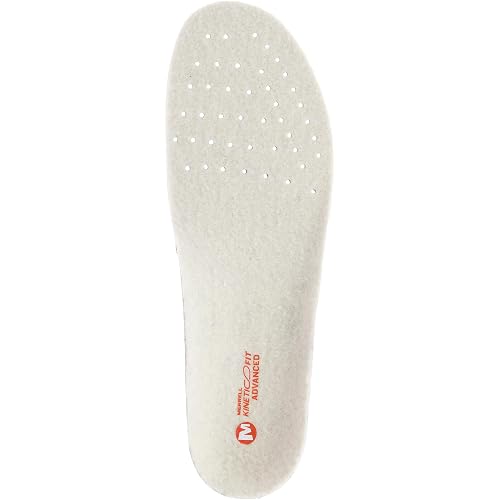
Merrell Womens Merino Wool Advanced Insole
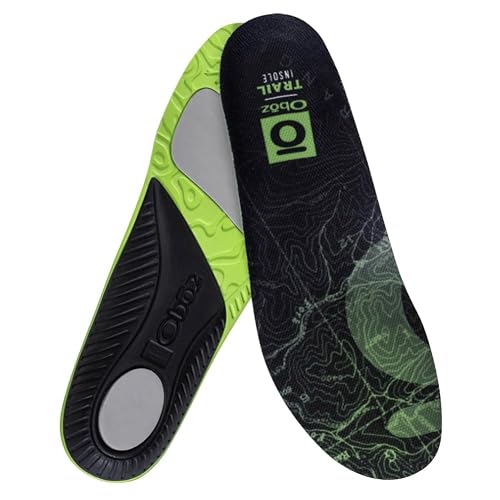
Oboz Unisex Trail Insole (XXL, Green)
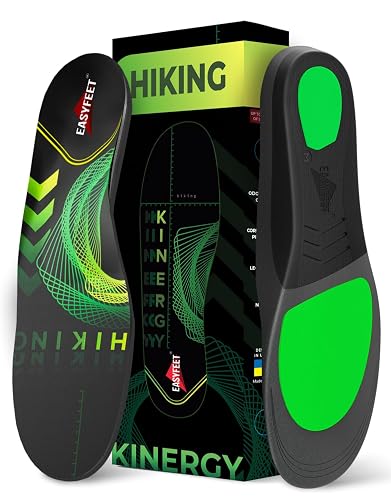
EASYFEET Hiking Boot Insoles for Men and Women
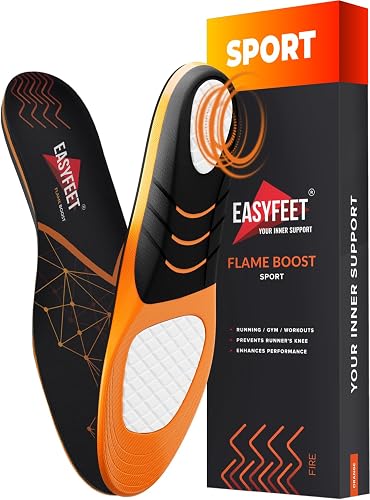
EASYFEET Running and Sport Insoles for Men and Women

EASYFEET Plantar Fasciitis Insoles (High Arch Support)
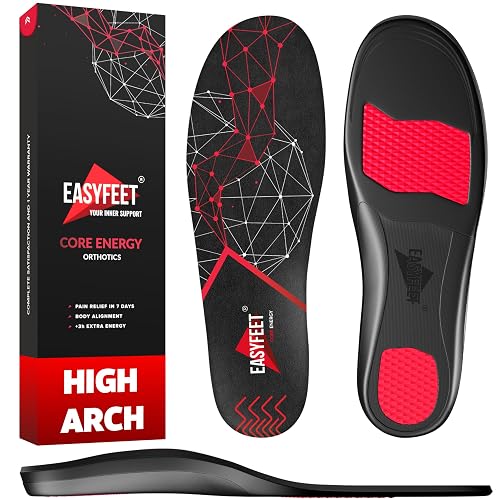
EASYFEET Core Energy Arch Support Insoles
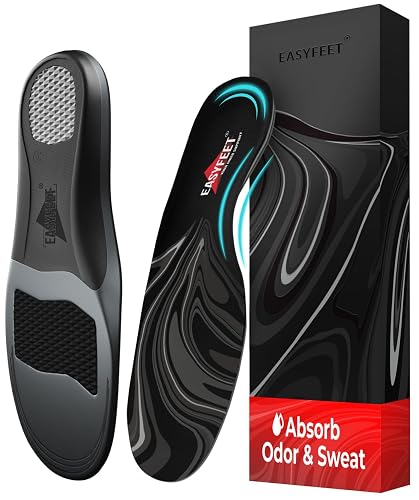
EASYFEET Black Onyx Premium High Arch Insoles
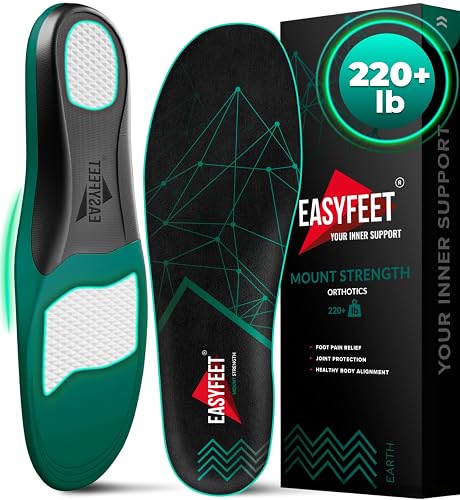
EASYFEET Mount Strength 220+ lbs Heavy Duty Insoles
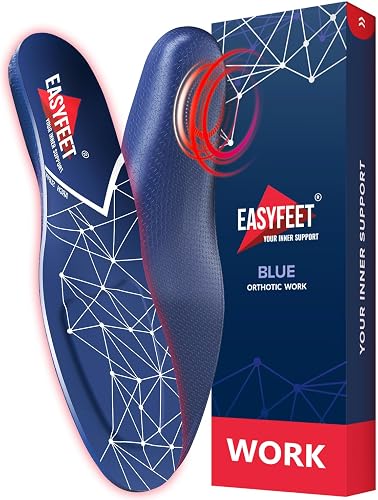
EASYFEET Orthotic Work Insoles (Standing All Day)
The Strengths Of Each Pick
EASYFEET’s two-pack is a smart way to keep a matching arch feel in both your boots and your everyday shoes. The contoured shape supports the medial arch (the inner curve of your foot that often collapses on long walks) while the deep heel cup keeps your rearfoot centered through uneven terrain. For people who move between morning trail loops and an afternoon on pavement, the shared geometry is the main draw.
You also get a medium amount of rebound under the forefoot, which softens rocky approaches without feeling squishy on steeper grades. The materials breathe well enough for warm shoulder-season hikes, and most wearers can trim them with household scissors to dial in the toe-box fit.
What Pays Off
- Two-pack format keeps your hiking boot and your daily shoe matched in arch feel.
- Deep heel cup steadies your rearfoot, which matters on rocky or rooty trails.
- Lightweight build, so the insole does not flatten the boot’s natural flex.
- Trimmable edge lets you tailor the fit when boots run a half size generous.
- Works across hiking, walking, and casual running shoes for one consistent feel.
Things To Consider
- Arch height skews firm, so flat-footed walkers may need a short break-in window.
- Available in a limited size run, which can complicate odd or half-size fits.
Feature Snapshot
Who It Suits Best
Hikers who split their week between trail days and long work shifts on their feet, and who want one insole feel across both pairs of shoes.
Where Another Pick Suits Better
If you only hike and want a footbed built specifically for a hiking-boot last, the EASYFEET Hiking Boot Insoles for Men and Women (Item 4) sits a bit deeper in the heel and shapes more like a true trail insert.
The Merrell Womens Merino Wool Advanced Insole leans on a natural-fiber top sheet for the people who run hot inside their boots. Wool helps move moisture off the skin and resists odor between wash cycles, which matters on a long weekend where you cannot air your boots out properly. The thickness sits in the moderate range, so it slots into a hiking boot without crowding the toe box.
Compared to the all-foam orthotic at Item 1, this is a softer, more climate-focused choice. You will not get the same firm arch bridge, so flat-footed hikers may want something more structured. For spring and fall day hikes in moderate terrain, though, the wool top is a quiet upgrade you can feel from the first mile.
What Works In Its Favor
- Merino top layer wicks moisture and resists odor across multi-day use.
- Moderate thickness fits easily into mid-cut hiking boots without bunching.
- Natural fiber feels softer against the skin on sockless or thin-sock trips.
Points To Note
- Arch profile is gentle, so flat feet or high arches may need firmer support elsewhere.
- Wool construction takes longer to fully dry after a stream crossing than foam-only inserts.
Made For
Women who hike cool-season trails, run warm inside their boots, and prioritize a dry, low-odor feel over a corrective arch.
Skip It When
You carry a heavy pack on technical terrain and need the rigid arch geometry of the EASYFEET Plantar Fasciitis Insoles (Item 6) instead.
The Oboz Unisex Trail Insole comes from a brand that builds footwear specifically for off-trail mileage, and the foam system here shows it. Two different foams handle two different jobs: a denser PU blend at the heel and forefoot absorbs the worst of the impact, while an open-cell PU layer underneath cushions the rest of the stride. The arch lands in the medium-to-high range, which fits most mid-cut trail boots out of the box.
Where this footbed stands out is on long, lumpy days where the trail keeps changing pitch. The heel protection takes the sting out of boulder-hopping, and the open-cell layer breathes well enough to keep the forefoot from getting soggy. Compared to the EASYFEET EASYFEET Plantar Fasciitis Insoles (Item 6), the Oboz trades a firm arch bridge for a more forgiving, trail-tuned ride.
The Good Stuff
- Dual-foam construction separates impact protection from soft cushioning.
- Medium-to-high arch shape suits most mid-cut trail boots without trimming.
- Open-cell layer promotes airflow on warm-weather ascents.
Honest Caveats
- Brand-specific foam profile, so it may feel firmer than foam-only orthotics you have tried.
- XXL sizing covers a narrow band of foot lengths, which can rule out smaller hikers.
Right Fit For
Backpackers and day hikers tackling rough, uneven terrain who want a trail-specific foam profile rather than a corrective orthotic.
Reach For A Different Pick When
You hike mostly on flat, well-groomed paths and want an everyday workhorse like the EASYFEET Core Energy Arch Support Insoles (Item 7) for less cost.
These EASYFEET insoles were shaped around the geometry of a hiking boot rather than a running shoe or a casual sneaker. The arch runs a little taller and the heel cup sits a touch deeper, so the insole locks into the boot’s heel pocket instead of floating around. Multi-day trekkers and people with wider feet tend to appreciate the extra heel wrap most.
Stability on off-camber ground is the headline feature, and the firm midfoot bridge helps when the trail tilts sideways under your boot. Stack height runs medium, so it tends to fit mid and high-cut boots without crowding the laces. The trade-off is that it can feel overbuilt for low-cut hikers and trail runners who want a thinner, more flexible platform.
What Helps Most
- Boot-shaped arch and heel cup hold position inside a deep hiking-boot heel pocket.
- Firm midfoot bridge steadies the foot on side-slope traverses.
- Medium stack height fits most mid and high-cut boots without lacing pressure.
- Marked trim lines let you match the insole to your specific boot length.
Trade Offs
- Taller arch can feel aggressive in low-cut hiking shoes and trail runners.
- Firm build needs a few hikes to fully break in for sensitive soles.
Best Suited To
Multi-day trekkers and hikers with wider feet who want a footbed that locks into a structured mid or high-cut boot.
Look Elsewhere When
You prefer low-cut trail shoes and want the lighter, more cushioned feel of the EASYFEET Running and Sport Insoles (Item 5).
The EASYFEET Running and Sport Insoles (the Flame Boost line) lean toward energy return over correction. The mid-foam rebounds well off the forefoot, which is exactly the spot that punishes you on long climbs and quick downhill transitions. For hikers logging fast day miles or mixing trail running with their hiking, that snap makes the boot feel livelier.
The arch profile is moderate, so it works for a wide spread of foot types. Where it differs from the trail-specialized Item 4 is in the foam feel. This one wants to move with you rather than hold your foot in place. That makes it less ideal for technical, side-hill terrain, but very pleasant on rolling singletrack and groomed forest paths.
Positive Points
- High-rebound foam keeps a brisk pace comfortable over long day hikes.
- Moderate arch shape fits neutral, medium-arched feet without pressure points.
- Lighter feel suits low-cut hiking shoes and trail-runner hybrids.
Some Limits To Know
- Less lateral stability than the EASYFEET Hiking Boot Insoles (Item 4) on side-slope terrain.
- Higher rebound foam can feel stiff in casual leather boots that are built for slower walks.
Who Will Love This
Fast-paced hikers and trail-runner hybrid users who want a lively, energy-returning footbed on rolling to moderately steep terrain.
Consider Something Else When
You need rock-solid stability for technical off-trail routes, where the Oboz Unisex Trail Insole (Item 3) is a stronger match.
This EASYFEET model is built around a firm arch bridge, and the bridge does the work that softer inserts simply cannot. For high arches it fills the gap under the midfoot, so body weight spreads across the whole foot rather than slamming the heel and the ball. For flat feet the same geometry stops the arch from collapsing inward, which is the classic mechanism behind heel and arch pain on long walks.
The deep heel cup reinforces the correction by holding the heel bone centered, and the foam under the forefoot is moderate rather than plush. Compared to Item 7’s Core Energy insole, this one is noticeably more corrective. If your foot pain flares up after a few miles, that corrective shape tends to be the more honest solution.
What It Does Well
- Firm arch bridge spreads pressure for both high arches and flat feet.
- Deep heel cup stabilizes the rearfoot through descents and uneven footing.
- Corrective geometry targets the source of arch fatigue, not just the symptom.
- Versatile enough to live in hiking boots, work boots, and casual shoes.
Practical Considerations
- Firm bridge can feel aggressive during the first few hikes before the foot adapts.
- Stack height is taller than neutral inserts, so loose-fitting shoes may feel snugger.
Key Specs
Perfect Match For
Hikers with diagnosed high arches, flat feet, or recurring arch and heel pain who want a corrective insert that lives in their hiking boots full time.
Not Your Match When
You have a neutral arch and prefer the gentler, more cushioned ride of the EASYFEET Core Energy Arch Support Insoles (Item 7).
The Core Energy is EASYFEET’s everyday workhorse, and the appeal is the balance it strikes between cushion and correction. The arch is firm enough to support a mid-arch foot but not so rigid that it bullies a neutral arch, and the deep heel cup holds position without pinching. For most casual hikers, this is the insole they will end up using across sneakers, work boots, and weekend trail boots.
Where it differs from Item 6’s Plantar Fasciitis model is the bridge height. That one is built for correction; this one is built for daily comfort. The foam also absorbs a meaningful share of impact at the heel and forefoot, which helps on a long descent when every step is a controlled drop. You trade some corrective power for a friendlier, more flexible feel from the first walk.
Everyday Wins
- Balanced arch shape works across a wide range of foot types without pressure points.
- Heel and forefoot cushioning softens long descents.
- Comfortable enough to live in work boots, casual shoes, and hiking boots.
- Breaks in quickly compared to more corrective orthotic inserts.
Worth Bearing In Mind
- Less corrective than the EASYFEET Plantar Fasciitis Insoles (Item 6) for severe arch pain.
- Standard thickness can run tight in low-volume trail-running shoes.
Built With In Mind
Recreational hikers who want a comfortable, versatile insole to swap between hiking boots, work boots, and everyday shoes.
A Better Fit Elsewhere
If you carry a heavy pack on multi-day trips and need a stronger arch lock, the EASYFEET Hiking Boot Insoles (Item 4) is a more trail-specific choice.
The Black Onyx sits at the premium end of the EASYFEET line, and the standout feature is the odor control treatment. On hot summer routes where the boots end up damp at the end of every day, that built-in antimicrobial layer makes a meaningful difference in how the boots smell when you pull them out of the pack. The high arch profile and deep heel cup keep it in the same corrective family as Item 6.
Compared to the Plantar Fasciitis version, the Onyx adds a more polished top cover and a slightly softer foam blend under the forefoot. The trade-off shows up in stack height, since the antimicrobial layer adds a thin millimeter or so. For most mid-cut boots that extra millimeter disappears inside the boot, but low-cut trail runners can feel tighter.
Everyday Advantages
- Antimicrobial top layer fights odor on multi-day trips and humid climates.
- Premium materials give a softer, more refined feel under the forefoot.
- High arch profile delivers the same correction as Item 6 with extra comfort touches.
Less Ideal Details
- Stack height runs slightly thicker, which can crowd low-cut trail runners.
- Premium pricing puts it above the everyday Core Energy model (Item 7) for similar everyday use.
Whose Shelf It Belongs On
Hikers who log hot, humid, multi-day routes and want a high-arch corrective insole with built-in odor management.
Swap It Out When
You mostly hike in cool weather and want a simpler, lower-cost high-arch option like the EASYFEET Plantar Fasciitis Insoles (Item 6).
The Mount Strength is the heavy-duty EASYFEET, built for hikers and workers who weigh over 220 pounds and need a more reinforced arch geometry. Standard corrective insoles can bottom out under that much load, and the result is the same arch pain the insole was supposed to prevent. This model uses a stronger arch bridge and a thicker foam base to handle the higher impact forces.
Where it stands apart from the lighter EASYFEET models is the level of structural support. The arch does not flex much under body weight, which is exactly what you want on a heavy load. The trade-off is that it is overkill for smaller hikers who would feel the rigid bridge as a pressure point rather than a support.
Why It Works Well
- Reinforced arch bridge supports hikers over 220 lbs without bottoming out.
- Thicker foam base absorbs higher impact forces on loaded trips.
- High arch profile suits flat-footed walkers who carry heavy loads.
Factors To Consider
- Heavier construction feels stiff in lighter hiking shoes and casual sneakers.
- Body-weight-rated geometry is excessive for hikers under the 220-lb threshold.
Right Fit For
Taller, heavier hikers and backpackers carrying multi-day loads who need a footbed rated for high body weight and packed-out trips.
A Better Fit Elsewhere
Lighter hikers who want a softer, more versatile footbed should consider the EASYFEET Core Energy Arch Support Insoles (Item 7) instead.
The Orthotic Work insole is built for people whose day is measured in hours on concrete, then continued in a hiking boot. The anti-fatigue geometry cradles the heel and lifts the arch just enough to take pressure off the plantar fascia (the thick band of tissue running along the bottom of the foot) over long shifts. It is the right shape for the kind of double-duty lifestyle that does not have time for two separate insoles.
The profile is moderate, so it does not crowd a work boot the way a heavy-duty orthotic might. Compared to the trail-specific Item 4, this one favors upright comfort over lateral stability. For urban trail commuters and weekend trail-crew volunteers, the trade is the right one.
Key Advantages
- Anti-fatigue geometry eases the ache of long standing shifts on hard floors.
- Moderate arch profile fits a wide range of work boots and casual shoes.
- Comfortable enough to move between work boots and weekend hiking boots.
Where It Is Less Suited
- Less lateral stability than the EASYFEET Hiking Boot Insoles (Item 4) on technical trails.
- Work-focused geometry does not match the heavy-duty rating of Item 9 for very heavy hikers.
Should Grab It
Hikers and outdoor workers who stand for long shifts, then pull on their boots for a weekend trail day, and want one insole to handle both jobs.
Another Choice May Suit
You spend most of your time on rough terrain and need the firmer trail-specific build of the Oboz Unisex Trail Insole (Item 3).
Matching Footbeds To Your Hiking Style
Start with the boot, not the insole. A structured mid or high-cut hiking boot pairs naturally with a deeper, firmer footbed, while a low-cut trail runner needs a thinner, more flexible platform to keep the foot’s natural bend working. Knowing your boot’s volume before you shop saves you from buying an insole that crowds the toe box or floats inside a deep heel pocket.
Arch height is the next decision. Stand on a hard floor and look at the wet imprint your bare foot leaves: a thin band connecting heel and ball means a high arch, a wide flat patch means a low or flat arch, and a moderate middle band means a neutral arch. The corrective inserts in this list (Items 6, 8, 9) target the high and flat ends of that spectrum, while the everyday models (Items 1, 5, 7) sit in the neutral middle.
Load matters more than people expect. A 30-pound pack multiplies the impact force through your feet on every step, and lighter insole foam flattens faster under that load. Heavier hikers and packers should look at reinforced options (Item 9) before standard corrective insoles, because the foam can bottom out before the trip ends.
Climate and trip length also shape the call. Wool-topped insoles (Item 2) keep feet drier across cool-season routes, antimicrobial treatments (Item 8) help on hot multi-day trips, and breathable open-cell foam (Item 3) is a clean choice for warm shoulder-season hiking. Match the footbed to the conditions you actually hike in, not the conditions you wish you hiked in.
Key Considerations Across These Picks
Where Shoppers Go Wrong
The most common slip-up in this category is buying an insole by shoe size alone. Two boots in the same labeled size can have very different internal volumes, and a footbed that fits one perfectly can pinch or float in the other. The honest move is to pull out the current insole, lay the new one on top, and check whether the arch lands in the same spot before trimming anything.
A second pitfall is choosing the firmest arch on the shelf because the listing promises correction. Aggressive arch geometry helps high arches and flat feet, but it can hurt a neutral arch by forcing the foot into a position it does not need. When in doubt, a moderate arch insole (Items 1, 5, 7) is the safer starting point than a corrective one.
What The Higher Tier Buys
The premium models in this list earn their cost in three ways: longer-lasting foam that does not bottom out as quickly, more refined top covers that manage moisture and odor, and more carefully shaped arch geometry that fits a wider range of feet on the first try. For casual day hikers logging a few weekends a year, the everyday EASYFEET models cover the same core job at a lower price. For people who hike weekly, carry heavy packs, or deal with recurring foot pain, the upgrade tends to pay for itself in fewer replacements and less end-of-trip soreness.
Frequently Asked Questions
How do you know when a hiking boot insole needs replacing? Most foam footbeds lose their rebound after a season of heavy use, and the telltale sign is a flat spot under the heel or a creased forefoot that no longer springs back. Once you start feeling new fatigue in spots that used to feel fine, the foam is probably the reason.
Can footbeds fix arch pain on the trail? A supportive insole can take real pressure off the plantar fascia and the heel, especially for high arches and flat feet. Severe or persistent pain deserves a professional assessment, since an insole can support the foot without addressing the underlying cause.
Do trail runners and hiking boots use the same insole? Low-cut trail runners usually need a thinner, more flexible footbed to preserve the shoe’s natural flex, while hiking boots benefit from a deeper, more structured insole. Many hikers keep two different insoles, one for each style.
Is it worth trimming an insole to fit a hiking boot? Trimming to length is normal and expected, but trimming the sides to fit a narrow boot can ruin the heel cup and arch geometry. Side-to-side fit should come from choosing the right size, not from cutting the footbed down.
How long should a new insole take to break in? Most supportive insoles feel mostly right after a few hours of wear, and a fully adapted feel usually shows up within a week of regular use. Sharp pain or numbness during break-in is a sign the arch height is wrong, not that the foot needs more time.
Final Verdict
The right footbed for your hiking boots is the one that matches your arch, your boot’s volume, and the kind of trips you actually take. A neutral-arch hiker on rolling terrain will be happy with a balanced everyday insole like the Core Energy, while a heavy packer with high arches gets a much better result from a corrective, load-rated option. Start with the insole that fits your foot, not the one that promises the most correction, and your boots will start feeling like new gear again.